Engineered to deliver exceptional performance under extreme thermal and pressure conditions
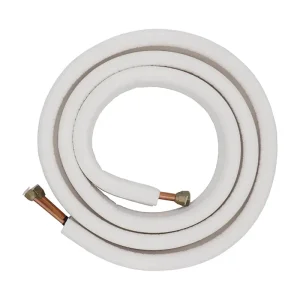
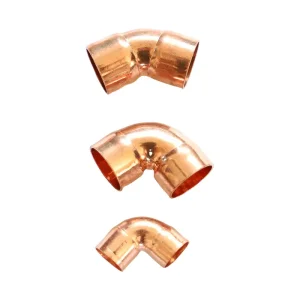
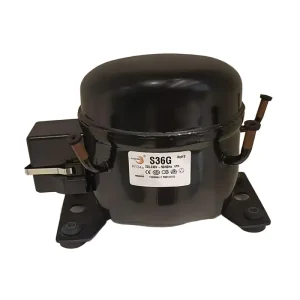
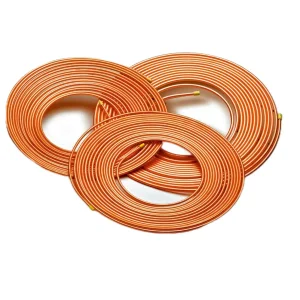
Deep-dive whitepaper analysis on the evolution of refrigerant dispensing technologies
In modern industrial and automotive HVAC systems, the can tap valve serves as the critical mechanical interface between pressurized refrigerant storage canisters and the manifold charging equipment. The engineering accuracy of this component directly dictates the safety, efficiency, and environmental compliance of refrigerant replenishment procedures. As global environmental protocols, such as the Kigali Amendment to the Montreal Protocol, drive the transition toward low global warming potential (GWP) refrigerants, the technological demands placed on can tap valves have expanded significantly.
From an international logistics and supply chain perspective, procurement departments in North America, Europe, and the Asia-Pacific region demand absolute consistency in component dimensioning. A deviation of even 0.02mm in puncture pin alignment or thread pitch can result in systemic failure, localized refrigerant venting, or damage to the service valve assembly. Choosing a qualified wholesale supplier is therefore not merely a procurement decision, but a strategic measure for global quality assurance.
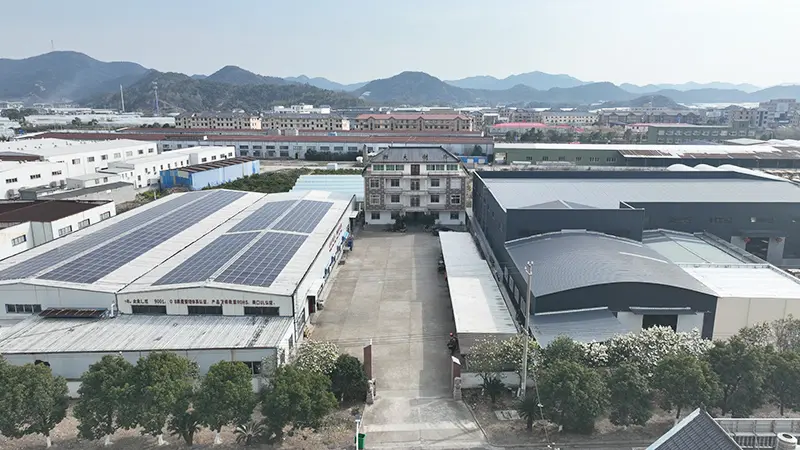
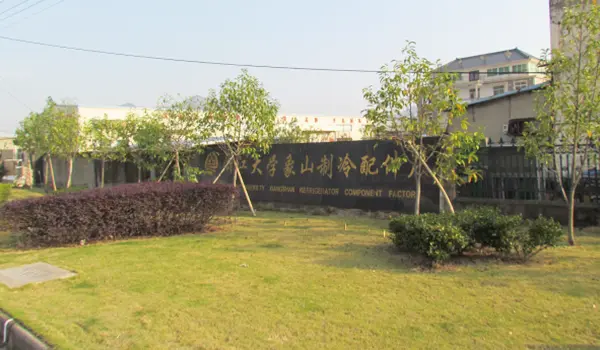
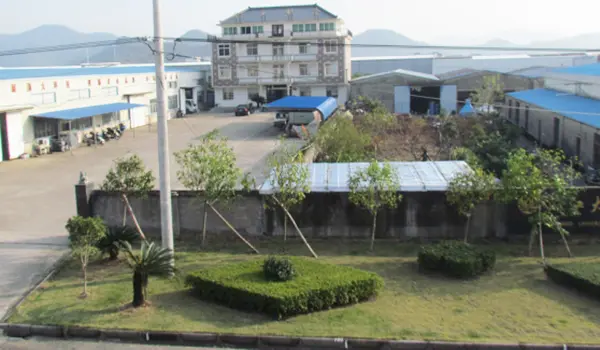
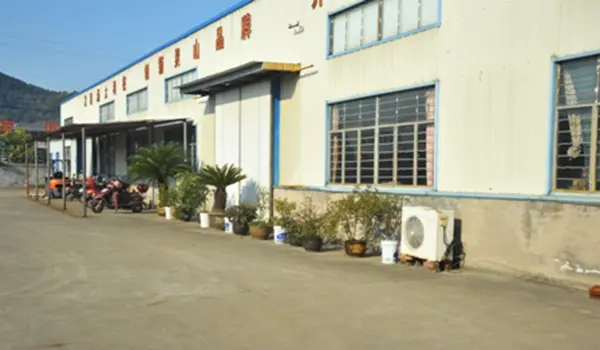
Ningbo Taojun Refrigeration Equipment Co., Ltd. is located in Xiangshan, Ningbo, a prominent center for advanced industrial manufacturing in China. Founded in 1988, our company's predecessor was the prestigious Xiangshan Refrigeration Accessories Factory of Zhejiang University. This historical partnership with one of China's top academic institutions laid the technical foundation for our ongoing innovations in metallurgical processing, fluid dynamics, and sealing technology.
Over the course of more than 35 years of dedicated development, Taojun has evolved into a high-tech enterprise integrating R&D, advanced manufacturing, domestic sales, and global export distribution. Our primary product ranges include copper filter driers, check valves, air conditioning valves, copper-alloy fittings, dual gauge manifolds, and specialized charging accessories, including the industry-standard best can tap valves.
Our brand "Lingshan" has become synonymous with durability and technical excellence in the domestic refrigeration sector. By implementing strict quality controls verified by ISO9001:2015, EU RoHS, and US UL certifications, we ensure that every component leaving our Ningbo factory aligns with the operational criteria of global home appliance leaders including Haier, Midea, Gree, Whirlpool, and Electrolux.
A closer look at how Taojun engineers components for zero-leakage durability
At Taojun, our manufacturing processes are built upon engineering precision. Every single can tap valve we supply is machined from solid, high-grade brass or specialized corrosion-resistant alloys. This ensures high tensile strength and prevents thread stripping when mounted onto pressurized steel canisters. Our valves incorporate the following core design elements:
Designed with specialized hardened stainless steel (SUS304 or SUS316) pins, ensuring consistent, clean punctures without shedding metal debris into the refrigerant flow.
Constructed using proprietary Neoprene and Fluorocarbon rubber compounds that remain flexible at sub-zero temperatures and resist chemical degradation by synthetic oils.
Utilizing high-precision CNC lathes to guarantee exact thread matches (e.g., 1/2" ACME, 1/4" SAE, or customized configurations) to eliminate cross-threading issues during installation.
Our commitment to tech-driven manufacturing is backed by our internal research lab. Featuring 15 specialized engineers—many holding advanced degrees from leading domestic research centers—our team focuses on flow rate maximization and stress analysis. Through simulated lifecycle testing under extreme temperatures ranging from -35°C to 75°C, we verify that our brass and copper assemblies maintain structural integrity over decades of continuous field usage.
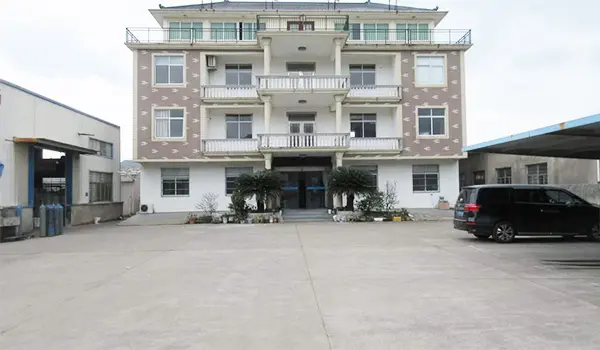
Analyzing the operational benefits of sourcing direct from our Ningbo production hub
China's Yangtze River Delta industrial zone, specifically the Ningbo-Ninghai-Xiangshan corridor, offers unprecedented supply chain efficiency for global refrigeration component buyers. By purchasing directly from a primary manufacturer like Ningbo Taojun, distributors and OEM partners bypass secondary agents, resulting in major cost containment and structural transparency.
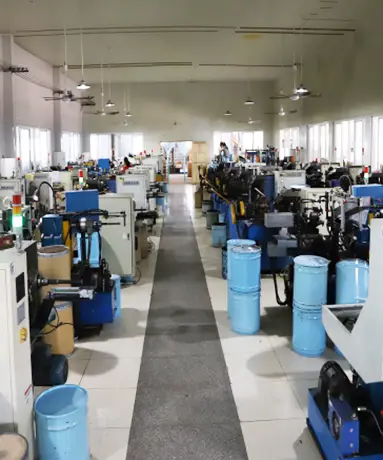
Automated Workshop
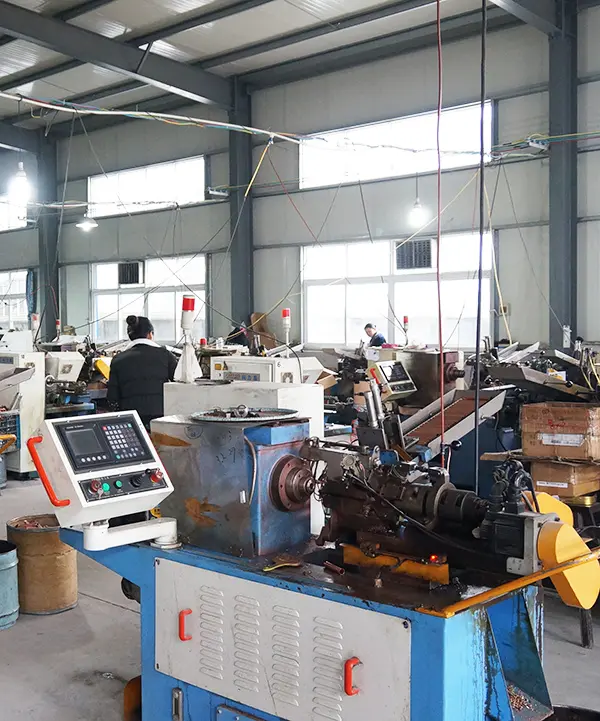
Precision Assembly Line
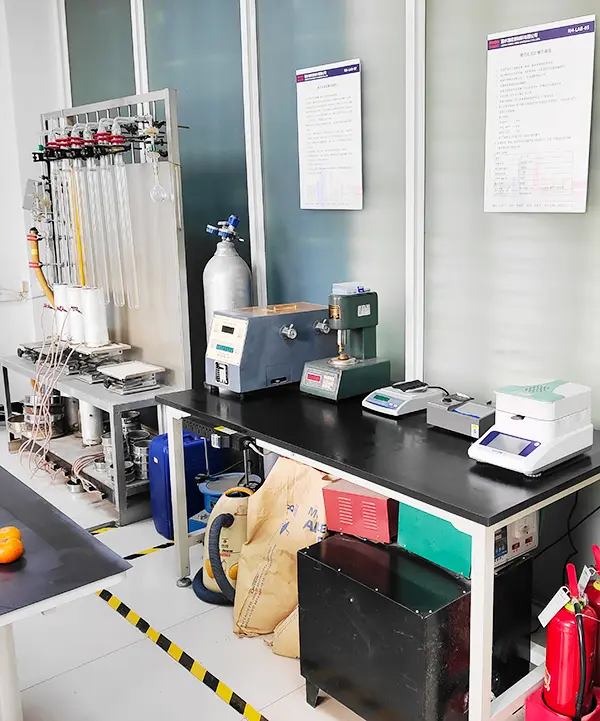
Testing Laboratory
How our refrigeration and dispensing components support crucial industrial systems
Our specialized range of can tap valves and related refrigeration accessories plays a vital role across multiple industries. Here are the primary environments where our precision-engineered brass and copper accessories are utilized daily:
Providing clean punctures on small R134a and R1234yf canisters, allowing technicians to charge vehicles without refrigerant venting. Our integrated safety valve prevents system over-pressurization during diagnostic connection.
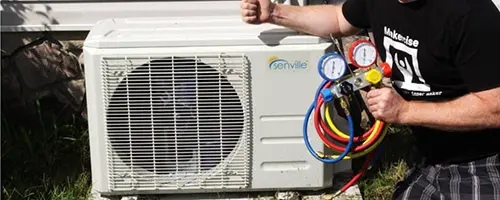
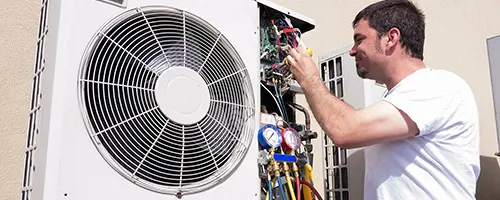
Utilized during emergency system top-ups and system diagnostics. The brass fittings and charging hose safety valves ensure that technicians can disconnect manifolds without risking contact with liquid refrigerant.
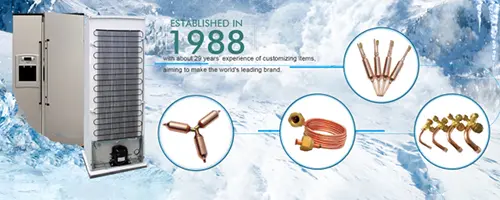
Installed on domestic and commercial refrigerators, freezers, and ice makers. Our copper filter driers absorb trace moisture and acids, preventing ice blockages and compressor failure.
Flexible manufacturing, strict standard compliance, and comprehensive technical support
Global procurement teams face challenges such as varying compliance standards, lengthy lead times, and uncooperative suppliers. Taojun addresses these concerns directly with our technical support and customer-focused approach:
Our quality system is certified under GB/T19001-2016 / ISO9001:2015 (Registration No: 41325Q00065R0S). This guarantees that every step of the production process—from raw material inspection and stamping to final packaging—is tracked and recorded. We maintain a standard minimum order quantity (MOQ) of 500 units for customized configurations and provide a comprehensive 1-year product warranty. Should any quality concerns arise, our technical team operates with an 8-hour response window and provides free lifetime technical support.
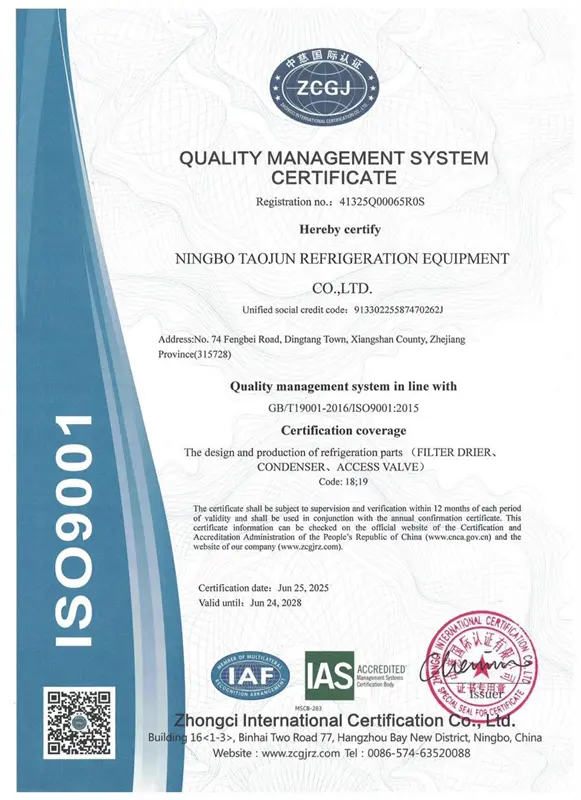
ISO 9001 Main Certificate
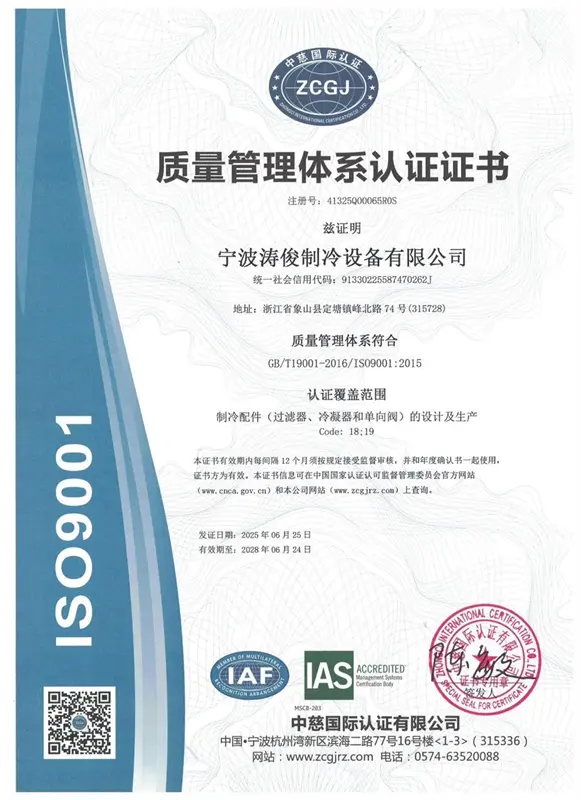
Detailed Scope of Certification
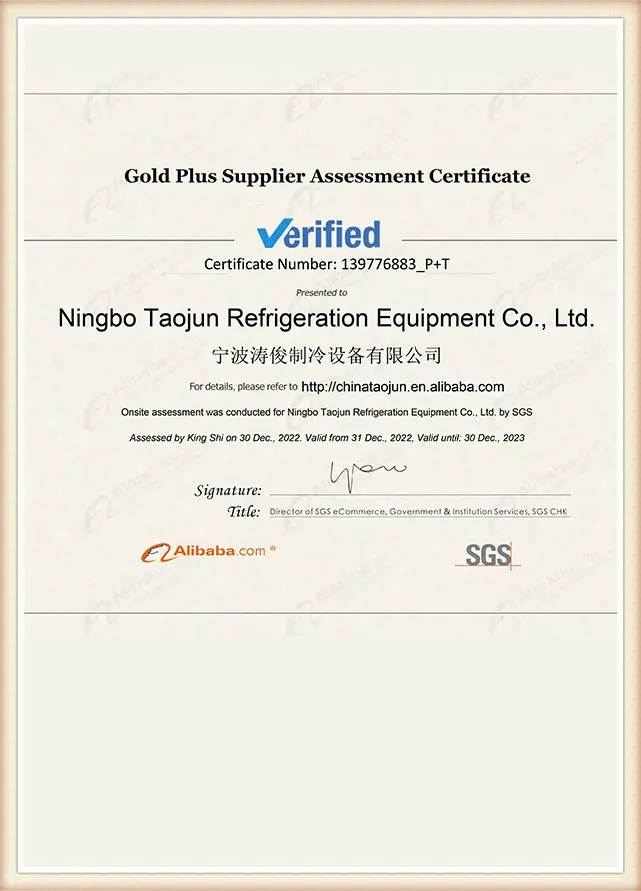
RoHS Environmental Certificate
Sourced and trusted by elite HVAC brands globally for system installation and repairs
Direct answers from our expert engineering department regarding Can Tap Valve operations and quality selection
The thread designation dictates both application and system safety. The 1/4" SAE flare thread is the traditional standard for older refrigerants like R-12 and standard refrigeration manifold hoses. The 1/2" ACME thread is mandated under EPA standards for newer refrigerants like R-134a to prevent cross-contamination of charging systems. Selecting the correct thread matching is critical to ensure leak-free operation.
Generally, no. R-1234yf refrigerant canisters are manufactured with left-hand threads (reversed) to intentionally prevent the accidental use of standard R-134a equipment, minimizing safety risks. Hydrocarbon refrigerants (such as R-600a and R-290) also use specific thread profiles and require specialized, spark-free mechanical components to ensure safety.
We recommend Chloroprene (Neoprene) or HNBR (Hydrogenated Nitrile Butadiene Rubber) for standard applications. For specialized systems containing aggressive synthetic oils or alternative refrigerants, Fluorocarbon (Viton) gaskets provide superior chemical resistance, maintaining structural properties and preventing leaks.
We execute a dual-stage test protocol on every valve batch: first, a dimensional check using CCD visual alignment systems; second, pressure decay and high-sensitivity helium vacuum testing. This ensures that every shipped valve maintains a leak threshold below 0.1 grams of refrigerant loss per year.
Yes, all products manufactured by Ningbo Taojun Refrigeration fully comply with current European RoHS (2011/65/EU) and REACH parameters. We closely monitor heavy metal contents, ensuring that lead levels in our brass alloys fall strictly within permissible industrial limits.
 Taojun