 Taojun
1 / 5
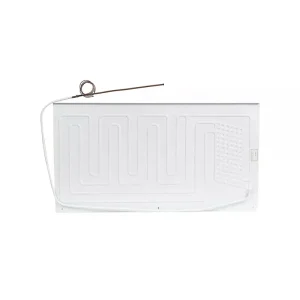
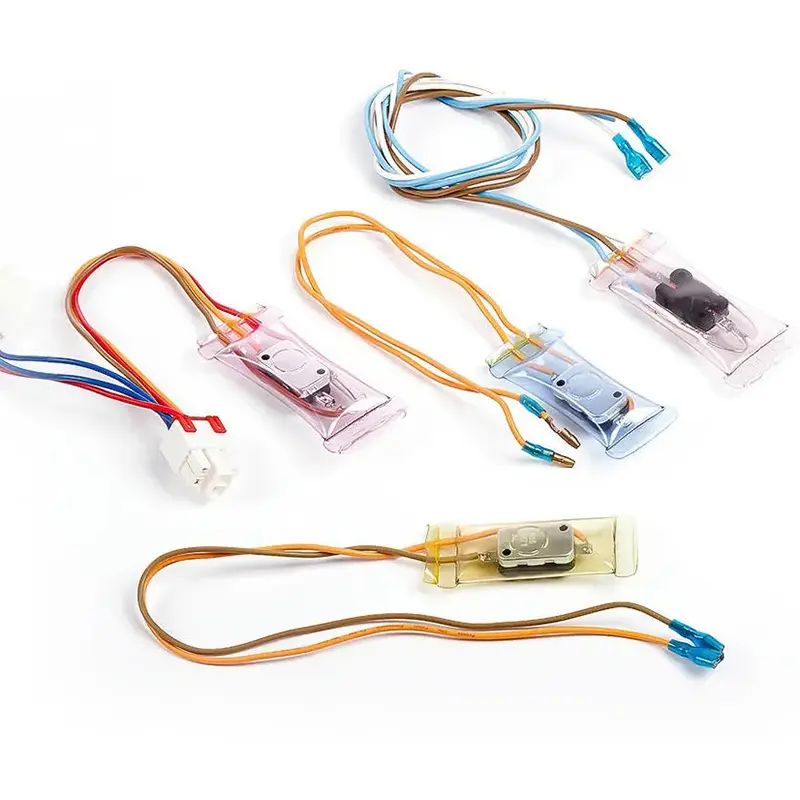
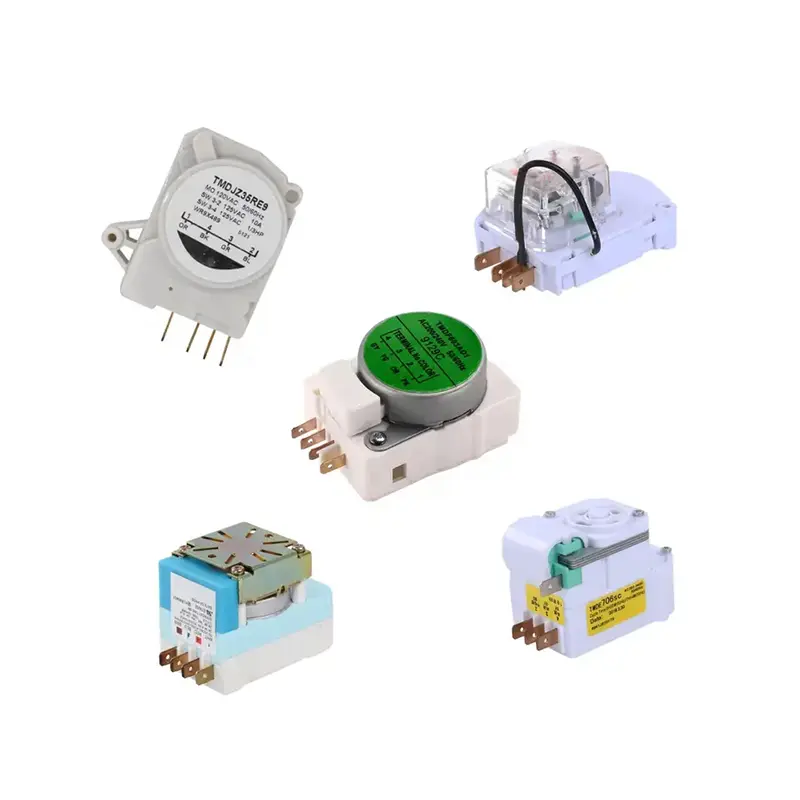
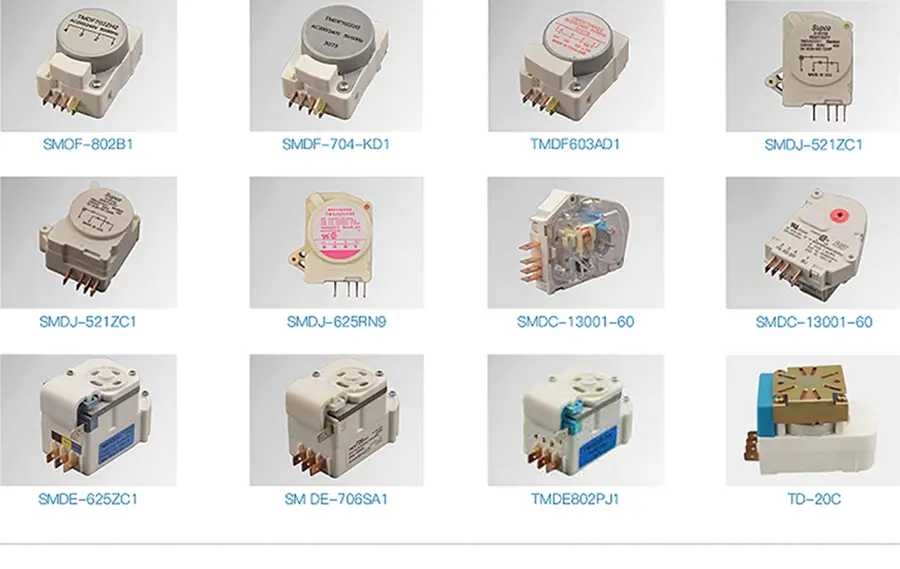
The defrost timer is a component used to control the defrosting program of refrigeration equipment. During the operation of the refrigeration equipment, the defrost timer can automatically start and stop the defrosting program according to the preset time interval, ensuring that the evaporator is defrosted in a timely manner and maintaining the efficient operation of the refrigeration system.
It can accurately start and stop the defrosting process according to the preset time intervals. This ensures that the evaporator undergoes defrosting at the appropriate time, preventing the frost layer from becoming too thick and affecting the refrigeration efficiency. At the same time, it prevents excessive defrosting, which could lead to energy waste.
There are various specifications and working modes available. It can be widely applied to different types and power ratings of refrigeration equipment, such as household refrigerators, freezers, air conditioners, as well as commercial refrigerated cabinets and cold storage facilities.
Made of high-quality materials and using advanced manufacturing processes, it has good stability and durability. It can maintain accurate time control and a stable working state during long-term operation, reducing the probability of failures.
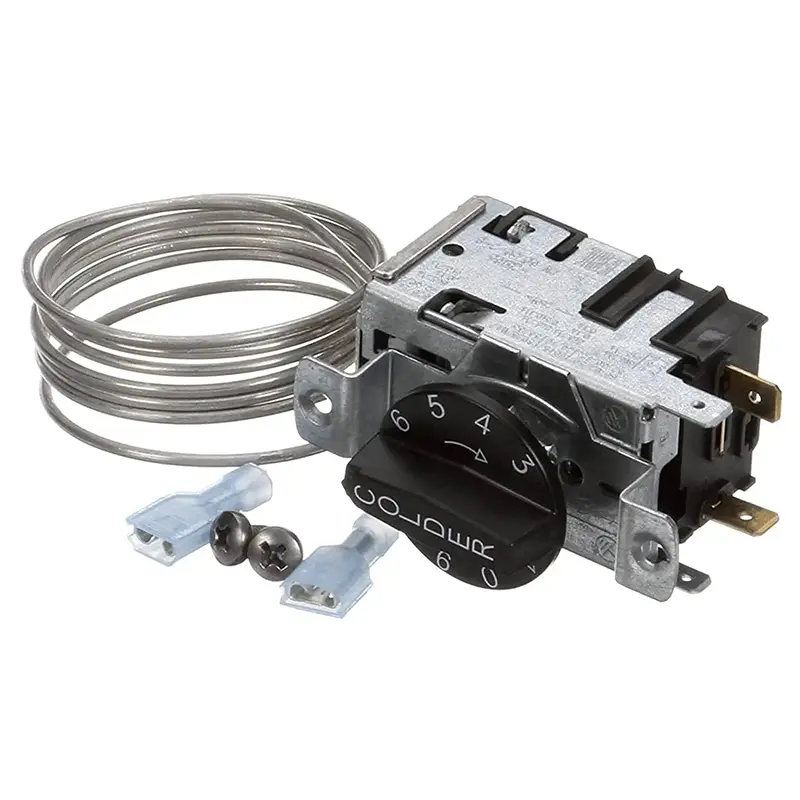
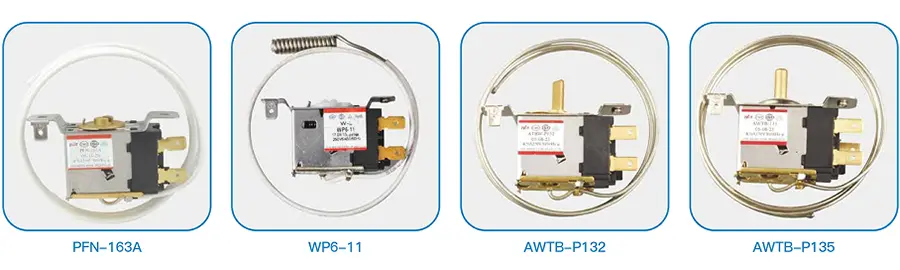
It is mainly used for monitoring and controlling the temperature. By sensing the changes in the ambient temperature, it can automatically adjust the operating status of heating or cooling equipment to keep the temperature within the set range.
It can accurately sense temperature changes and control the temperature to stay close to the set value. The accuracy can usually reach ±0.1℃ or even higher, ensuring the stability of the environmental or equipment temperature.
Most of them are equipped with a simple and easy-to-understand operation interface. Whether it is a mechanical knob or button, or an electronic touch screen or digital display screen, users can easily set and adjust parameters.
It has a variety of control methods, such as proportional control, integral control, derivative control, and their combinations (PID control), etc. According to different application scenarios, the appropriate control mode can be selected.
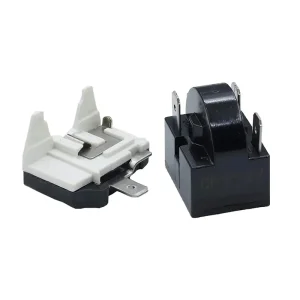
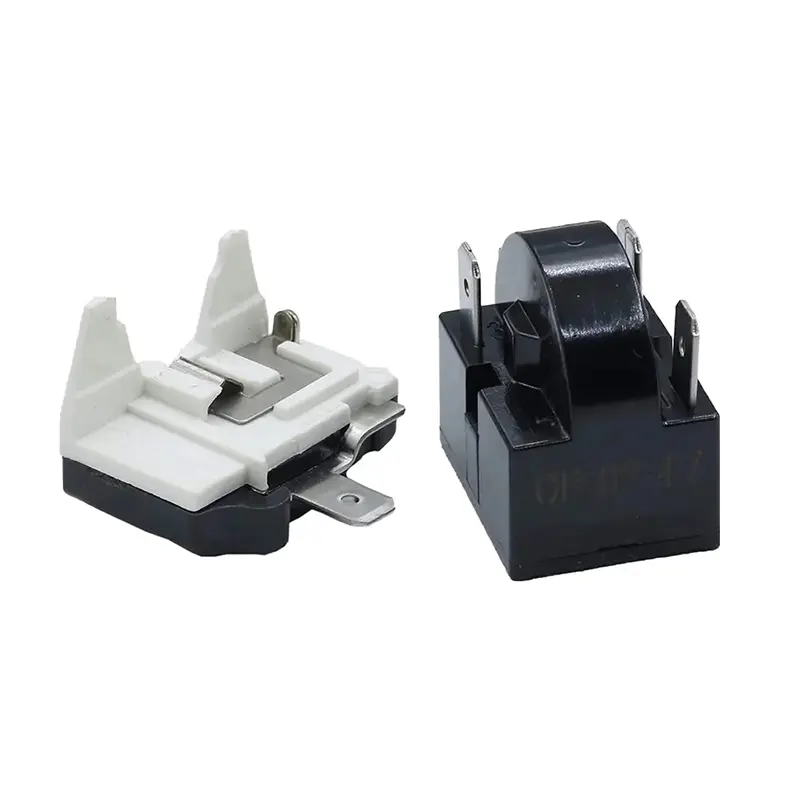
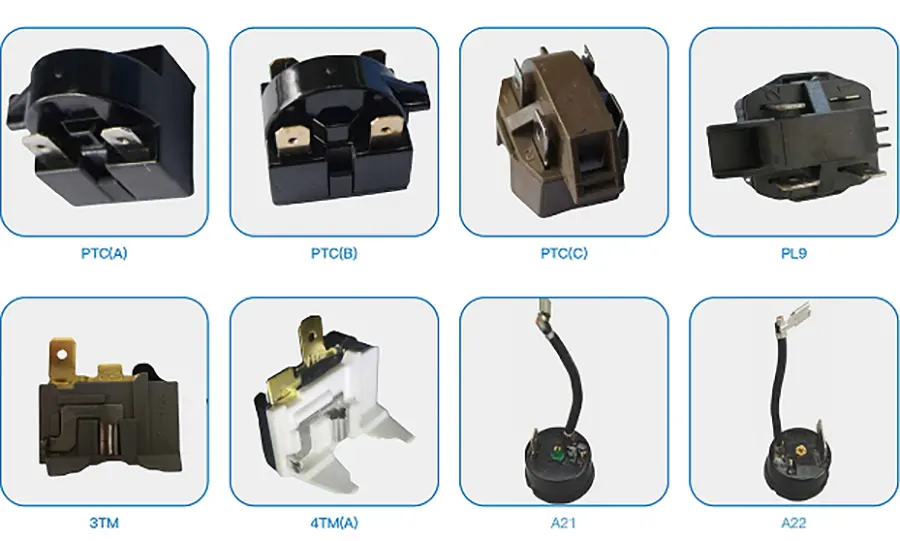
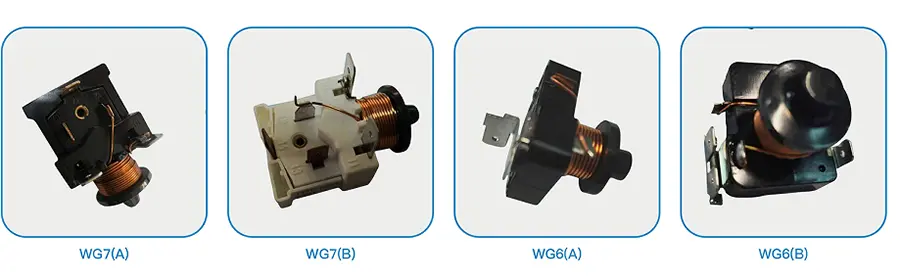
A starter is a device used to start various equipment or systems. It provides the initial power or signal to enable the equipment to transition from a stationary state to an operating state.
The core function of a starter is to provide the power or signal required for the equipment to start, enabling the equipment to smoothly transition from a stationary state to an operating state. For example, a motor starter supplies the appropriate voltage and current to the motor.
Different types of starters have their own unique starting modes to meet the needs of different equipment and loads. Options include direct-on-line starters, star-delta starters, autotransformer starters, and soft starters.
The starter needs to closely cooperate with the equipment it controls and is designed and selected according to the characteristics and requirements of the equipment, ensuring normal startup and operation.
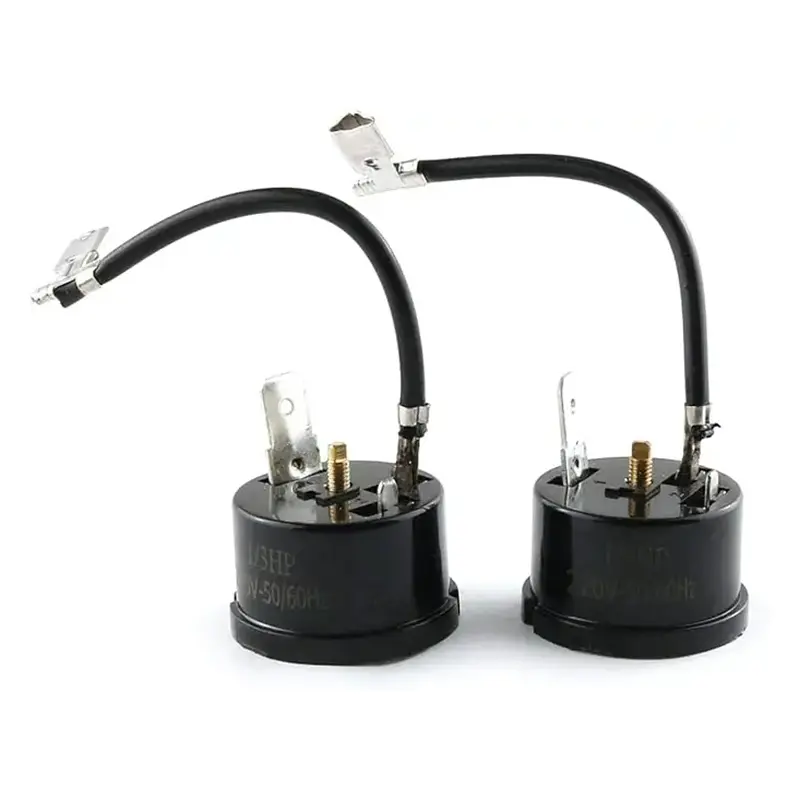
Protector is a device used to protect electrical equipment, systems, or circuits from adverse effects such as over-voltage, over-current, and over-temperature.
The protector can monitor the key parameters during the operation of the equipment in real time, such as current, voltage, temperature, pressure, etc., and always pay attention to the running state of the equipment.
Features a variety of protection functions for different situations, including overload protection, over-voltage/under-voltage protection, temperature protection, and phase-sequence protection.
Protectors usually have high reliability, can operate stably in harsh working environments, and have strong anti-interference capabilities, effectively protecting the safety of equipment and personnel.
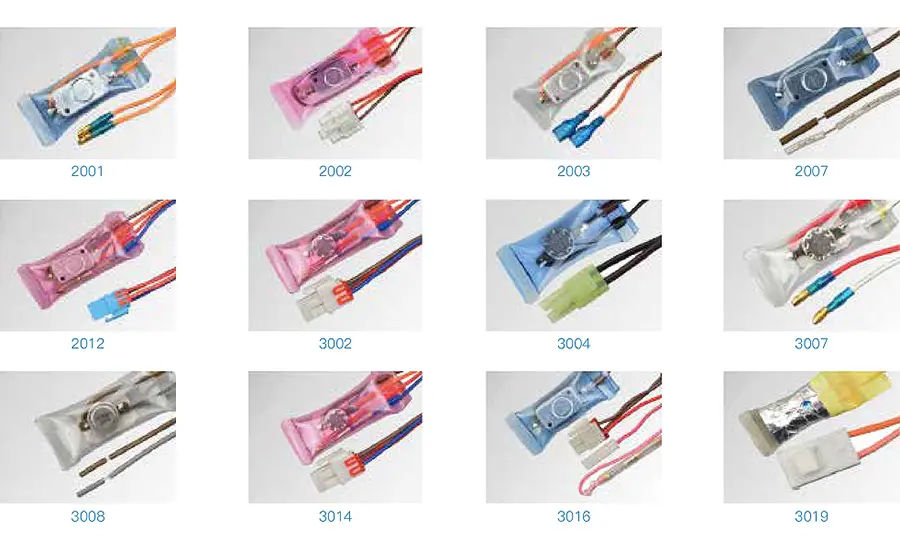
A thermostat is a device used to control temperature. It can automatically adjust the temperature of the object being controlled according to the set temperature value, keeping it within a relatively stable range.
The thermostat can accurately control the temperature, keeping it stable within the set range. It also has a variety of temperature control functions, such as temperature display, alarm, timing, and remote control, etc., which can meet the needs of different scenarios.
It is easy to operate, and users can easily set the temperature and other operations. At the same time, it has good stability and durability, can work stably for a long time, and has excellent compatibility, being able to be adapted to various heating or cooling devices.
A defrost timer automatically controls the start and stop of defrosting programs in refrigeration equipment at preset intervals. This prevents frost buildup on the evaporator, ensuring optimal cooling efficiency and preventing energy waste.
The thermostat features high-precision control, capable of maintaining ambient or equipment temperatures very close to the set value. The control accuracy can reach up to ±0.1℃ or higher depending on the application and mode.
The defrost timer series features a PP shell with copper insert materials. It supports a wide voltage range of 110-220VAC and operates at dual frequencies of 50 / 60Hz, making it adaptable to different power standards.
Starters are designed with diverse starting modes to match different power loads, including direct-on-line (DOL) starting for small-power motors, as well as star-delta, autotransformer, and soft starting modes for high-power equipment to reduce electrical impact.
The protector provides real-time monitoring and defense against multiple risks, including overload protection, over-voltage/under-voltage protection, temperature limits, and phase-sequence checks to prevent motor reversal and failures.
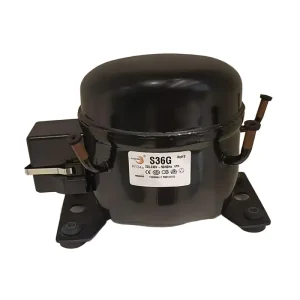
These components are highly adaptable and widely used across household air conditioning, commercial air conditioning, and industrial air conditioning systems, as well as freezers, cold storage, and other industrial refrigeration setups.