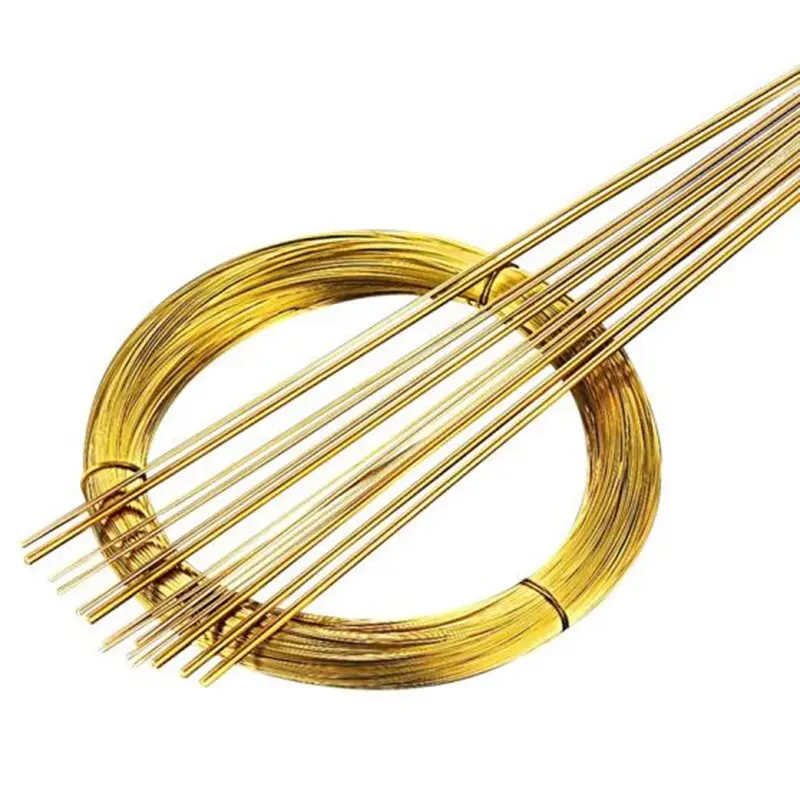
China Welding Brass Brazing Rod For HVAC System Manufacturer, Factories

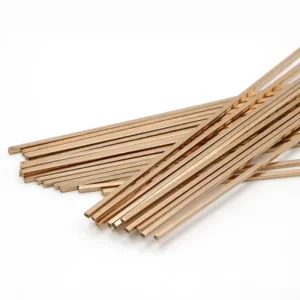
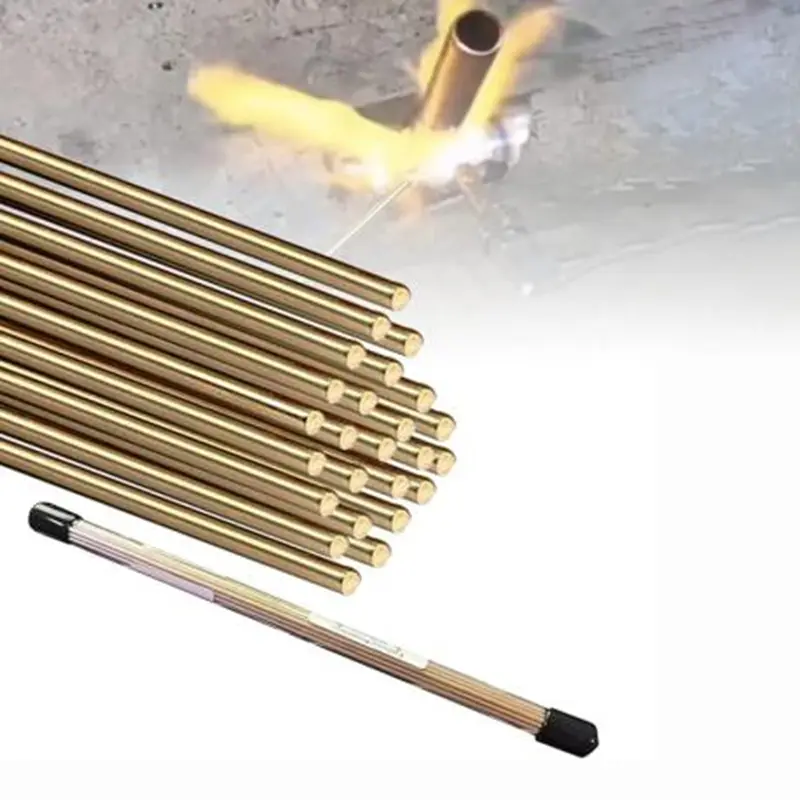
Brazing Alloy is an air self-brazing solder with moderate melting point, good fluidity, low price and other characteristics. It is easy to operate by flame, induction, furnace brazing and other methods, with high joint strength and good conductivity. It is used for welding copper and copper alloy parts and is widely used in air conditioning, refrigeration, electrical appliances and instrument manufacturing industries.

Product Description

Definition

Brass brazing alloy is a welding material with copper (Cu) as the basic component and an appropriate amount of zinc (Zn) added to form a brass body. In some specific brass brazing alloy formulas, it may also contain a small amount of other auxiliary elements, such as tin (Sn), lead (Pb), aluminum (Al), etc. The addition of these elements can further optimize the various properties of the alloy to better meet the needs of different brazing scenarios.

Material

Cu, Zn, Sn, Pb, Al

Advantages

Moderate melting point & excellent fluidity

It can quickly fill the weld gap to ensure that the weld joint is dense and defect-free; at the same time, the alloy layer formed after welding has excellent tensile strength and corrosion resistance, and is suitable for dissimilar material connections of various metals such as copper, steel, and cast iron.

Easy to operate

Efficient operation can be achieved by cooperating with conventional brazing process, and the workpiece surface is smooth after welding without complicated post-processing.

Good strength and hardness

After brazing, it can ensure that the connected parts have a certain ability to withstand external forces, which is convenient for processing during the brazing operation and can ensure that the joints after welding have sufficient wear resistance.

Good corrosion resistance

The parts brazed together can maintain good performance under different environmental conditions and extend their service life.

High Cost-effectiveness

The brass brazing rod is affordably priced. While ensuring welding quality, it effectively controls costs.

Application Scope

  • In the field of mechanical manufacturing, it is often used to connect various mechanical parts to ensure the stability of the overall structure of mechanical equipment;
  • In the electronic equipment manufacturing industry, it can be used to connect some precision electronic components to ensure the stability of circuit connections;
  • In the field of architectural decoration, it is also used to connect some metal decorative components, etc., to achieve beautiful and firm connections.

Product Parameters

Standard Item Alloy Chemical Composition
ISO24373 Cu4641 CuZn40SnSi Cu:58.0~62.0 | Al:0.01 | Fe:0.2 | Mn:0.3 | Ni:~ | P~
Pb:0.03 | Si:0.1~0.5 | Sn:1.0 | Zn:bal. | Other:0.2
GB/T9460 SCu6810A CuZn40SnSi Cu:58.0~62.0 | Al:max 0.01 | Fe:max 0.2 | Mn:max 0.3 | Ni:~ | P~ | Pb:max 0.03 | Si:0.1~0.5 | Sn:max 1.0
Zn:bal. | Other:max 0.2
BS EN14640 SCu6810 CuZn40SnSi Cu:58.0~62.0 | Al:0.01 | Fe:0.2 | Mn:0.3 | Ni:~ | P~
Pb:0.03 | Si:0.1~0.5 | Sn:1.0 | Zn:bal. | Other:0.2
DIN 1733 2.0366 SG-CuZn40SnSi Cu:58.0~62.0 | Al:max 0.01 | Fe:max 0.2
Mn:max 0.3 | Ni:~ | P~ | Pb:max 0.03 | Si:0.1~0.5 | Sn:max 1.0 | Zn:bal. | Other:max 0.2

Product Size

1.5mm (0.059”)
2.0mm (0.079”)
2.5mm (0.098”)
3.0mm (0.118”)
4.0mm (0.157”)
5.0mm (0.197”)
6.0mm (0.236”)
8.0mm (0.315”)

Note: All sizes are standard, other sizes can be produced according to customer requirements.

Photos

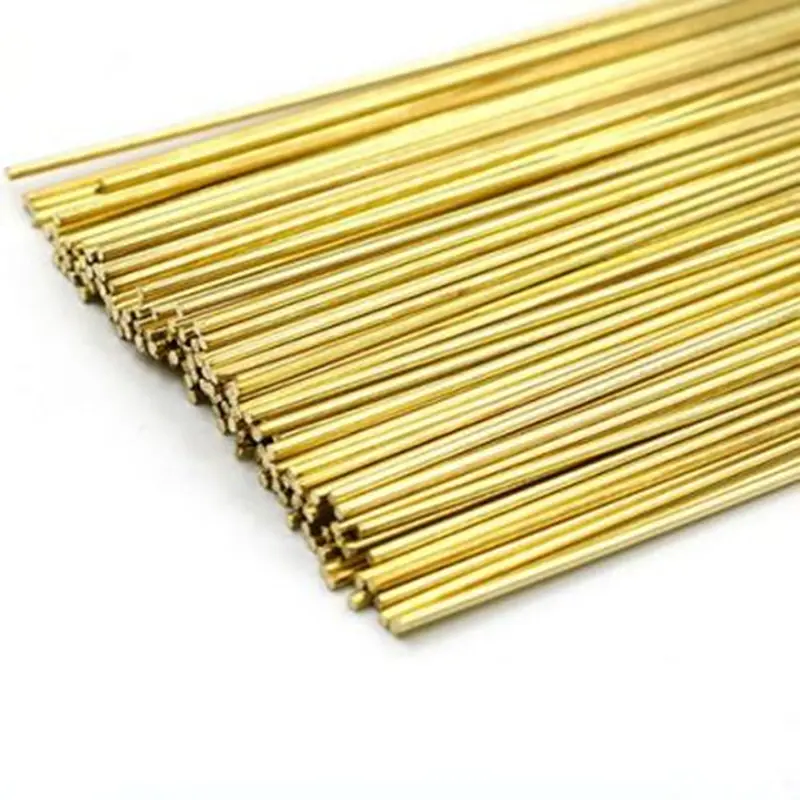
Brass brazing alloy (1)
Brass brazing alloy (2)
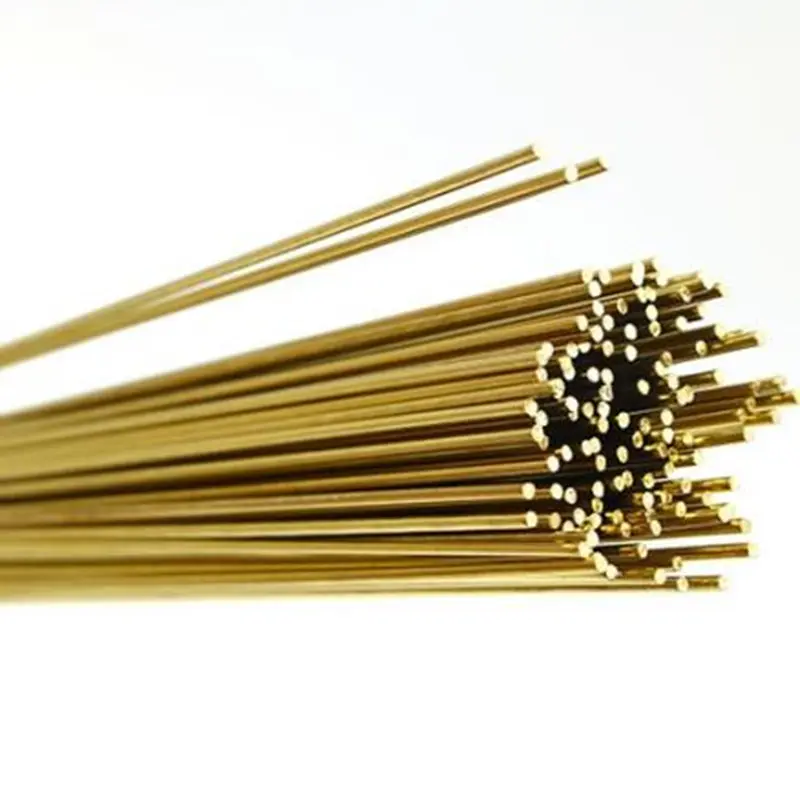
Brass brazing alloy (3)
Brass brazing alloy (4)
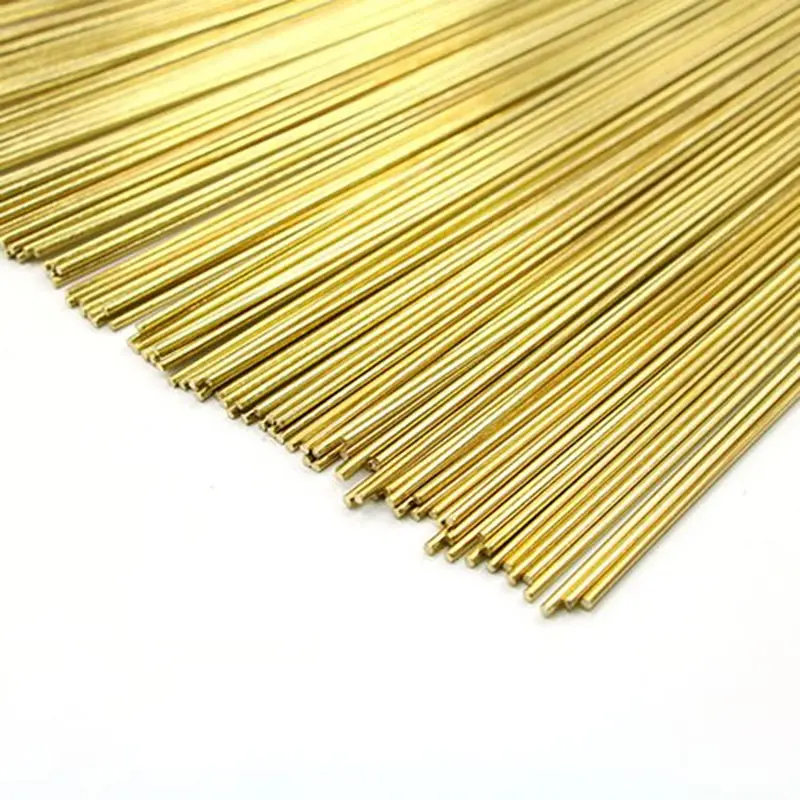
Brass brazing alloy (5)

In general, brass brazing alloy is such an alloy material with diverse composition, excellent performance, good brazing characteristics and wide application, playing an indispensable role in the connection process of many industries.

Certificates

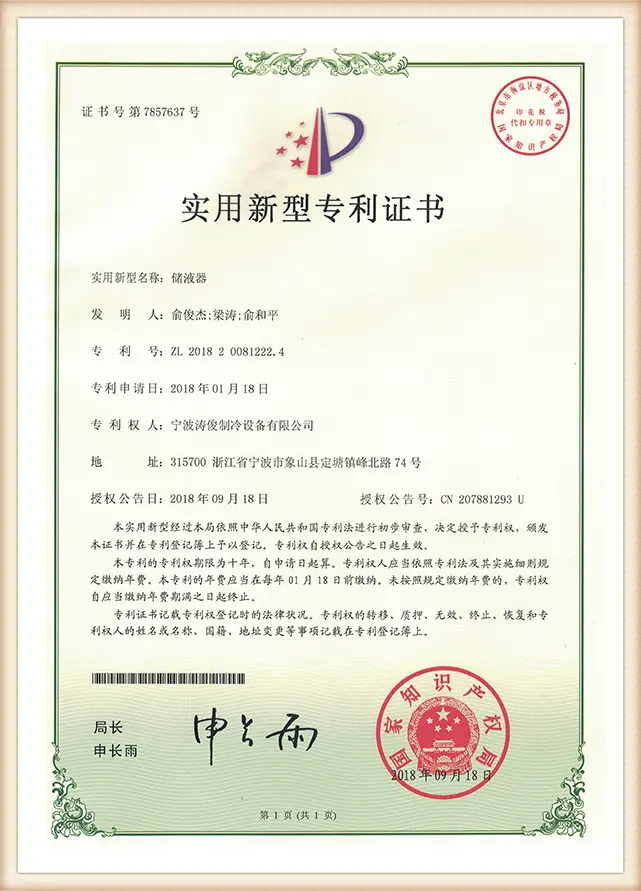
patent-5
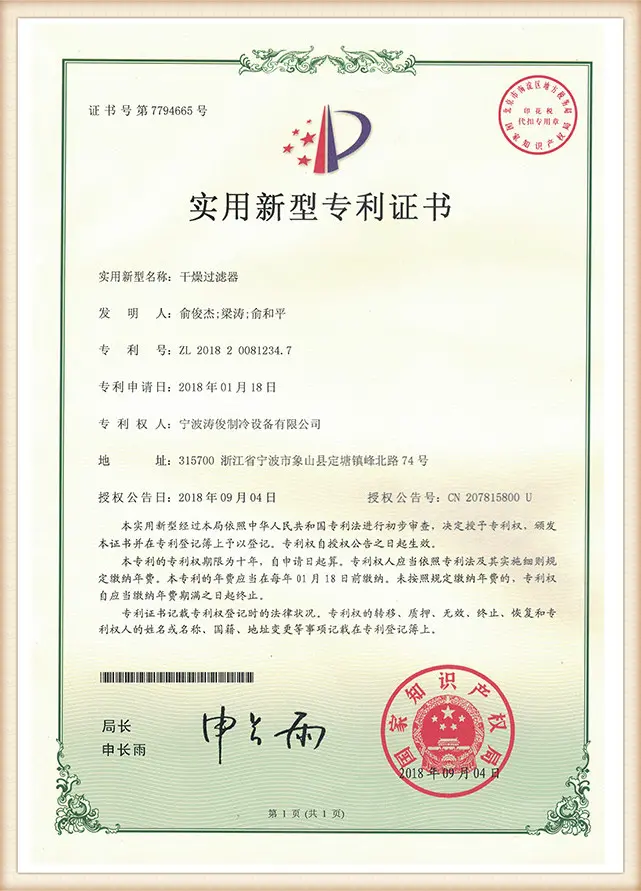
patent-2
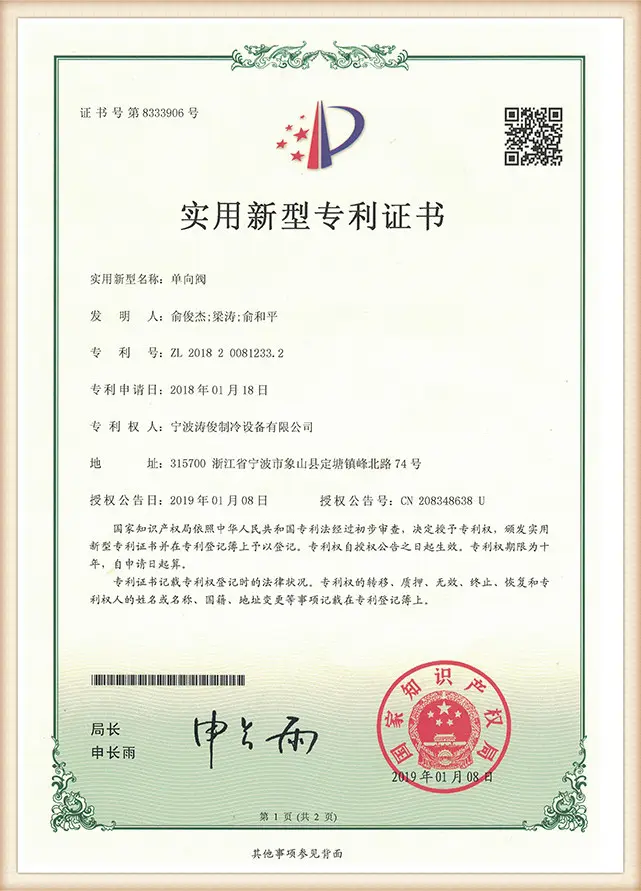
patent-4
patnet-1
patnet-3
product-why-choose-us

Frequently Asked Questions (FAQ)

What is the composition of brass brazing alloy?
Brass brazing alloy primarily consists of copper (Cu) as the base metal and zinc (Zn) to form the brass structure. It can also contain small amounts of other elements like tin (Sn), lead (Pb), and aluminum (Al) to enhance performance.
What are the main advantages of using brass brazing rods?
It offers a moderate melting point with excellent fluidity, easy operation, high joint strength and hardness, excellent corrosion resistance under varying environmental conditions, and is highly cost-effective.
Which materials can be joined using this alloy?
Brass brazing alloys are suitable for joining various dissimilar metals, including copper, steel, cast iron, and other compatible metallic structures.
What are the typical applications of brass brazing alloy?
It is widely used in mechanical manufacturing for structural stability, electronic equipment manufacturing to connect precision components, and architectural decoration for secure metal connections.
Are custom sizes available for brass brazing rods?
Yes, while standard sizes range from 1.5mm to 8.0mm, custom dimensions can be manufactured based on specific customer design and project requirements.

Related Products