 Taojun
1 / 3
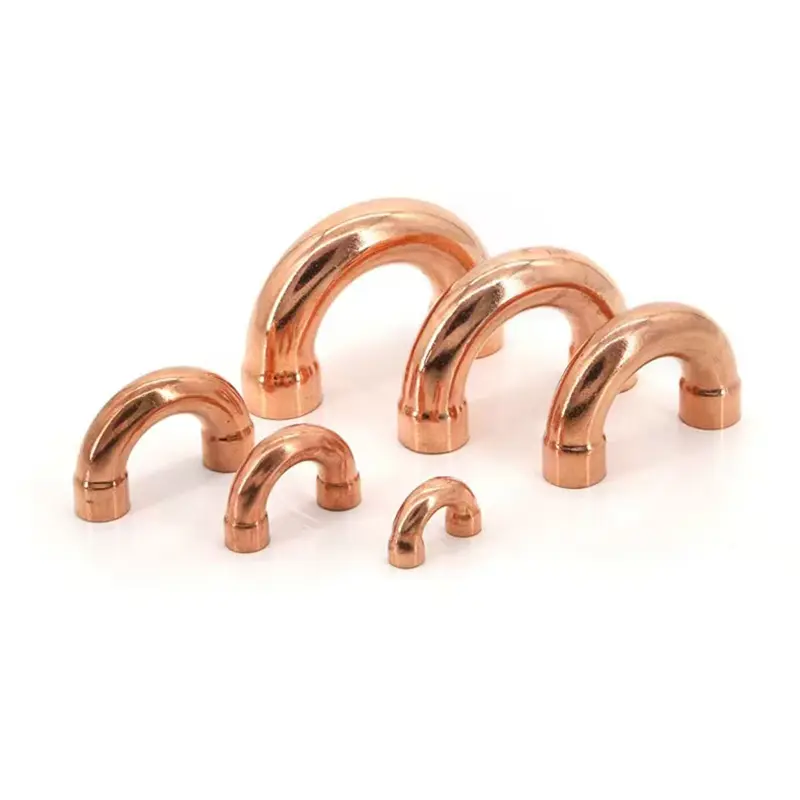
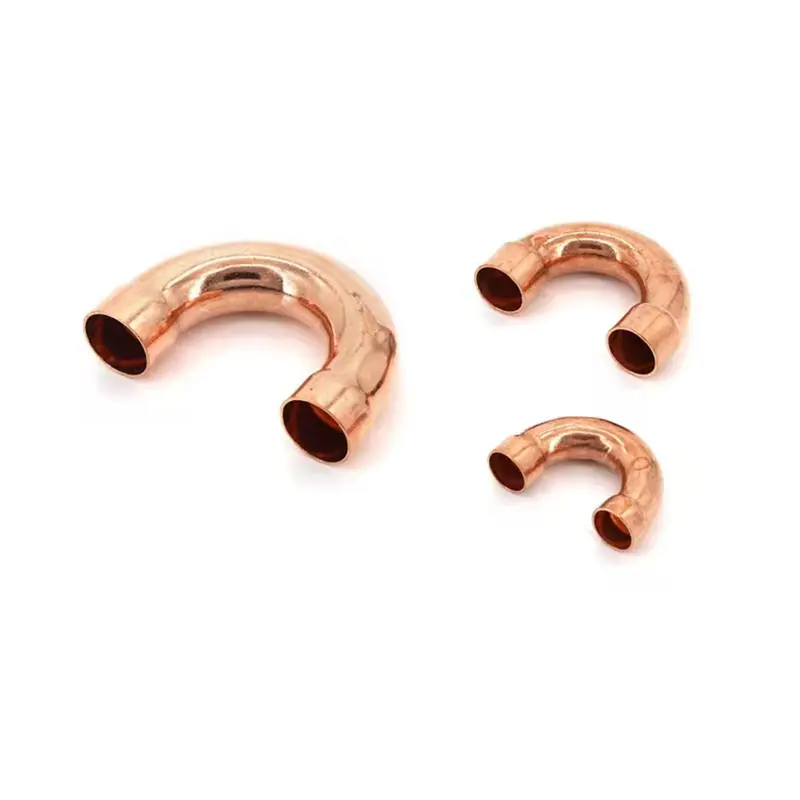
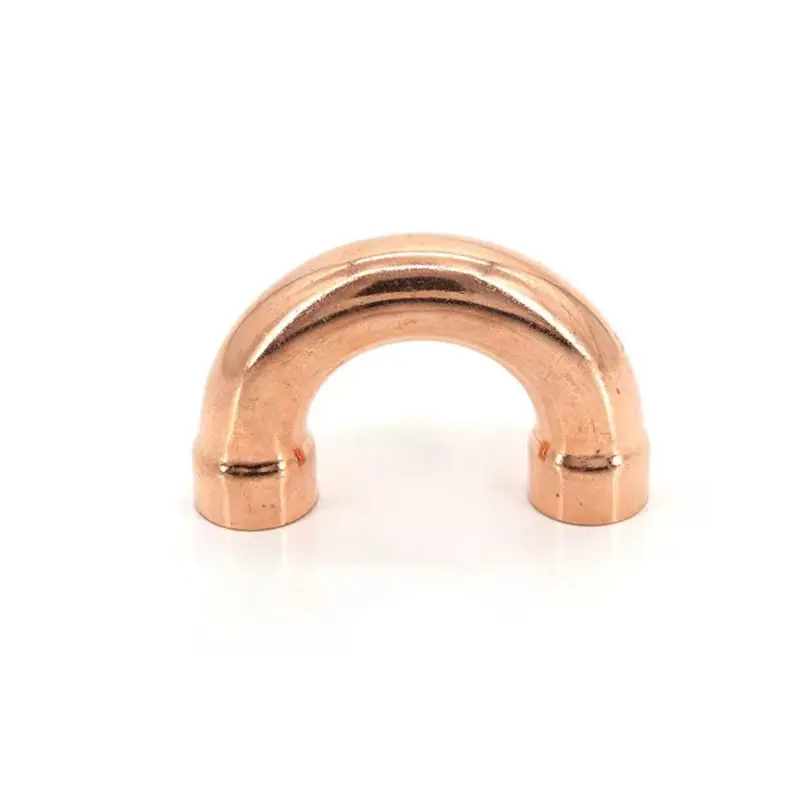
Through special pipe bending equipment, the red copper pipe is bent at room temperature. This process can well maintain the original properties of the red copper and is suitable for red copper U-bends with smaller pipe diameters and mass production.
For red copper U-bends with larger pipe diameters or higher requirements for bending accuracy, the hot bending process is usually adopted. First, the red copper pipe is heated to make it have a certain plasticity, and then it is bent and formed on the mold. The U-bend after hot bending has good shape accuracy and mechanical properties.
The U-shaped structure forms a liquid seal effect, effectively preventing refrigerant leakage.
The U-shaped pipe mainly plays the important functions of draining water, preventing odor, and protecting equipment.
The U-shaped pipe is mainly used for cable protection and temperature control.
Used in chemical and food processing industries to transport various liquid or gas media to meet production requirements.
Cold bending is performed at room temperature and is ideal for maintaining the original properties of smaller diameter copper tubes. Hot bending involves heating the copper pipe to increase plasticity, making it suitable for larger diameters or applications requiring high bending accuracy.
In refrigeration systems, the U-shaped structure forms a natural liquid seal effect, which effectively blocks and prevents refrigerant leakage, ensuring system efficiency.
In plumbing systems, the U-shaped pipe plays critical roles in draining water efficiently, creating a barrier to prevent odors from escaping, and protecting overall system equipment.
In electrical systems, red copper U-shaped pipes are mainly utilized for reliable cable protection and effective temperature control due to copper's excellent thermal properties.
Yes, they are highly suitable for industrial pipelines, including chemical and food processing industries, to safely transport various liquid or gaseous media according to strict production requirements.
Red copper U-bends are widely applied across refrigeration systems for liquid seals, plumbing systems for drainage and odor control, electrical systems for cable protection and temperature control, as well as industrial pipelines for chemical and food processing applications.