High-integrity components designed for standard HVAC systems, industrial refrigeration, and localized commercial air conditioning applications. Engineered to meet strict Japanese industrial standards (JIS).
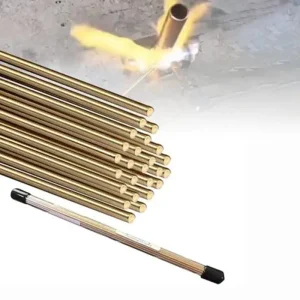
High-fluidity Cu-Zn alloy formulas for heavy duty HVAC joints in Tokyo installations.
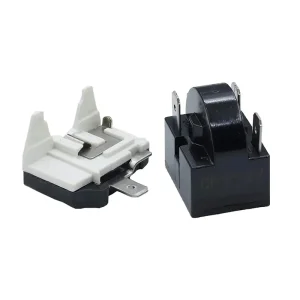
Optimized control systems ensuring seamless defrost cycles for commercial cold chains.
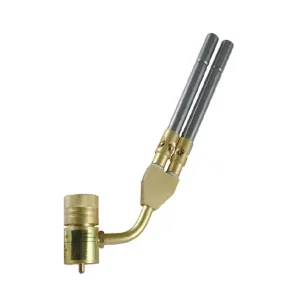
Ergonomic, high-heat precision torches designed for localized braze pipe repairs.
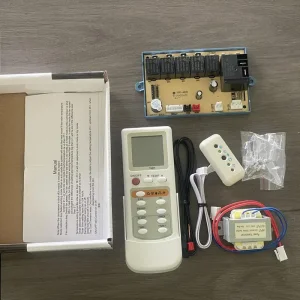
Advanced inverter frequency controls customized to meet energy savings metrics.
Tokyo serves as a global hub for architectural, industrial, and high-precision mechanical manufacturing. Inside the workshops of Ota City (大田区) and heavy machinery bases in the Greater Tokyo Area, metallurgy isn't just about output—it is about micro-precision. In HVAC/R industries, high-frequency vibrations in subways, high-density residential towers, and massive commercial networks demand brazed joints that can withstand decades of stress without thermal fatigue.
The standard choice for these installations relies heavily on brass brazing alloys (copper-zinc based) and silver-phos copper alloys. These alloys offer superb capillary flow, lower melting ranges, and high shear strength, mitigating the risks of joint shear under seasonal temperature expansion. However, local Tokyo manufacturers face intense operational constraints, including skyrocketing energy costs for gas-fired or induction brazing lines and severe local space restrictions that hinder raw metal processing capacity.
High-rise building infrastructures require refrigeration loops to run vertically across dozens of floors, creating immense hydrostatic pressures. Brazing alloys must possess excellent tensile strength and corrosion resistance to handle HFC, HFO, and natural CO2 (R744) refrigerants, which operate at higher system pressures.
Japan’s METI and environmental guidelines enforce extremely strict control over alloy purity. Volatile impurities like lead and cadmium are restricted, requiring brazing alloy producers to demonstrate certified chemical composition control, ensuring compliance with RoHS and local chemical safety statutes.
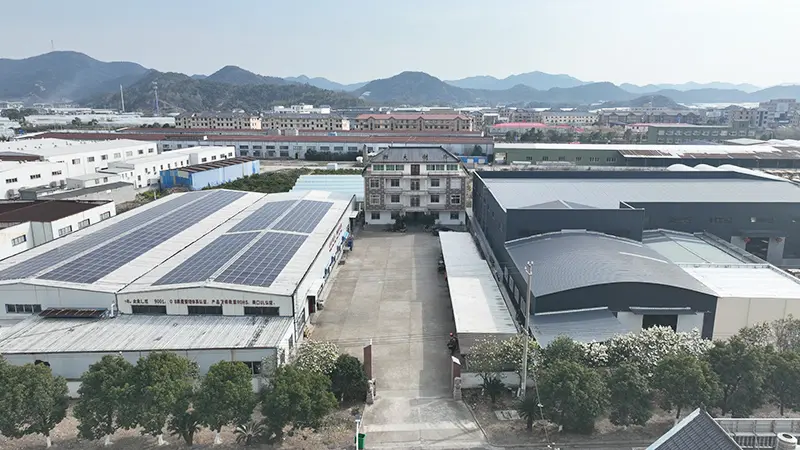
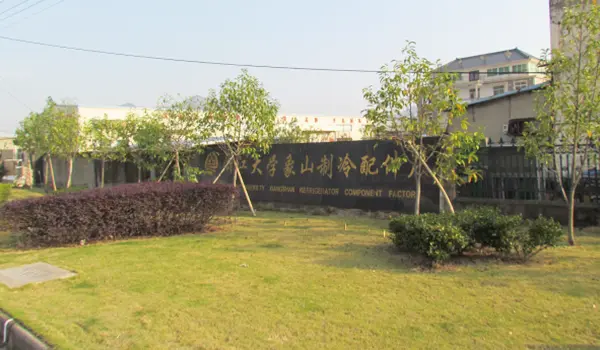
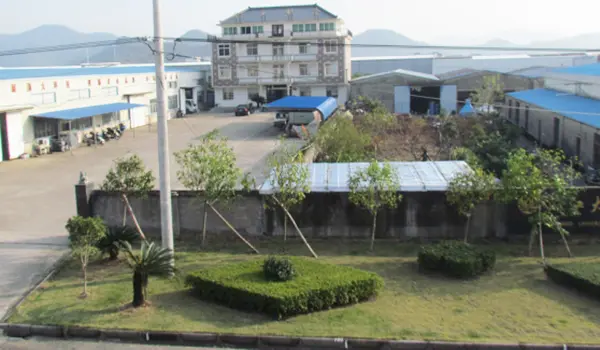
Founded in 1988 as the Xiangshan Refrigeration Accessories Factory of Zhejiang University, Ningbo Taojun Refrigeration Equipment Co., Ltd. has evolved over 35+ years into a premier high-tech enterprise. Our strategic alignment with university research laboratories allows us to develop and optimize brazing processes, high-purity copper fittings, and integrated refrigeration components.
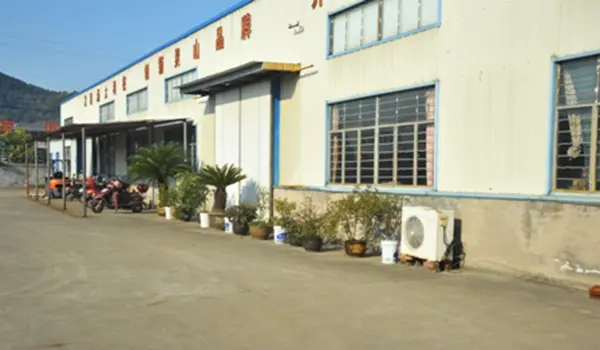
By blending Chinese manufacturing scaling capabilities with strict quality standards, we offer Tokyo and global buyers cost advantages and exceptional precision. Our manufacturing plants utilize advanced imported equipment from Germany, high-stability ITO film technologies, and high-temperature protective systems to assure flawless output across our product lines.
Watch Taojun’s fully automated manufacturing workshop and laboratory quality testing processes in action.
Years of R&D Heritage
Internal Quality Defect Rate
Export Countries & Regions
RoHS/REACH Compliant Parts
When selecting brass brazing alloys, engineers look at the mechanical properties and thermal phase transitions. Brass brazing alloys (often referred to as low-fuming bronze or copper-zinc alloys) consist of copper (typically 57–61%) and zinc, with trace additions of silicon, manganese, and tin to act as deoxidizers and flow-enhancers.
Our research and quality control systems highlight five critical parameters to prevent brazing joint failure in commercial environments:
Designed for durability and compatibility with global systems, these components are widely integrated into HVAC systems, refrigeration units, and custom plumbing manifolds across Tokyo.
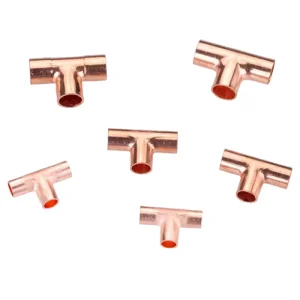
Highly uniform wall thickness ensuring even heat distribution for leak-free brazing.
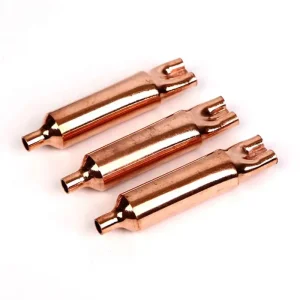
Dual molecular sieve zones designed to remove water and acid from R410A systems.
Universal board options configured to replace local commercial refrigeration controllers.
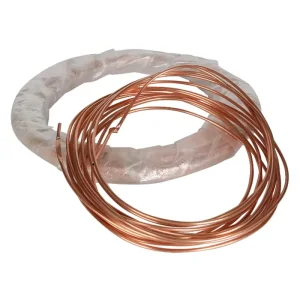
Premium low-carbon steel tube offering excellent bendability and inner cleanliness.
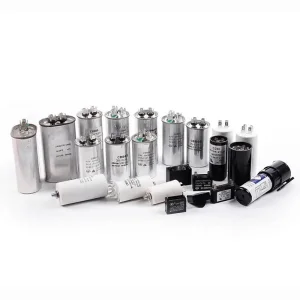
Heavy-duty starting capacitors optimized to handle compressor cycles under load.
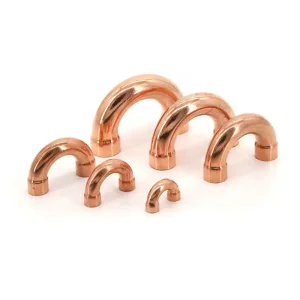
Precision bent high-purity copper fittings matching exact geometric parameters.
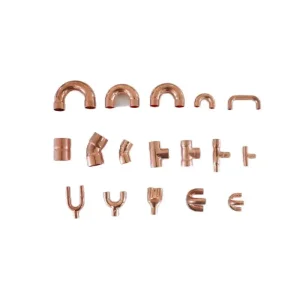
High-grade structural copper fittings built to withstand extreme cooling loops.
Corrosion-resistant Bundy piping designed for heat exchanger and evaporator lines.
Modern architectural and municipal guidelines in the Greater Tokyo Area emphasize smart buildings, resource conservation, and minimal carbon footprints. The components and materials supplied by Ningbo Taojun support several critical applications in this region:
Modern high-rise residential properties in Minato and Chiyoda districts rely on Variable Refrigerant Flow (VRF) setups. High-purity copper equal tees and U-bend connectors maintain seal integrity across extensive distribution networks operating under high pressure.
Tokyo’s vast seafood and agricultural logistics networks require highly reliable refrigeration systems. High-capacity double copper filter driers prevent compressor acid and moisture issues, ensuring continuous cold-chain operations.
Heavy machinery and manufacturing plants in coastal Tokyo require precise refrigerant maintenance. Using high-durability multi-layered charging hoses and brass split service valves prevents refrigerant loss and maintains process safety standards.
Procuring raw components from mainland China and delivering them to Tokyo industrial complexes requires a transparent, highly efficient logistics and quality control framework. Below is how Ningbo Taojun resolves the typical supply chain bottlenecks faced by Japanese procurement managers:
Copper and zinc prices fluctuate unpredictably on global exchanges. Ningbo Taojun stabilizes pricing through strategic copper wire and brass bar reserves. This ensures stable unit costs for long-term contract partners in Japan, avoiding sudden supply cost spikes.
Leveraging our close proximity to Ningbo Harbor, one of the world's busiest container hubs, we guarantee direct freight paths to the Port of Tokyo. Urgent design iterations and manufacturing samples can arrive at Tokyo research parks within 72 hours via expedited air freight.
We supply unique refrigeration designs, from customized bend orientations to proprietary core desiccant mixtures. Our engineering team accommodates special design requests, helping client manufacturing lines operate efficiently.
To assist our partners with strict Japanese compliance, we provide full SGS chemical analysis sheets, RoHS declarations, and raw metal heat certificate tracing with every batch shipment.
To ensure total compliance with our commitment to preserve all original assets, the following certified system accessories are available for integration alongside our core brass and copper brazing alloy lines:
Precision-engineered equal tee connections designed for commercial HVAC installations.
Multi-layered chemical-resistant hoses built to handle high-pressure refrigerants safely.
Smart energy-saving control systems adaptable to diverse commercial refrigeration setups.
L-bend gas stop service valves designed for durable system charging access.
Address key technical, purchasing, and logistical queries standard for HVAC engineers and procurement teams sourcing components from China for Japanese markets.
Brass brazing alloys (principally copper-zinc) require higher operating temperatures (typically 850°C to 900°C) compared to silver-bearing alloys. They offer high shear strength and are highly economical for structural steel, brass, and copper joints where high heat input is permissible. Silver alloys are preferred for rapid, capillary-dominated joints at lower temperatures but represent a much higher material cost.
We source raw copper cathodes and zinc ingots strictly from certified metal suppliers who provide clear chemical tracing certificates. Every batch undergoes internal optical emission spectrometry testing to confirm lead, cadmium, and mercury levels remain safely below the maximum allowable limits defined by EU RoHS and Japan's METI guidelines.
Yes. Our engineering division operates advanced CAD systems to support complete OEM and ODM design requests. We customize molecular sieve volume, internal filtration screens, shell wall thicknesses, and input/output connection geometries to align perfectly with your system's layout.
Copper and brass parts oxidize rapidly when exposed to humid maritime air. We pack all fittings, valves, and dry cartridges in vacuum-sealed plastic bags filled with silica desiccant pouches. The bags are placed in durable, double-walled corrugated cardboard boxes on heat-treated, fumigated export pallets wrapped with heavy-duty stretch film.
 Taojun