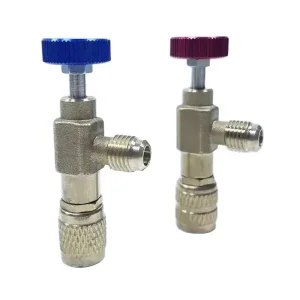
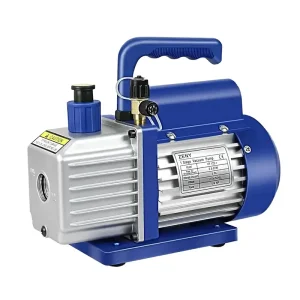
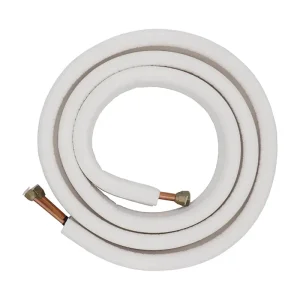
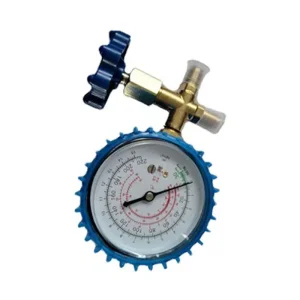
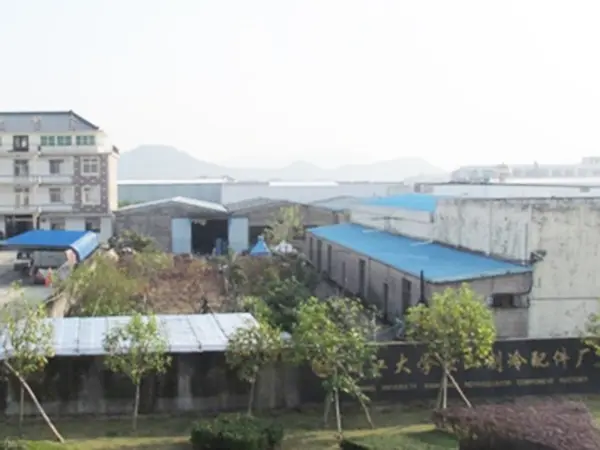
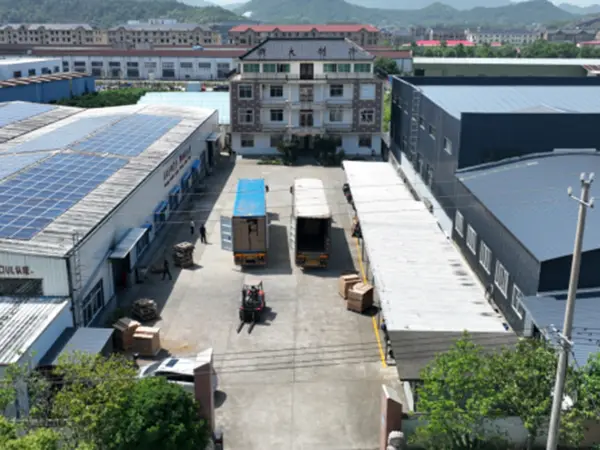
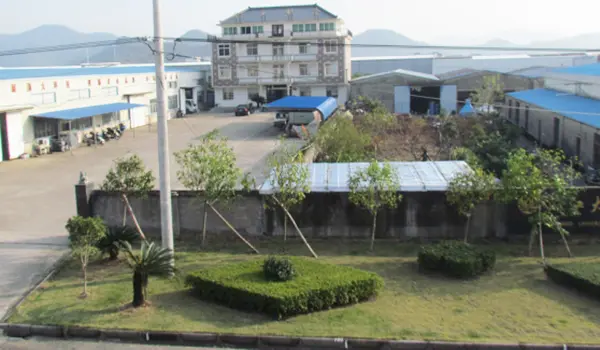
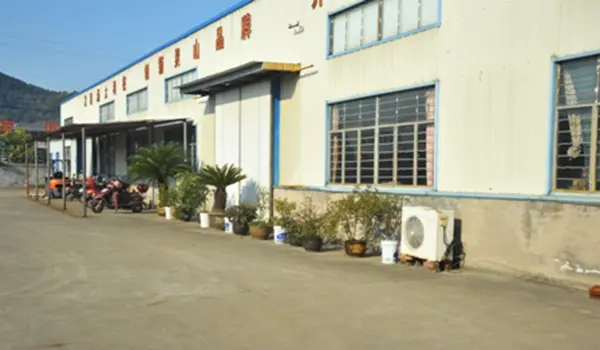
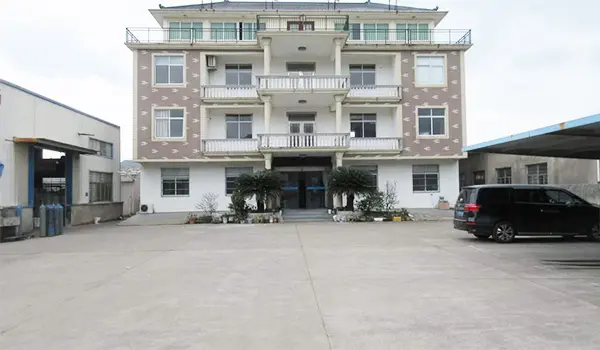
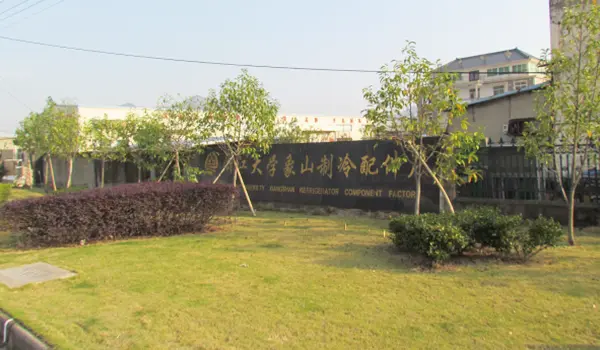
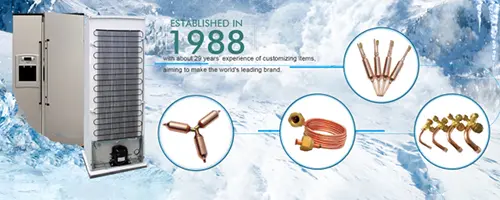
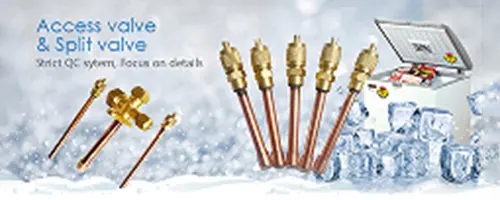
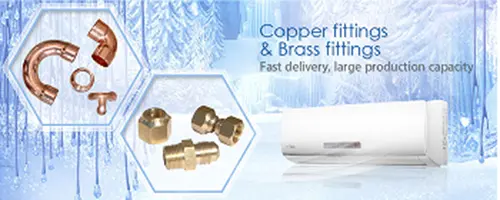
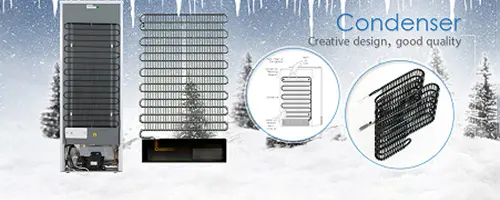
Established in 1988 as the Xiangshan Refrigeration Accessories Factory of Zhejiang University, Ningbo Taojun Refrigeration Equipment Co., Ltd. has developed over more than three decades into a leading domestic and global force in thermodynamic system accessory manufacturing. With strategic alignment near Ningbo Port, our enterprise specializes in designing, processing, and manufacturing critical refrigeration components, including copper filter driers, check valves, air conditioning service valves, custom condensers, high-precision brass fittings, and ancillary system products.
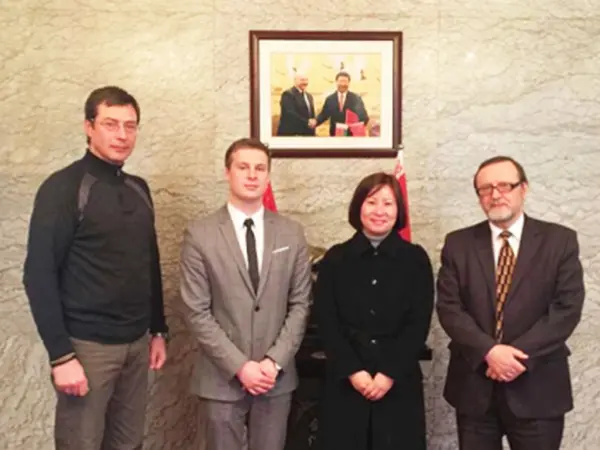
In 2021, Taojun was recognized as a National High-Tech Enterprise, solidifying our reputation for continuous process and equipment iteration. Operating under our premium proprietary brand "Lingshan" and the global marketing trademark "Taojun", we maintain a complete loop of design, laboratory verification, high-precision testing, and lean distribution. Our operational metrics have positioned us as a core supplier for renowned domestic and multinational refrigeration brands such as Haier, Xinfei, Midea, Gree, Whirlpool, Electrolux, and Huarui.
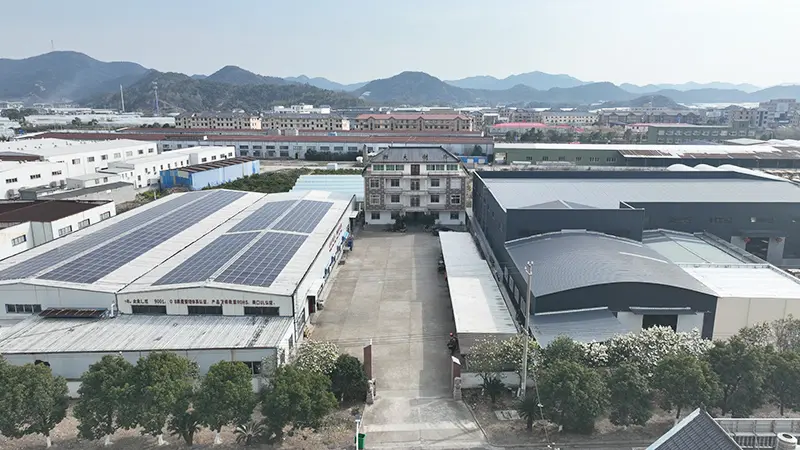
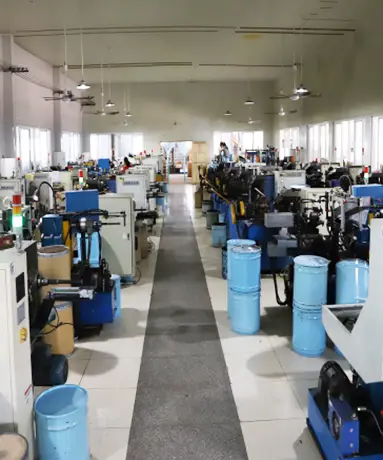
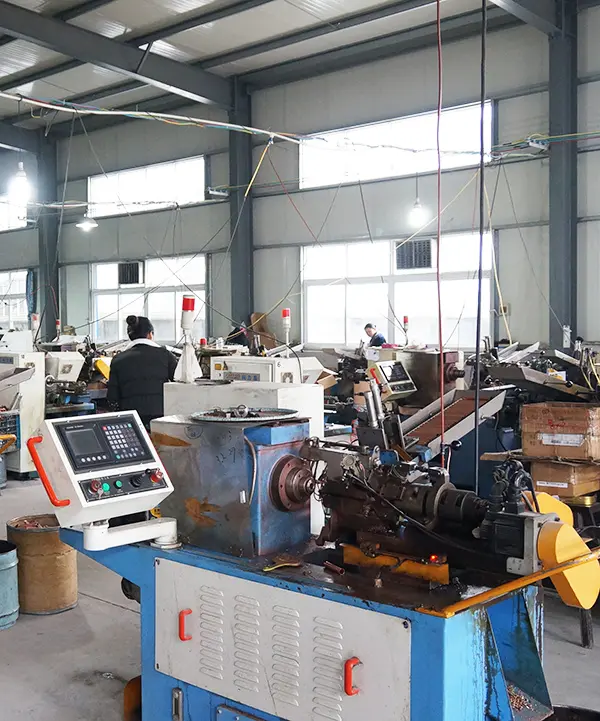
Our production lines employ automated mechanical systems alongside specialized helium mass spectrometry leak detectors. This process integration ensures that every batch of filter driers, whether targeted for sub-zero commercial applications or residential air conditioners, delivers consistent performance in sealing integrity, moisture retention, and pressure safety.
Through partnership with Zhejiang University, we bridge materials science and fluid mechanics. This research foundation enables us to address refrigeration challenges such as the compatibility of modern synthetic lubricants (POE, PAG) with eco-friendly refrigerants (R32, R290), preventing issues like capillary tube blockage and internal system corrosion.
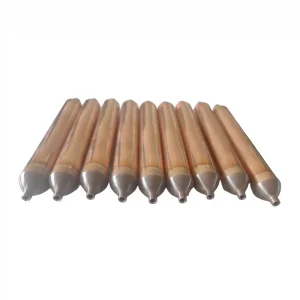
In modern vapor-compression refrigeration loops, the filter drier acts as a critical protective component. It is engineered to perform two main functions: filtering particulate contaminants and absorbing trace moisture and acidic compounds that can degrade compressor performance.
Constructed from high-purity C12200 phosphorus-deoxidized copper pipes. This material offers high burst-pressure tolerance, thermal transfer resistance, and oxidation protection under harsh environmental conditions.
Utilizes a 3A Molecular Sieve blend with an active adsorption capacity ≥20%. The 3-angstrom pore design selectively captures water molecules (2.6Å) while excluding refrigerant gases (such as R134a or R410A) to prevent co-adsorption.
Integrates progressive micro-fiber filter meshes with an activated carbon layer to catch metallic copper shavings, brazing oxides, and compressor wear debris down to 25 microns.
Engineering Note: Operating fluid contaminants generate hydrofluoric and hydrochloric acids when combined with moisture at high discharge temperatures. Taojun's copper filter driers neutralize these acids, protecting the enamel wiring of the compressor motor from chemical breakdown.
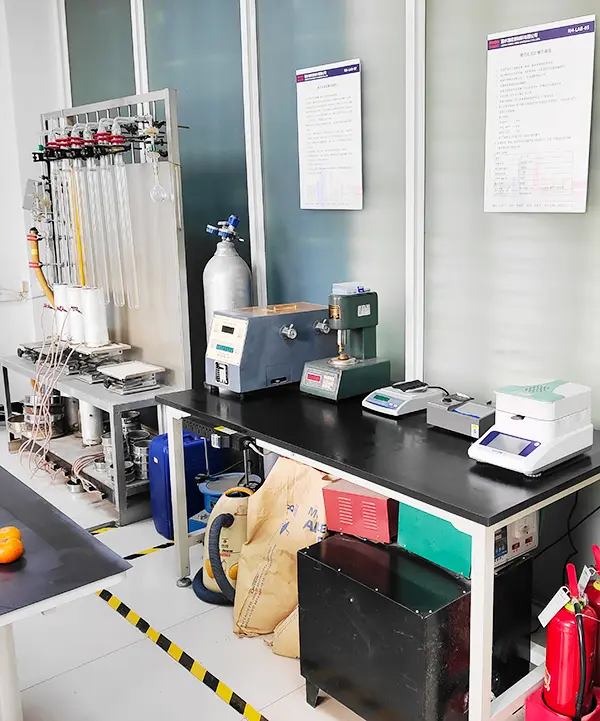
To maintain quality standards across high-volume production, we utilize advanced testing protocols in our standard lab:
Every production run undergoes a rigorous test regime: high and low-temperature testing from 75°C down to -35°C for 500 hours; thermal shock cycles from 10°C to 90°C within 30 minutes; damp heat exposure for 500 hours; and 100V electrical breakdown tests. The moisture level within the desiccant is verified through oven drying and weight change analysis, maintaining low PPM moisture values before vacuum packaging.
The global HVAC industry is adapting to new environmental standards. The transition from HCFCs (like R22) to low-GWP HFCs (such as R32) and natural hydrocarbons (like R290 Propane) has changed the requirements for refrigeration system accessories.
Under the Kigali Amendment, refrigeration components must operate at higher pressures and with synthetic lubricants (such as POE/PAG). Synthetic lubricants are highly hygroscopic, absorbing moisture far more rapidly than mineral oils. This increases the risk of system hydrolysis, which can create acids that damage compressor motor windings. As a result, filter driers require higher chemical stability, larger desiccant capacities, and mechanical sealing to prevent refrigerant leakage in flammable R290 installations.
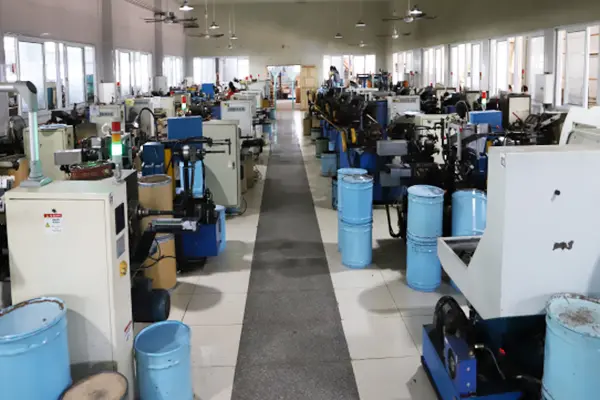
For industrial buyers and procurement officers, selecting an HVAC filter drier partner involves verifying compliance and manufacturing capabilities. Key procurement criteria include:
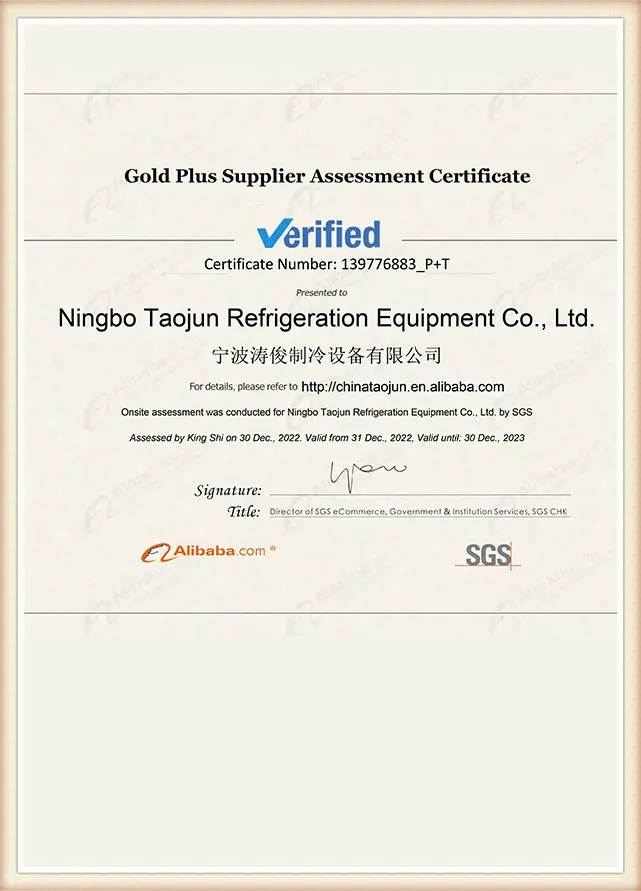
Certification to standards like ISO 9001, CE, UL, and RoHS is required to ensure products comply with local environmental and safety directives in Europe and North America.
The ability to customize copper thickness, inlet/outlet configurations, and desiccant weight (such as 10g, 15g, or 20g) helps match specific system specifications.
Sufficient production capacity, flexible MOQs, and integrated shipping services near shipping terminals like Ningbo Port help reduce transit times and shipping costs.
Ningbo Taojun maintains strict quality control at every stage of production. From verifying incoming C12200 copper alloy tubing to the final leak testing of filter assemblies, our processes are designed to meet international manufacturing standards.
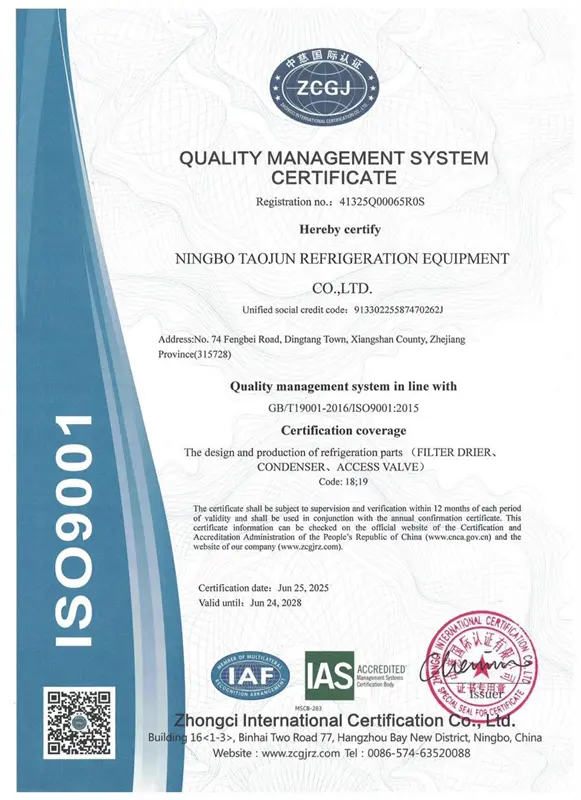
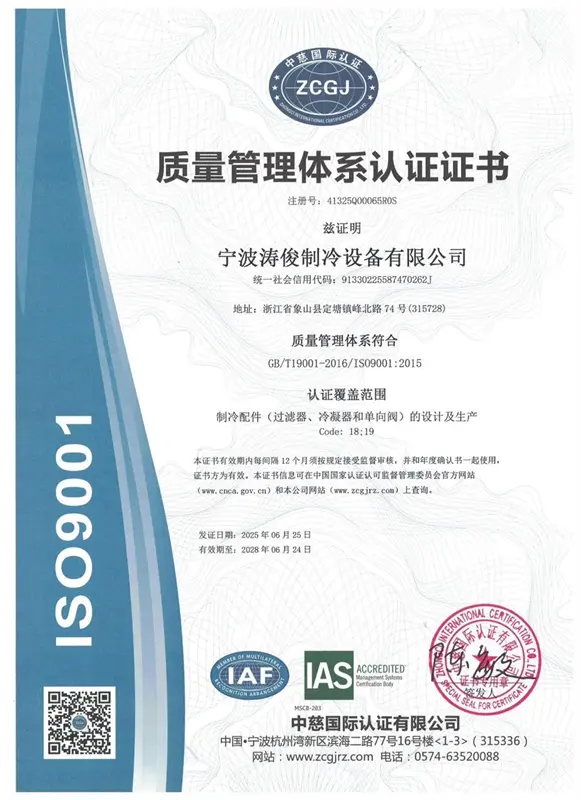
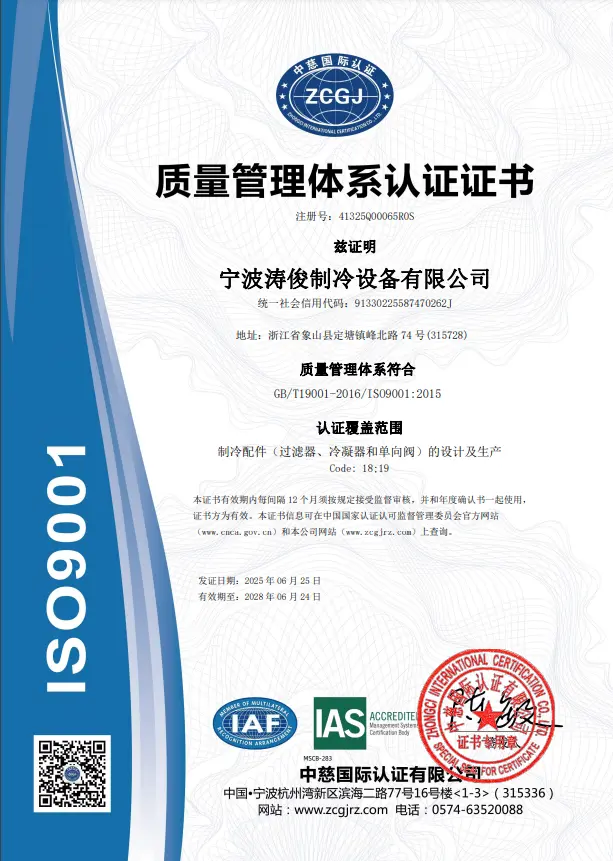
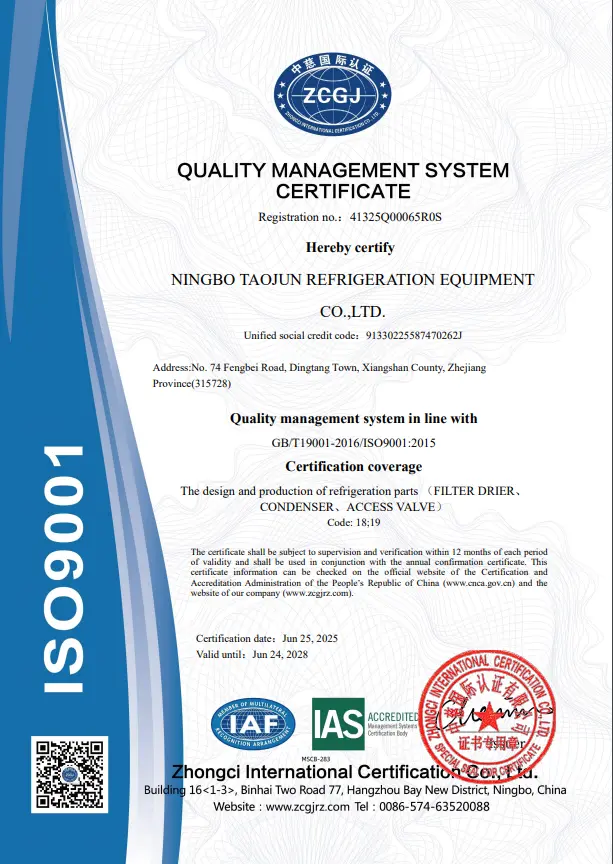
Our facility operates under the GB/T19001-2016 / ISO9001:2015 quality standard (Registration No.: 41325Q00065R0S). This certification covers the design, manufacturing, and supply of copper filter driers, condensers, access valves, and related refrigeration components. All registration credentials can be verified through the CNCA database (www.cnca.gov.cn).
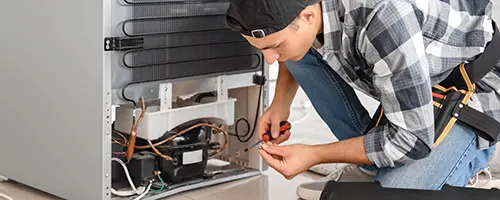
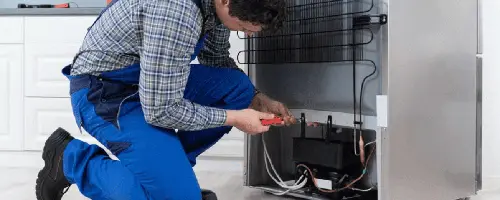
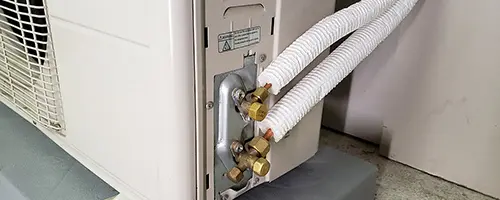
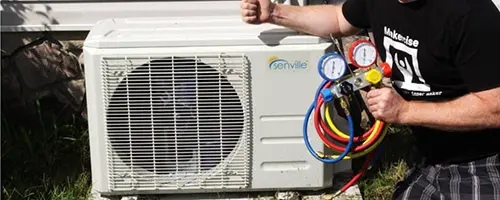
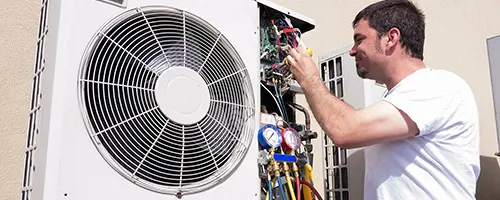
Our filtration and piping components are used across a range of refrigeration and air conditioning systems:

As environmental standards evolve, Taojun is focusing its R&D efforts on key technology developments:
1. Advanced Composite Desiccants: We are testing composite desiccant cores that combine synthetic molecular sieves with activated alumina. This formulation is designed to capture organic acids, moisture, and oil degradation products in POE/PAG systems.
2. Microchannel Filtration Systems: Modern microchannel heat exchangers require precise particulate filtration. We are developing fine-mesh filter layers down to 15 microns to protect these systems from clogging.
3. Direct-Robot Welding Lines: We are integrating automated welding and vision inspection systems to maintain weld consistency and support sealing integrity across high-volume production.

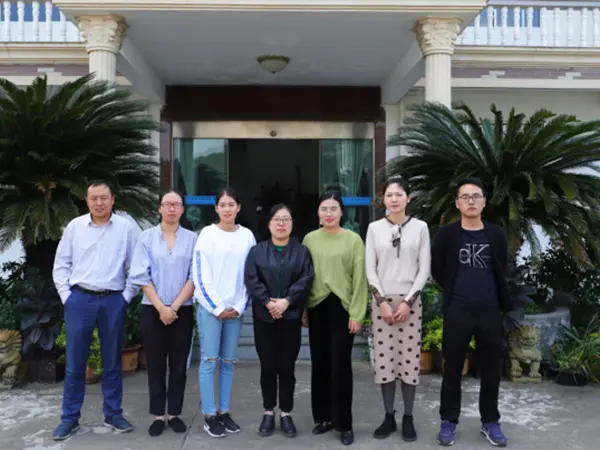
Our company culture is centered on four core values: Honesty, Innovation, Responsibility, and Cooperation. Honesty forms the foundation of our business relationships, while continuous innovation in technology and management supports our competitive position in the industry.
We take responsibility for our products' performance, working to ensure they meet the durability requirements of our customers. Through open cooperation, we integrate resources and align our manufacturing processes with our partners' global supply chains.
Our service structure is designed to support B2B clients through every phase of the project lifecycle:
Pre-Sales Engineering: Our technical team provides component selection support based on system requirements. Technical inquiries are handled with an 8-hour response standard, and our helpline is available 24/7.
After-Sales Support: We offer a one-year warranty on all products, along with access to technical support. Our engineering team assists with system installation, troubleshooting, and equipment performance evaluations.
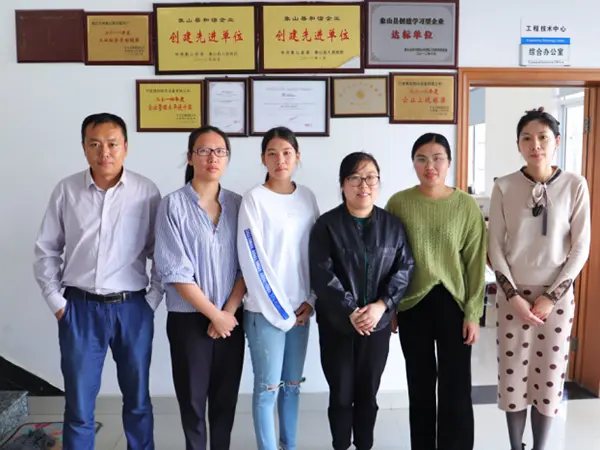
Common technical questions regarding copper filter driers and refrigeration component sourcing.
 Taojun