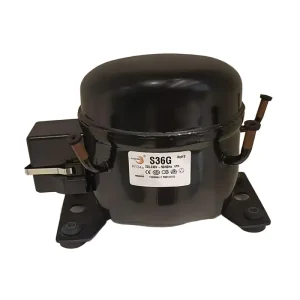
Understanding the engineering guidelines, high-purity materials, and factory benchmarks that define top-tier industrial copper fitting fabrication.
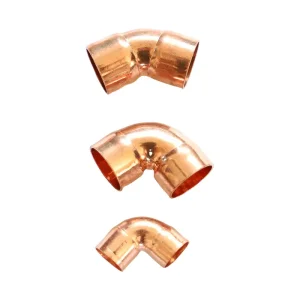
Copper elbows—specifically 90-degree and 45-degree configurations—serve as critical directional junctions in pressurized cooling pipelines. Under the strict guidelines of modern global procurement, choosing the right manufacturer goes beyond comparing price sheets. It requires deep analysis of metallurgical integrity, tolerance limits, compliance with pressure boundaries (such as ASME B16.22 or EN 1254-1), and leak prevention systems.
This whitepaper provides an expert engineering breakdown of the production and sourcing of wholesale copper elbows. We evaluate the capabilities of the top 3 global factory layouts, highlighting how leading facilities combine raw material optimization, precision cold-forming, and advanced quality testing to prevent failure in high-demand environments.
Top-tier manufacturers use C12200 Deoxidized High Phosphorus (DHP) copper, which must contain at least 99.90% Copper (Cu) and a controlled phosphorus range of 0.015% to 0.040%. This chemical composition prevents hydrogen embrittlement during brazing, ensuring strong joint reliability for system components.
| Parameter / Dimension | Standard (ASME B16.22 / EN 1254) | High-Performance OEM Level | Key Testing Metric |
|---|---|---|---|
| Material Grade | ASTM B75 / C12200 DHP | Oxygen-free / High Purity DHP (>99.95%) | Spectrochemical analysis |
| Wall Thickness Tolerance | ± 0.08 mm to 0.15 mm | ± 0.02 mm (High-precision extrusion) | Ultrasonic wall thickness tracking |
| Bending Angle Deviation | ± 1.0 Degree | ± 0.2 Degree (Fully automated CNC) | CCD optical automated measurements |
| Burst Pressure Rating | Calculated Barlow's Formula limit | Up to 3x nominal working pressure (>750 PSI) | Destructive hydraulic burst test |
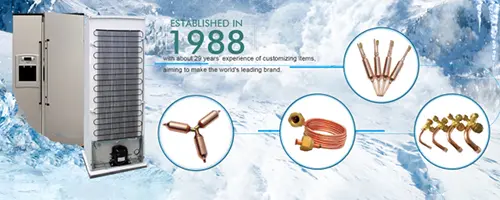
Founded in 1988 — Predecessor: Xiangshan Refrigeration Accessories Factory of Zhejiang University
Ningbo Taojun Refrigeration Equipment Co., Ltd. is located in Xiangshan, Ningbo, a beautiful tourist city. Over more than 35 years of growth, we have transitioned from a specialized research factory into a national high-tech enterprise integrating development, manufacturing, and global sales.
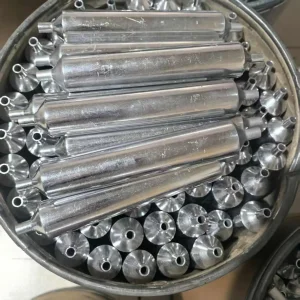
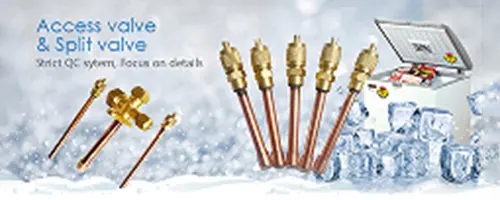
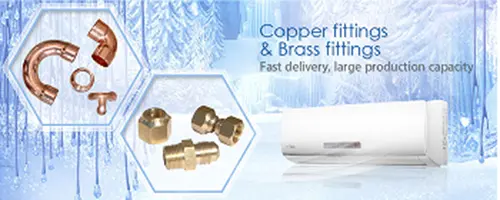
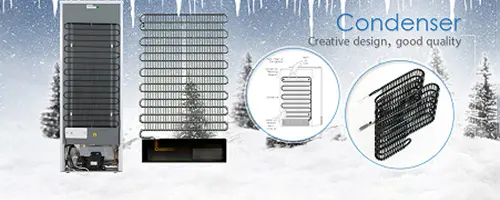
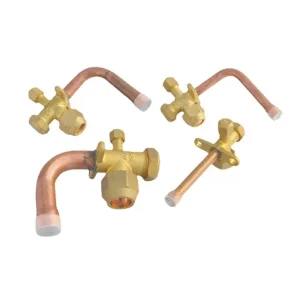
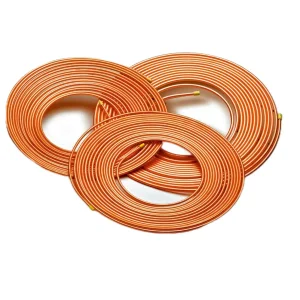
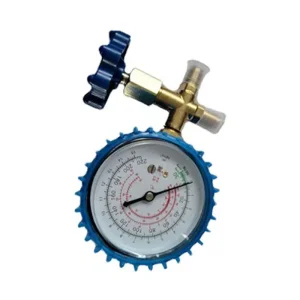
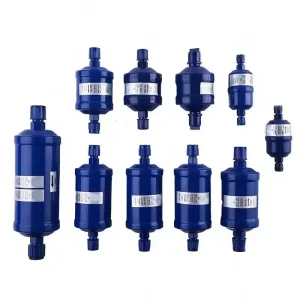
Our core catalog includes high-performance filter driers, check valves, air conditioning service valves, condensers, brass and copper connection accessories, and specialized HVAC layout materials. In 2021, we were officially recognized as a National High-Tech Enterprise, acknowledging our commitment to engineering development and production system optimization.
Why domestic and international OEM brands like Haier, Midea, Gree, and Whirlpool partner with us for critical refrigeration components.
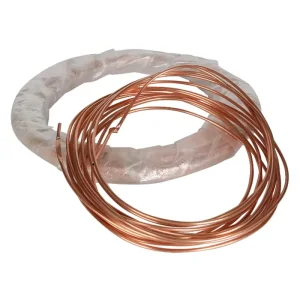
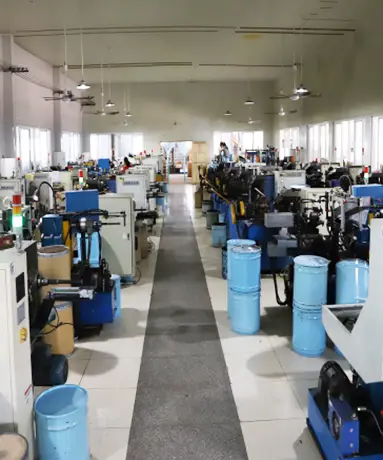
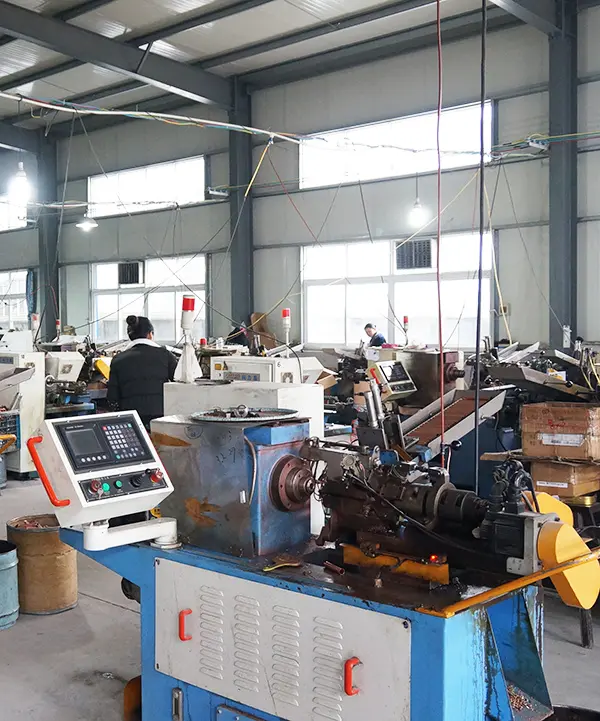
Our core production machinery is imported directly from Germany to guarantee high precision. This tooling allows us to form copper elbow joints and capillary tubes while maintaining consistent wall thickness, even along tight bend radii.
With 15 senior research engineers focused on refrigeration fluid dynamics, we continuously improve structural design. This expert oversight helps minimize pressure drop inside our 90-degree elbows, enhancing overall system efficiency.
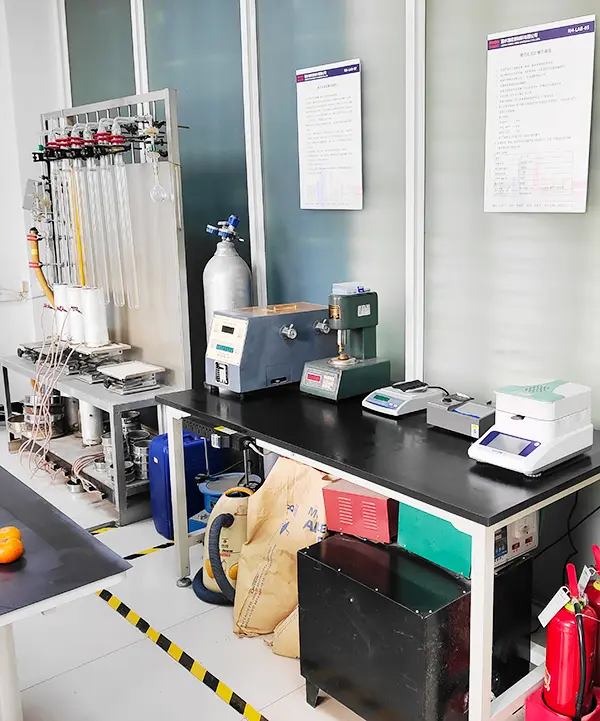
Every piece undergoes pressure testing, including 500-hour environmental chamber testing (-35°C to 75°C), thermal shock sweeps, and high-pressure helium leak checks. This ensures complete reliability under demanding working conditions.
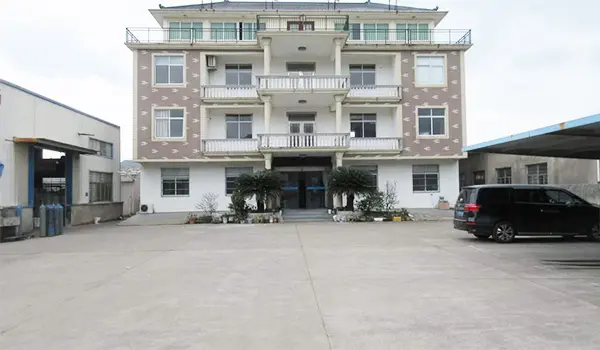
Visual tour of our production facility, certified cleanrooms, and testing labs dedicated to copper connection products.
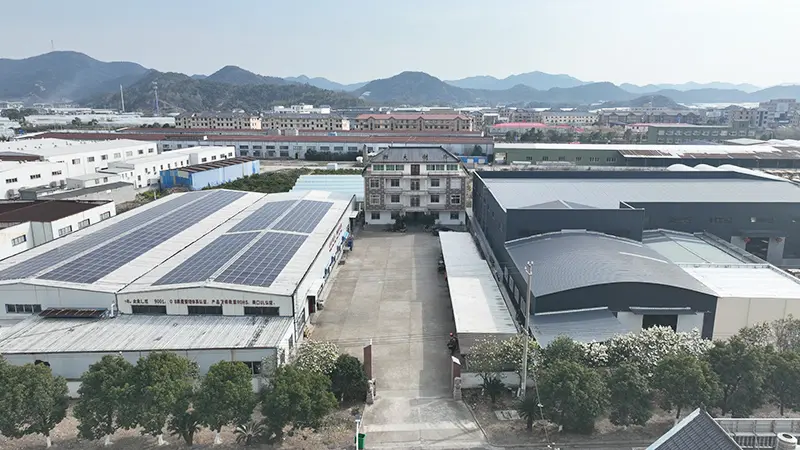
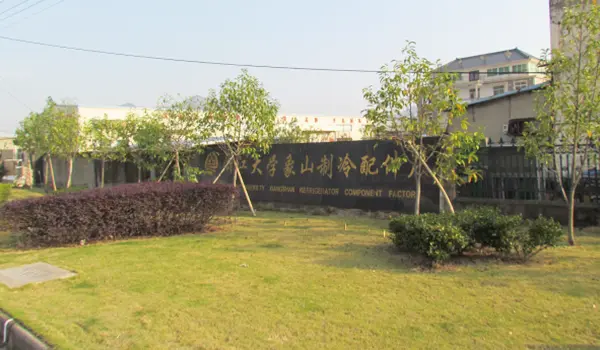
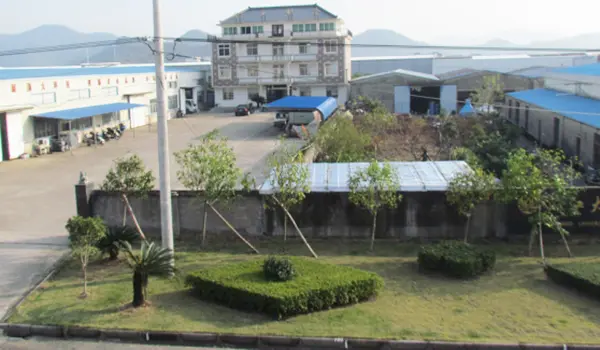
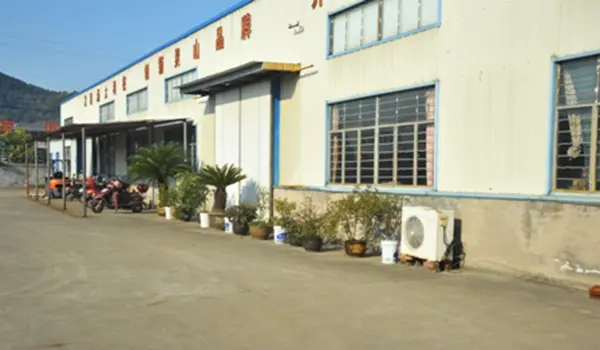
When engineering liquid lines or hot gas bypass assemblies, the 90-degree copper elbow is exposed to high directional momentum and continuous vibration. Understanding structural fatigue points is critical to preventing crack formation at the outer bend radius.
Liquid refrigerant passing through a 90-degree bend causes a localized pressure increase on the outer wall (extrados) and turbulent low-pressure zones along the inner curve (intrados). If a manufacturer uses low-quality copper tubing with inconsistent wall thickness, the tension from bending can create structural weak spots. Taojun's automated CNC rotary draw bending ensures uniform wall thickness across all production runs, preventing thin spots that could compromise joint strength.
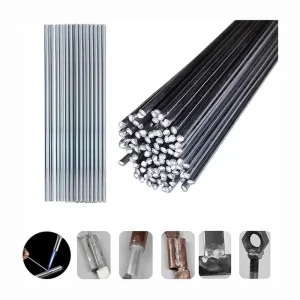
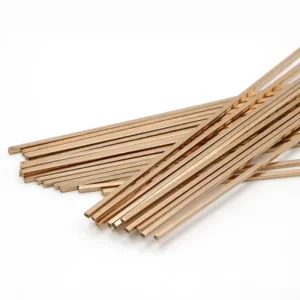
Solder joint reliability depends on proper cup depth and matching clearances. According to ASME B16.22, the gap between the pipe outer diameter and the elbow socket inner diameter should range from 0.05 mm to 0.15 mm. This precise spacing enables capillary action to draw the braze alloy (such as phosphor copper rods) deeply into the joint interface, creating a leak-free bond that stands up to high-pressure environments.
Standard quality control often relies only on simple air-under-water bubble tests. High-performance factories, however, use mass spectrometer helium leak testing to detect micro-pores down to 1x10⁻⁷ mbar·l/s. This automated inspection protects against slow refrigerant leaks that could damage compressor components over time.
Over three decades of precision manufacturing growth and system development.
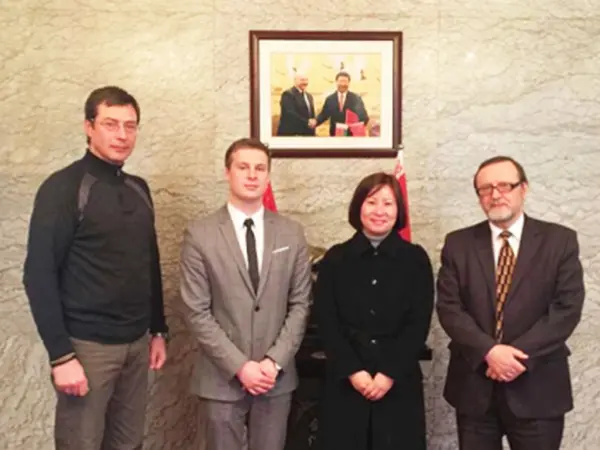
Factory Infrastructure Expansion
Establishment of our dedicated production facilities to support rising regional HVAC demand.
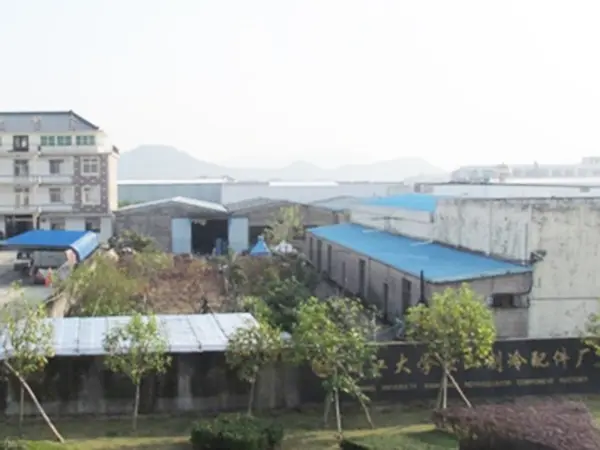
MES Intelligent System
Integration of digital MES systems for real-time tracking of manufacturing and quality metrics.
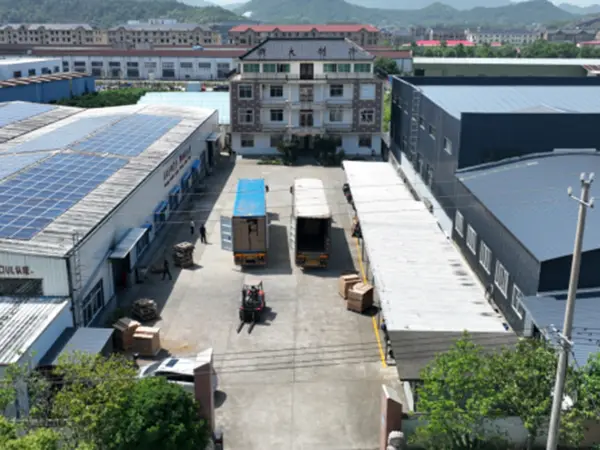
Global Green HVAC Solutions
Automating our production lines to support eco-friendly, low-GWP refrigerant architectures.
Where our premium copper elbows and connection fittings are utilized globally.
Designed for multi-split VRF architectures where variable flow pressures require reliable, leak-free copper elbows.
Thick-walled bends that withstand vibration and thermal expansion in heavy industrial water chillers.
Precision capillary tube connections that ensure uniform coolant delivery in household refrigerators and freezers.
Engineered for cold storage lines using eco-friendly refrigerants like R290 and CO2.
Frequently asked questions and technical clarifications from global procurement teams.
 Taojun