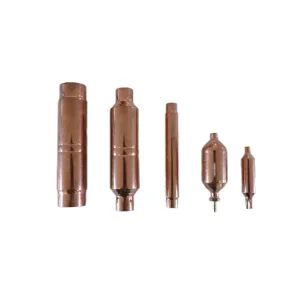
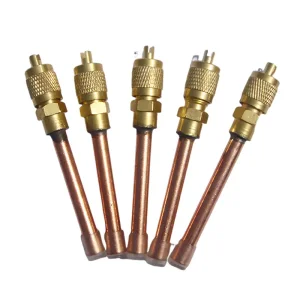
Explore our highly integrated core products engineered to maintain system integrity under extreme environments.
The global HVAC and refrigeration sector is undergoing a profound structural evolution. With the strict enforcement of environmental mandates such as the F-Gas Regulation and the Kigali Amendment, refrigeration components are now subject to unprecedented mechanical pressure and compatibility requirements. Transitioning from legacy HCFCs and HFCs to low-GWP alternatives like R32, R1234yf, and natural refrigerants (R290, CO2) has fundamentally changed system thermodynamics.
Filter driers, the dynamic safety guards of refrigeration systems, must now manage unique oil miscibility profiles, higher operating pressures, and intensified chemical kinetics. Modern desiccant chemistry has shifted from simple moisture absorption to highly target-oriented contamination control, where preventing acidic degradation of synthetic polyolester (POE) and polyvinyl ether (PVE) oils is paramount. This shifts the engineering requirements of HVAC filter driers towards high-integrity structural housings, precise molecular sieve selection, and rigorous quality control protocols.
For global procurement directors, commercial refrigeration developers, and tier-1 HVAC OEM manufacturers, sourcing is no longer just about cost-per-unit. It is an exercise in risk mitigation and system lifetime optimization. High-performing copper filter driers directly minimize system call-backs, prevent premature compressor motor burnout, and assure long-term energy-efficient thermodynamic performance.
Procurement models demand strict alignment with international quality standards. Leading supply chains require certified mechanical reliability (via ISO 9001, UL, CE, and RoHS) coupled with rapid engineering customization (ODM/OEM) capabilities. Companies need high-purity copper housings, robust structural welding, and custom internal desiccant configurations designed specifically to withstand harsh working states without collapsing or releasing dust.
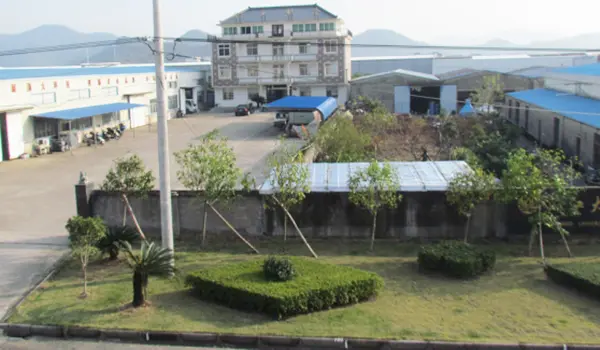
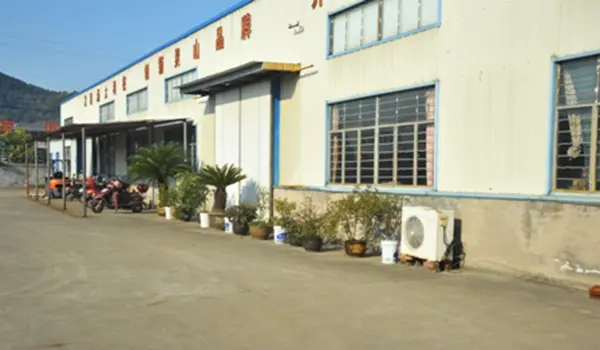
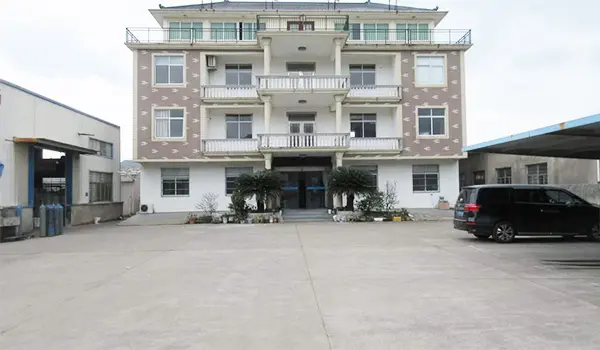
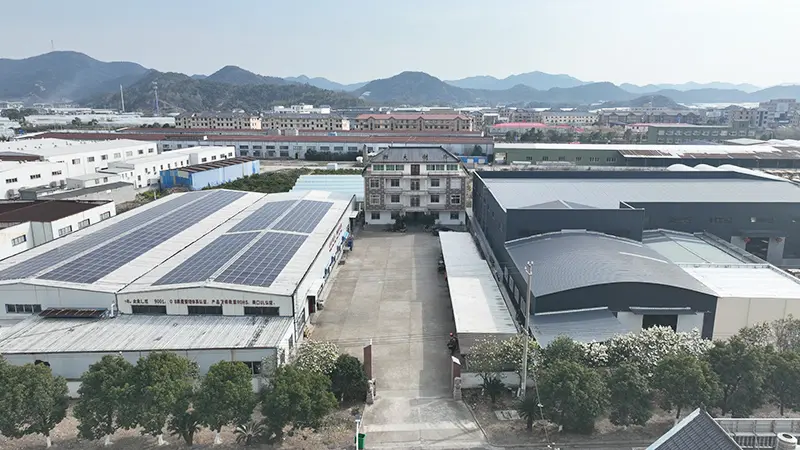
At our Ningbo factory, we have integrated MES intelligent workshop management systems and automated assembly stations. This Industry 4.0 approach bridges the gap between raw copper processing and finalized component packaging, guaranteeing absolute dimension stability and high-purity internal desiccant packaging.
Our core manufacturing equipment is imported directly from Germany to ensure that all copper extrusion, capillary cutting, and brazing occur within close tolerances. Automated CCD visual inspection systems monitor product dimensions while online helium mass spectrometer leak detectors analyze 100% of our products to guarantee zero leakages down to the molecular level. This structural resilience guarantees that our filter driers, stop valves, and copper manifolds survive extreme vibrations and temperature cycles.
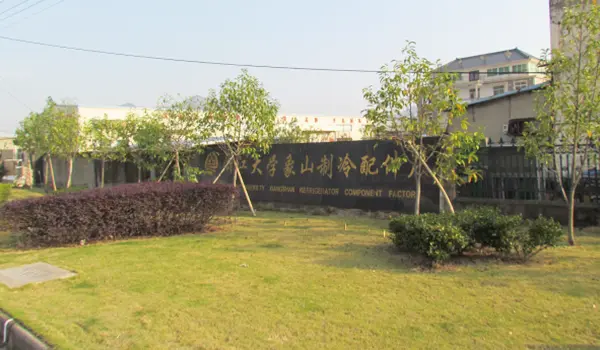
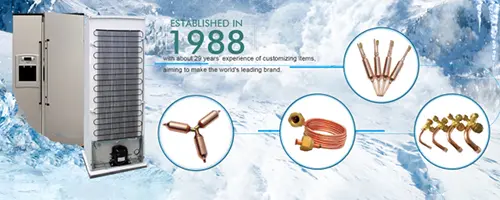
Established in 1988, Ningbo Taojun Refrigeration Equipment Co., Ltd. (formerly Xiangshan Refrigeration Accessories Factory of Zhejiang University) is a national high-tech enterprise committed to top-tier refrigeration components.
For more than three decades, our company has prioritized technological innovation. Through collaborations with elite engineering institutions like the University of Science and Technology of China and Zhejiang University, our R&D center is staffed by 15 senior engineers holding doctorates and professorial credentials. Under our well-known domestic brand "Lingshan", we engineer filters, check valves, condenser systems, and brass accessories designed for global industrial deployment.
We have developed strategic OEM/ODM partnerships with leading appliance conglomerates, including Haier, Midea, Gree, Whirlpool, Electrolux, and Huarui. Our network spans domestic regions and reaches key international markets in North America, Europe, South America, and Southeast Asia.
Our manufacturing processes utilize high-purity inputs and rigorous testing to ensure zero field failures.
Our raw materials are sourced from reliable supply chains: high-purity deoxidized copper tubing, desiccant materials, and high-temp resistant components imported from specialized manufacturers in Japan and Europe to guarantee zero internal contamination.
Finished filter driers undergo thermal shock test cycles (10°C to 90°C), 500-hour damp heat exposures, and dual temperature testing at 75°C and -35°C to confirm stable mechanical joints and desiccant matrix stability.
We maintain full verification records including ISO 9001:2015, GB/T19001-2016, EU RoHS environmental safety directives, and US UL listings, ensuring smooth import clearance for global buyers.
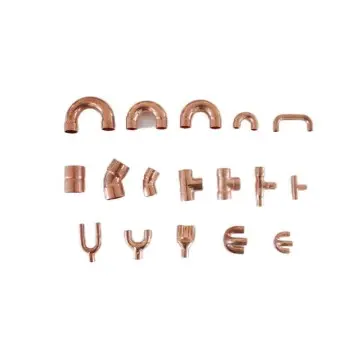
Supported by our MES platform, we accept low-MOQ starting points (500 units) and support complex custom engineering designs with specialized sizing, manifold shapes, and end-connection formats.
Charting a path of continuous manufacturing progress and quality evolution since 1988.
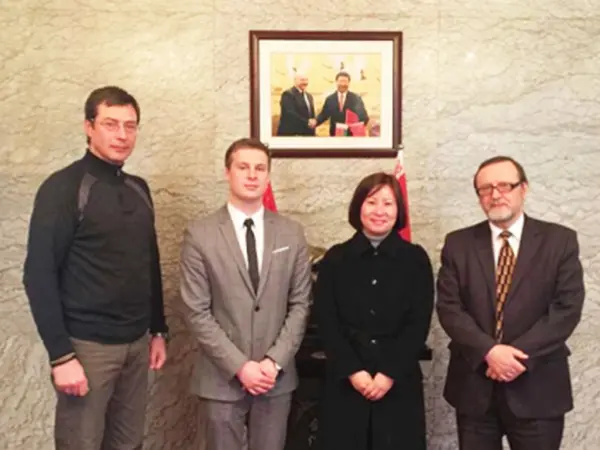
Establishment of original production facilities, setting the foundations for precision copper and refrigeration machining.
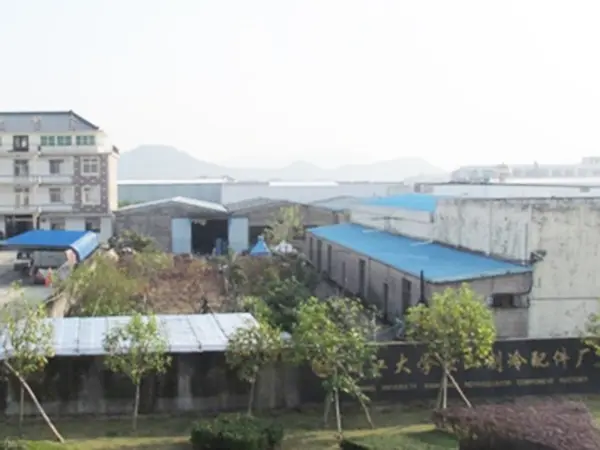
Introduction of the MES workshop management system and robotic brazing cells to improve consistency in volume production.
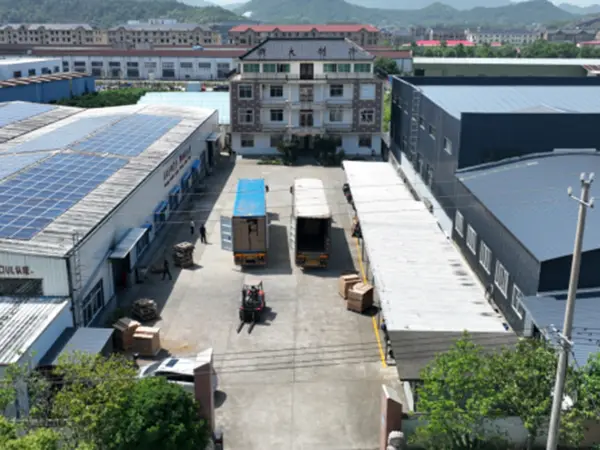
Scale expansions yielding advanced laboratory upgrades, expanded testing ranges, and strategic partnerships with global cooling brands.
Officially registered under GB/T19001-2016/ISO9001:2015 standards for high-performance copper accumulators, condensers, and access valves.
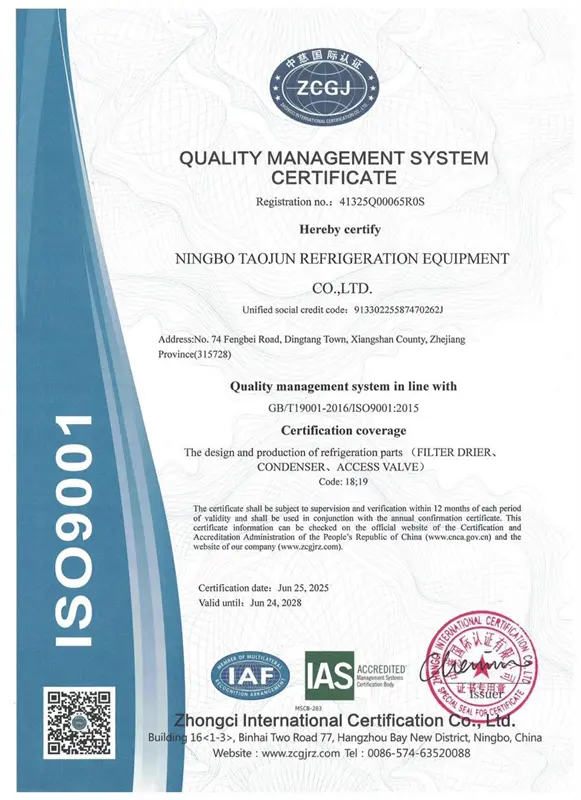
Quality Management Certificate
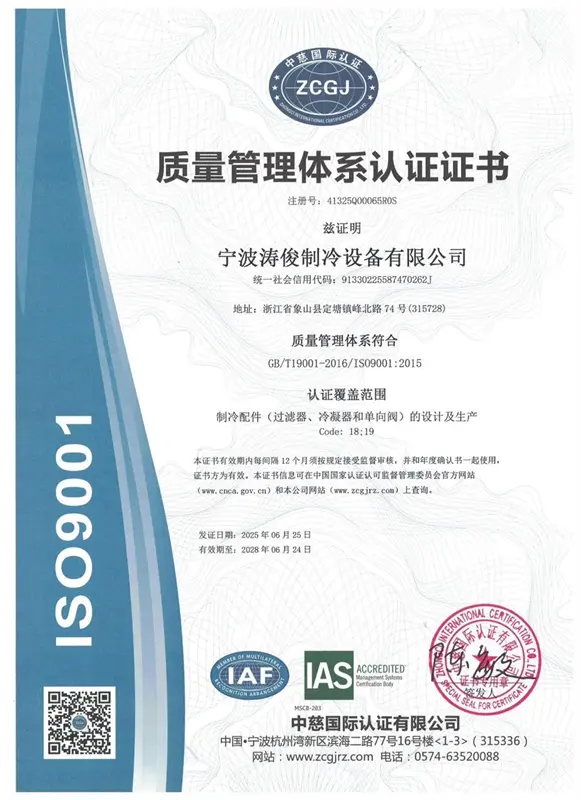
Certified Industrial Scope Verification
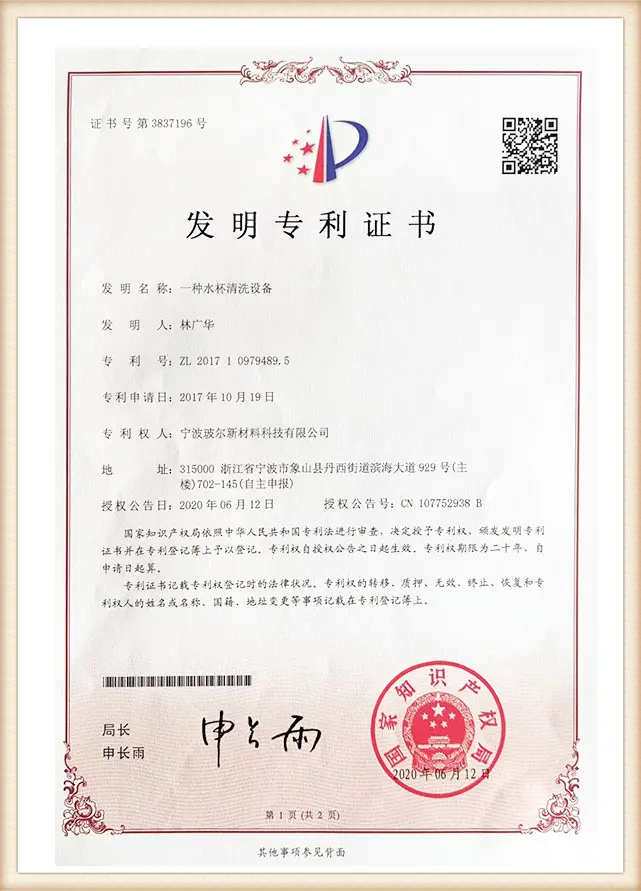
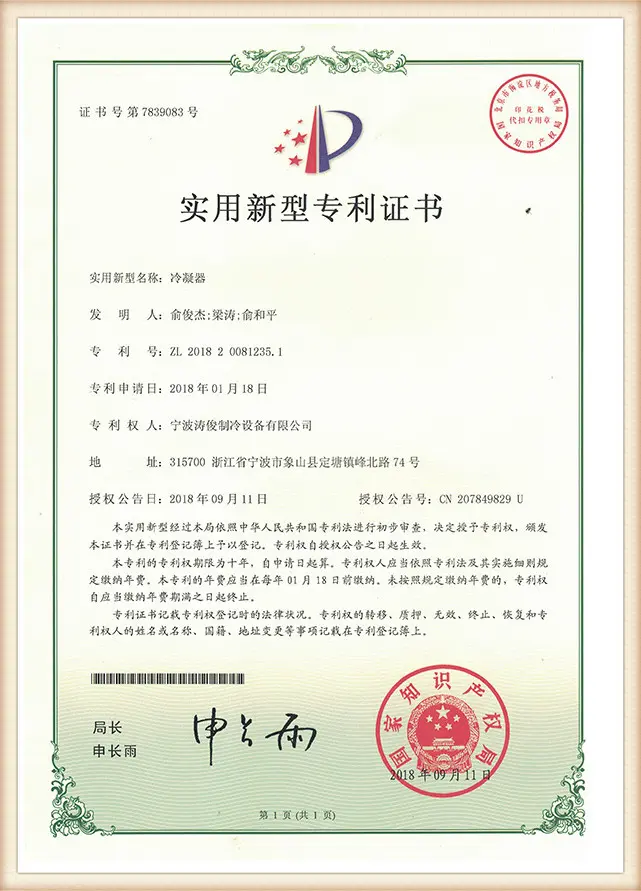
A transparent look inside our industrial workshops and testing facilities.
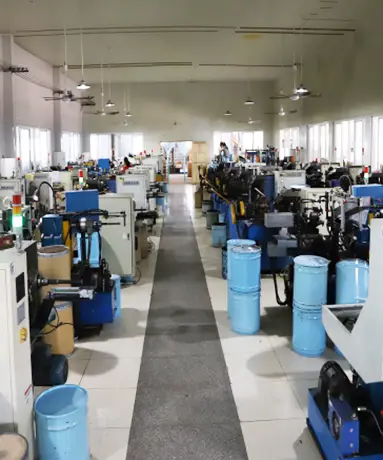
Equipped with high-precision automatic cutting, end-forming, and high-frequency induction brazing systems.
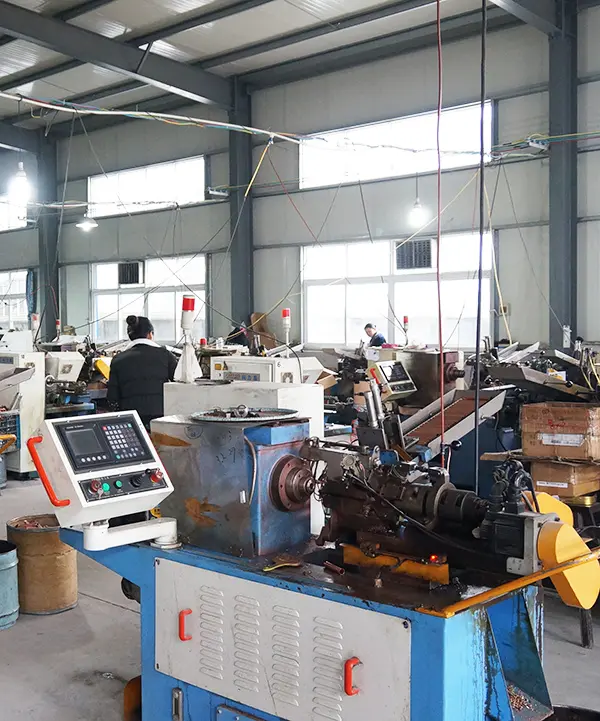
Integrates MES controls, online leak checks, and automated desiccant filling to prevent moisture exposure.
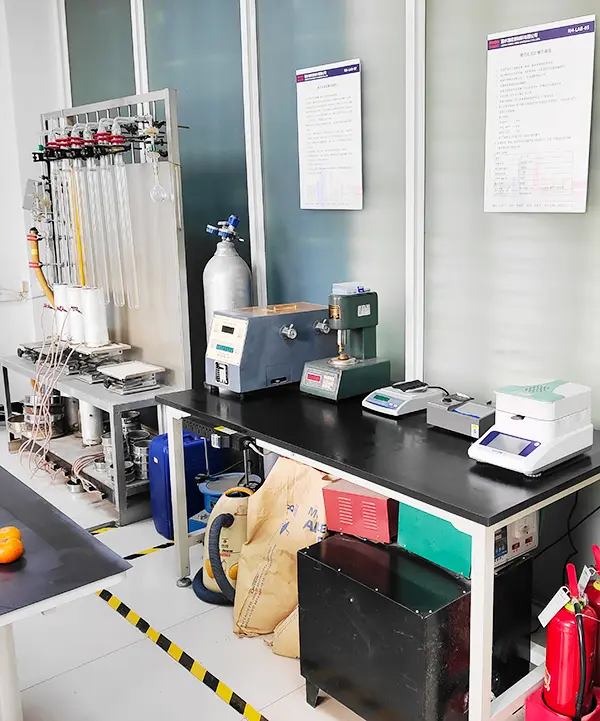
Conducts internal chemical cleanliness analyses, sizing verifications, and burst pressure testing.
Engineered for domestic, commercial, and transport refrigeration installations.
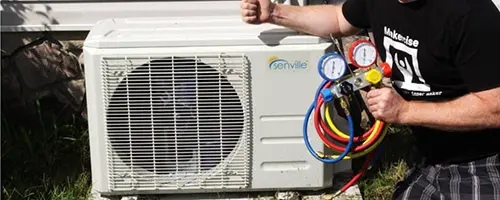
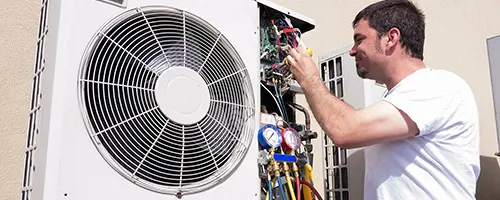
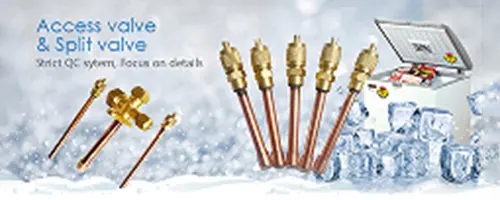
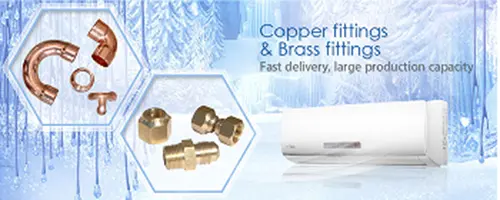
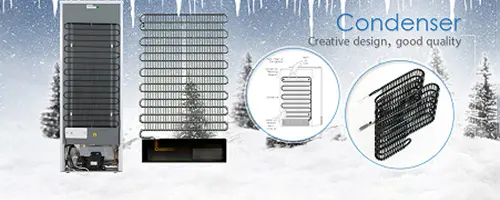
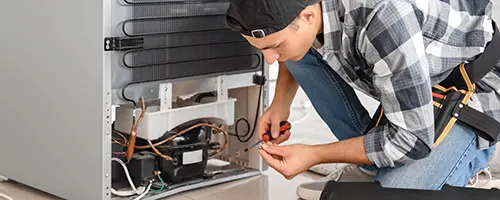
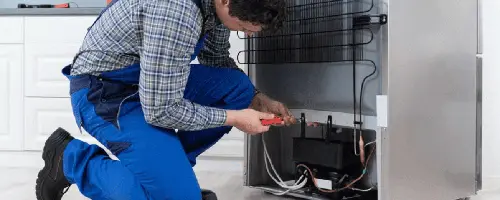
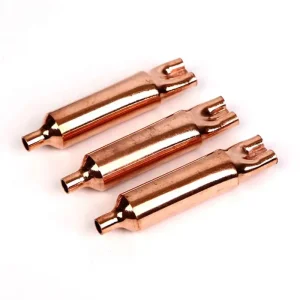
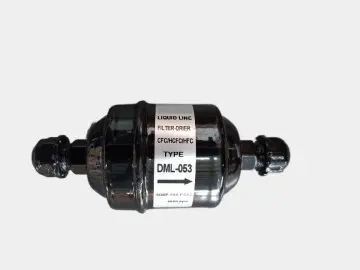
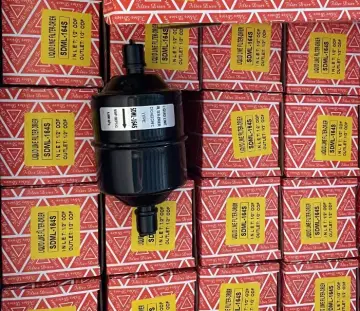
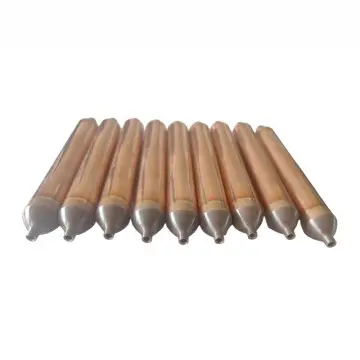
An HVAC system's durability depends heavily on chemical stability inside the closed refrigerant loop. Liquid line filter driers protect these systems by removing moisture and solid contaminants. Taojun copper filter driers feature high-purity copper shells combined with a specialized 3A molecular sieve core and an activated carbon layer.
Our housings use high-grade C12200 deoxidized copper. High purity levels prevent internal oxidation during production and brazing, while optimized wall thickness ensures high pressure thresholds. This mechanical integrity is critical for modern high-pressure systems operating with R410A and R32.
The internal core utilizes 3A molecular sieve desiccant (water absorption capacity ≥ 20%). The 3Å pore configuration selectively adsorbs water molecules while excluding refrigerant and lubricant compounds. This prevents chemical breakdowns and structural degradation of the desiccant matrix, which could otherwise release particulates into the compressor.
A high-density fiberglass and mesh filter media captures rust, flux particulates, and copper slag. By filtering particles down to 20 microns, the downstream expansion valves are protected from blockage or mechanical wear.
Answers to critical design, supply, and integration questions for commercial and OEM buyers.
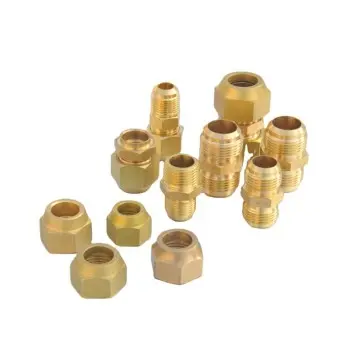
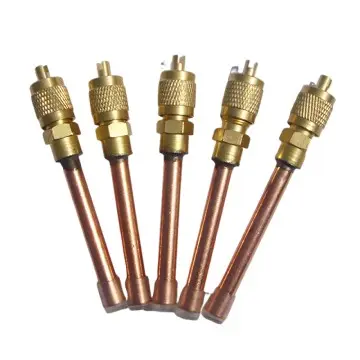
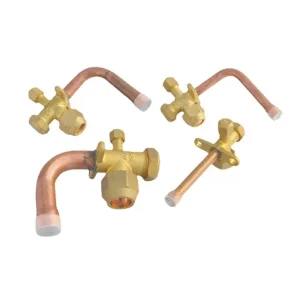
We supply high-durability service valves, access interfaces, and structural steel tubing worldwide.
 Taojun