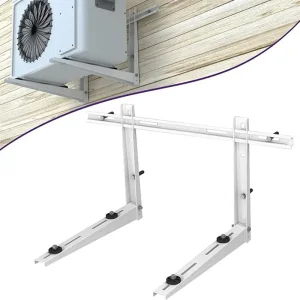
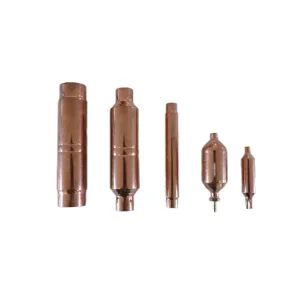
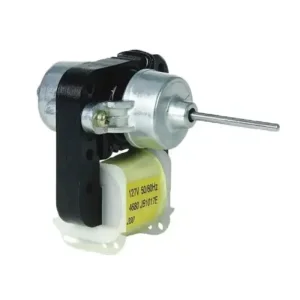
Engineered core components and high-precision tooling designed for global OEM/ODM applications.
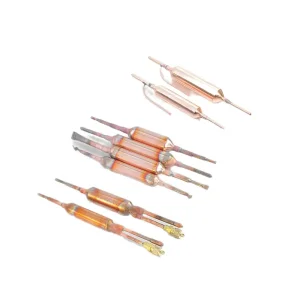
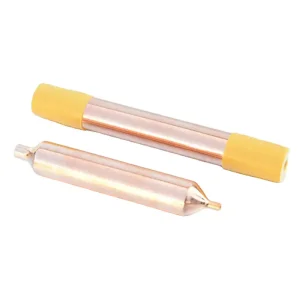
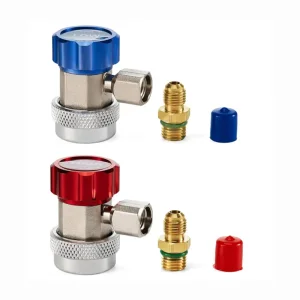
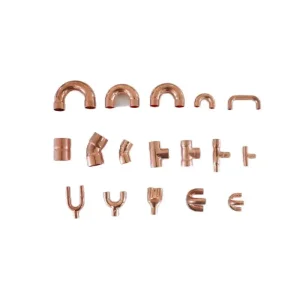
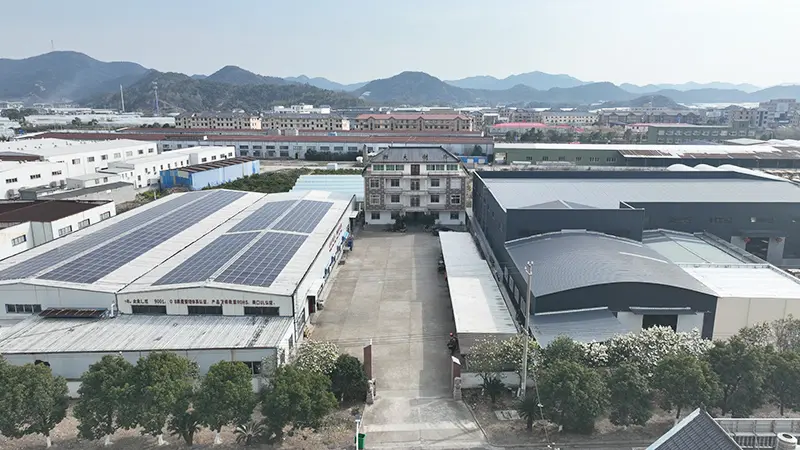
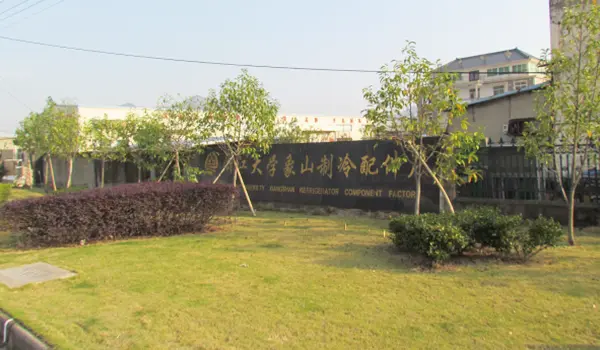
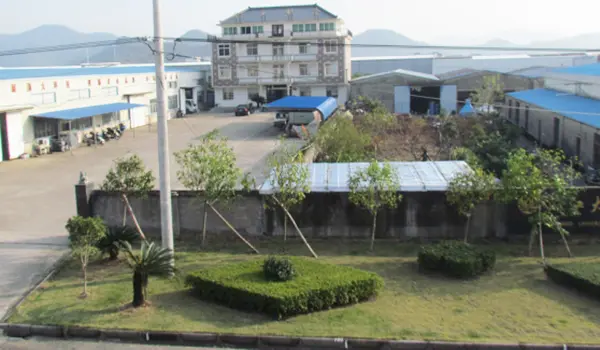
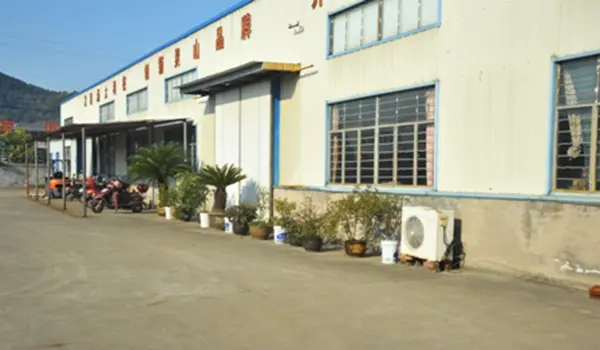
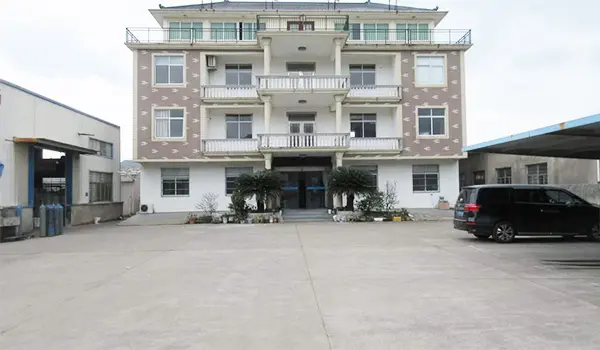
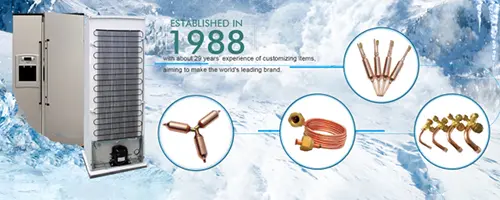
Ningbo Taojun Refrigeration Equipment Co., Ltd. is located in the scenic and industrially vibrant region of Xiangshan, Ningbo. Established in 1988, the company’s roots stem from the prestigious Xiangshan Refrigeration Accessories Factory of Zhejiang University. This technical foundation has guided our growth over the past three decades into a leading national high-tech enterprise (certified in 2021).
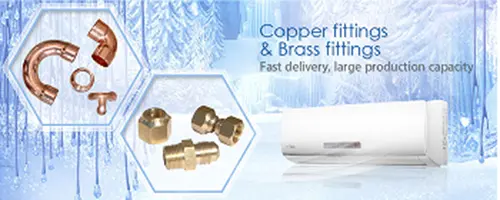
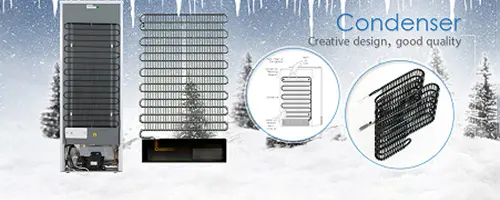
Our core mission is to design, engineer, and manufacture top-tier thermal management components. Today, we specialize in high-precision vent condensers, copper filter driers, refrigeration valves, check valves, and custom copper/brass accessories. Our proprietary brand "Lingshan" has earned domestic acclaim, while our robust international OEM/ODM lines support premier global appliance leaders including Haier, Midea, Whirlpool, Electrolux, Gree, and Xinfei.
Leveraging German-imported manufacturing hardware, an in-house MES management framework, and academic partnerships, Taojun provides highly stable and custom-engineered systems designed to meet demanding global environmental directives and pressure equipment guidelines.
Understanding the critical design specifications required by B2B buyers and process engineers worldwide.
In modern industrial refrigeration, process engineering, and HVAC operations, vent condensers serve as critical components for emission control, energy recovery, and safety assurance. Unlike standard heat exchangers, a vent condenser is tasked with condensing valuable or hazardous vapors out of non-condensable gas streams (such as air, nitrogen, or carbon dioxide) prior to venting. B2B procurement professionals look for key engineering parameters when selecting a supplier in China:
Process vents operate under low backpressure. Vent condensers must maintain minimal pressure drop to avoid upstream accumulation while maximizing vapor velocity to sustain heat transfer.
Condensing streams often carry aggressive chemical traces or moisture. High-purity copper, cupronickel, or stainless steel alloys with argon arc welding are specified to resist corrosion.
Condensers must isolate latent heat efficiently. Optimized fin profiles and tube designs increase the surface-area-to-volume ratio, facilitating immediate subcooling.
For systems handling modern refrigerants like R134a, R600a, R290, or CO2, structural integrity is paramount. Taojun addresses these strict market parameters by producing units with precise wall thickness tolerances, optimized internal geometries, and Helium leak-detection capabilities yielding a 0.05% defect rate.
Custom design and application-focused integration across diverse commercial environments.
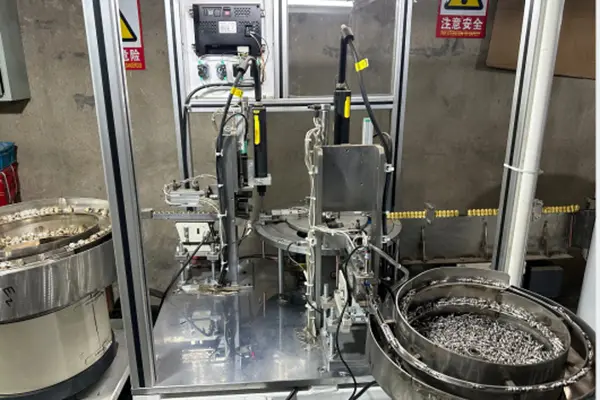
Vent condensers and filters must operate reliably across diverse industry scales. Taojun provides engineered components tailored for specific applications:
Driving refrigeration innovation with smart technologies and sustainable chemistry.
The global refrigeration and chemical processing industries are undergoing a major transition toward environmental sustainability and smart automation. Regulatory frameworks such as the Kigali Amendment and European F-Gas regulations demand that components support zero-ODP (Ozone Depletion Potential) and low-GWP (Global Warming Potential) refrigerants.
Ningbo Taojun's R&D Roadmap targets three primary technological fronts:
We develop high-pressure copper-iron alloy and stainless steel piping profiles designed to withstand operating pressures of natural refrigerants like R744 (CO₂) and hydrocarbons like R290, which require specialized thermal expansion properties.
Partnering with domestic research centers, our filter driers are evolving to use advanced nano-structured desiccants. This increases water adsorption capacity by 35% compared to standard clay molecular sieves.
We deploy CCD visual inspection systems to monitor dimensional tolerances down to 0.02mm, along with helium leak detection chambers, ensuring that every vent condenser maintains zero-leak integrity prior to delivery.
Reliable logistics, certified supply networks, and strategic brand positioning.
From our headquarters in Ningbo, Taojun has built a global distribution network. Our export volume spans the Americas, Europe, Southeast Asia, the Middle East, and Africa. We offer regional supply chain security through strategic shipping partnerships, optimized container configuration, and customs clearances.
Our domestic presence includes supply relationships with appliance leaders Gree and Midea, while our international operations cater to brands like Whirlpool and Electrolux. Our manufacturing facility handles bulk OEM requests, with a flexible MOQ of 500 units and 72-hour prototyping capabilities for select projects.
A history of technological development, from academic beginnings to high-tech manufacturing.
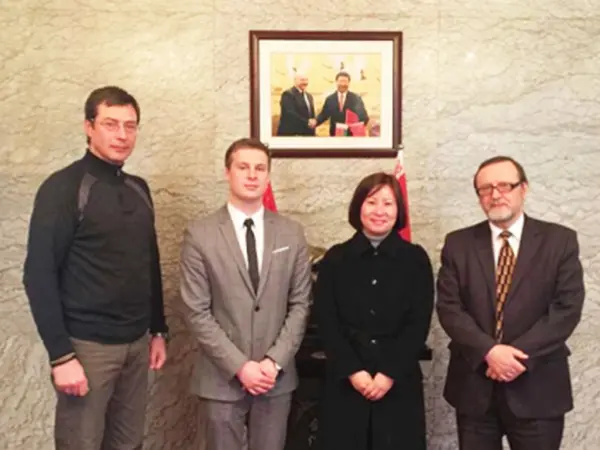
Expanding the original Xiangshan Zhejiang University workshop to establish specialized HVAC parts production lines.
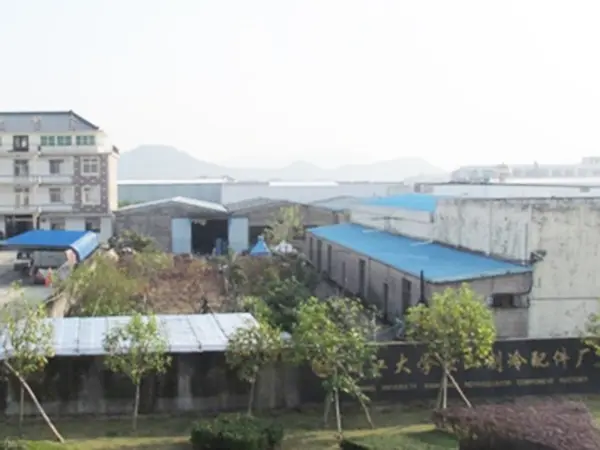
Introducing our MES intelligent workshop management system, bridging production flow tracking and quality assurance.
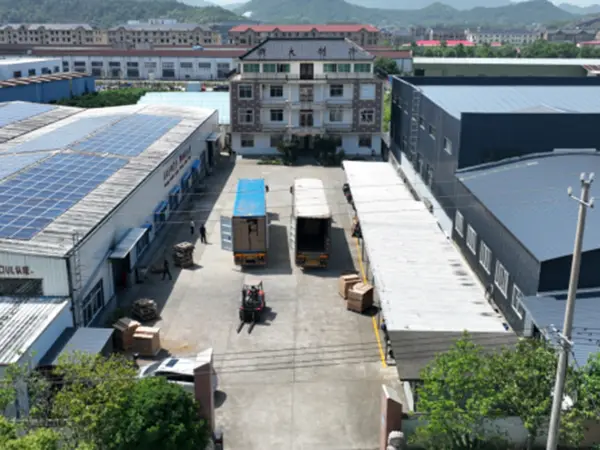
Deploying automated testing pipelines, high-grade helium leak testers, and expanding our custom vent condenser lines.
Certifications and design standardizations to satisfy international import criteria.
Navigating global compliance is a critical step in industrial procurement. Taojun products are certified to meet international engineering, safety, and environmental standards:
Our verification processes are searchable via the CNCA and our audit partner Zhongci International.
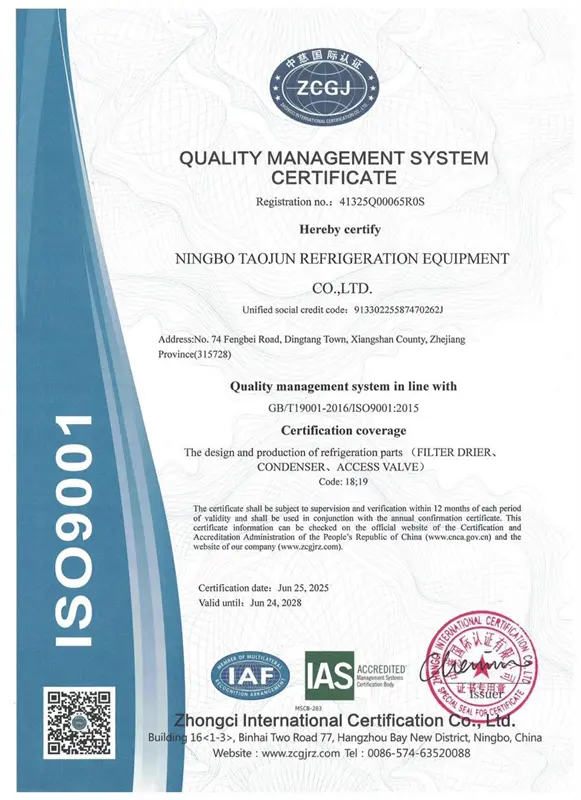
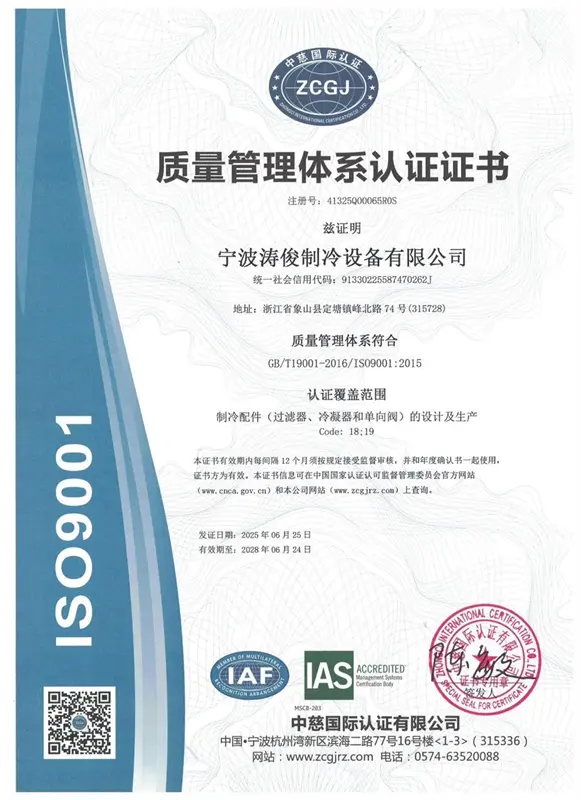
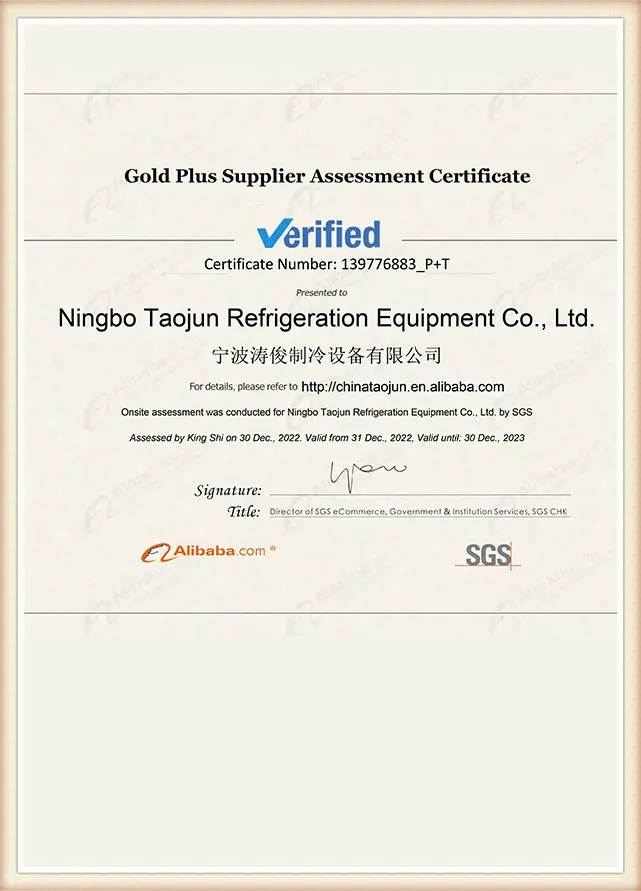
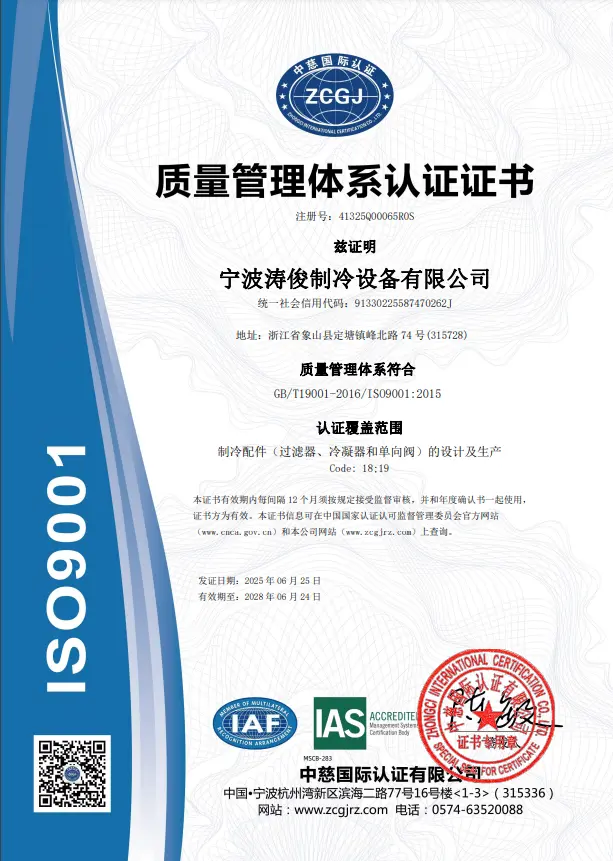
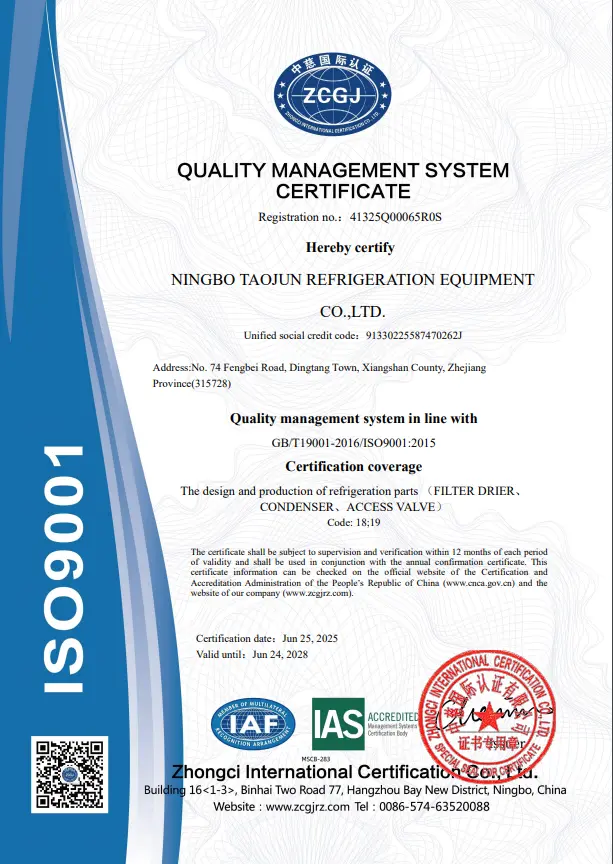
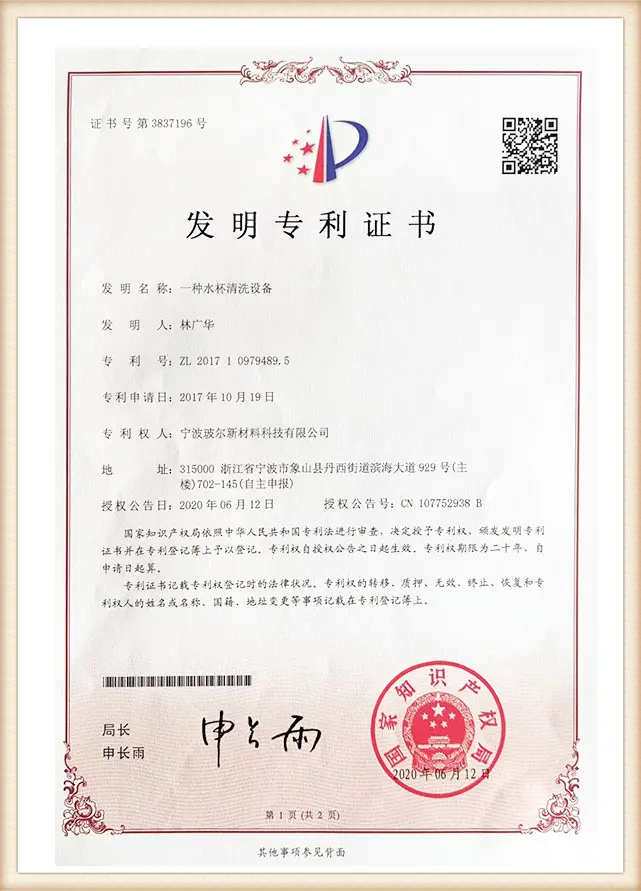
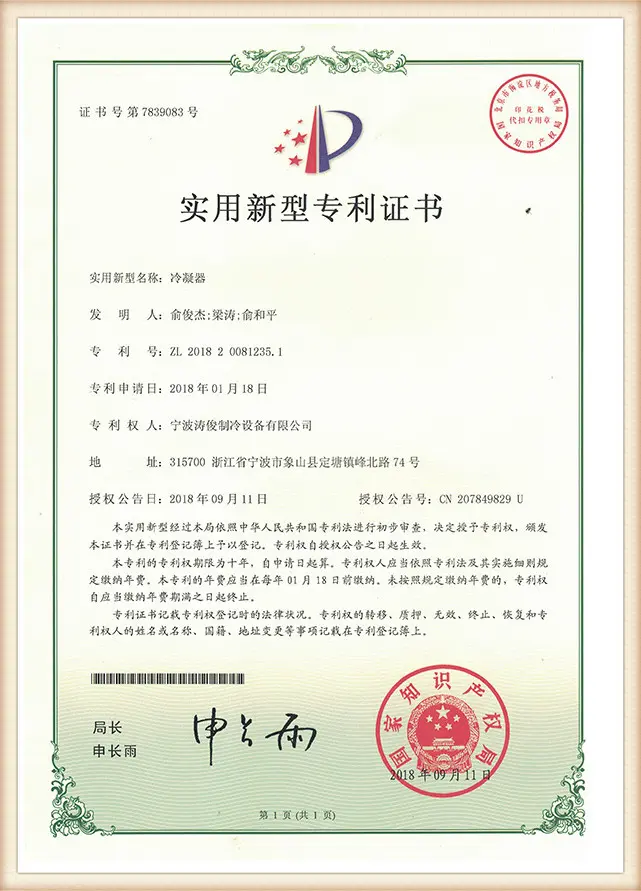
A detailed overview of our quality control protocols and laboratory procedures.
Maintaining a 0.05% defect rate requires rigorous control at every stage of the production cycle. Our quality control system is divided into raw material validation, in-process testing, and finished product inspection:
| Inspection Stage | Testing Methods & Parameters | Acceptance Criteria |
|---|---|---|
| Raw Material Validation | Spectrometric purity testing of copper pipes; verification of Japanese liquid crystal spacers and ITO film uniformity. | 99.9% copper purity; zero shrinkage; zero color deviation. |
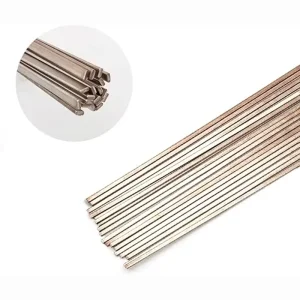
| Brazing & Joint Assembly | Automated argon arc welding under active gas shielding. High-purity silver brazing alloy application (5%, 10%, 15% silver concentration). | Uniform weld depth; zero voids; no localized pipe deformation. |
| Environmental Durability Testing | Damp heat exposure for 500 hours; thermal shock cycle test ranging from -35°C to 75°C (500-hour aging program). | Zero structural fatigue; no stress cracking at joint areas. |
| Helium Leak Testing | 100V high-voltage insulation tests on electrical units; pressurized helium vacuum testing. | Zero leak rates down to 1x10⁻⁸ mbar·l/s. |
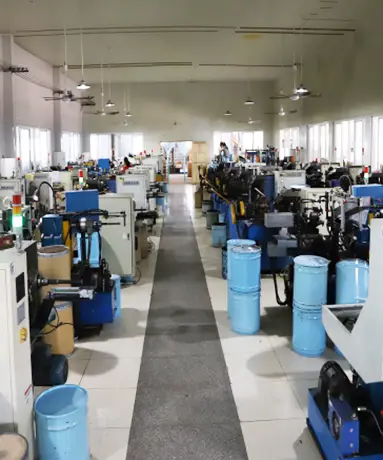
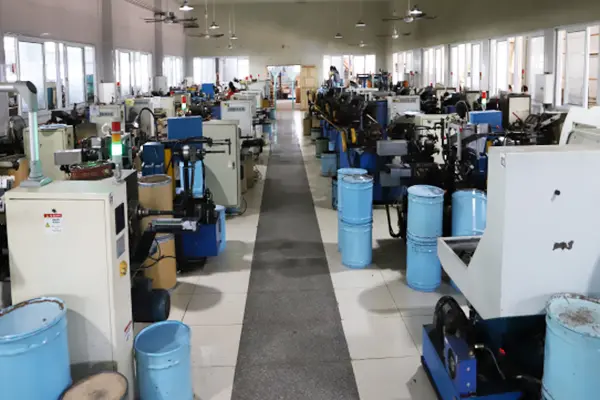
Production Workshop
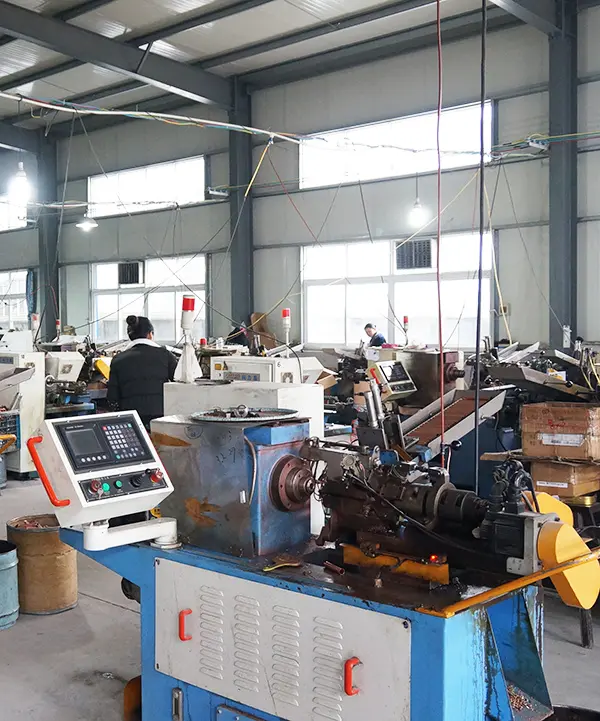
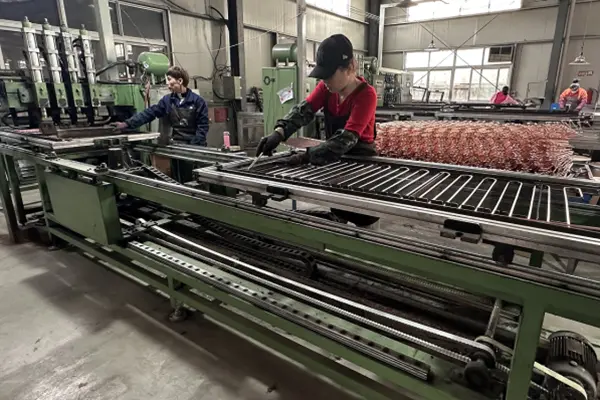
Automated Assembly Line
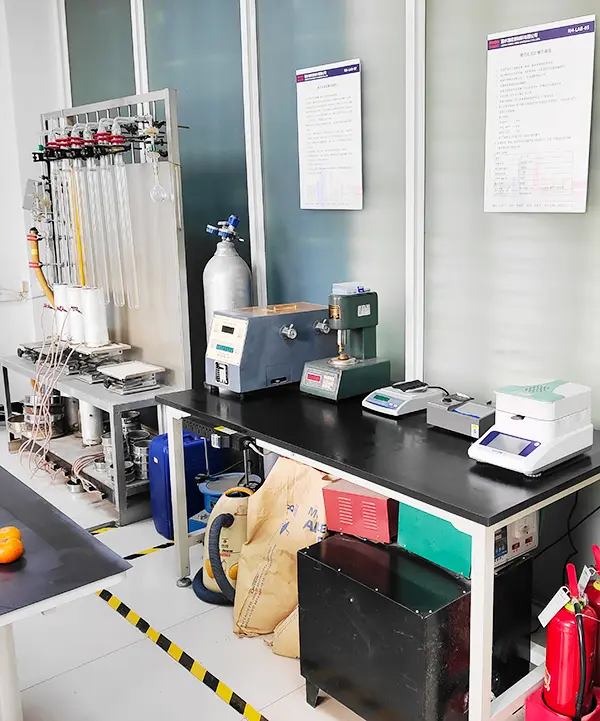
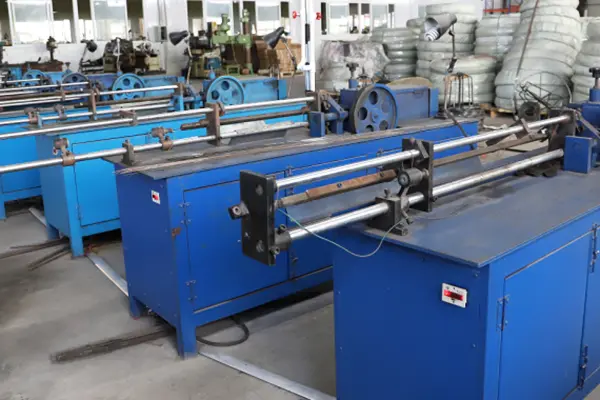
Inspection Laboratory
Technical answers to common engineering and procurement queries.
Deploying reliable, precision-engineered refrigeration parts across diverse environments.
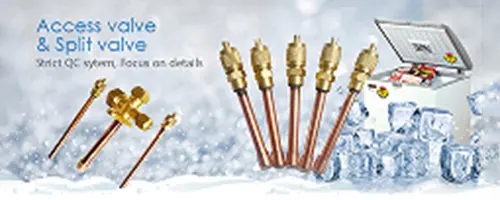
Explore our complete product catalog for cooling systems and process loops.
 Taojun