Engineered to comply with strict global performance parameters, ensuring system integrity and premium energy ratings.
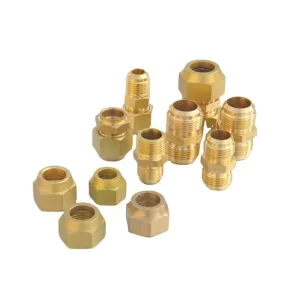
Analyzing thermodynamic shifts, environmental compliance regulations, and microstructural optimizations in modern refrigeration systems.
The global HVAC and commercial refrigeration sectors are undergoing a massive transition driven by stricter environmental standards (such as EU F-gas regulations, US EPA AIM Act, and RoHS directives). The shift toward natural refrigerants, specifically hydrocarbons like R290 (propane) and R600a (isobutane), requires a corresponding re-engineering of heat transfer components. Modern wire condensers must achieve significantly higher heat dissipation capabilities while maintaining a compact footprint and minimizing charge volume.
Additionally, advanced coatings have become a core engineering requirement. The standard wire-on-tube condenser structure is exposed to severe environments in both domestic and outdoor configurations. Implementing electrophoretic painting (cathodic epoxy coating) ensures superior salt spray resistance (often exceeding 500 hours according to ASTM B117), preventing premature thermal degradation and refrigerant leak hazards. Factories are leveraging computer-aided thermodynamic modeling and microstructural tube analysis to optimize flow dynamics, reducing pressure drops and boosting COP (Coefficient of Performance) ratings of the compressors.
Compatibility with next-generation low-GWP refrigerants. Optimized internal geometry guarantees safety under high operational pressure profiles.
Multi-layered electrophoretic finishes prevent localized oxidation, ensuring a functional operational lifecycle exceeding 10 years.
Decoupling supply chain bottlenecks, verifying manufacturer E-E-A-T credentials, and understanding international testing protocols.
Leading OEMs demand complete mill certification of copper alloys, low-carbon steel wires, and composite tubes. Ningbo Taojun aligns directly with ISO 9001:2015 and UL guidelines for end-to-end component traceability.
Manual spot checks are no longer sufficient. High-speed assembly lines require integrated CCD visual inspection systems, mass spectrometer helium leak detection, and strict residual moisture checks (<10mg/m²).
Tier 1 appliance manufacturers require verified adherence to REACH, RoHS, and eco-design protocols. Minimizing environmental footprint during the steel bending and electrophoretic coating phase is essential.
Exploring automated production processes, Zhejiang-based industrial clusters, and cost-containment frameworks.
Video: Watch Taojun's Automated Precision Manufacturing lines in action.
By leveraging Industry 4.0 principles, modern Chinese factories have shifted from manual labor-intensive assembly to fully integrated, data-driven production systems. At Ningbo Taojun's facilities, the implementation of MES (Manufacturing Execution Systems) ensures that production stages—from steel wire drawing, automatic mesh welding, high-frequency tube bending, to assembly brazing—are tracked in real-time. This eliminates quality variances and standardizes the spacing tolerances of wire-on-tube components to within ±0.02mm.
Zhejiang's deep logistics and raw materials cluster acts as a major driver for supply chain resilience. Proximity to high-purity copper refineries and premium steel mills ensures constant access to raw materials even during market volatility. This structural efficiency allows Taojun to offer flexible manufacturing runs, prototype development (ODM/OEM) within short timeframes, and rapid container shipments from Ningbo Port, reducing global supply chain lead times by up to 30% compared to other APAC regions.
Tracing our origin from Xiangshan Refrigeration Accessories Factory of Zhejiang University in 1988 to a globally certified high-tech manufacturer.
Founded in 1988, the predecessor of Ningbo Taojun Refrigeration Equipment Co., Ltd. was the renowned Xiangshan Refrigeration Accessories Factory of Zhejiang University. Located in Xiangshan, Ningbo, the company has developed over 30 years into a state-of-the-art comprehensive enterprise. As a certified National High-Tech Enterprise (awarded in 2021), we focus on technical and process innovation, equipment upgrades, and strict implementation of quality management protocols. Our "Lingshan" brand filters and "Taojun" refrigeration components have earned an outstanding reputation in both domestic and international markets.
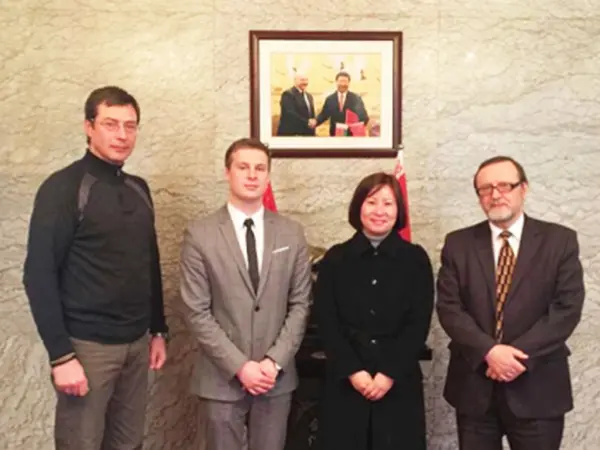
Establishment of early factory infrastructure, establishing core quality standards for domestic refrigeration parts.
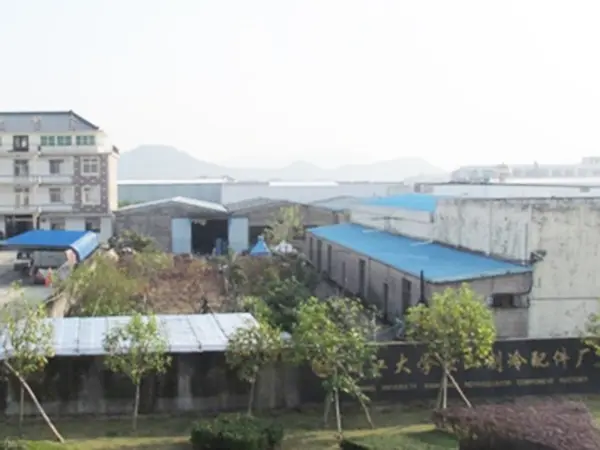
Integration of early automated manufacturing tools and digital workflow management to increase production consistency.
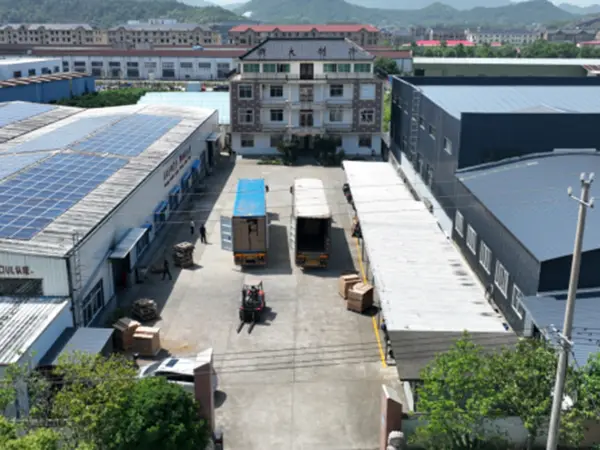
Full deployment of Industry 4.0 MES systems, automated welding, and expansion of global export channels.
15+ years of pump and refrigeration system engineering experience. One-to-one sales engineer technical services. Hot-line communication channels responsive within 8 hours.
High/low-temperature cycles (75°C to -35°C for 500 hours), thermal shock assessments, damp heat exposure, oven moisture extraction, and 100V high-voltage aging checks.
Key component developer and long-term supplier to global home appliance giants including Haier, Midea, Gree, Whirlpool, Electrolux, Huarui, and Xinfei.
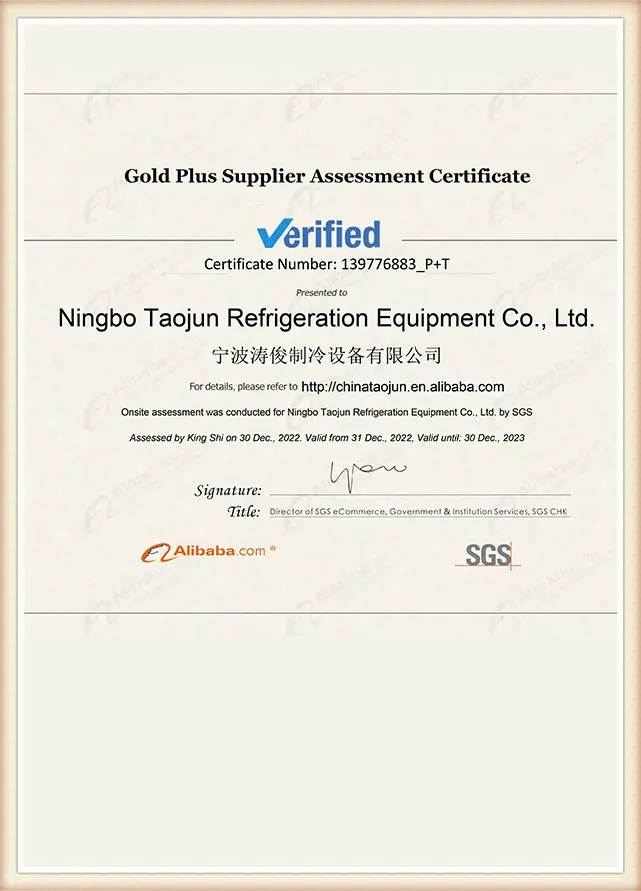
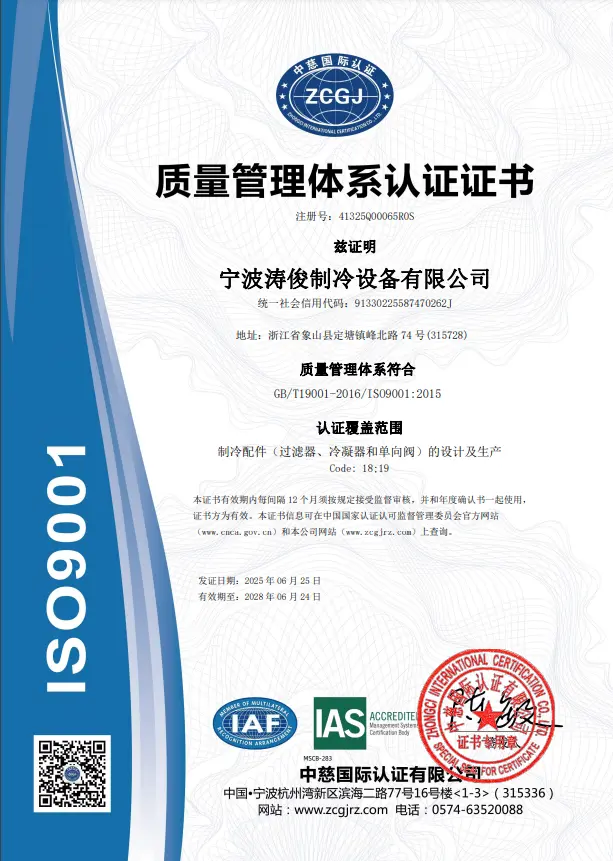
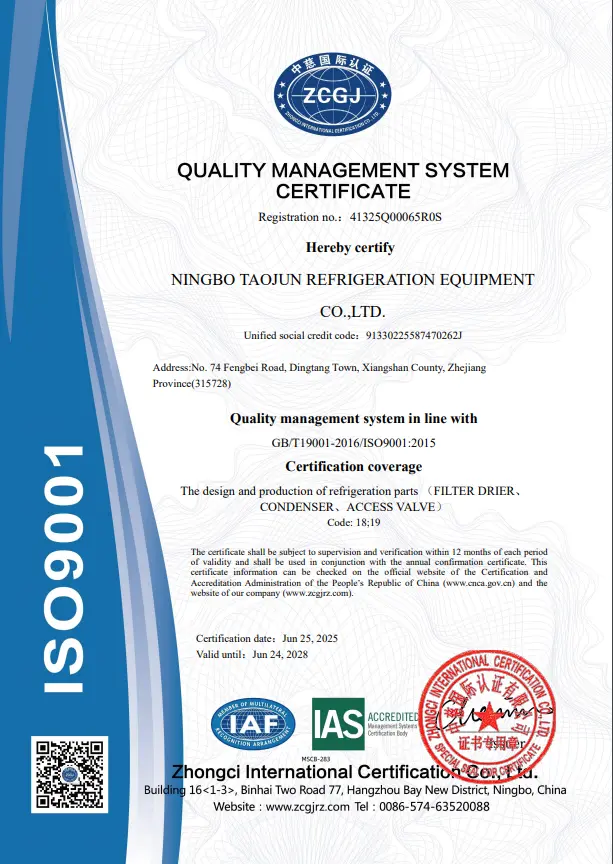
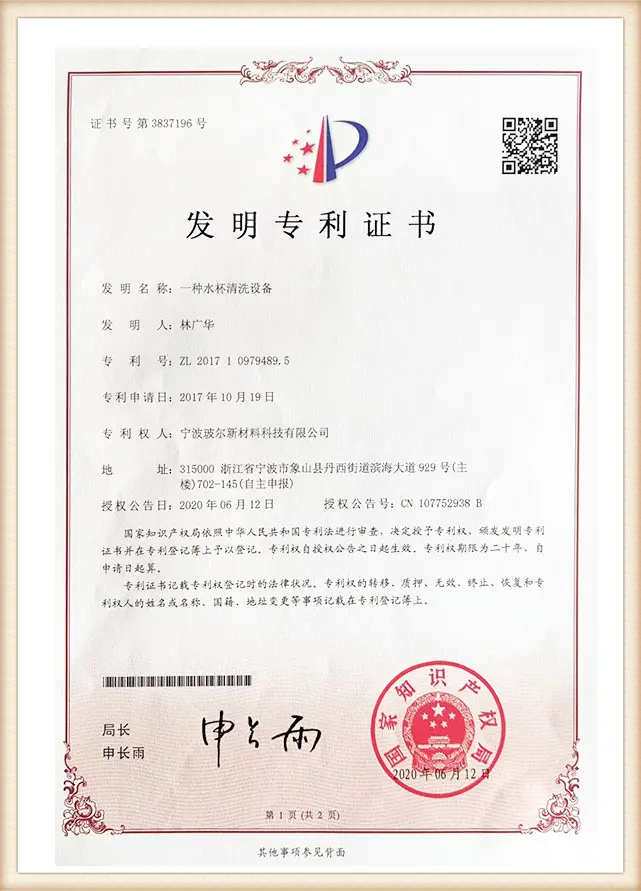
Official validation of our ISO 9001:2015 registration, detailing the scope of our high-precision fabrication facility.
Juntao Refrigeration (a key brand of Ningbo Taojun) stands as a globally recognized leader in the design and production of critical refrigeration components. With our official GB/T19001-2016/ISO9001:2015 certification (Registration No.: 41325Q00065R0S), we maintain an uncompromising commitment to quality control in the manufacturing of filter driers, wire condensers, and access valves.
Our certifications, verifiable via China's CNCA (www.cnca.gov.cn) and our audit partner Zhongci International (www.zcgirz.com), validate our high-precision custom capabilities. We also maintain compliance with EU RoHS, REACH, and US UL directives for environmental safety and component integrity.
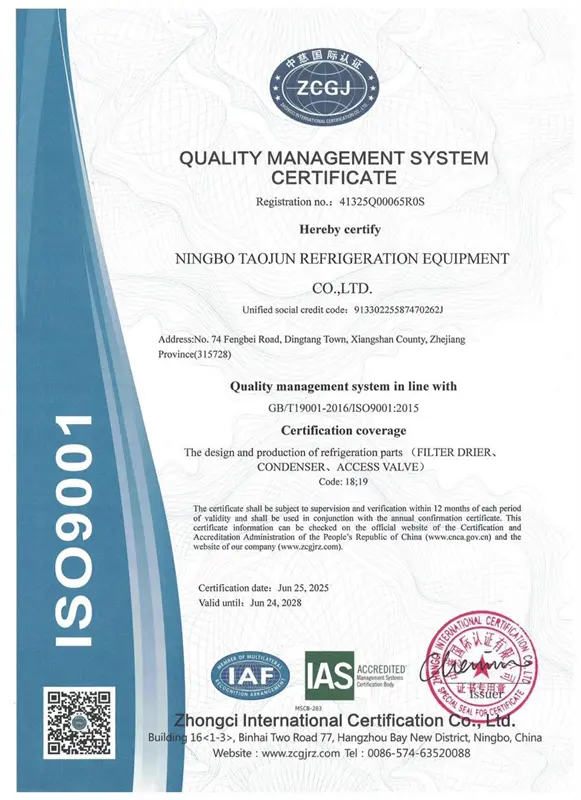
Main ISO Document
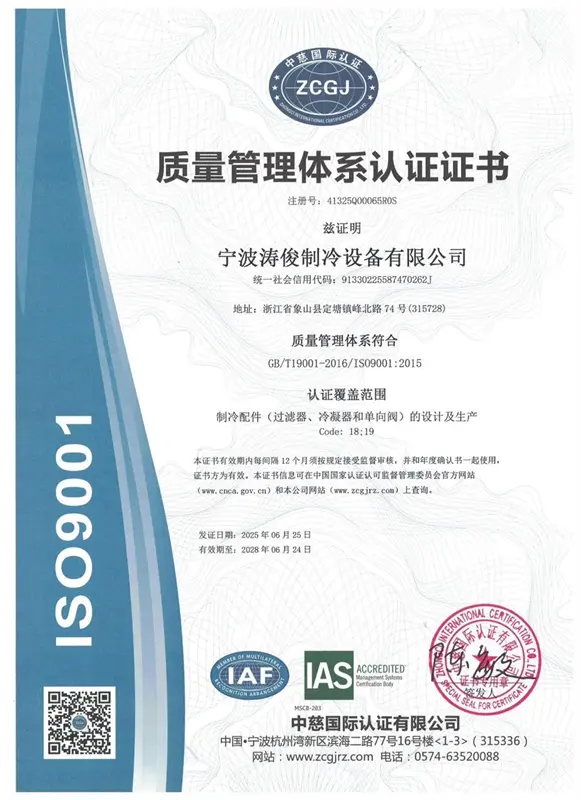
Detailed Audit Scope
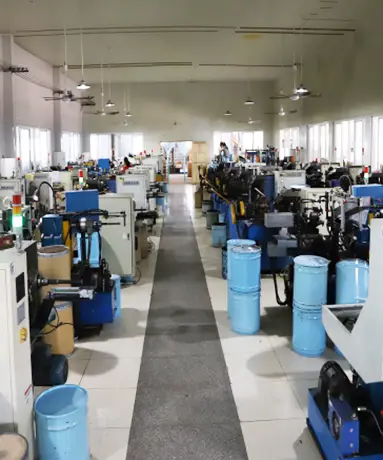
Equipped with imported German bending machines and computerized mesh welding infrastructure.
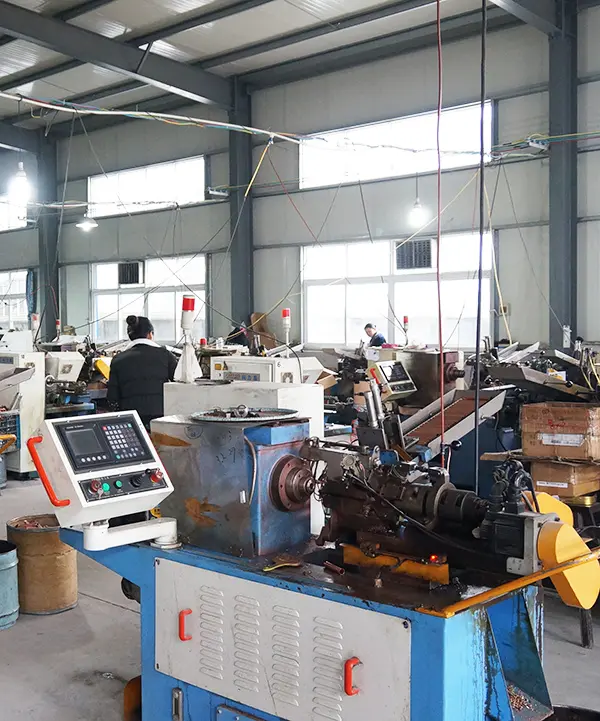
Continuous automated assembly line with online vacuum checks and precise nitrogen charging systems.
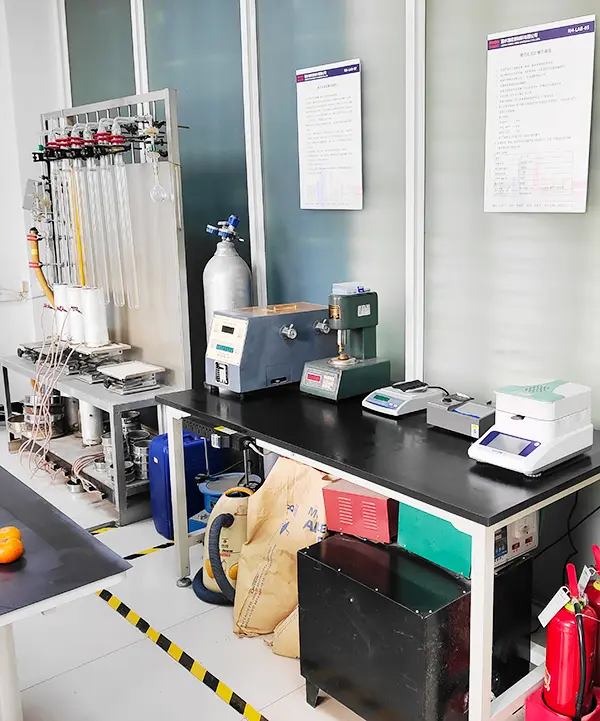
Equipped for spectrometer analysis, salt spray trials, and complete burst pressure inspections.
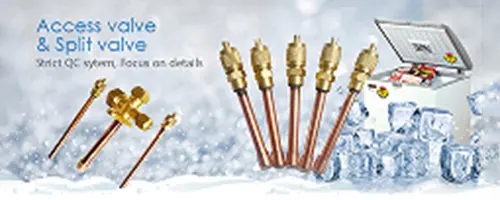
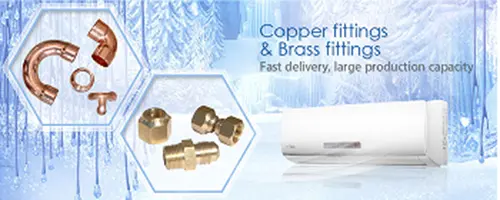
How our customized copper and steel components perform across household, commercial, and industrial HVAC setups.
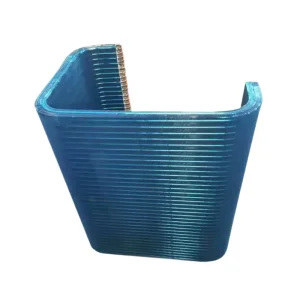
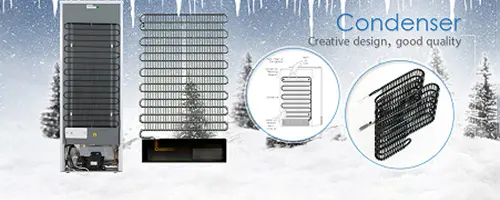
Optimized static wire condensers ensuring low energy profiles in modern frost-free home refrigeration systems.
High forced-convection capacity finned tube and wire condensers designed for supermarket showcases and drink coolers.
High durability industrial filter cartridges preventing moisture damage under continuous cyclic thermal profiles.
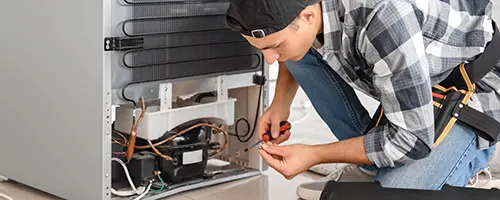
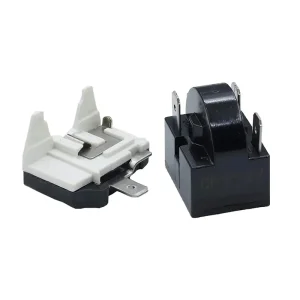
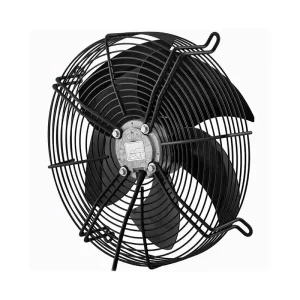
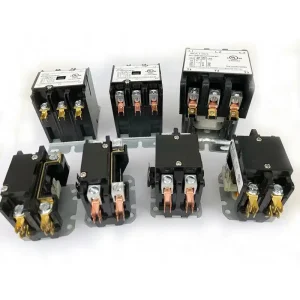
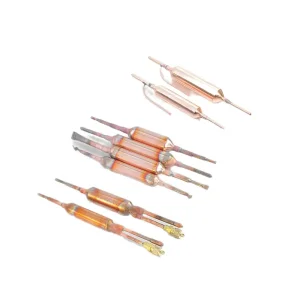
Integration with high-power contactors and high-precision capillary tubes to match optimal indoor airflow patterns.
| Component Category | Material Specification | Core Performance Metrics | Applicable Standards |
|---|---|---|---|
| Wire-on-Tube Condenser | Low Carbon Steel Wire (ø1.2 - 1.6mm), Bundy Tube (ø4.76 - 8mm) | Heat dissipation capability: 100-3500W, Salt spray resistance: 500h | ASTM B117, ISO 9001 |
| Copper Filter Drier | High Purity Copper Shell, 3A Molecular Sieve desiccant | Moisture absorption: ≥20%, Acid binding capability: ≥98% | UL, ROHS, REACH |
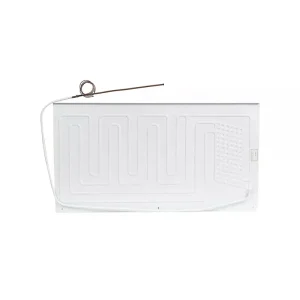
| Roll Bonded Evaporator | Al99.5 High Purity Aluminum Plate | Plate thickness: 1.5 - 2.0mm, Burst pressure: ≥4.5MPa | EN 573-3, ISO 9001 |
| Access Charging Valves | ASTM B16 HPb59-1 High Quality Brass | Leak rate: ≤1.4g/year under 3.0MPa nitrogen pressure | GB/T 19001 |
Technical clarifications, material properties, and strategic commercial information for global engineering teams.
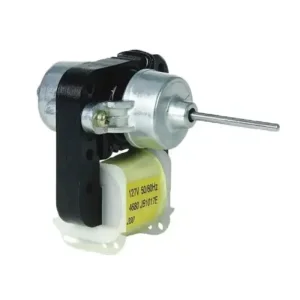
Explore high-power electrical components, structural charging units, and specialized alloy items from our Ningbo factory.
 Taojun