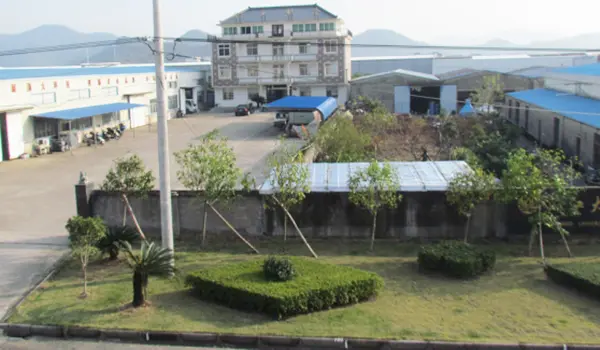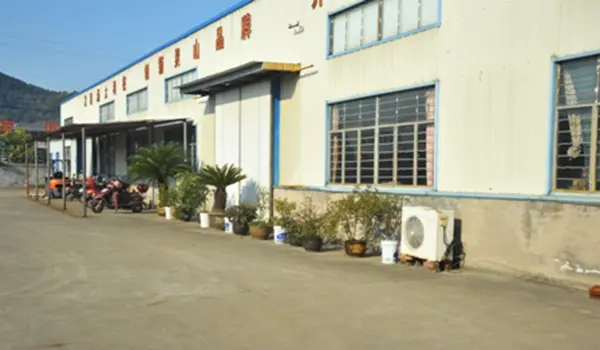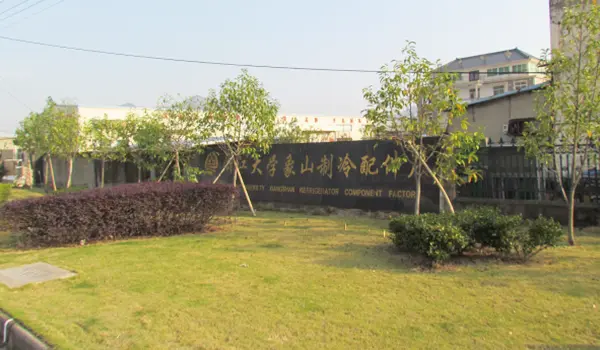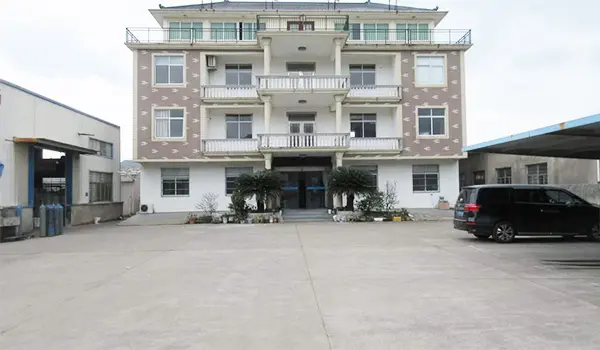
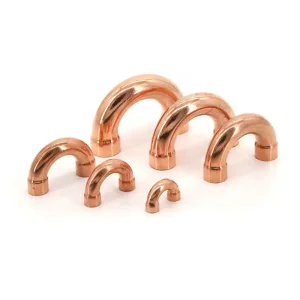
Ningbo Taojun Refrigeration Equipment Co., Ltd. is located in the scenic city of Xiangshan, Ningbo. Our industrial lineage spans over three decades, beginning as the Xiangshan Refrigeration Accessories Factory of Zhejiang University. Over 30 years of technological evolution, we have scaled into a highly integrated enterprise that leads in design, R&D, advanced manufacturing, and technical customer services.
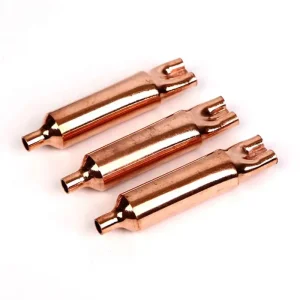
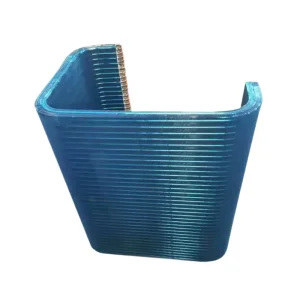
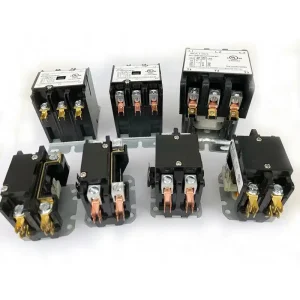
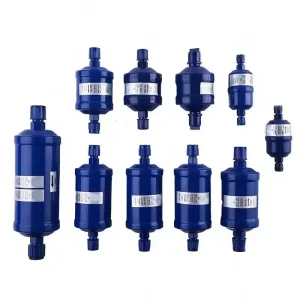
In 2021, Taojun was recognized as a national High-Tech Enterprise. Under our renowned "Lingshan" and "Taojun" brands, we specialize in high-reliability HVAC control components, including heavy-duty motor protection systems, overload relays, air conditioning contactors, copper filters driers, stop valves, and finned tube condensers.
Our components are built to achieve optimal reliability in high-capacity refrigeration systems. By utilizing raw materials directly imported from global leaders and deploying rigorous, German-engineered QA instrumentation, we ensure that every overload relay and HVAC accessory matches the rigorous reliability needed to protect expensive compressors.
Industrial motor and compressor configurations require absolute protection against unexpected electrical occurrences such as overcurrent, phase failure, and mechanical lock. As a foundational HVAC safety component, the overload relay performs critical surveillance on system currents.
An overload relay prevents motor damage by breaking the circuit when a continuous current exceeds normal operational values over a designated period. In standard heating, ventilation, air conditioning, and refrigeration (HVAC/R) setups, the overload relay operates side-by-side with high-power air conditioning contactors to form a robust electrical starter group.
| Relay Type | Tripping Mechanism | Key Operational Strengths | Typical Applications |
|---|---|---|---|
| Thermal Bimetallic | Deflection of calibrated bimetallic strips heated by current. | Cost-effective, ambient-temperature compensated, simple mechanics. | Residential HVAC, standard pumps, light ventilation fans. |
| Electronic (Solid-state) | Precision microprocessor evaluating current loop transformer feeds. | Adjustable trip class (10/20/30), zero self-heating losses, phase imbalance detection. | Industrial scroll compressors, heavy cold storage pumps, process cooling. |
| Magnetic | Electromagnetic coil responsive to high current surges. | Instantaneous action, isolation of mechanical block conditions. | High inertia starts, crane hoists, immediate trip motor circuits. |
B2B engineers and procurement teams must align the trip curve classes with the startup cycles of the compressor. While Trip Class 10 is typical for rapid-acceleration air conditioning fan motors, heavy commercial compressors with delayed startup inertia require Trip Class 20 or 30. This prevents nuisance tripping while maintaining reliable thermal overload protection.
The global industrial landscape is transitioning rapidly towards IoT integration and smart diagnostic maintenance. Thermal and electronic overload relays are no longer passive circuit-breaking components; they are transforming into digital system guardians that stream critical telemetry data to supervisory control networks.
Next-generation electronic overload relays incorporate integrated communication protocols (Modbus, IO-Link, CAN bus). This enables real-time current measurements and trip-diagnostic statistics to be sent directly to Edge computers or cloud telemetry networks.
By monitoring micro-fluctuations in phase current patterns, intelligent relays can predict motor winding decay or bearing deterioration before catastrophic hardware failures occur, significantly reducing unplanned plant downtime.
Traditional bimetallic elements consume minor electrical energy through constant resistance heating. Our future roadmap integrates low-resistance, high-sensitivity solid-state circuits, contributing to greener industrial control cabinets.
Different operating environments present unique challenges to electrical circuits and refrigeration lines. The combination of high humidity, corrosive chemical atmospheres, or extreme vibrations requires robust component protection.
In cold storage facilities and supermarket racks, compressor failures can lead to significant inventory loss. Our high-durability contactors, paired with precise thermal overload protection, protect high-torque hermetic scroll compressors from overheating caused by rapid cycling or phase imbalance.
Process cooling plants run continuously. Our electronic overload solutions monitor continuous current draw, protecting high-horsepower pumps and fans against locked rotor conditions. This ensures stable cooling fluid flow across industrial operations.
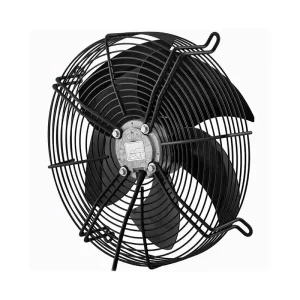
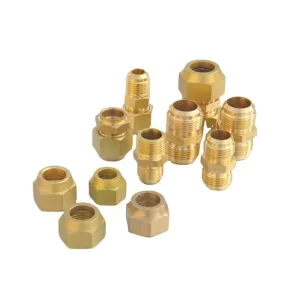
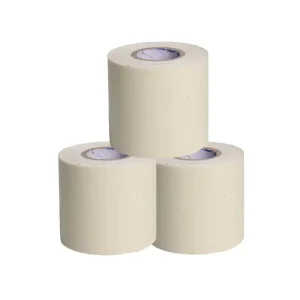
From heavy-duty sealing PVC tapes that prevent environmental leaks to reliable condensers and filters that capture system contaminants, Taojun provides all the necessary components to protect and extend the service life of standard AC units.
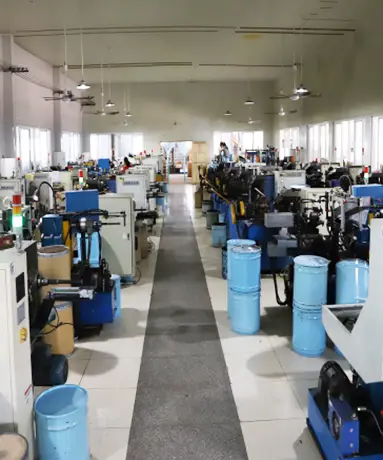
At our Ningbo production hub, we achieve manufacturing precision by combining automated production lines with digital factory management software. We introduced our first MES (Manufacturing Execution System) in 2008, and have since upgraded to a complete Factory 4.0 IoT platform.
By integrating automated bimetallic welding lines, CCD vision inspections, and computer-controlled thermal calibration fixtures, we eliminate human assembly error. This allows us to maintain a low defect rate of under 0.05% across all shipments.
Our core manufacturing equipment is imported directly from Germany, providing high stability and dimensional control. For refrigeration filtration lines, we perform online helium leak testing on every copper filter drier and valve block. This guarantees pressure integrity up to 45 bar before packaging.
Advanced multi-slide stamping tools and automatic calibration units guarantee consistent tripping dynamics and close tolerance control.
From initial copper coil and raw bimetal strips to final assembly, every component batch is mapped to a traceable QR code.
Thermal chamber cycle testing from -35°C up to +75°C for 500 hours ensures bimetallic elements do not drift in operation.
Refrigeration and HVAC systems require dry, acid-free conditions inside their pipelines to protect compressor windings. Moisture, acid, and foreign particles can degrade copper tube walls and insulation varnishes, leading to compressor burnout and system failures.
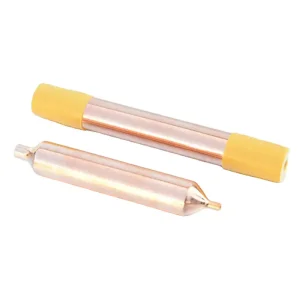
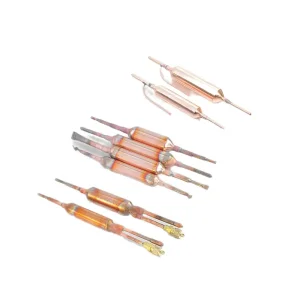
As specialists with 38 years of experience in refrigeration parts, we engineer high-purity copper filter driers that complement our electrical safety line:
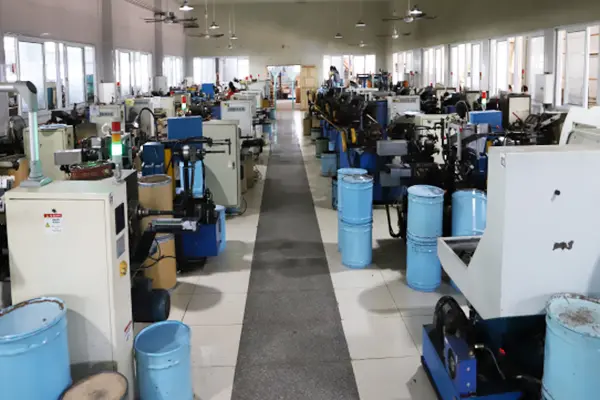
We work closely with major home appliance and commercial HVAC brands, including Haier, Midea, Whirlpool, Electrolux, and Gree. We tailor our engineering and logistical operations to meet the requirements of international procurement teams.
Our team of 15 R&D engineers, collaborating with researchers from the University of Science and Technology of China, develops components tailored to your specific mechanical envelopes and electrical requirements.
With high-precision tooling systems, we produce validation samples within 7-14 days. These are subjected to thermal shock, high-voltage insulation tests, and cycle-life tests.
We support start-up programs with a flexible MOQ of 500 units, while offering the manufacturing capacity to scale up to millions of pieces for large appliance manufacturers.
Operating in international markets requires compliance with local environmental and safety standards. Our engineering designs and material selection processes prioritize safety and regulatory alignment:
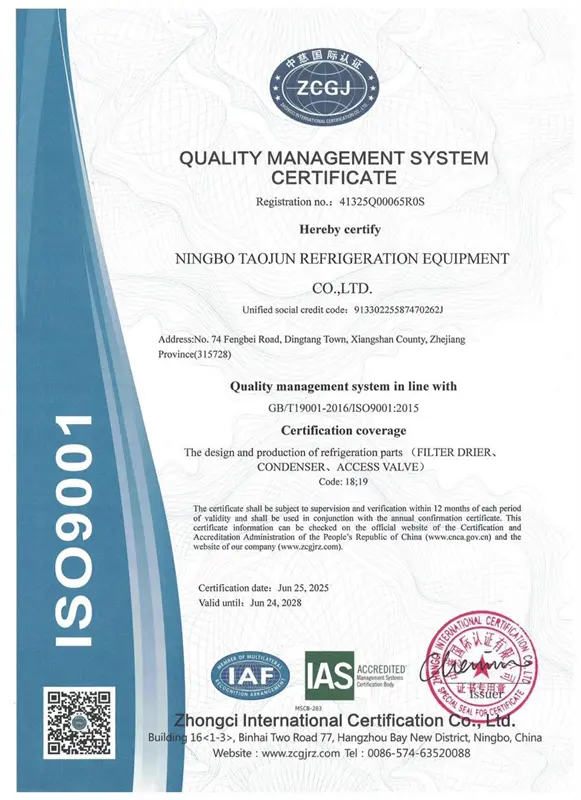
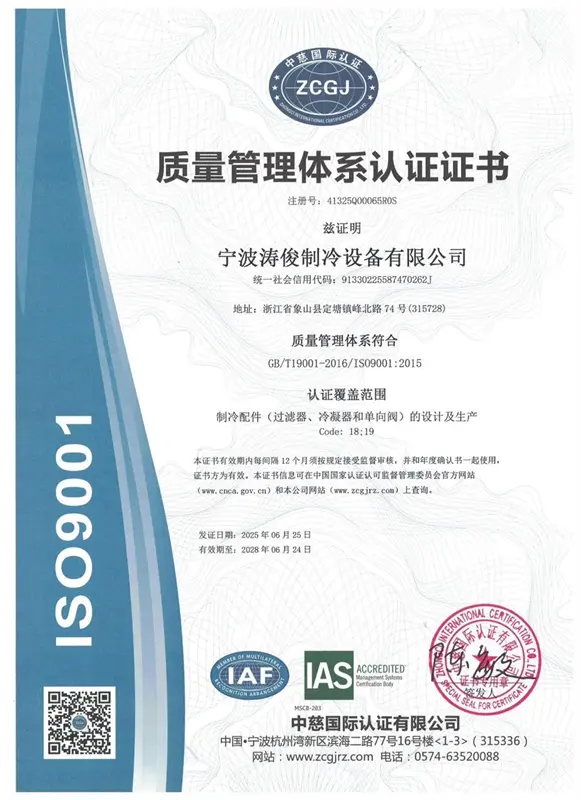
GB/T19001-2016 / ISO9001:2015
B2B Verified Audit Credentials
All raw copper and brass alloys, bimetallic materials, and plastic structures are verified free of lead, cadmium, and mercury, ensuring compliance with EU imports.
Registration No.: 41325Q00065R0S. All design steps and manufacturing controls conform to international standards, ensuring complete batch traceability.
We work to reduce greenhouse gas emissions across our factories by investing in energy-efficient heating equipment and recycling process scrap.
Thermal overload relays rely on bimetallic strip deformation caused by motor current heat. They are simple, reliable, and cost-effective. Electronic overload relays use current transformers and microprocessors to monitor current. They offer faster trip times, higher accuracy, phase-loss protection, and adjustable trip configurations.
The trip class (Class 10, 20, or 30) indicates the maximum time in seconds the relay will take to trip at 600% of its current setting. Standard HVAC compressor motors typically use Class 10 or Class 20. Heavy, slow-starting scroll pumps require Class 20 or 30 to prevent nuisance trips during startup.
Our manufacturing facility operates under GB/T19001-2016/ISO9001:2015 standards. Our product catalog is certified under EU RoHS and REACH directives, and our core protection units meet UL safety requirements for the North American market.
For customized electrical contactors, valves, or copper filter driers, design validation and 3D modeling take 5 to 7 working days. Validation prototypes are typically delivered within 2 weeks, and mass production orders are dispatched within 25 to 30 days after sample approval.
 Taojun