Wholesale Leading Water Condenser Supplier & Manufacturers

Precision Thermal Exchange Engineering, High-Performance Finned Tube Technology, and Global Industrial Refrigeration Components Since 1988

Established 1988

Ningbo Taojun Refrigeration

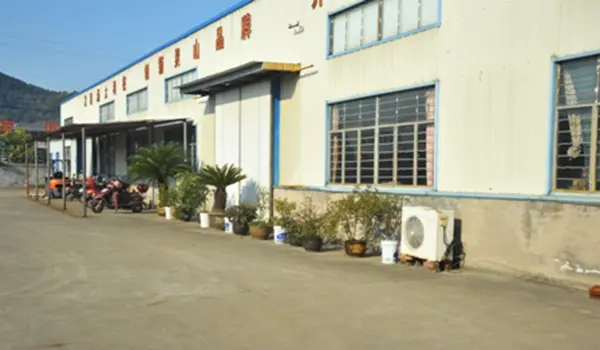
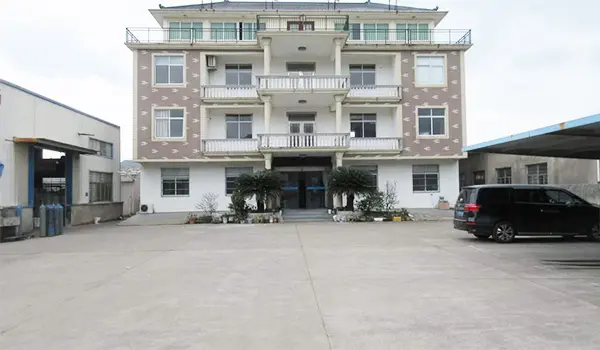
Ningbo Taojun Refrigeration Equipment Co., Ltd. is situated in Xiangshan, Ningbo, a prominent center for maritime engineering and precision manufacturing. Founded in 1988, our operational foundation traces back to the Xiangshan Refrigeration Accessories Factory of Zhejiang University. This academic lineage drives our product development and engineering standards.

Over the past three decades, we have transitioned from a specialized refrigeration components supplier into a national High-Tech Enterprise (awarded in 2021). Our facilities integrate design, advanced thermodynamic testing, multi-stage production lines, and after-sales logistics support. Our domestic brand "Lingshan" is recognized for reliability in commercial and home cooling systems.
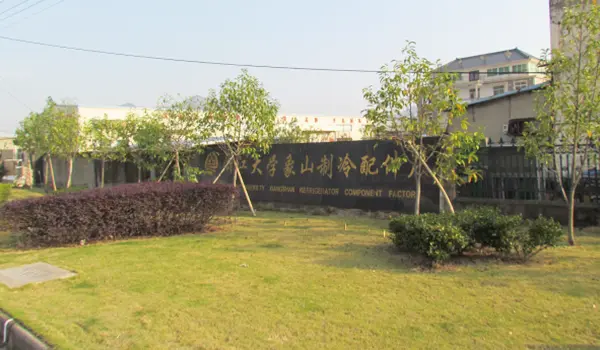
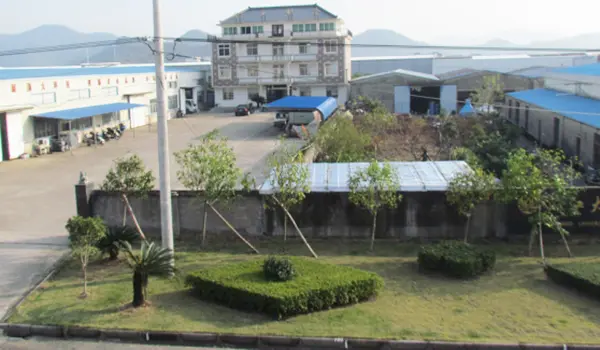
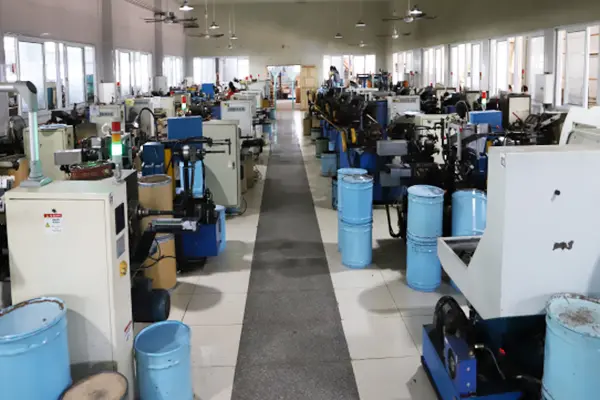
Ningbo Taojun factory floor
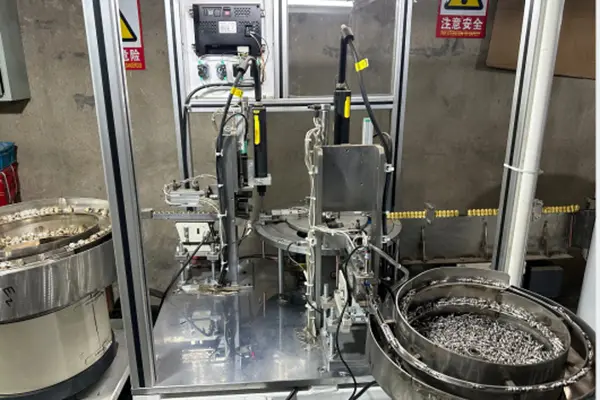
Industrial brazing line
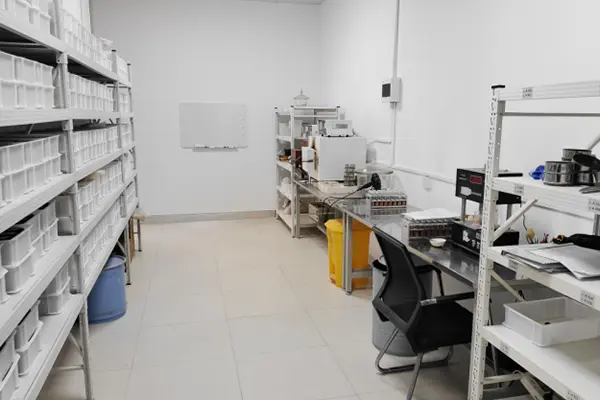
Quality inspection bench
Packaging depot
Production unit
38+
Years of R&D Expertise
50+
Global Markets Served
15+
PhD & Lead Engineers
0.05%
Factory Defect Rate Limit

Industrial Manufacturing Excellence & Quality Verification

How our ISO 9001:2015 certified plant processes premium raw materials into durable refrigeration components.

⚙️

Precision Tooling & Manufacturing

Our core production lines utilize processing machinery from Germany. This equipment allows us to maintain tight tolerances down to ±0.02mm on split valve channels, tube extrusions, and fin positioning, ensuring consistent performance across high-volume production runs.

🔬

Material Integrity Management

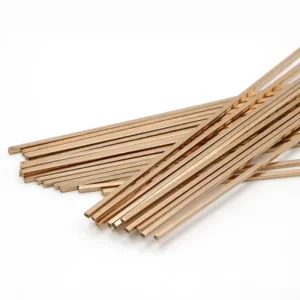
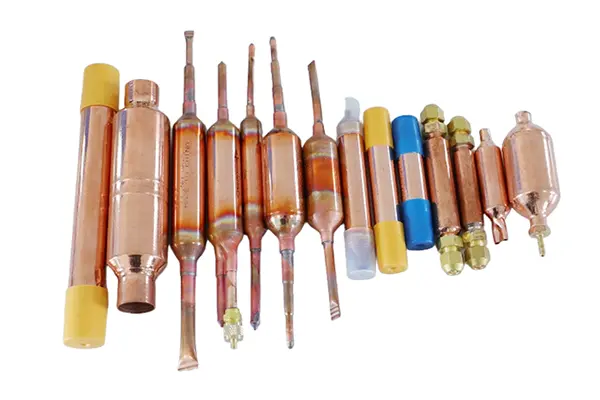
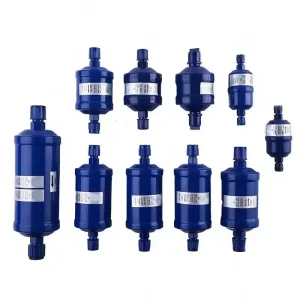
We source raw copper, aluminum coils, and brazing materials from certified suppliers. Our copper filter driers feature high-purity shells, while our liquid crystal spacer materials are sourced from Japanese partners to withstand extreme thermal conditions without degradation.

🧪

Strict Quality Verification

Every product batch undergoes testing in our laboratories. This includes 500-hour environmental chamber testing (-35°C to 75°C), high-pressure burst testing up to 60 Bar, and mass spectrometer helium leak checks to verify joint sealing integrity.
🔬 Core Technical Specifications

  • Hermetic Sealing: High-vacuum helium chamber testing identifies micro-leaks down to 1x10⁻⁸ mbar·l/s.
  • Filter Media Performance: 3A molecular sieve configuration captures water molecules down to 3 Angstroms, preventing capillary blockage.
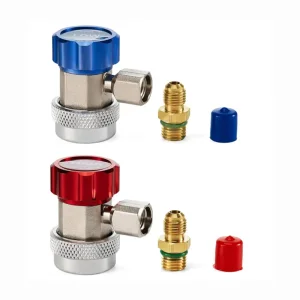
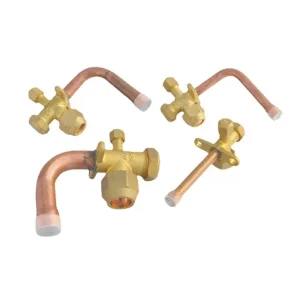
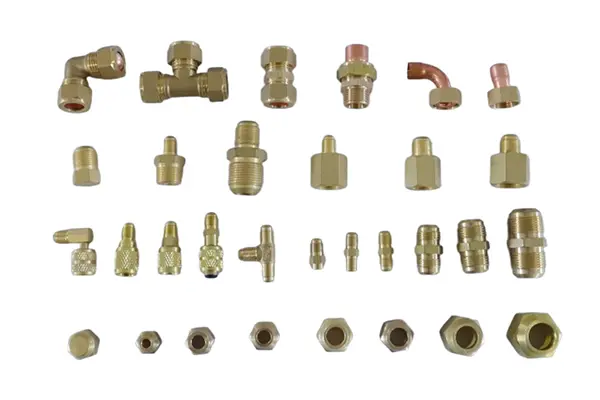
  • High-Durability Valves: Split service access valves feature PTFE seals that resist degradation from HCFC, HFC, and hydrocarbon refrigerants.
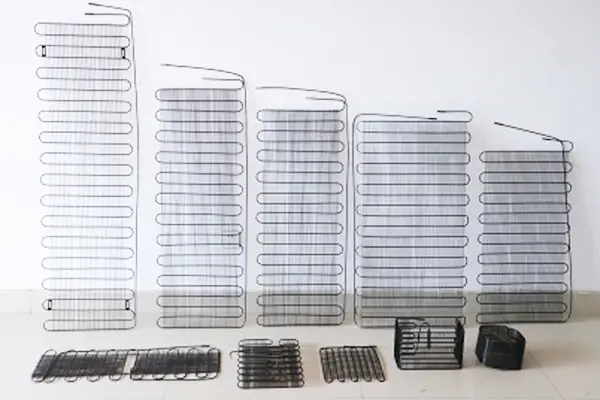
  • Coating Durability: Finned tube condenser coils receive electrophoretic polymer coatings, passing a 1,000-hour salt spray corrosion test.

📦 Flexible Manufacturing & Logistics Support

  • OEM/ODM Capabilities: Customized sheet metal thickness, fin spacing, tube routing, and interface dimensions.
  • Scalable Production Capacity: Automated brazing stations and automated packing lines ensure fast turnaround on container-level orders.
  • Traceable Supply Chain: Component tracking via our MES software, from incoming copper coil lots to final shipment validation.
  • Global Standards Compliance: Certified products meeting EU RoHS, REACH, and US UL standards for safety and environmental protection.
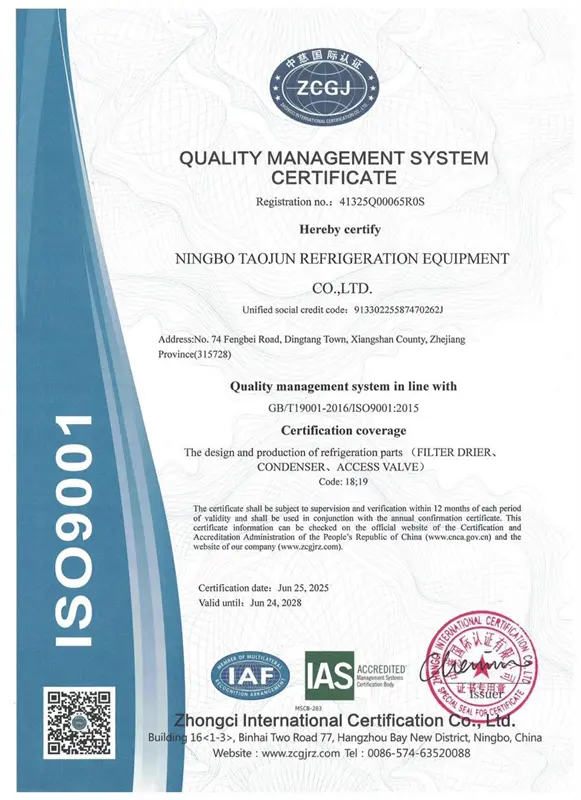
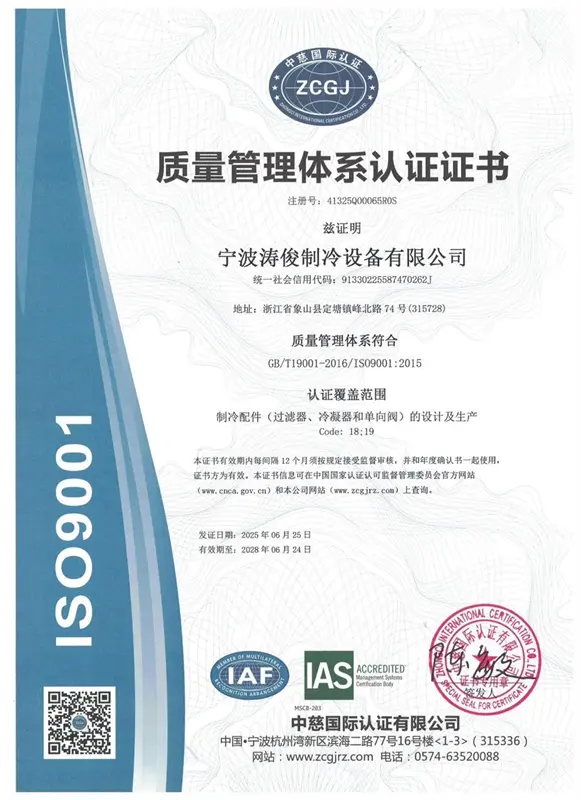
ISO 9001 Certification Front ISO 9001 Certification Details

Certified Quality: ISO 9001:2015

Ningbo Taojun Refrigeration holds registration number 41325Q00065R0S, verifying that our quality management systems for refrigeration valve assembly, filter drier production, and heat exchanger manufacturing conform to international standards.

Industry Whitepaper

Modern Refrigeration Engineering: Materials Science & Thermodynamic Design

1. Global Procurement Dynamics & Strategic Supply Chains

The global heating, ventilation, and air conditioning (HVAC) sector is facing challenges from changing environmental regulations, shifting raw material costs, and rising demands for energy efficiency. Industrial buyers must look beyond purchase price to assess supply chain resilience, compliance with chemical regulations, and engineering consistency.

A key focus for HVAC components is material compatibility. Modern systems operate under high working pressures and use complex synthetic oils that can accelerate mechanical wear. Component manufacturers must ensure materials are clean, dry, and structurally sound. For example, residual moisture in a refrigeration circuit can react with ester lubricants to form corrosive acids, leading to compressor motor breakdown. Preventing these issues requires filtration driers with high moisture absorption capacity and low particulate release.
Engineering blueprint analysis
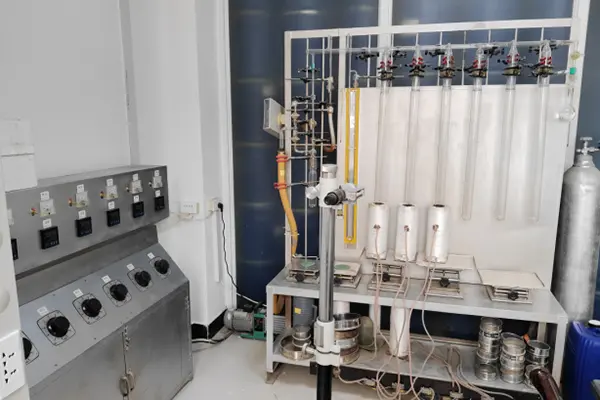
Lab testing rigs
Welding quality check
CNC machinery section
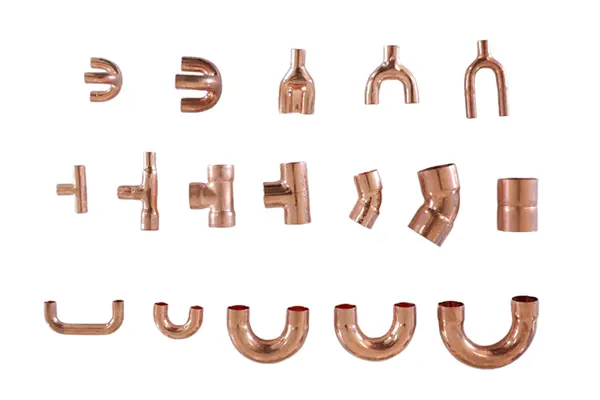
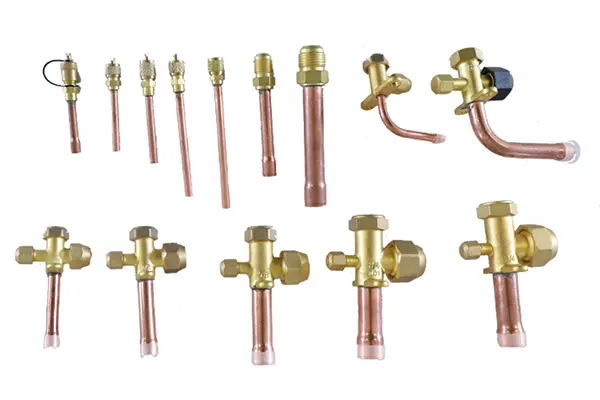
Finished copper components

2. Decarbonization and the Shift to Low-GWP Refrigerants

Regulatory frameworks such as the European F-Gas Regulation and the US AIM Act are driving the industry toward low Global Warming Potential (GWP) alternatives. Synthetic HFCs are being replaced by natural refrigerants, including Carbon Dioxide (CO2, R744), Propane (R290), and Isobutane (R600a), alongside HFO blends like R1234yf.

These eco-friendly refrigerants present new engineering requirements:

  • R290 (Propane): Classified as A3 (highly flammable). This requires spark-free electrical components and hermetically sealed lines to eliminate leakage paths. Our copper filter driers utilize precise orbital welding and automated leak checks to ensure reliable joints.
  • CO2 (R744): Operates at high pressures, with transcritical cycles exceeding 120 Bar. Standard copper pipes are being replaced by high-strength copper-iron alloys (like K65) or reinforced thick-walled structures. Component manufacturers must use thick, high-purity copper to guarantee safety margins.
  • HFO Blends: These refrigerants are sensitive to moisture and decomposition. Drying filters must use 3A molecular sieves, which selectively trap water molecules without absorbing the refrigerant or its additives.

3. Thermal Performance Engineering in Finned Tube Condensers

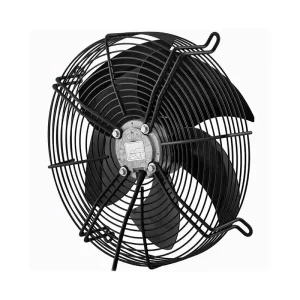
Condensers play a critical role in system efficiency. In residential air conditioning and commercial cold rooms, the finned tube condenser remains a standard heat exchanger design. Optimizing these systems requires managing heat transfer coefficients alongside air-side pressure drops.

Our engineering research focuses on three primary areas:

  • Internal Tube Geometry: Inner-grooved copper tubes create micro-turbulences in the refrigerant flow. This increases the internal surface area and disrupts the boundary film layer, raising the heat transfer coefficient by up to 30% compared to smooth-bore tubes.
  • Fin Profiles and Spacing: Standard flat fins are being replaced by louvered configurations. These louvers break up the developing thermal boundary layer, improving convective heat transfer. We adjust fin spacing (typically between 1.4mm and 2.5mm) to match specific environmental dust conditions and moisture load requirements.
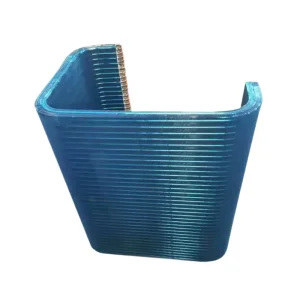
  • Corrosion Control: Industrial and coastal environments can degrade raw aluminum fins. We apply hydrophobic blue and gold hydrophilic polymer coatings, which resist salt spray corrosion and accelerate condensate runoff to prevent frost formation.

4. Comprehensive Quality Control Framework (5D System)

To achieve high component reliability, Ningbo Taojun implements a five-dimensional (5D) quality check framework throughout production:
  • Dimension Audits: Mechanical sizing is verified during fabrication using automated laser sensors.
  • Debris Extraction: Copper pipes undergo multi-stage internal rinsing to remove oils, metallic dust, and contaminants. This prevents capillary tube clogging.
  • Dehydration: Filter cores are dried in vacuum ovens to reduce residual moisture below 20 ppm.
  • Dry-Air Preservation: Assembled filters are sealed with pressurized dry nitrogen to prevent atmospheric moisture entry before installation.
  • Defect Zero Policy: Critical welds are inspected using machine vision and automatic pressure decay systems.

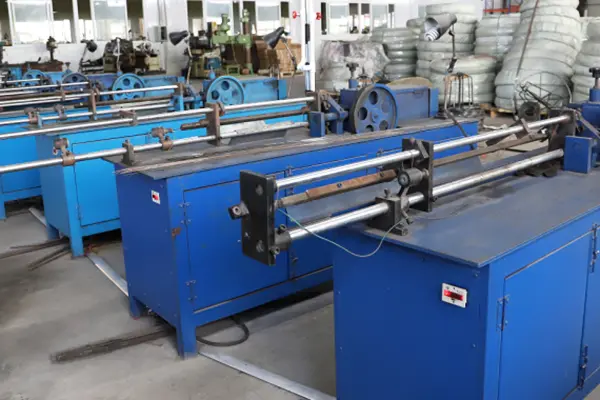
Pressure testing equipment
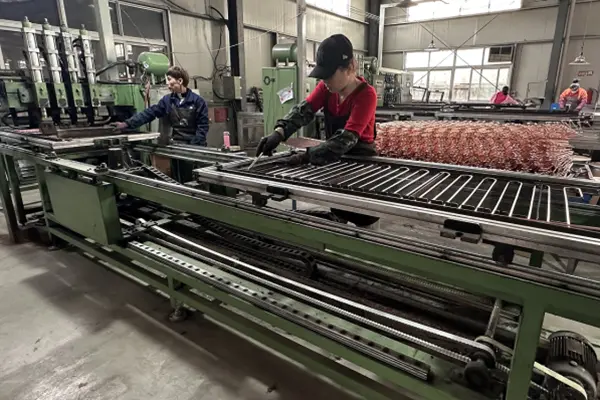
Filter drier assembly line
Component cleaning process
Finished condensers storage
Shipping logistics yard

5. Future Technology Integration & Materials Science

Our long-term R&D focuses on developing smarter, more compact components. In collaboration with university partners, we are testing nano-engineered coating materials that reduce dust accumulation on condenser fins, maintaining high thermal efficiency over time.

We are also working on integrating micro-sensors into industrial filter driers. These sensors monitor internal relative humidity, pressure drops, and chemical contamination, providing real-time data to help operators schedule maintenance before a system failure occurs.

Technical Q&A: Engineering & Selection Parameters

Expert insights on flow dynamics, material selection, and system installation questions.

Why is a 3A molecular sieve used instead of 4A or silica gel in modern filter driers?
A 3A molecular sieve features an effective pore size of 3 Angstroms. This allows it to absorb water molecules (diameter 2.6 Å) while excluding refrigerant molecules like R134a, R32, or R290, which have larger molecular diameters. Using a larger pore size, such as 4A (4 Å), can lead to refrigerant co-adsorption. This process takes up active sites, reduces water retention capacity, and can break down the refrigerant into acidic byproducts.
How does fin spacing on copper condensers affect performance in high-humidity climates?
In high-humidity applications, water can build up and bridge the gaps between fins, creating a thermal barrier and increasing fan resistance. We recommend spacing fins between 2.0mm and 2.5mm for these environments, compared to 1.4mm for dry conditions. Applying hydrophilic coatings reduces water surface tension, allowing condensation to drain quickly and helping to maintain stable airflow.
What are the advantages of copper-brazed joint connections over mechanical flare connectors?
Copper brazing creates a permanent metallurgic bond that distributes mechanical loads evenly. This design provides high resistance to vibration and thermal expansion, reducing leak risks over the lifetime of the system. Mechanical flare fittings, while easier to service, can loosen due to system vibration and thermal cycles, making them more prone to refrigerant leaks.
How does Taojun prevent internal oxidation during component brazing?
To prevent copper oxides from forming inside the tubing, we purge all line connections with dry nitrogen gas during the brazing process. This nitrogen purge displaces oxygen, keeping the tube walls clean and preventing soot from building up. Without this step, loose oxides could wash through the system, clog capillary tubes, or damage compressor bearings.
What are the design requirements for components used with R32 and R290 refrigerants?
R32 and R290 refrigerants operate at higher pressures and require components that can withstand these stresses. Our components feature reinforced wall thicknesses and are tested to burst pressures exceeding 60 Bar. In addition, we use materials compatible with synthetic POE and PAG lubricants to prevent elastomer degradation and seal failures.
Can Taojun manufacture customized heat exchangers for specific space constraints?
Yes, our engineering team uses specialized software to design custom heat exchangers. We can adjust tube spacing, bend configurations, bracket positions, and mounting dimensions to fit compact enclosures while meeting target heat rejection rates.