Explore our foundational range of certified valves, alloys, electrical controls, and specialized copper fittings engineered for commercial cooling networks.
The term Bundy Tube has long been synonymous with structural integrity in double-walled carbon steel tubing. The manufacturing workflow is a testament to metallurgy: a low-carbon steel strip is cold-rolled through 720 degrees to form a double-layered cylindrical structure. Subsequently, the seam is molecularly fused under high-temperature brazing using a copper alloy bonding agent. In the micro-scale sector, the 4mm Bundy Tube represents the apex of structural resilience combined with flexible thermal dissipation capabilities.
For decades, Ningbo Taojun Refrigeration Equipment Co., Ltd. (originally established as the Xiangshan Refrigeration Accessories Factory of Zhejiang University in 1988) has spearheaded metallurgical optimization for micro-channel configurations. The design path for our 4mm tubing series resolves critical issues of fluid dynamics and volumetric containment:
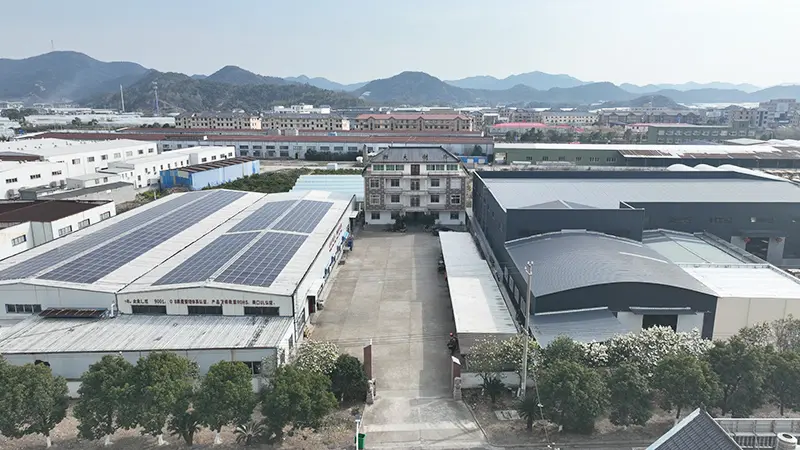
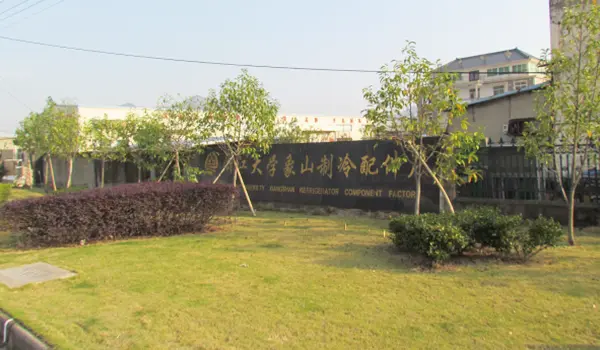
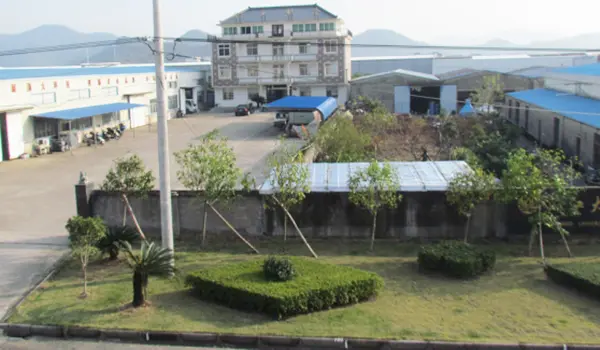
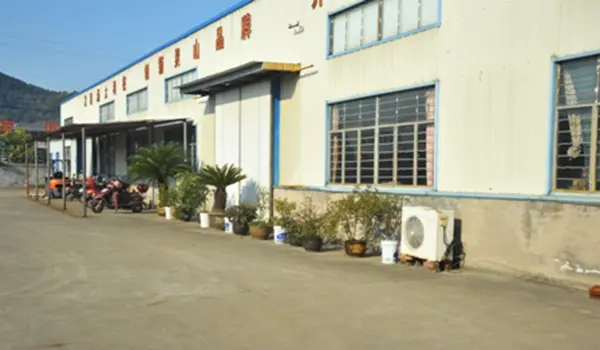
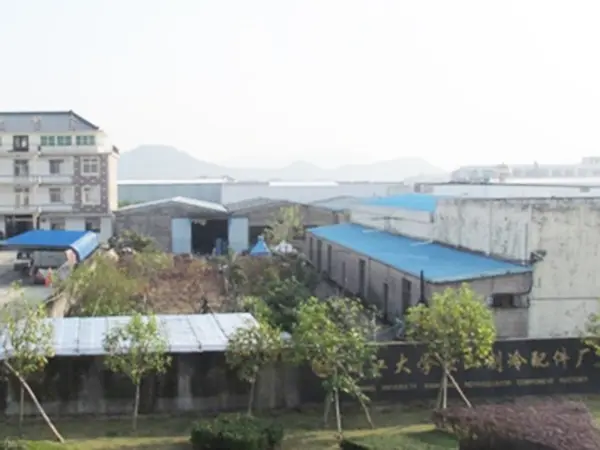
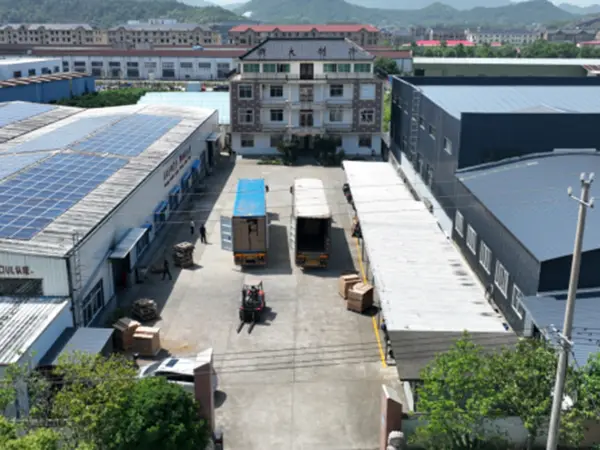
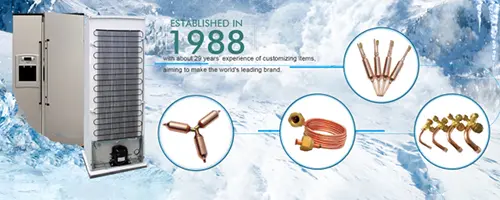
Founded in 1988, Ningbo Taojun Refrigeration Equipment Co., Ltd. has developed industry-leading research and design capabilities for premium refrigeration parts over 35+ years. Our core competitive edge is rooted in technological adaptation, partnering with academic institutions like Zhejiang University to refine our processes.
Verified physical properties and mechanical specifications of our double-walled copper-brazed steel tubing range.
| Characteristic / Parameter | Standard Reference Value | Taojun Factory Capabilities | Engineering Benefit |
|---|---|---|---|
| Outer Diameter (OD) Tolerance | ± 0.08 mm (Standard) | ± 0.02 mm to ± 0.05 mm | Ensures tight fitments with automated robotic condenser bending machinery. |
| Wall Thickness & Concentricity | ≥ 85% concentricity | ≥ 92% concentricity | Prevents thinning at outer bend radii under severe 180° sweeps. |
| Internal Residue Limit | Max 0.20 g/m² (ASTM A254) | ≤ 0.02 g/m² (Super Cleaned) | Prevents capillary blockage and chemical breakdown of POE/PAG oils. |
| Burst Pressure Rating | Min 95 MPa | 110 MPa - 130 MPa | Fully compatible with high-pressure natural refrigerants like CO₂ (R744) and Propane (R290). |
| Plating Salt Spray Resistance | 72 Hours (Standard Zinc) | 1000+ Hours (PVF Coating Matrix) | Maintains mechanical integrity in corrosive marine and outdoor environments. |
Globally, industrial demands are shifting toward compact, eco-friendly systems. High-quality 4mm Bundy tubing is key to these designs. Taojun's tubing solutions are designed to address the needs of several major industries:
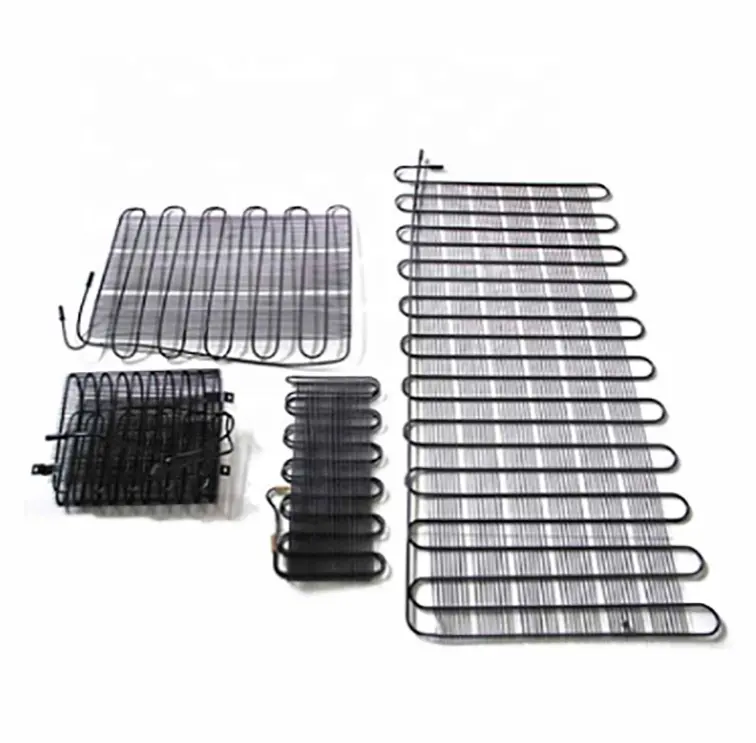
Modern commercial display cases, ice machines, and beverage coolers rely on complex wire-on-tube condensers. By using 4mm Bundy tubing instead of traditional 6.35mm alternatives, systems reduce refrigerant charge volumes by up to 35%. This drop helps commercial operations align with local global warming potential (GWP) limitations.
Safety is the primary metric for automotive braking and fuel systems. The double-walled design of our 4mm steel tubing provides reliable burst protection under rapid brake pedal applications. Trivalent zinc passivations supply robust defense against road salts and moisture.
Electric vehicle battery packs generate heat during rapid charging and discharging cycles. Our 4mm Bundy tubing can be bent into low-profile serpentine cooling plates. These setups distribute cooling fluid evenly across cells, supporting optimal thermal management.
Our manufacturing and quality control lines ensure compliance with international industrial standards. Whether meeting ASTM A254 (standard specification for copper-brazed steel tubing), SAE J527 (for automotive fluid applications), or DIN 74234 (governing braking line safety metrics), Taojun's 4mm Bundy tubing line provides reliable engineering consistency across global distribution networks.
How our factory uses structured manufacturing methodologies to ensure product quality and supply chain resilience.
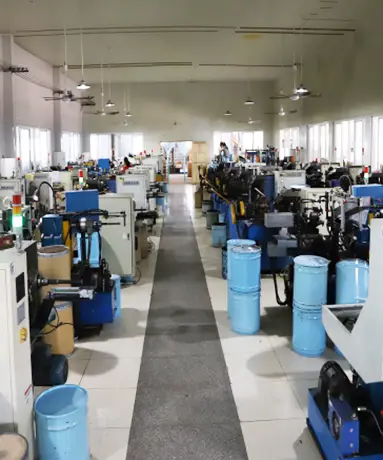
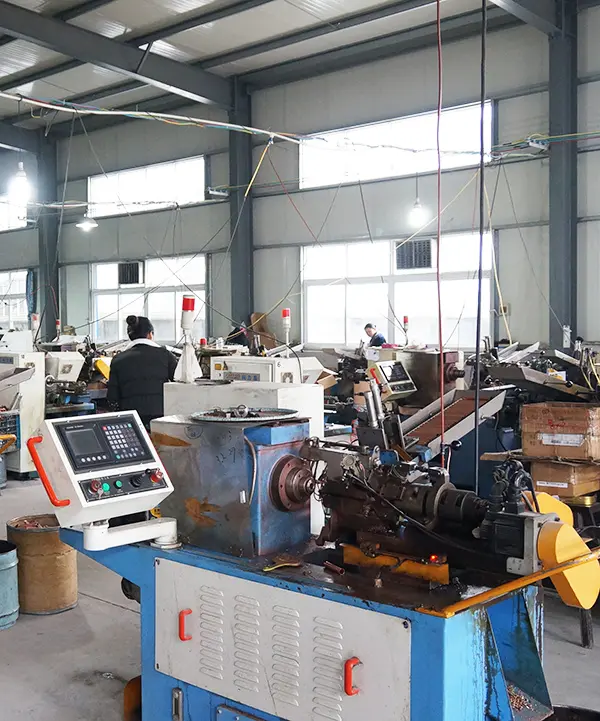
Our core production machinery is imported directly from Germany, enabling precise control over tube diameter tolerances and seam brazing consistency.
Our design team features 15 dedicated engineers, including doctors and researchers from the University of Science and Technology of China, supporting continuous product innovation.
We work with clients to design customized shapes, bending configurations, and lengths. Our team supports specialized requests from prototype design to full-scale production runs.
Our raw ITO films and specialized spacers are sourced from trusted Japanese partners. Core adhesive components are brought in from European suppliers to ensure structural longevity.
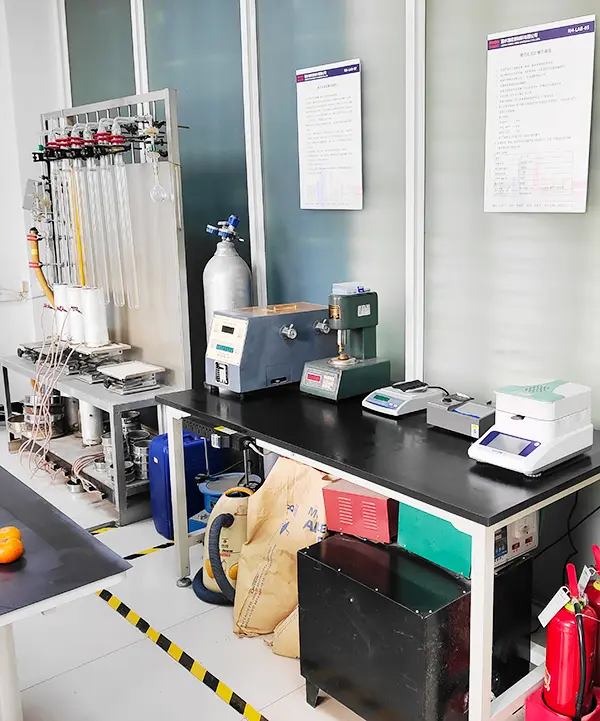
We subject finished products to high and low temperature tests (75°C to -35°C for 500 hours), thermal shock trials, and 100V high-voltage evaluations to ensure reliable operation.
With our modern MES and digital workshop management, we maintain stable production output, minimizing raw material supply risks and ensuring reliable order fulfillment.
B2B manufacturing partners must navigate varying regional regulatory and logistical environments. Meeting local compliance mandates and securing customs clearances are essential steps for trouble-free international shipments. Taojun Refrigeration maintains compliance with several major regional standards:
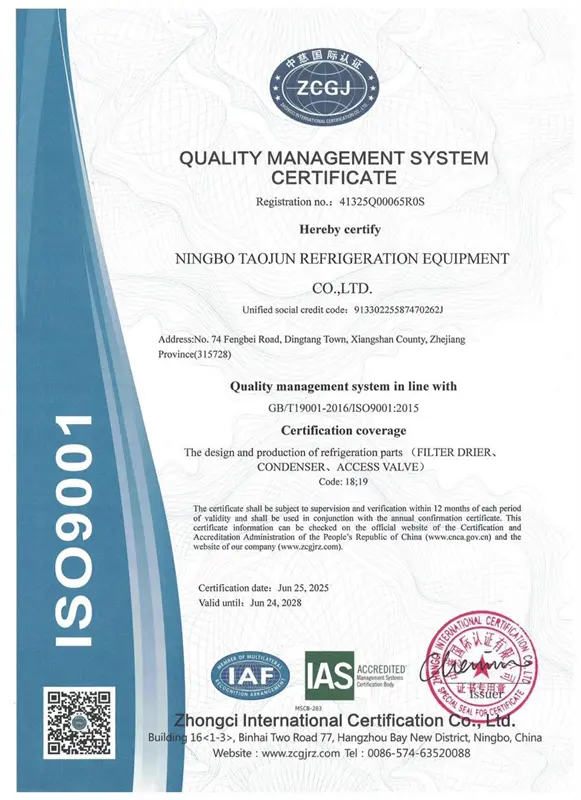
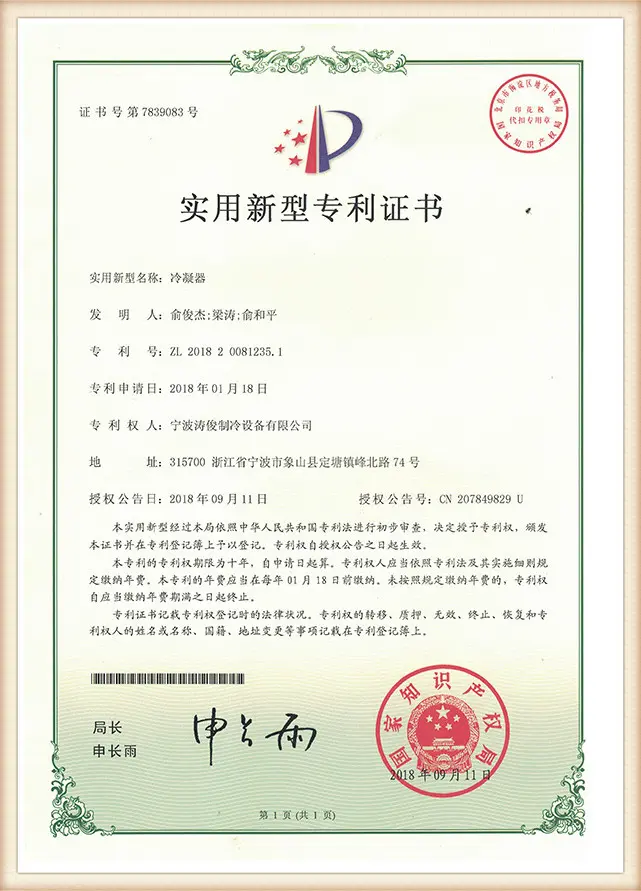
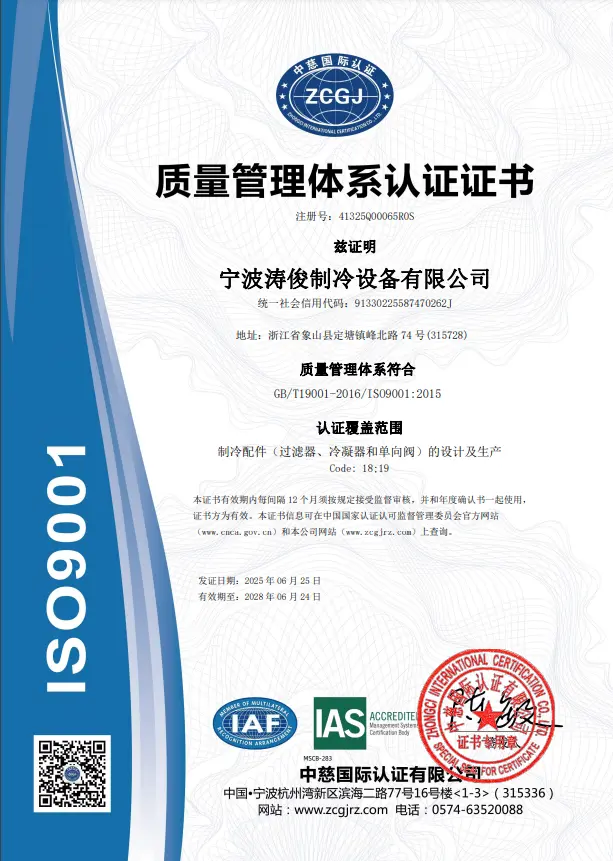
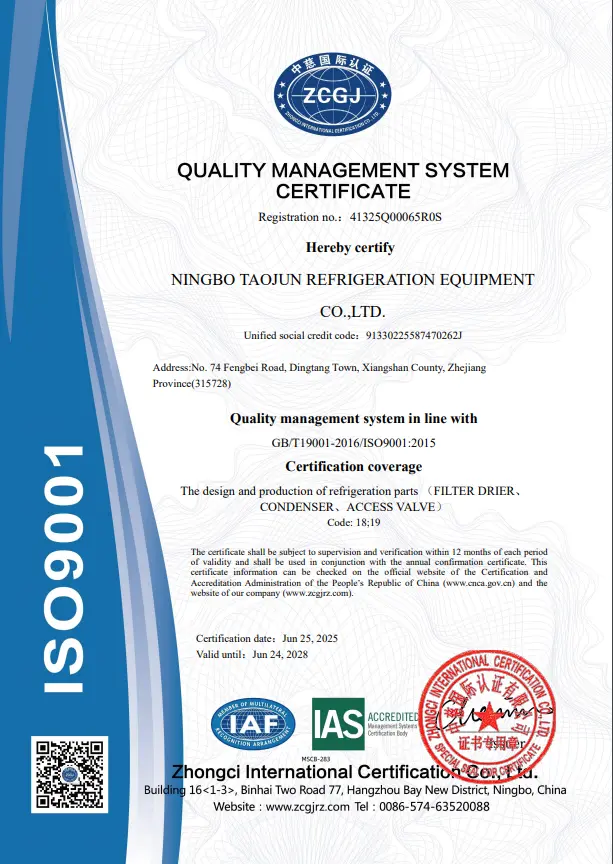
GB/T19001-2016 / ISO9001:2015
Registration Authority: CNCA China
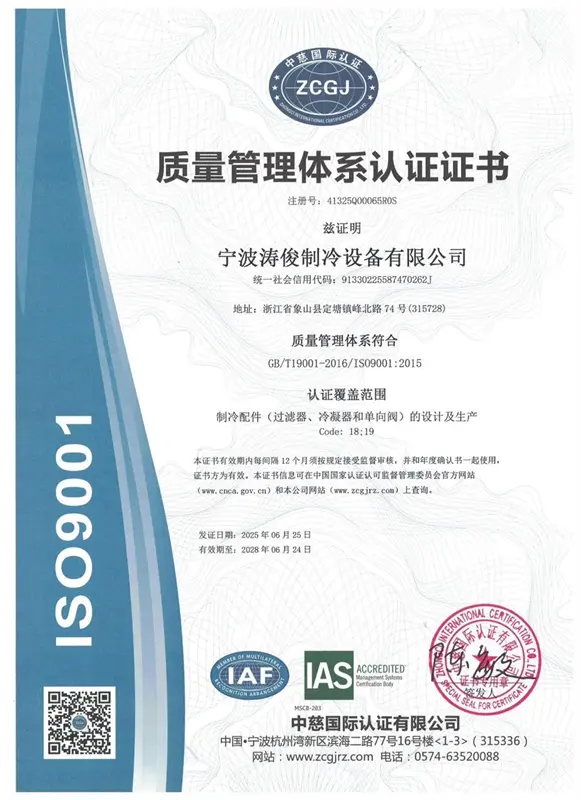
Manufacturing Audit Scope
Precision Filter Driers, Condensers & Valves
To help international buyers manage logistics risks, Taojun offers flexible trade terms including FOB Ningbo/Shanghai, CIF, and DDP. We work closely with major ocean carriers to ensure timely transport, and provide complete documentation packages—including Certificates of Analysis (COA) and mill test certifications—to simplify customs clearance.
Volatile global raw material markets and logistical disruptions require stable, resilient manufacturing partners. At Taojun, we address these challenges through our Factory 4.0 operational standards, integrating digital monitoring with reliable material access:
Purchasing teams must balance initial material costs against long-term fabrication efficiency. High-quality double-walled steel tubing pays off during assembly by preventing issues on the production line. When sourcing 4mm Bundy tubing, consider these essential technical factors:
1. Carbon Content of Base Steel: Insist on low-carbon steel (typically SPCC or equivalent, with Carbon ≤ 0.08%). Higher carbon content increases hardness, which can cause cracking at the tight bends typical in compact condensers.
2. Interface Copper Coating Thickness: The inner and outer copper layers should measure between 3 and 5 microns. This range guarantees proper capillary flow of the brazing alloy during furnace heating, creating a leak-free double-walled seam.
3. Cleanliness Standards: Internal residues must remain below 0.20 g/m² (and ideally under 0.02 g/m² for modern refrigerants). Residual carbon or processing oils can react with synthetic refrigeration lubricants, forming sludge that blocks expansion valves.
4. Consistent Concentricity: Variation in wall thickness should not exceed 10%. Tubing with poor concentricity tends to flatten or collapse during bending, restricting internal flow area and reducing system efficiency.
Our historical milestones and the industries we serve, demonstrating over 35 years of engineering experience.

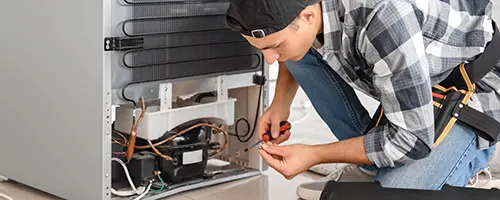
Technical answers to common engineering questions regarding the installation, metallurgy, and performance of 4mm Bundy tubes.
Single-walled steel tubes are made by rolling a single steel strip and welding the seam. Double-walled Bundy tubes roll a single strip through 720 degrees to create overlapping walls. These are then furnace-brazed with copper, providing much higher burst pressure ratings (often exceeding 110 MPa) and better resistance to structural fatigue under vibration.
Small diameter tubes are sensitive to internal contamination. If internal residue exceeds 0.20 g/m², residual paraffin or rolling oils can mix with modern refrigerants and lubricating oils (like POE/PAG). This mixture can form blockages in capillary tubes and expansion valves, causing system failure. Taojun maintains residues below 0.02 g/m² through multi-stage industrial solvent washes.
Yes. Double-walled steel Bundy tubing offers higher mechanical strength, better puncture resistance, and lower material costs than copper. It is highly compatible with automated bending machinery and holds its shape well. However, because steel has lower thermal conductivity than copper, designers must slightly increase the tube surface area (such as using wire-on-tube configurations) to achieve equivalent heat transfer.
We provide three standard coating options: copper plating, trivalent zinc plating, and multi-layer PVF (Polyvinyl Fluoride) coating. PVF-coated tubes offer the highest corrosion resistance, surviving more than 1000 hours in salt spray testing, making them suitable for marine and highly corrosive environments.
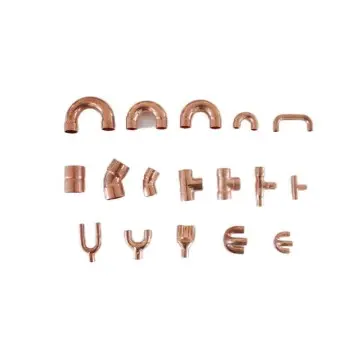
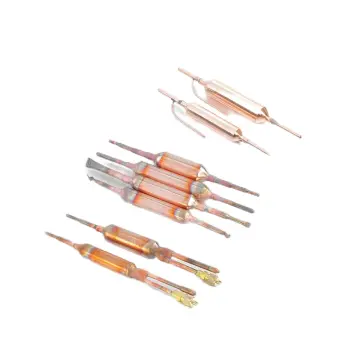
Explore our specialized evaporators, filter driers, insulated piping, and U-bends for appliance repair and industrial HVAC/R maintenance.
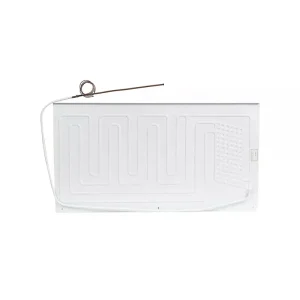
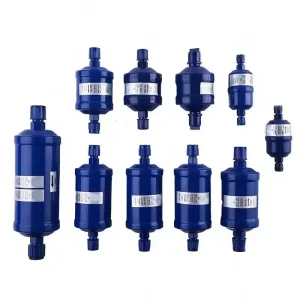
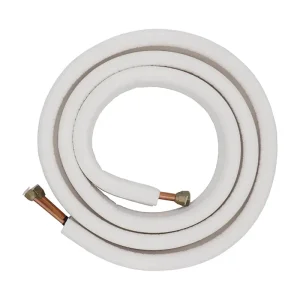
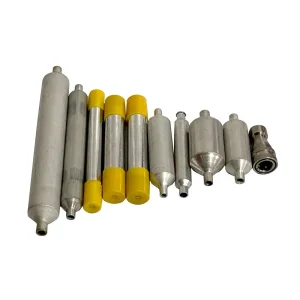
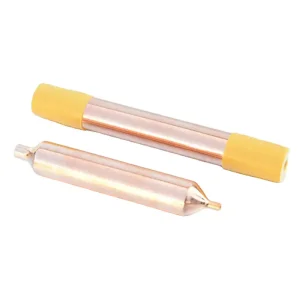
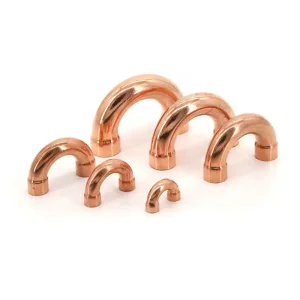
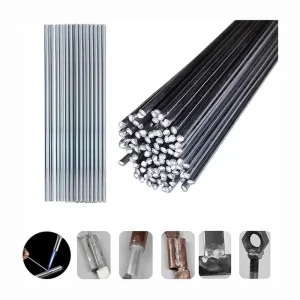
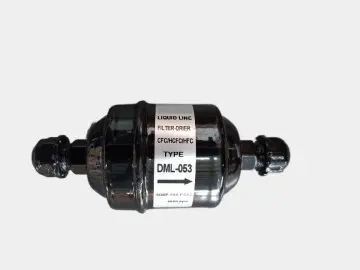
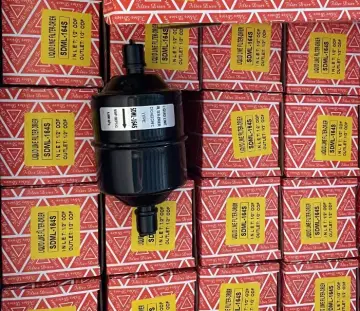
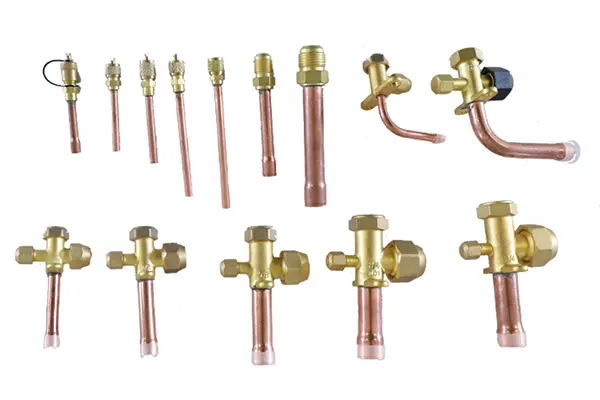
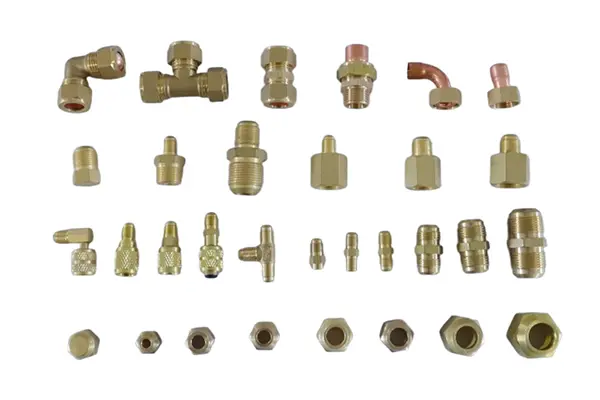
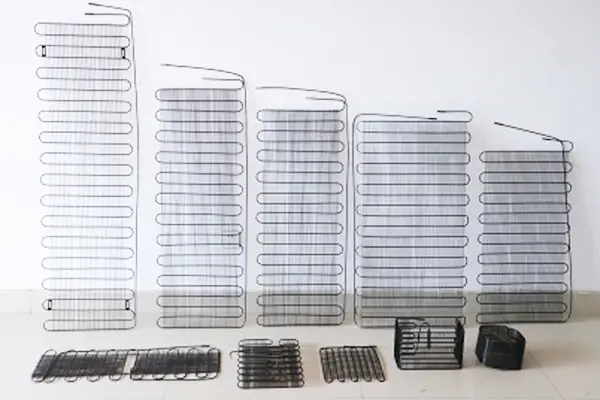
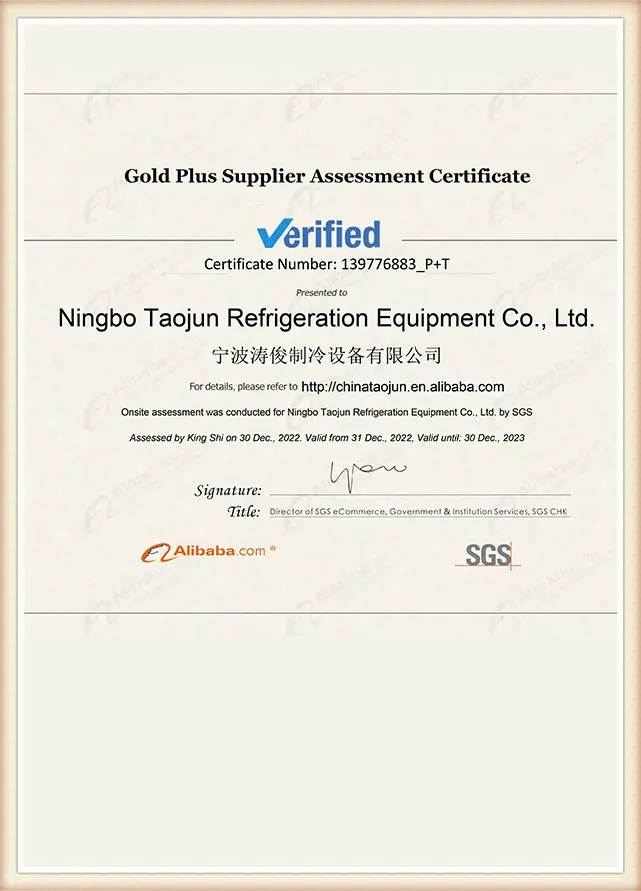
Reference catalogs, certified product displays, and original manufacturer listings as originally provided.
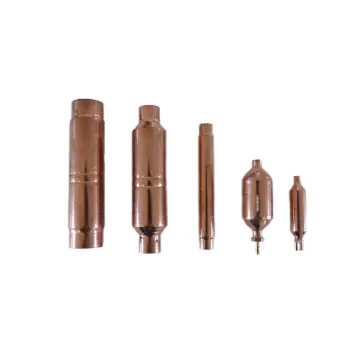
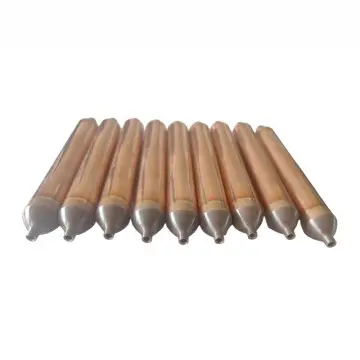
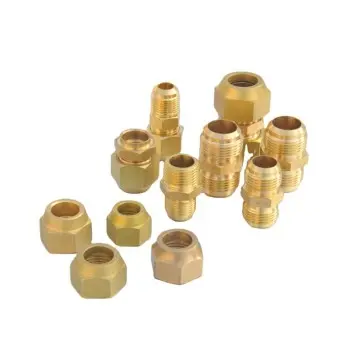
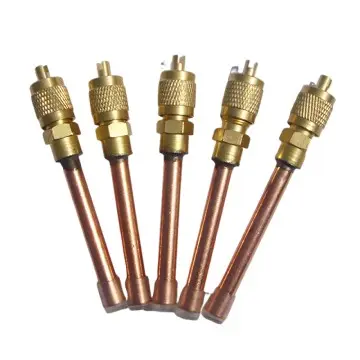
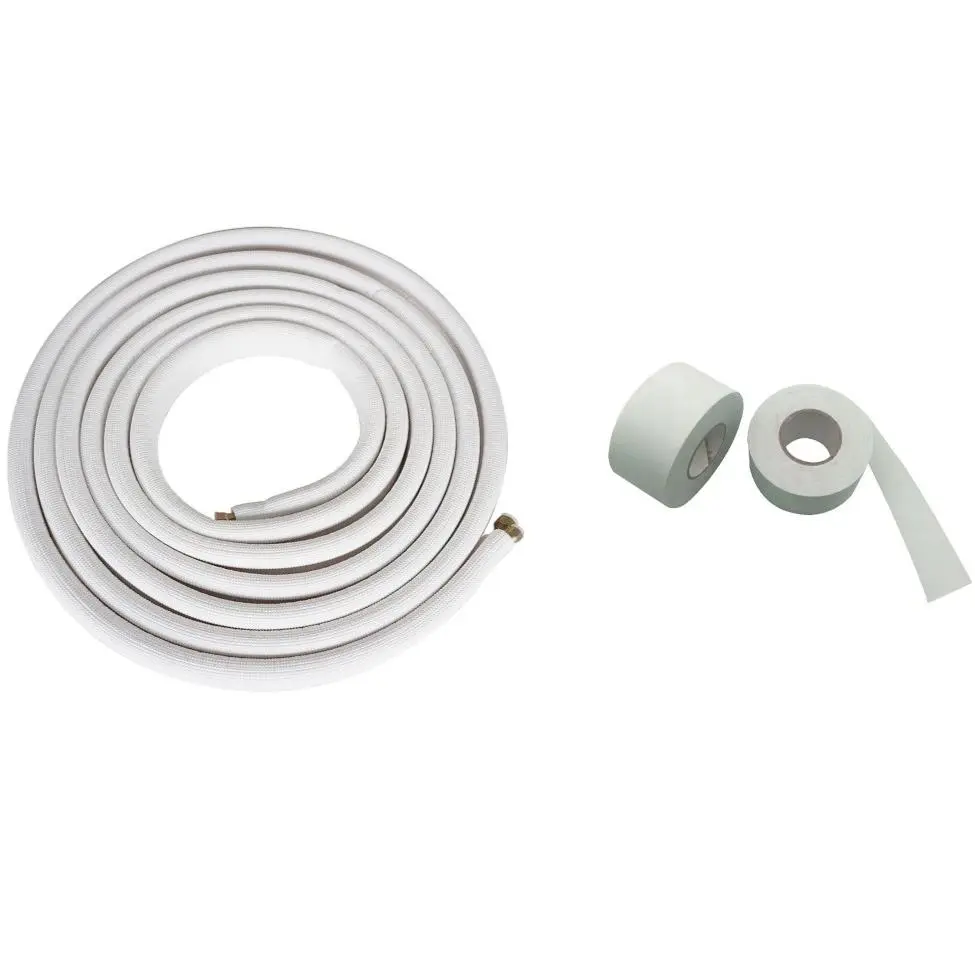
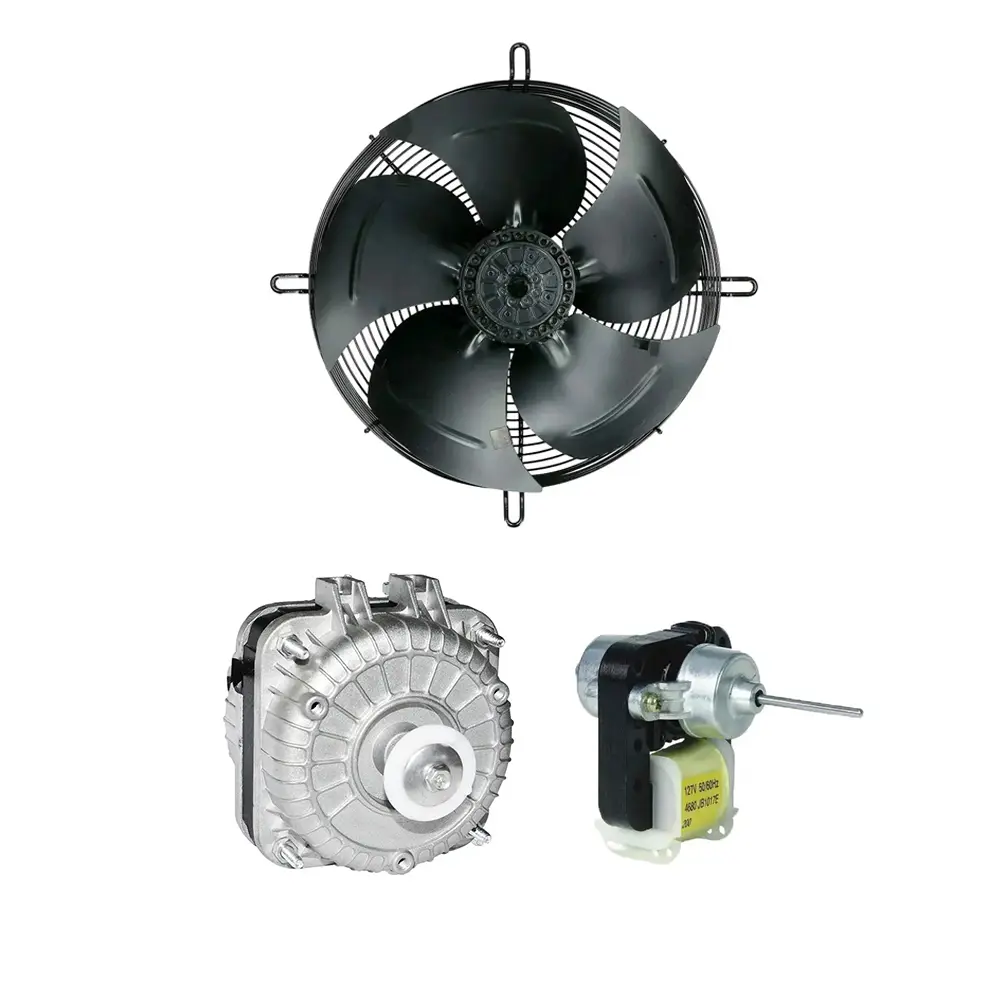
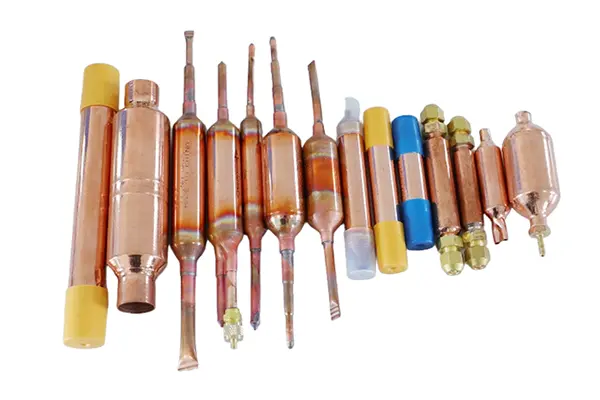
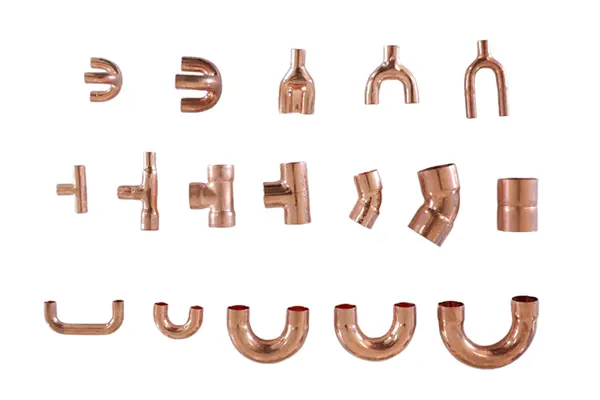
A world brand is supported by a corporate culture. We fully understand that her corporate culture can only be formed through Impact, Infiltration and Integration. The development of our group has been supported by her core values over the past years: Honesty, Innovation, Responsibility, Cooperation.
1. Pre-sales service: Inquiry and consulting support with 15 years of technical experience; one-to-one sales engineer technical service; 24-hour service hot-line with responses within 8 hours.
2. After-sales service: Technical training and equipment evaluation; installation, debugging, and troubleshooting assistance; maintenance updates and improvements; one-year warranty with lifetime free technical support.
 Taojun