A specialized showcase of our core high-performance copper products and thermal management accessories. Engineering excellence designed for commercial chillers, domestic refrigeration, and industrial refrigeration loops.
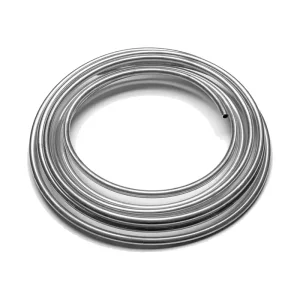
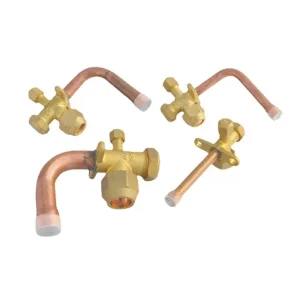
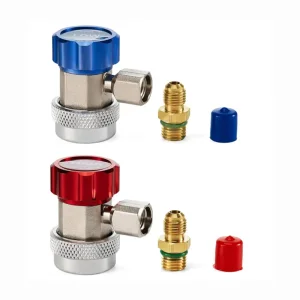
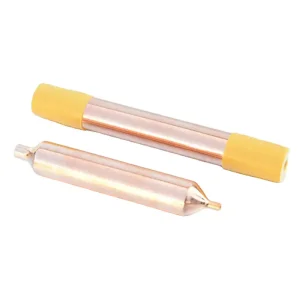
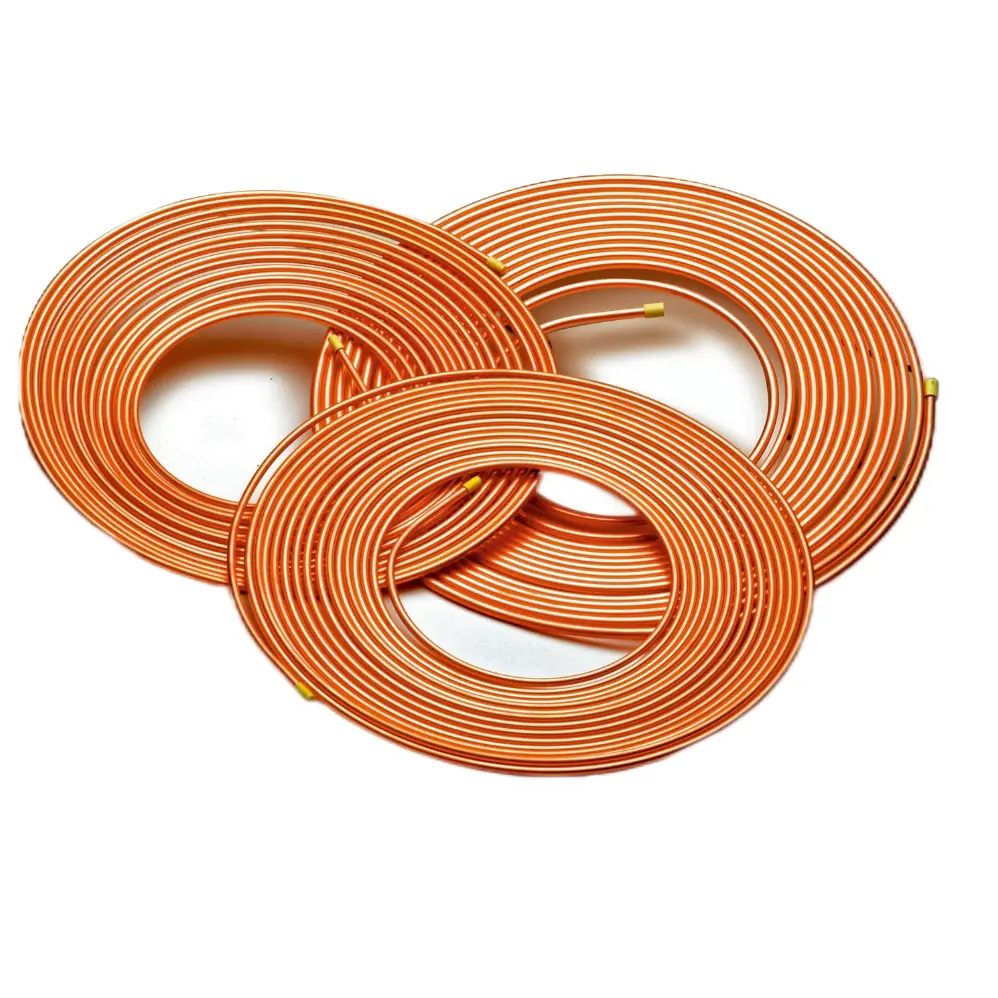
In modern high-efficiency HVAC/R design, Soft Annealed Level Wound Coil (LWC) copper tubing represents the foundational material that directly determines system integrity, heat-transfer coefficient, and overall operational lifespan. As global energy efficiency standards (such as SEER 2 in North America and ErP directives in Europe) enforce stricter thermal regulations, the metallurgical control of copper manufacturing must reach unprecedented precision. Understanding the parameters of soft annealing, grain structure, chemical purity, and manufacturing controls is essential for engineering procurement leaders seeking high-performance OEM components.
Top-tier Chinese factories utilize Phosphorus-Deoxidized, High Residual Phosphorus copper (specifically UNS C12200 or Cu-DHP according to European standards). The alloy consists of a minimum 99.90% pure copper (including silver) and is deoxidized with phosphorus, retaining a residual range of 0.015% to 0.040% phosphorus. This specific formulation guarantees that the copper will not suffer from hydrogen embrittlement during high-temperature brazing or welding. Furthermore, the phosphorus residual significantly refines the grain size during recrystallization, stabilizing the mechanical properties under extreme cycle stresses.
In refrigeration loops employing next-generation eco-friendly refrigerants like R32, R290 (propane), and R744 (CO₂), system pressure values can exceed 4.0 to 12.0 MPa. High-purity deoxidized copper prevents micro-porosity at joint boundaries, maintaining burst pressures that exceed ASTM specifications by margins of up to 30%.
Soft annealing is a thermodynamic treatment where cold-worked Level Wound Coil (LWC) copper is subjected to controlled induction heating or gas-fired radiant furnace treatment at temperatures typically between 450°C and 650°C in a protective atmosphere. This process facilitates full recrystallization, dropping the tensile strength while scaling up the material's ductility. The resulting metallurgical profile ensures that the tubing exhibits a tensile strength (Rm) of 200–250 N/mm² and an elongation percentage (A50) exceeding 40%.
| Parameter | Industrial Standard (ASTM B743 / EN 12735-2) | Juntao High-Precision Spec | Engineering Benefit |
|---|---|---|---|
| Copper Alloy Purity | ≥ 99.90% (Cu-DHP) | 99.95% (Electrolytic Grade) | Maximizes electrical/thermal conductivity; reduces impurity fatigue. |
| Phosphorus Content | 0.015% – 0.040% | 0.020% – 0.035% | Optimal weldability and grain structure control. |
| Grain Size | 0.025 mm – 0.060 mm | 0.030 mm – 0.045 mm | Prevents wall collapse during rapid automated hairpin bending. |
| Tensile Strength (Rm) | Min. 200 N/mm² | 210 – 235 N/mm² | Balanced softness for hand-bending and structural integrity. |
| Elongation (A50) | ≥ 40% | ≥ 45% | Dramatically reduces cracking during complex mechanical expansions. |
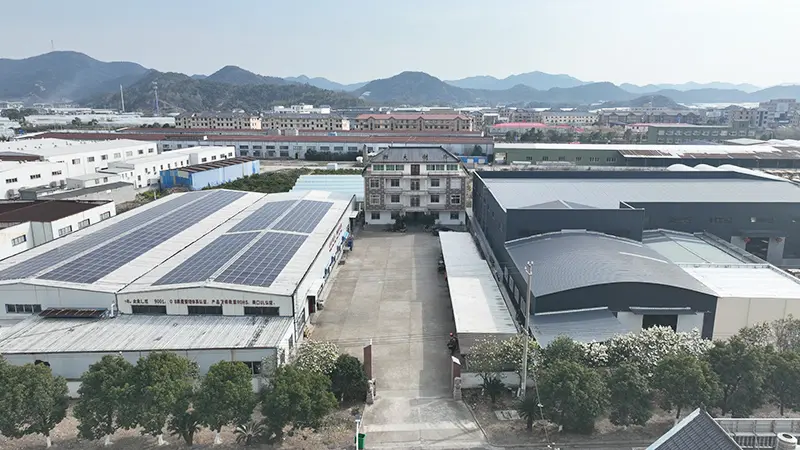
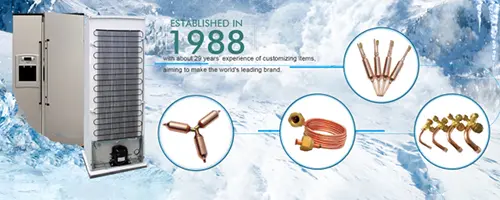
Ningbo Taojun Refrigeration Equipment Co., Ltd. (operating under the global brand "Juntao Refrigeration") is located in the scenic industrial and maritime hub of Xiangshan, Ningbo. Established in 1988, our predecessor was the esteemed Xiangshan Refrigeration Accessories Factory of Zhejiang University. Combining academic rigor with industrial scale, we have spent more than three decades refining our proprietary manufacturing techniques.
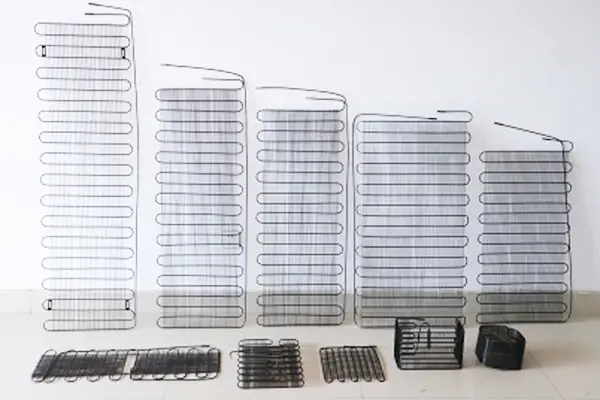
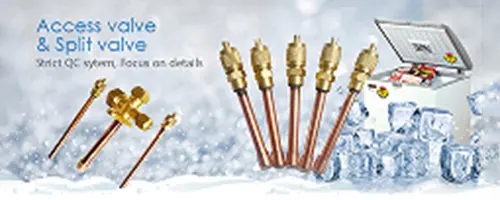
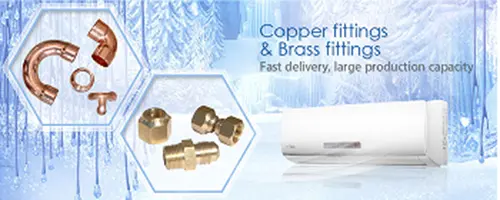
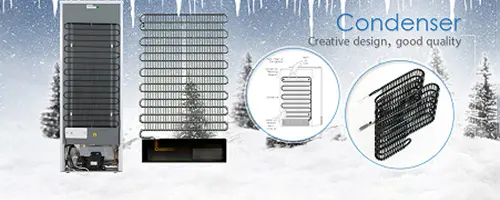
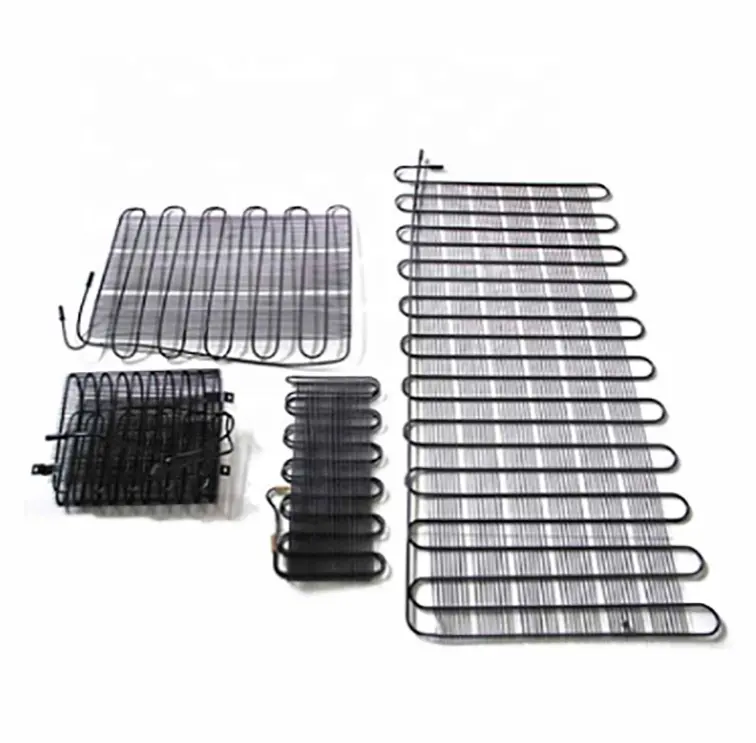
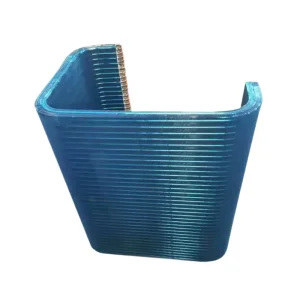
Today, our product range includes high-capacity copper filter driers, check valves, air conditioning split service valves, finned tube condensers, brass/copper connectivity fittings, and specialized AC accessories. In 2021, our facilities received official recognition as a National High-Tech Enterprise, acknowledging our commitment to materials science and automated process optimization.
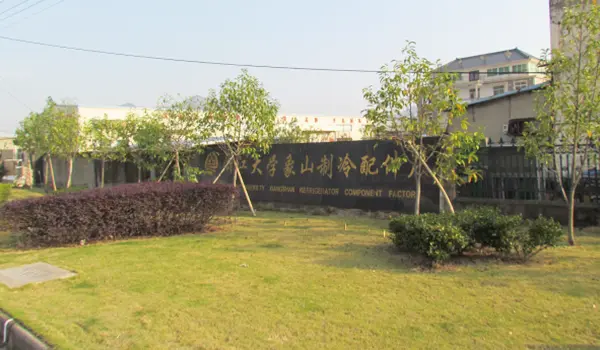
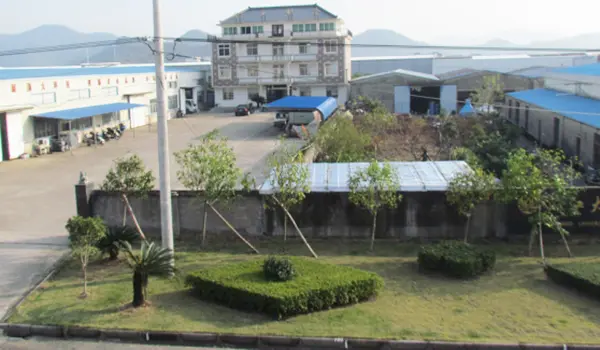
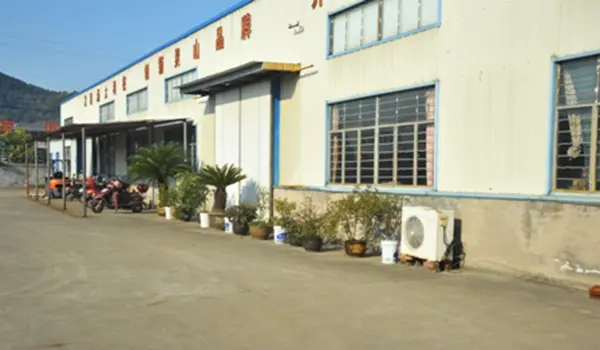
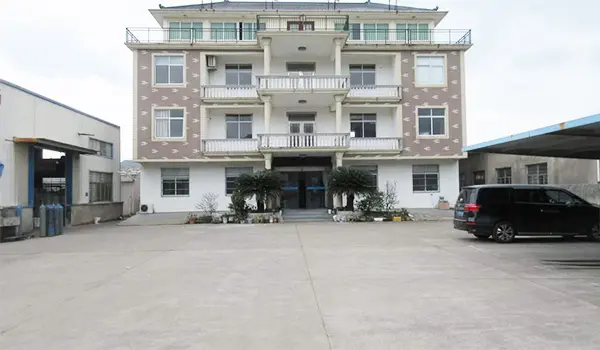
For over 38 years, Taojun has specialized in manufacturing commercial-grade refrigeration accessories that integrate seamlessly into complex thermal management platforms. Our core focus lies in the production of high-performance filter driers, stop valves, and copper manifolds designed to ensure clean, leak-proof refrigerant routing.
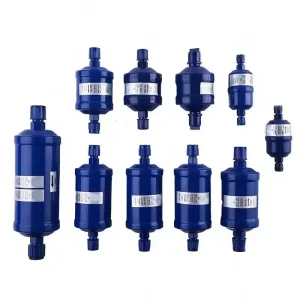
Designed strictly to absorb moisture, neutralise systemic organic acids, and filter solid particulates from high-velocity liquid lines. Ideal for both residential and commercial refrigerators, retail display freezers, and VRF systems, our filter driers prolong compressor life and prevent thermal expansion valve blockages.
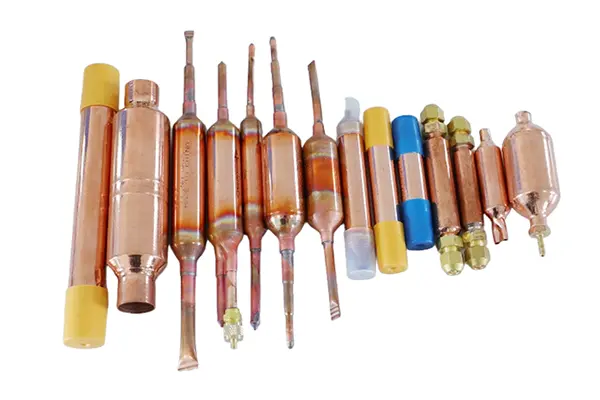
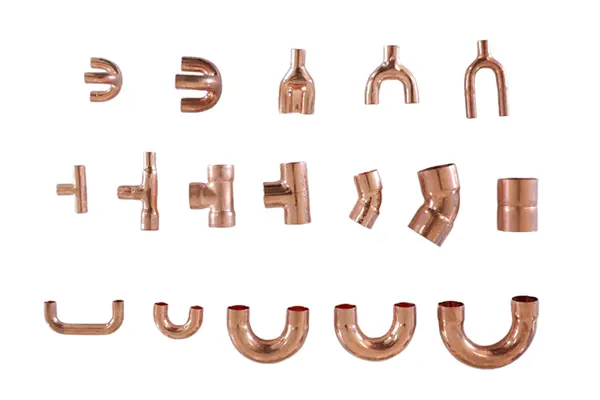
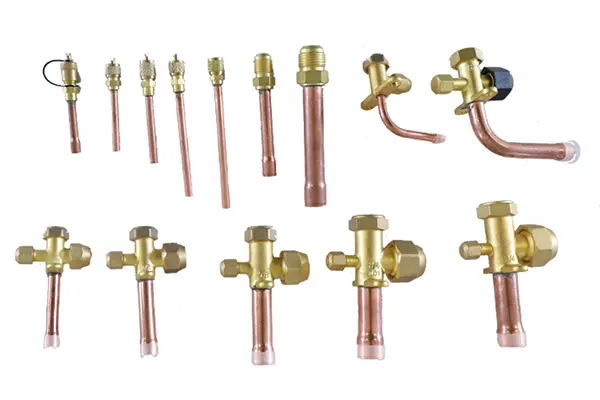
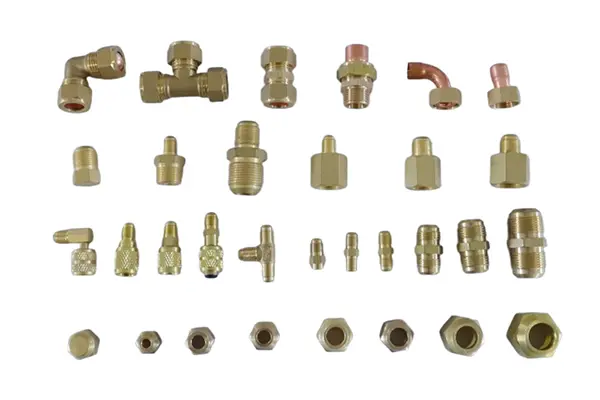
Our filter drier shells are engineered from high-purity copper tubing exhibiting superior pressure resistance. The internal filtration matrix combines a 3A Molecular Sieve (with water absorption capacity ≥ 20%) and an active desiccant layout. This dual-phase setup captures micro-particles down to 20 microns while preventing chemical breakdown under synthetic polyolester (POE) and polyvinyl ether (PVE) oils.
Our key processing lines, cold drawing mandrels, and automated tube straighteners are sourced from industry-leading manufacturers in Germany, ensuring wall-thickness concentricity tolerances within ±0.02 mm.
Partnering with professors and researchers from the University of Science and Technology of China (USTC) and Zhejiang University, our lab works on micro-groove thermodynamics and anti-corrosion chemistry.
Our raw material testing protocols screen raw copper cathodes, Japanese-imported ITO films, and European specialty sealants. Finished components undergo 500-hour environmental chamber testing (-35°C to 75°C).
We accommodate customized tube dimensions, complex manifold bends, special connection configurations, and proprietary logo laser branding, maintaining low MOQ requirements for new project startups.
The operational environment dictates the mechanical and chemical parameters of soft annealed LWC copper tubing. Below are the key real-world setups where high-precision LWC demonstrates distinct advantages over standard copper piping:
In modern multi-story office blocks and residential high-rises, VRF indoor units demand complex mechanical bending within extremely limited chassis envelopes. The high ductility of soft annealed LWC allows tight-radius hairpin bending without wall buckling, maintaining constant refrigerant cross-sectional area and minimizing pressure drop.
Supermarket walk-in freezers require heat exchangers that can resist rapid thermal cycles (from -40°C during deep freeze to +15°C during hot gas defrosting). Juntao's optimized grain size prevents structural fatigue cracking at the U-bends over millions of expansion cycles.
Electric Vehicles (EVs) utilize advanced heat pumps to heat and cool battery packs. Because weight is critical, designers prefer thin-walled LWC tubes. Our micro-groove technology delivers the necessary thermal performance in a lighter package, ensuring mechanical reliability during continuous road vibration.
The global copper tube market is highly dependent on swift lead times, consistent raw material supply, and stable shipping logistics. Chinese LWC copper manufacturers, particularly those situated in the Yangtze River Delta cluster (Ningbo-Shaoxing-Shanghai), offer unmatched structural advantages that protect global buyers from supply disruptions.
Located in Xiangshan, Ningbo, our facility is within a 2-hour trucking distance from Ningbo-Zhoushan Port. This close proximity reduces local freight costs and minimizes land transport risks, ensuring that containers are loaded onto global container ships in the shortest time possible. This logistic path is critical for meeting strict manufacturing schedules (Just-In-Time) in Europe, the Americas, and Southeast Asia.
Ningbo is home to a world-class metallurgical cluster. From copper refining and initial billet casting to final drawing and annealing, every step is executed within a 100-kilometer radius. This integration offers major procurement benefits:
Since 2008, Ningbo Taojun has run a modern MES (Manufacturing Execution System). This digital system tracks each level wound coil from raw copper cathode input to final delivery. In case of field quality queries, we can pull up production logs (including furnace temperature, cooling rates, and eddy current test scans) within minutes, providing complete traceability.
The global HVAC/R market is undergoing a major structural shift driven by climate regulations. The phasing out of traditional high-GWP (Global Warming Potential) refrigerants like R410A and the transition to HFC substitutes and natural refrigerants (such as R32, R290, and CO₂) have reshaped the technical demands on copper tubing.
In response, the industry is moving towards micro-grooved, thin-walled LWC copper tubes. By creating internal helical grooves, manufacturers increase the inner surface area of the tube and generate turbulence in the refrigerant flow. This design improves the heat transfer coefficient by 1.5 to 2.0 times compared to smooth-bore tubes. The increased efficiency allows HVAC/R systems to reduce both refrigerant charge and the overall size of the condenser/evaporator coils, aligning with circular economy principles.
Unlike composite plastics or complex multi-layer tubes, copper remains 100% recyclable without losing its material properties. Purchasing C12200 soft annealed LWC ensures that the end-of-life heat exchanger can be fully reclaimed, helping OEMs hit their scope 3 carbon reduction goals.
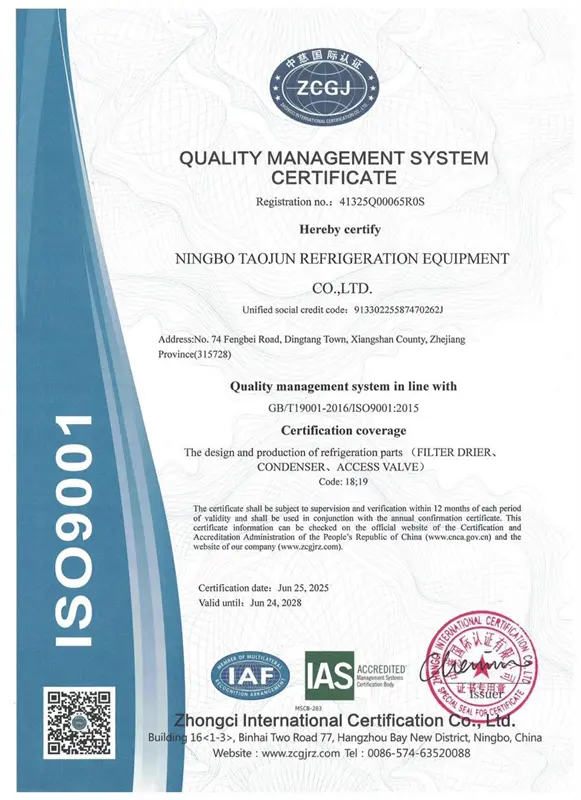
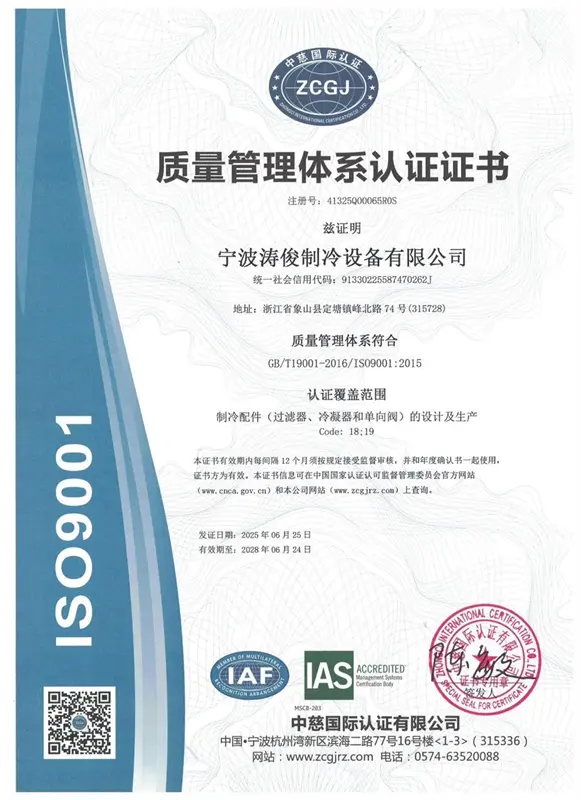
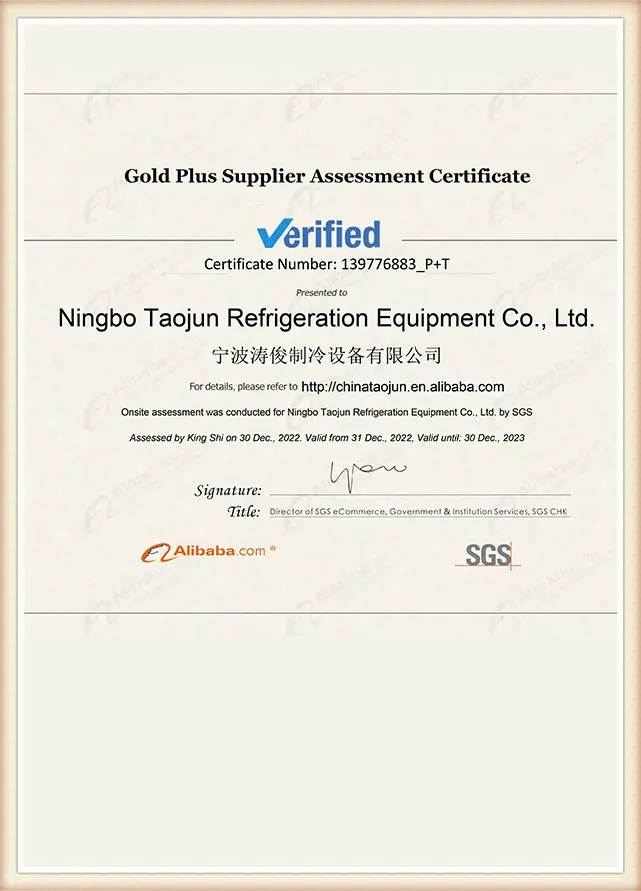
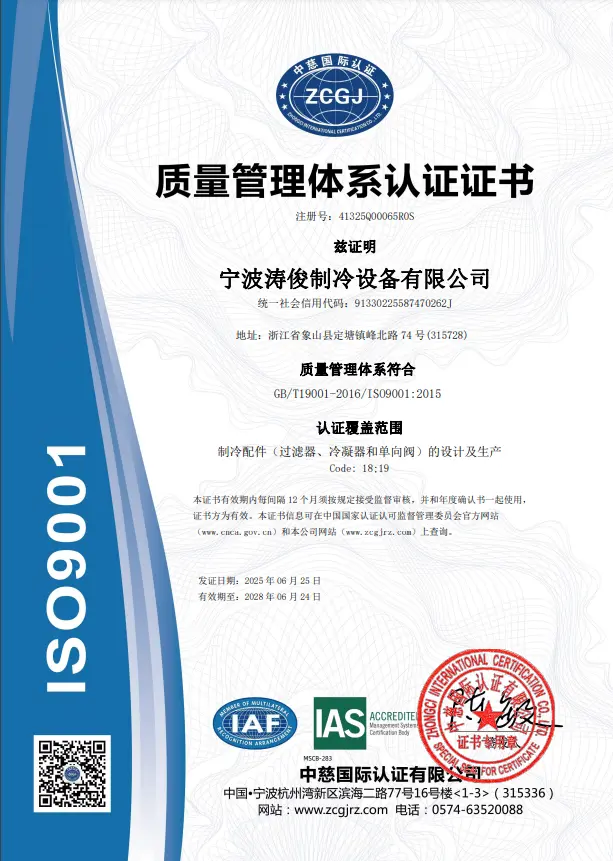
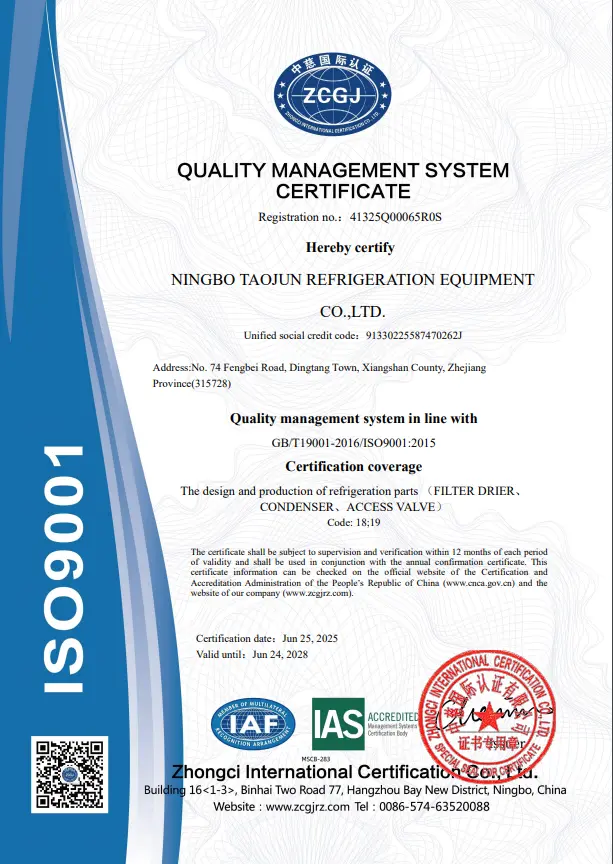
International compliance acts as the foundation of our engineering validation. Ningbo Taojun holds official quality system registrations, including GB/T19001-2016/ISO9001:2015 (Registration No.: 41325Q00065R0S), verified via the CNCA and Zhongci International. Our products are fully certified under EU RoHS, EU REACH, and USA UL safety standards.
1988: Xiangshan Refrigeration Accessories Factory established in partnership with Zhejiang University.
1998: Relocation to a new facility, expanding cold drawing capacity.
2008: Implementation of our MES (Manufacturing Execution System) and automated testing equipment.
2024: Launch of our smart logistics center, serving global tier-1 home appliance brands (Haier, Midea, Gree, Whirlpool, Electrolux).
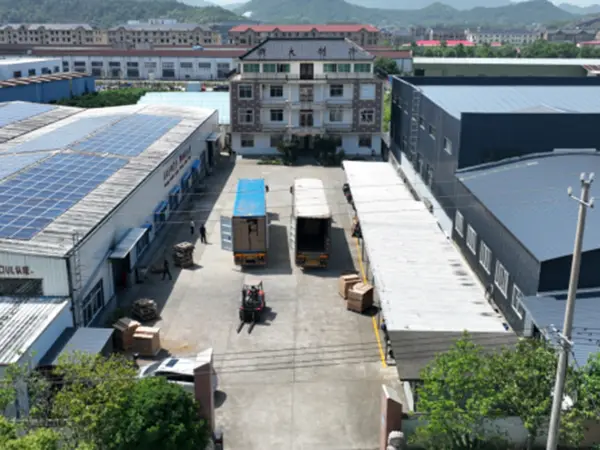
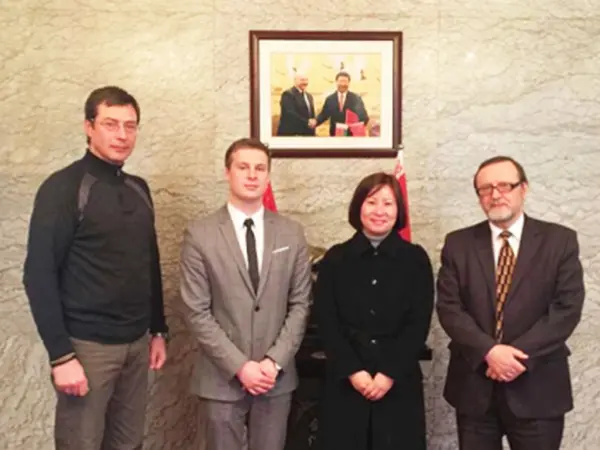
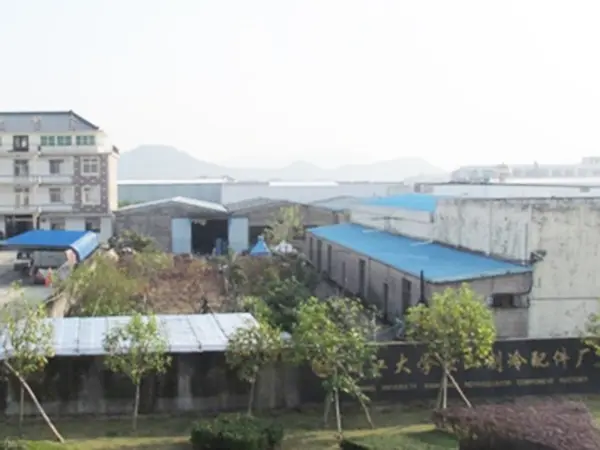
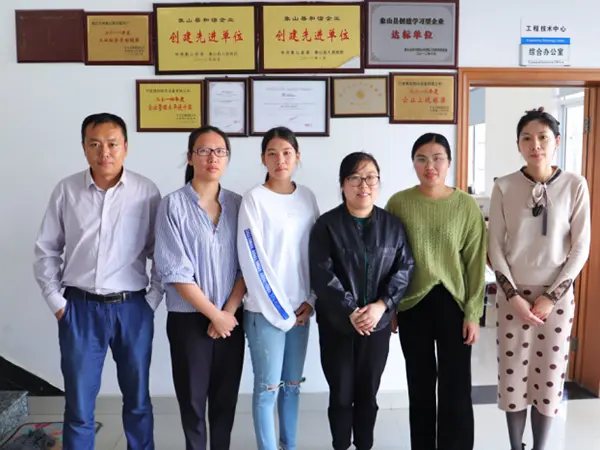
We believe that high-quality products require modern manufacturing environments. Our production areas are split into three dedicated zones: the heavy-machinery forming workshop, the chemical assembly line, and our quality control testing laboratory.
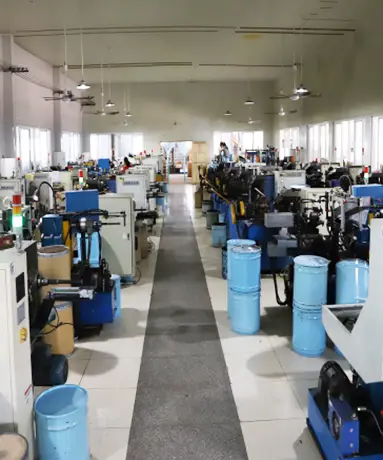
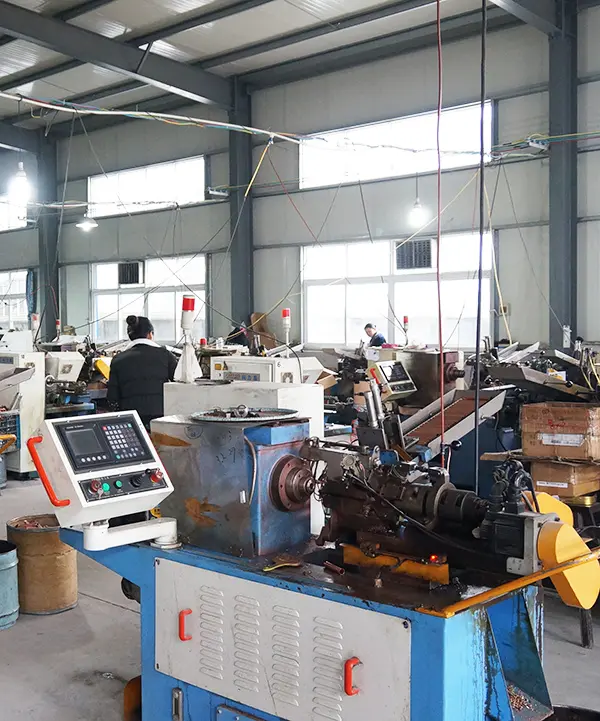
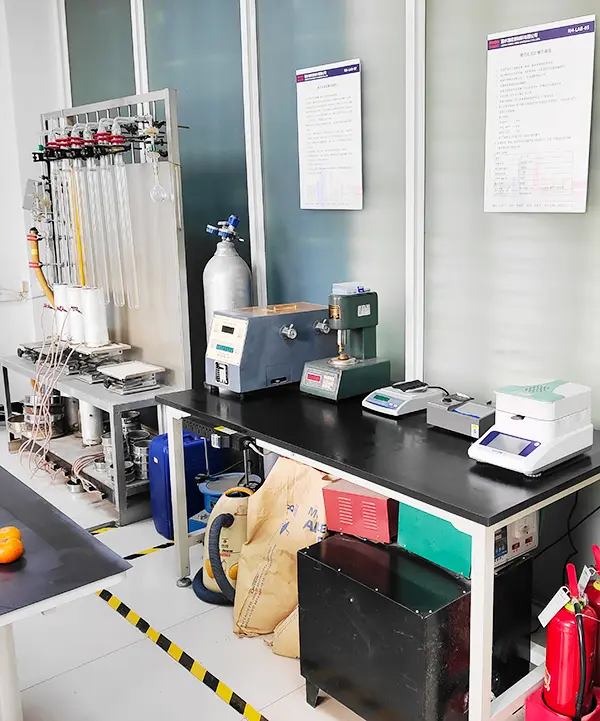
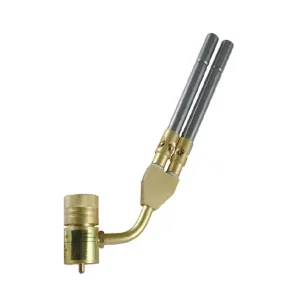
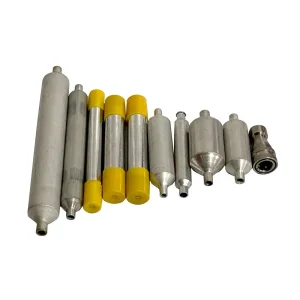
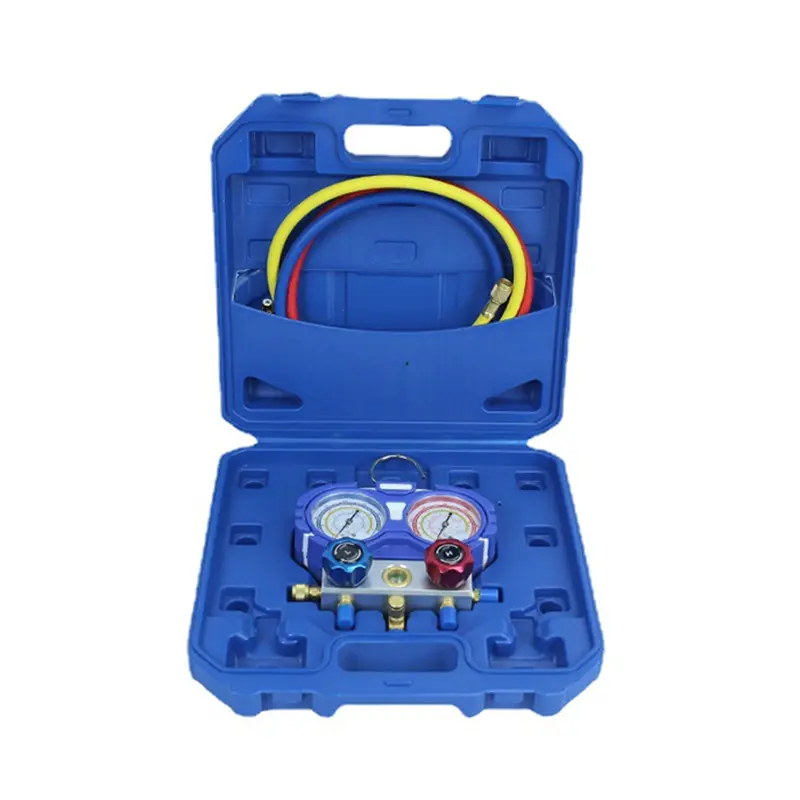
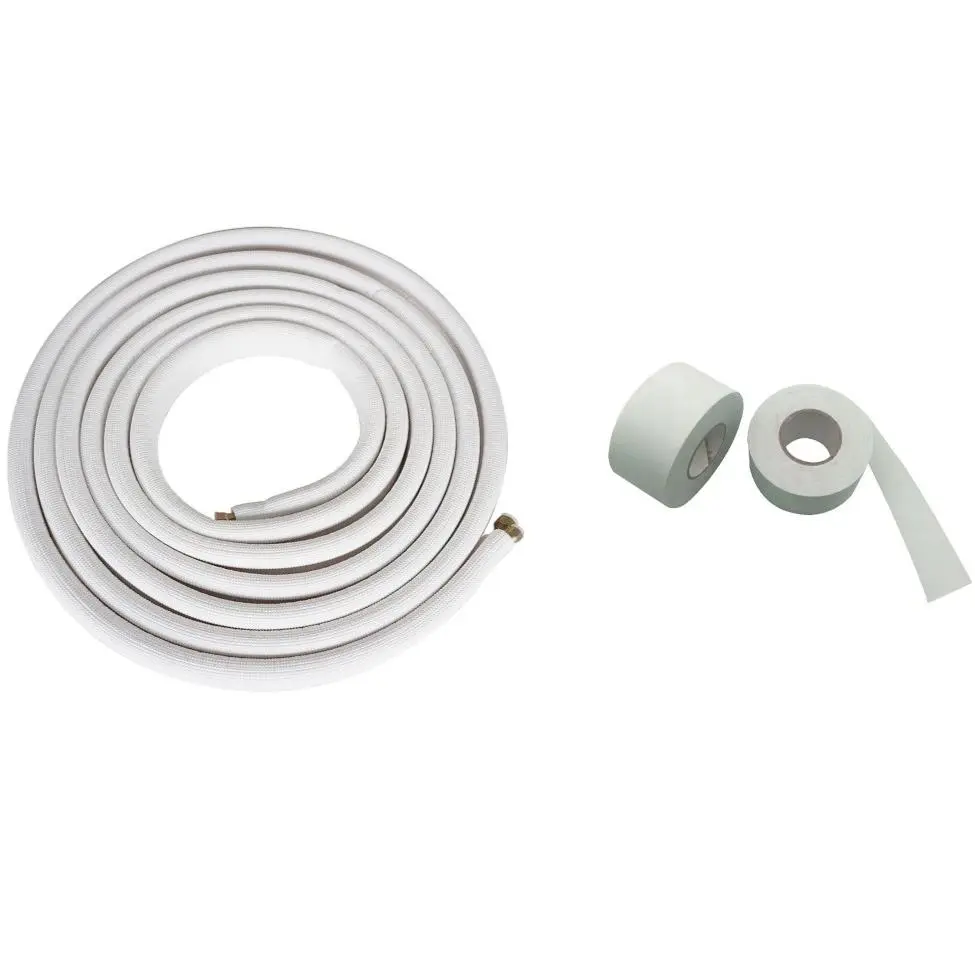
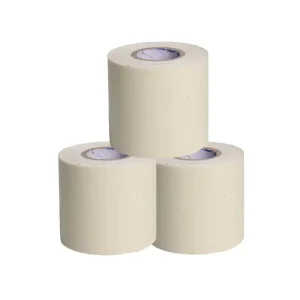
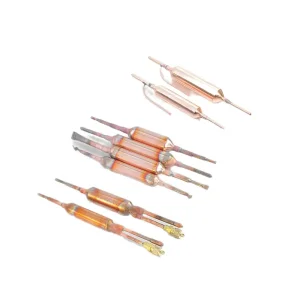
In addition to raw soft annealed LWC copper coils, Taojun produces a wide range of specialized copper assemblies, brass fittings, and moisture-control solutions for B2B refrigeration and HVAC systems.
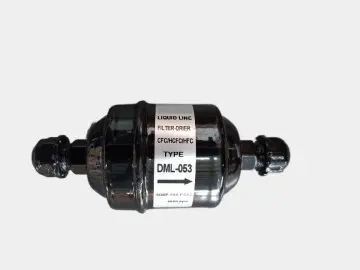
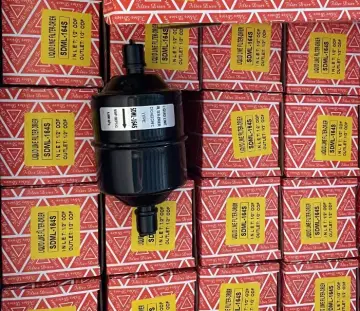
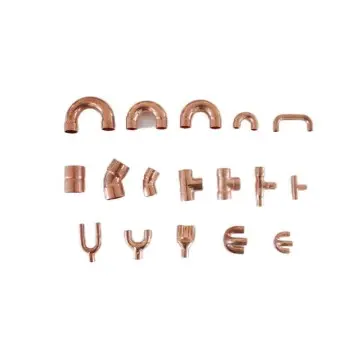
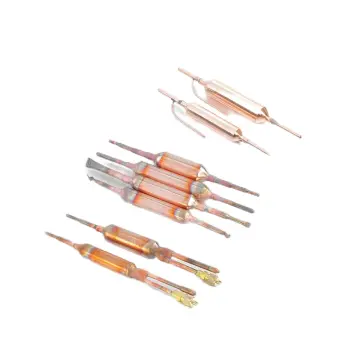
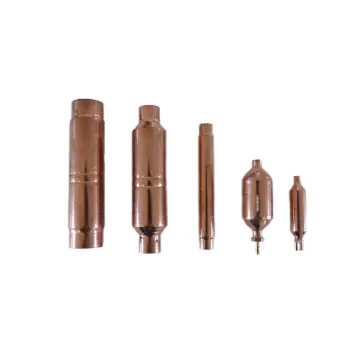
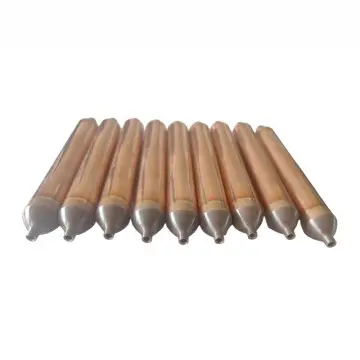
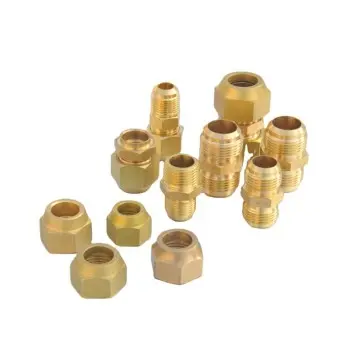
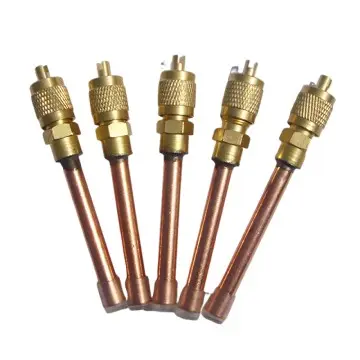
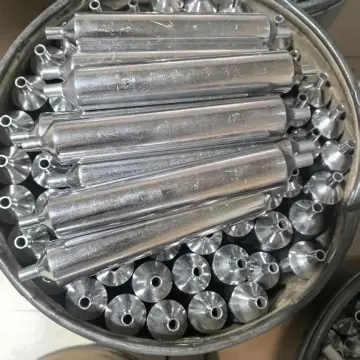
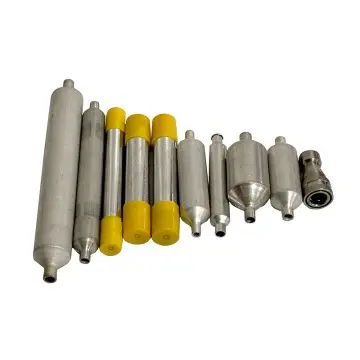
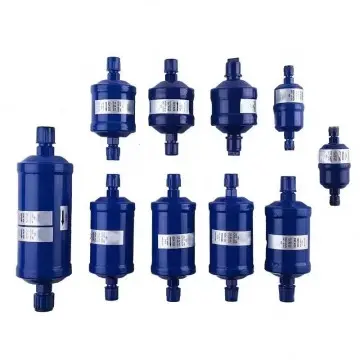
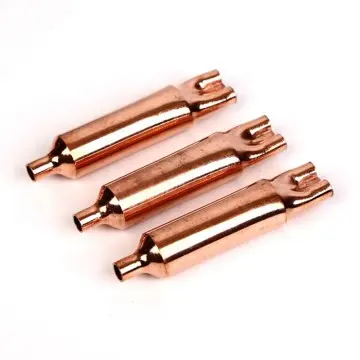
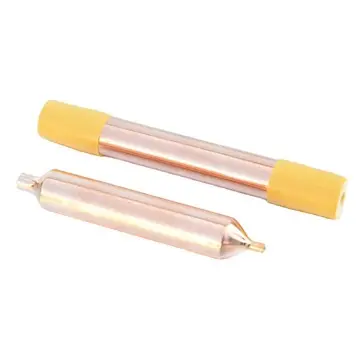
These selected components are widely used by global appliance brands, including Midea, Gree, Haier, Whirlpool, Electrolux, and Huarui, for both domestic production and international trade markets.
Technical answers to common questions about soft annealed Level Wound Coil (LWC) copper tubing and refrigeration components.
A Level Wound Coil (LWC) features copper tubing wound tightly and systematically in parallel layers, similar to a thread spool. This structure allows for continuous, high-speed automated decoiling on industrial manufacturing lines. It is the preferred format for automated hairpin bending machines in HVAC factories because it minimizes setup changes. In contrast, pancake coils are wound in single-layer flat discs, which are typically used for manual installations on construction sites.
The grain size of soft annealed copper (typically targeted between 0.025 mm and 0.050 mm) determines its mechanical properties. If the grain size is too large (over 0.060 mm), the tube wall develops a rough "orange peel" texture when bent, which can lead to micro-fracturing. If the grain size is too small (under 0.020 mm), the copper remains too hard, raising the yield strength and causing spring-back or cracking during coil expansion. Precise grain control is essential for clean bends.
UNS C12200 is Phosphorus-Deoxidized copper (Cu-DHP). It contains 0.015% to 0.040% residual phosphorus, which removes oxygen and prevents hydrogen embrittlement during brazing. C11000 (Electrolytic Tough Pitch copper), on the other hand, contains trace oxygen. While C11000 offers higher electrical conductivity, it is susceptible to micro-cracking when brazed in hydrogen-reducing flame atmospheres. This makes C12200 the industry standard for HVAC/R refrigerant lines.
Every roll of Level Wound Coil (LWC) copper tube is subjected to online non-destructive Eddy Current Testing (ECT) according to ASTM E243 standards. This system detects internal and surface defects down to minor sub-millimeter scales. Additionally, our assembled parts (such as filter driers and service valves) undergo high-pressure dry nitrogen bath immersion or vacuum helium mass spectrometer testing to ensure zero-leak performance before packaging.
Yes, we provide full ODM and OEM support. We can customize the outer diameter (OD range of 4mm to 22mm), wall thickness, internal micro-groove profiles, winding weights (standard 100kg to 300kg coils), and cardboard reel dimensions to match your factory's dereeler units. Our engineers work directly with your team to review drawing files before production begins.
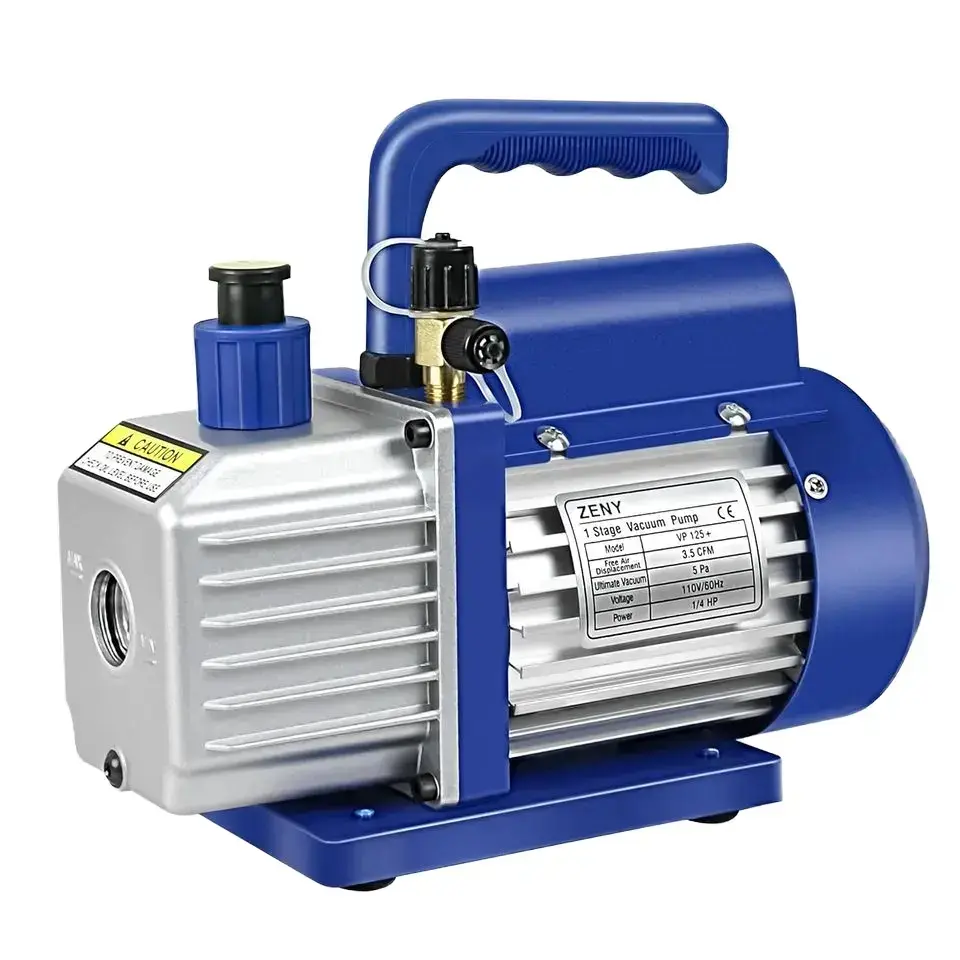
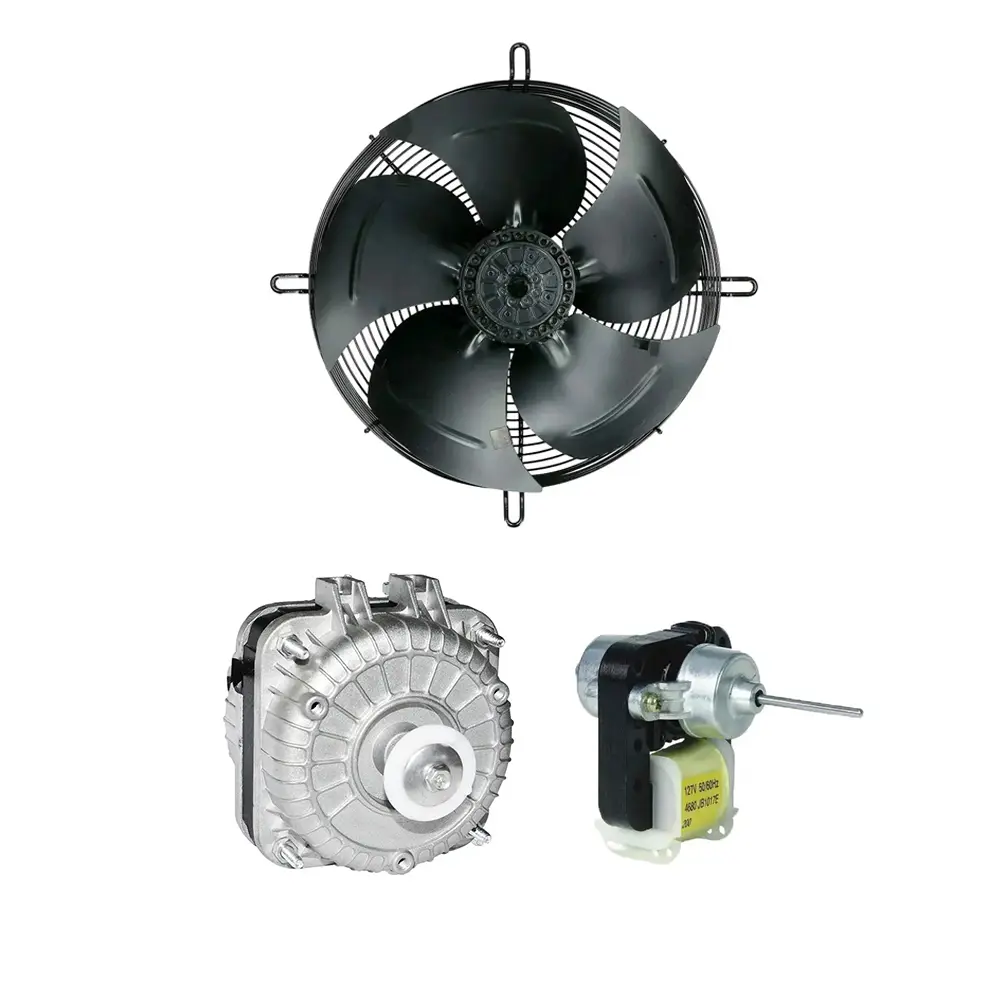
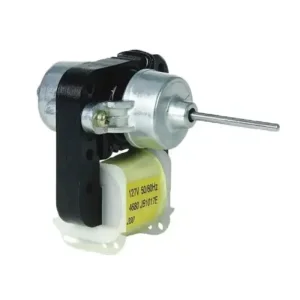
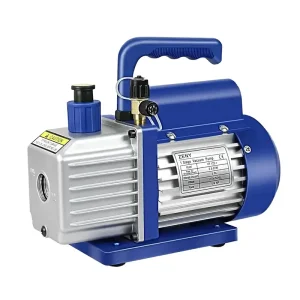
Our secondary component catalog includes heavy-duty brass valves, industrial vacuum pumps, shaded pole fan motors, and high-pressure service fittings to support complete system integration.
 Taojun