 Taojun
1 / 5
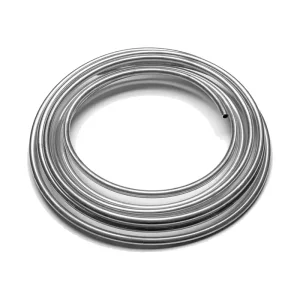
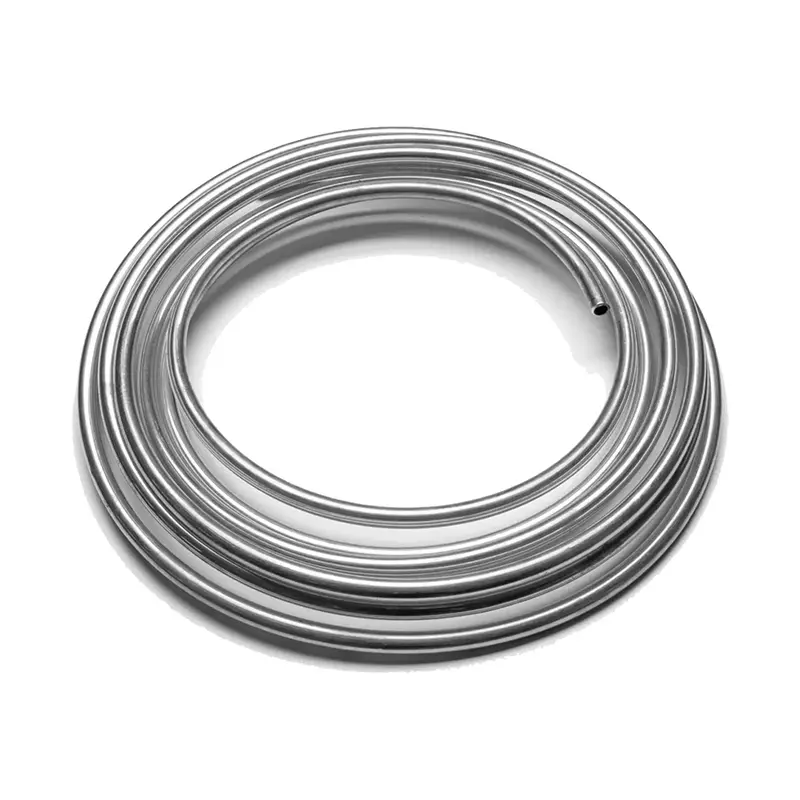
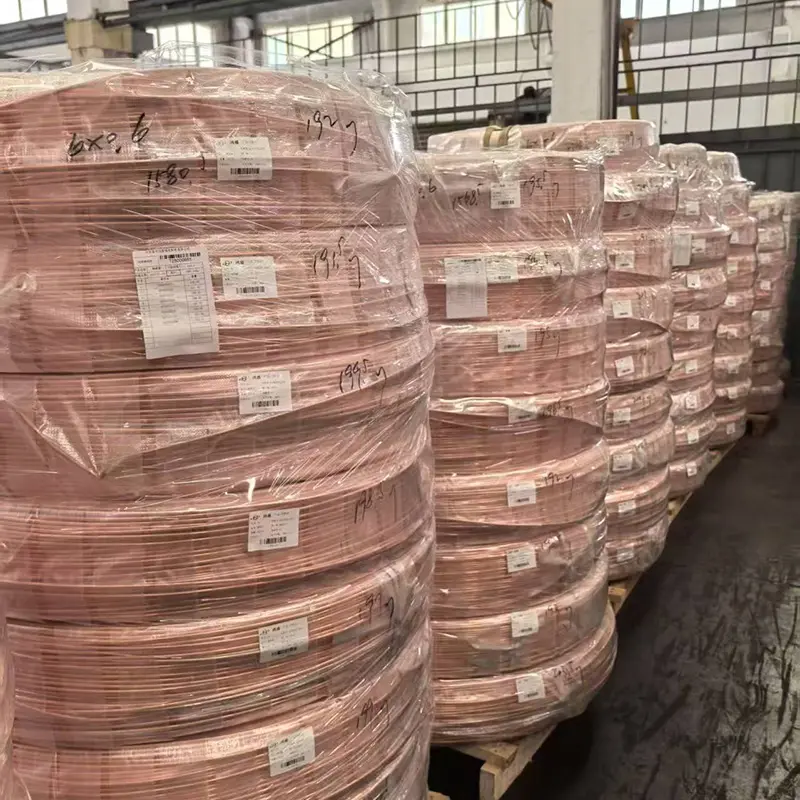
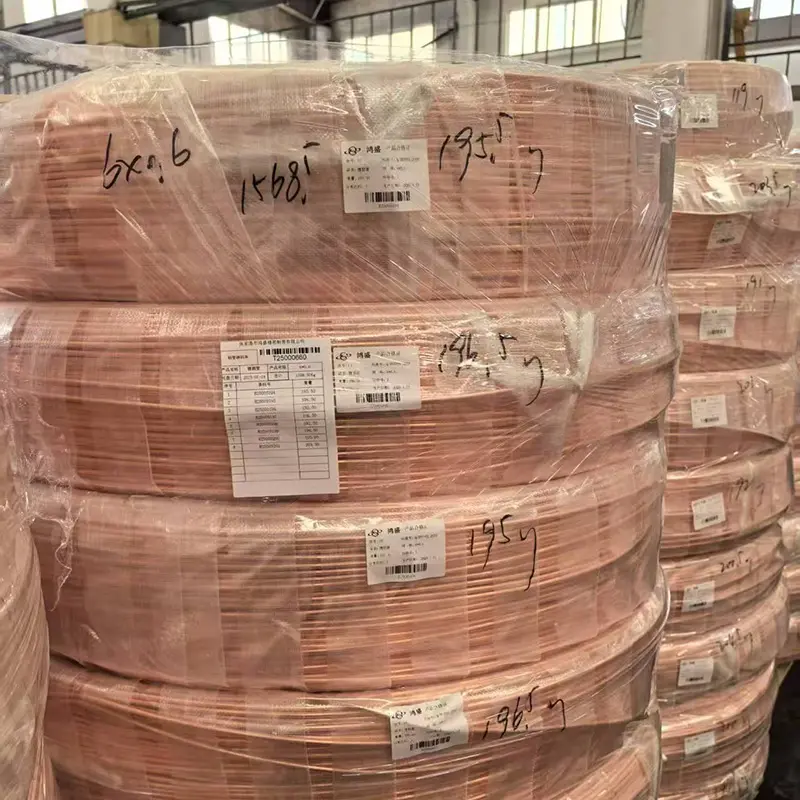
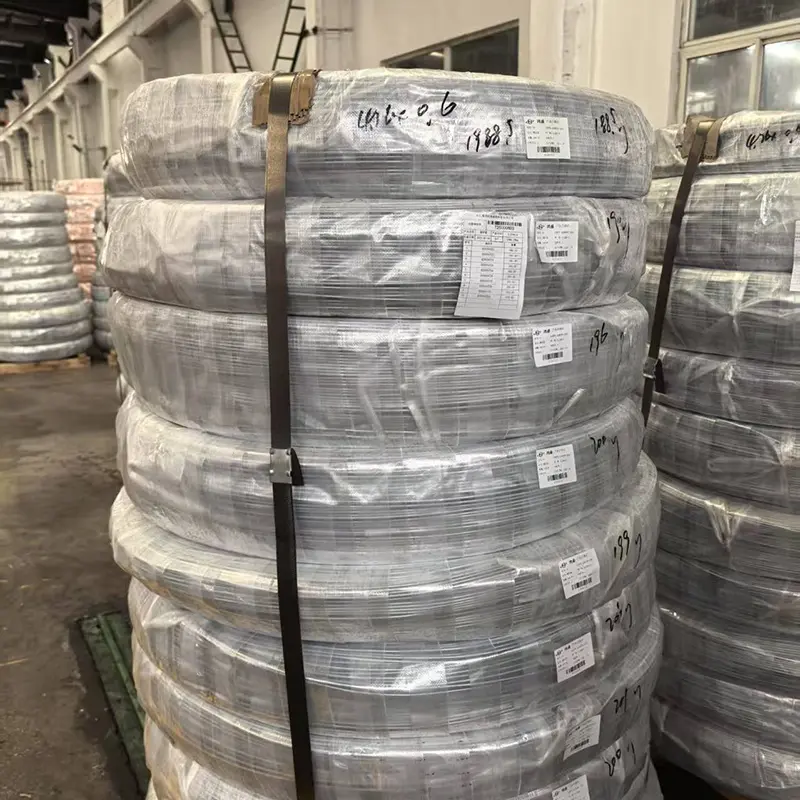
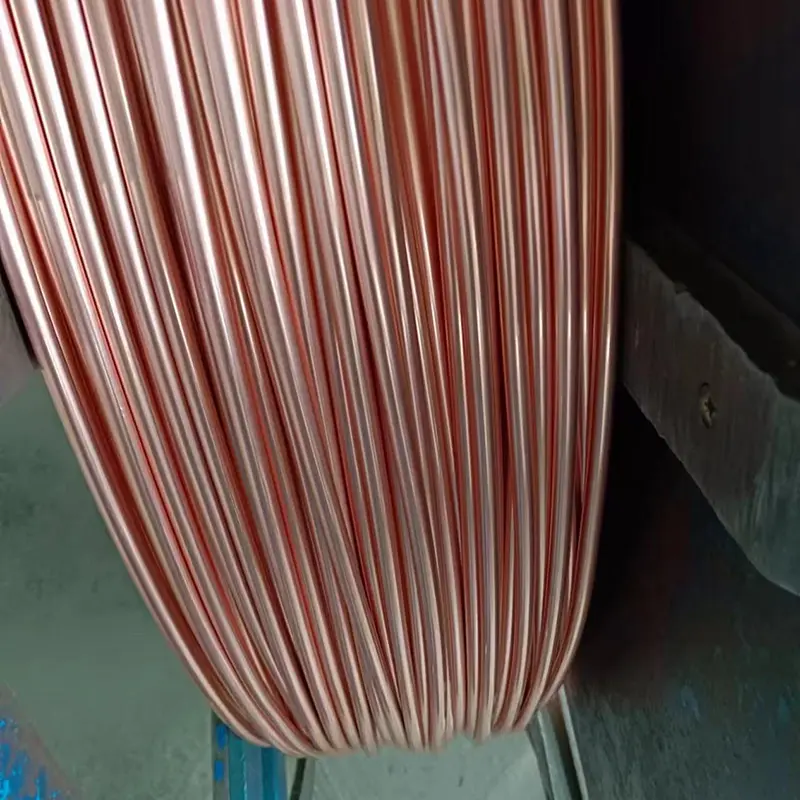
The main features of Bundy tubes include high precision, high strength, good processing performance, and corrosion resistance. Bundy tubes are made by rolling, welding, and galvanizing cold-rolled steel sheets. Their double-layer structure and special manufacturing process give them unique advantages:
Bundy tubes use high-precision cold-rolled high-quality low-carbon steel strips and exquisite precision rolling technology to ensure the precision of pipe outer diameter and wall thickness, as well as good concentricity.
Bundy tubes have high explosive strength, high anti vibration fatigue limit, and can work stably in high-pressure and vibration environments.
Bundy tubes are easy to bend, weld, and process with various shapes of pipe ends, suitable for various complex processing needs.
Lubricating oil with low carbon content is used in the manufacturing process to make the internal surface extremely clean, and the residue on the internal surface is less than 0.05g/m³.
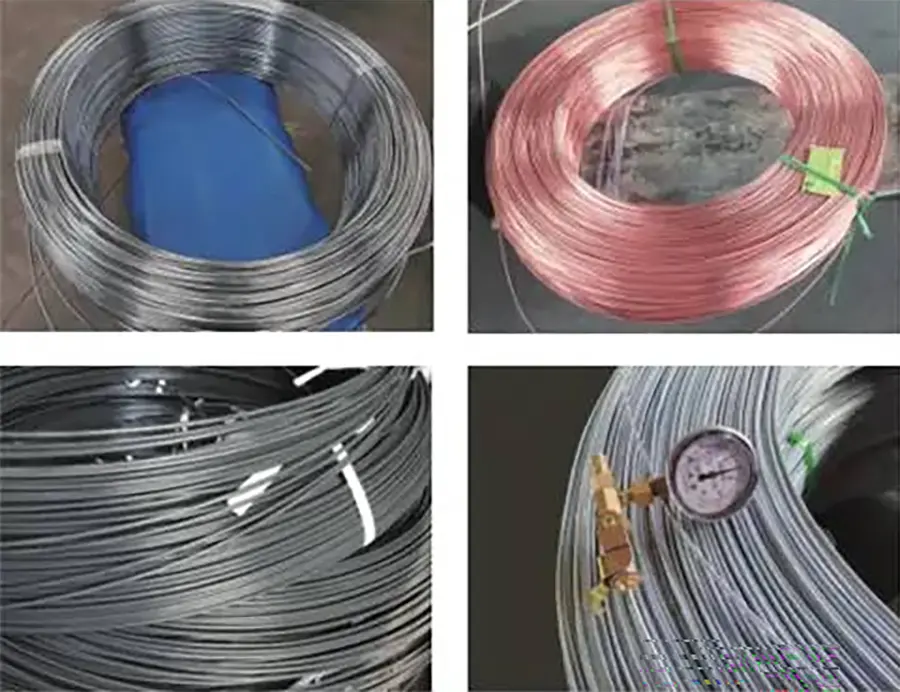
The surface of Bundy tubes can be galvanized or coated with other anti-corrosion materials, such as PVF, aluminum rich coating (GALFAN pipes), nylon, etc., to further enhance their corrosion resistance.
| Body Diameter (mm) | Thickness (mm) |
|---|---|
| 4 | 0.5-0.6 |
| 4.76 | 0.5-0.65 |
| 6 | 0.5-0.65 |
| 6.35 | 0.5-0.65 |
| 8 | 0.5-0.7 |
Inside automobiles, Bundy tubes are commonly used materials for oil pressure gauge pipelines, fuel pipelines, and brake pipelines. For example, oil pressure gauge pipelines use Bundy tubes to transmit oil pressure signals, ensuring that drivers can have real-time knowledge of the engine oil pressure status; fuel pipelines rely on them to safely deliver fuel to the engine; and brake pipelines utilize their properties to ensure the stable transmission of brake fluid, enabling reliable braking.
In refrigeration equipment such as refrigerators, Bundy tubes serve as pipelines for transporting liquids and gases. In the refrigeration cycle system, they are responsible for transporting refrigerants, allowing the refrigerants to circulate among components such as compressors, condensers, and evaporators, thus achieving the refrigeration effect.
Bundy tubes are used for various oil pressure gauge pipelines and similar devices. During the operation of heaters, Bundy tubes can accurately transmit pressure-related media, assisting instruments such as oil pressure gauges to accurately display pressure values and ensuring the stable operation and safety monitoring of heaters.

Bundy tubes are manufactured by rolling, welding, and galvanizing low-carbon cold-rolled steel sheets. They often feature a double-walled structure with anti-corrosion coatings such as zinc, PVF, or Galfan.
Due to their high explosive strength, excellent vibration fatigue limit, and reliable corrosion resistance, Bundy tubes are ideal for critical automotive systems like fuel pipelines, brake lines, and oil pressure gauge pipelines.
During production, a low-carbon lubricating oil is utilized to ensure extreme cleanliness. The residual substance on the internal surface is strictly maintained below 0.05g/m³.
The outer surface can be galvanized or coated with advanced protective materials including PVF, nylon, or aluminum-rich coatings (such as GALFAN) to match specific environmental requirements.
Yes, Bundy tubes exhibit excellent processing performance. They can be easily bent, welded, and shaped into various pipe end configurations, making them suitable for complex pipeline designs.
Thanks to the low-carbon lubricating oil used in the manufacturing process, the internal surface is kept extremely clean, keeping the residue strictly under 0.05g/m³.