Deploying advanced evaporative systems and precise control elements tailored for Boston's heating, cooling, and scientific refrigeration operations.
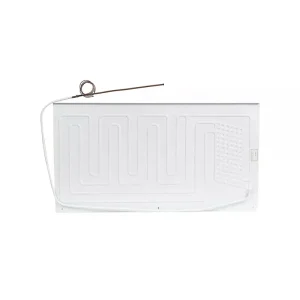
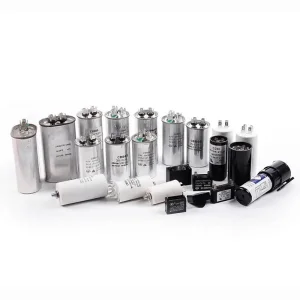
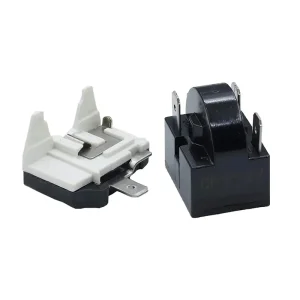
The Greater Boston area, serving as the commercial and scientific anchor of New England, represents a demanding market for commercial refrigeration and advanced heat exchange equipment. From the cold chain logistics hubs processing North Atlantic seafood at the Fish Pier to the clinical laboratories in Cambridge's Kendall Square, thermal integrity is critical.
With municipal climate mandates such as Boston's Building Energy Reporting and Disclosure Ordinance (BERDO 2.0), regional facility managers are pushed to identify refrigeration units that perform with high coefficient of performance (COP) metrics. The transition from legacy heat exchange elements to highly integrated roll bonded aluminum evaporators offers a pathway to meet these sustainability targets.
Roll bonded aluminum plates, noted for their flat thermal transfer surfaces, uniform fluid distribution, and low component weight, have become the standard for modern refrigeration systems. This technology assists local OEMs in designing energy-compliant cabinets and biomedical containment units.
An engineering breakdown of roll bond fabrication and thermal efficiency advantages.
Two sheets of high-purity aluminum (AA 1060/1070) are screen-printed with a weld-inhibiting ink representing the fluid circuit design. The sheets are hot-rolled under pressure to form a metallurgical bond, then cold-rolled to final gauge. High-pressure air is injected to inflate the unbonded printed channels to exact dimensional tolerances.
Single-side flat (SSF) configurations provide an entirely flat back surface for thermal contact with food/biological packages, while double-side (DS) designs offer maximum contact area with circulating air. Single-side options help limit internal frost buildup in static-cooled cabinets.
Our design process enables the integration of capillary tubes and transitional copper-to-aluminum joints. Connecting points are protected inside custom enclosures and tested via helium spectrometers to prevent refrigerant leaks in commercial systems.
Ningbo Taojun Refrigeration Equipment Co., Ltd. is located in Xiangshan, Ningbo, a coastal city. Founded in 1988, our predecessor was the Xiangshan Refrigeration Accessories Factory of Zhejiang University. Over 30 years of development, we have established ourselves as an enterprise integrating design, manufacturing, sales, and technical service for refrigeration components. In 2021, Taojun was recognized as a national high-tech enterprise.
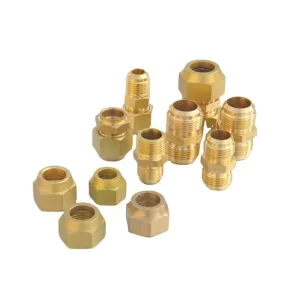
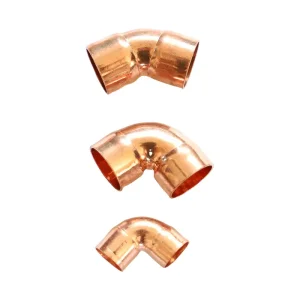
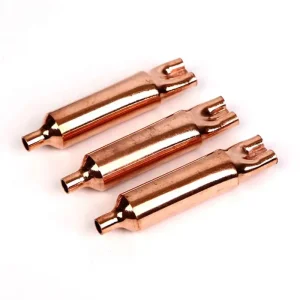
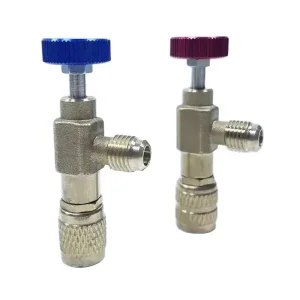
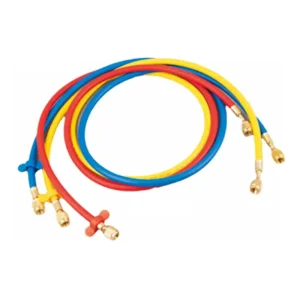
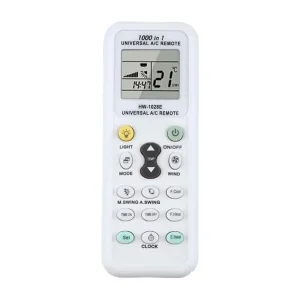
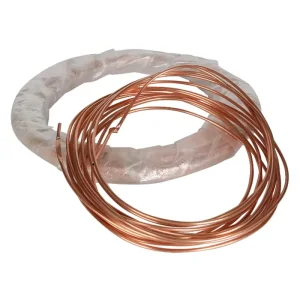
Our product portfolio includes: filter driers, check valves, air conditioning valves, condensers, brass and copper accessories, air conditioning cable ties, and custom evaporative surfaces. Under our "Lingshan" brand, we provide component design, reliable quality controls, and customer-focused engineering support.
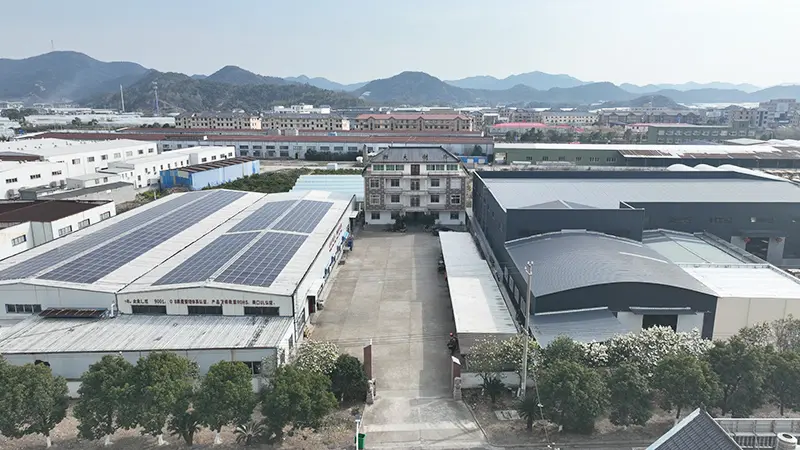
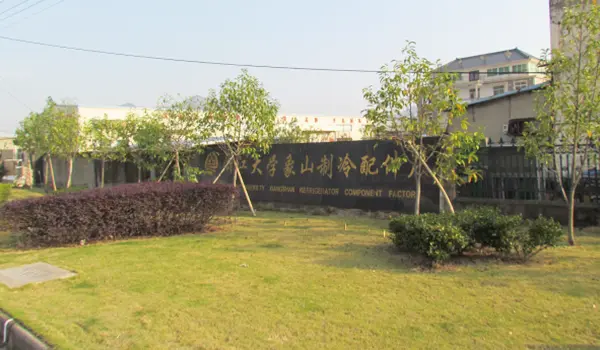
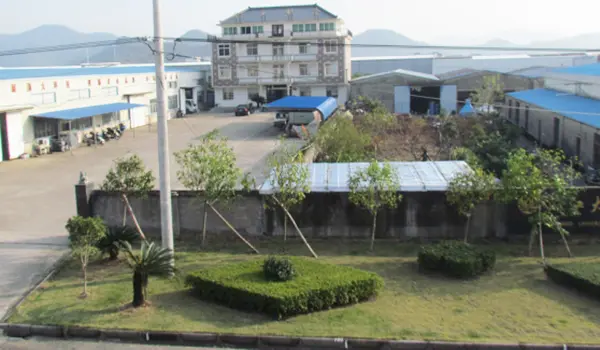
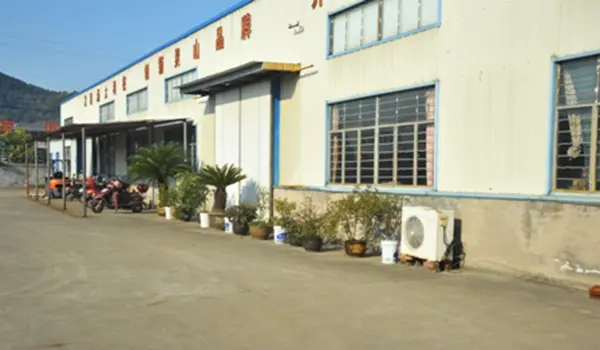
Established in 1988, Taojun has spent decades refining the production of filter driers, roll bonded evaporators, and HVAC parts. We apply automated CNC tube fabrication, nitrogen-shielded welding lines, and rigorous internal testing to match the specifications of overseas procurement teams.
Our global partner network includes consumer brands such as Haier, Xinfei, Midea, Gree, Whirlpool, Electrolux, and Huarui. The sales network spans Europe, North America, South America, Southeast Asia, and the Middle East.
Years Engineering Experience
R&D Specialist Engineers
Average Factory Defect Rate
Countries Exported Globally
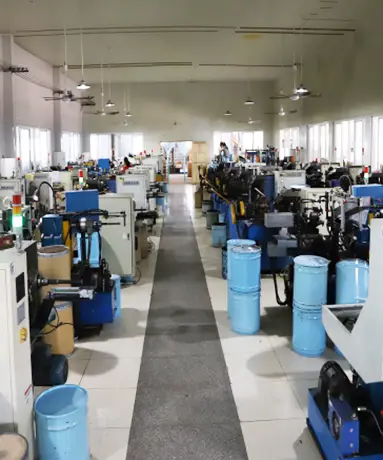
Integrating digital quality tracking systems and imported machinery to maintain high product reliability.
Core tube processing and roll bond inflation lines are designed to achieve precise channel shapes. Standard tolerances are held within ±0.02mm for aluminum foil thicknesses.
Raw materials are inspected for purity. We utilize 3A molecular sieves for copper filter driers and high-grade AA1060 aluminum to optimize heat transfer efficiency.
Components comply with global environmental mandates, including RoHS and REACH directives, confirming suitability for eco-friendly refrigerants like R290.
To qualify components for high-duty cycles, our internal testing laboratories perform the following checks on every batch:
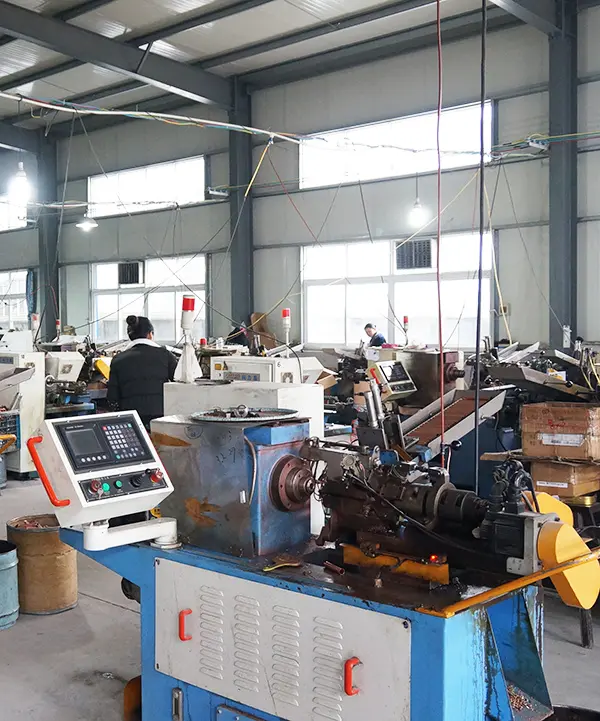
Decades of engineering advancement and technological integration.

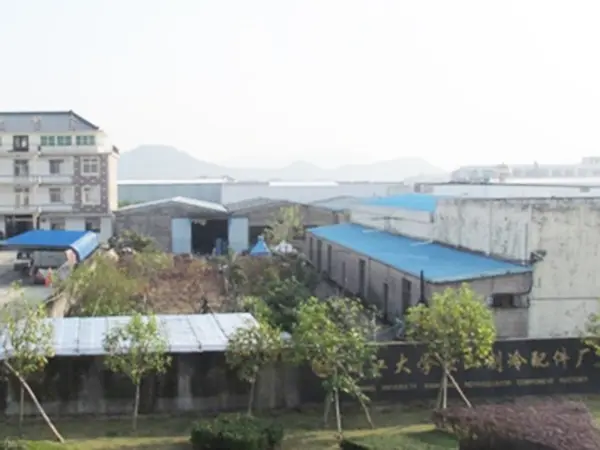
Established original localized facility for refrigeration accessories, partnering with academic institutions.
Integrated automated manufacturing execution systems (MES) to coordinate component tracking and assembly quality.
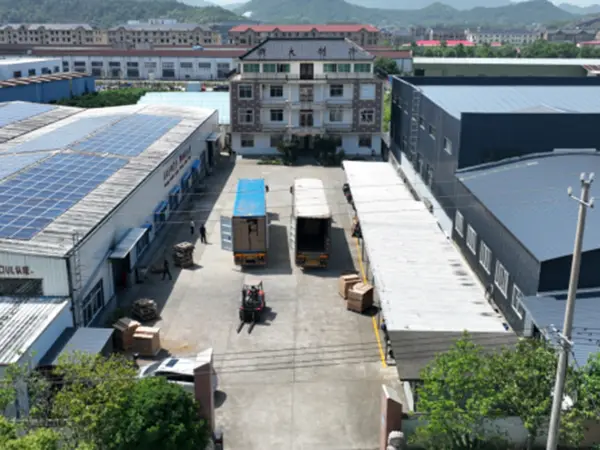
Upgraded precision machinery to expand exports of roll bond panels, filter driers, and custom condenser coils.
Audited manufacturing systems validated by accredited testing and certification registries.
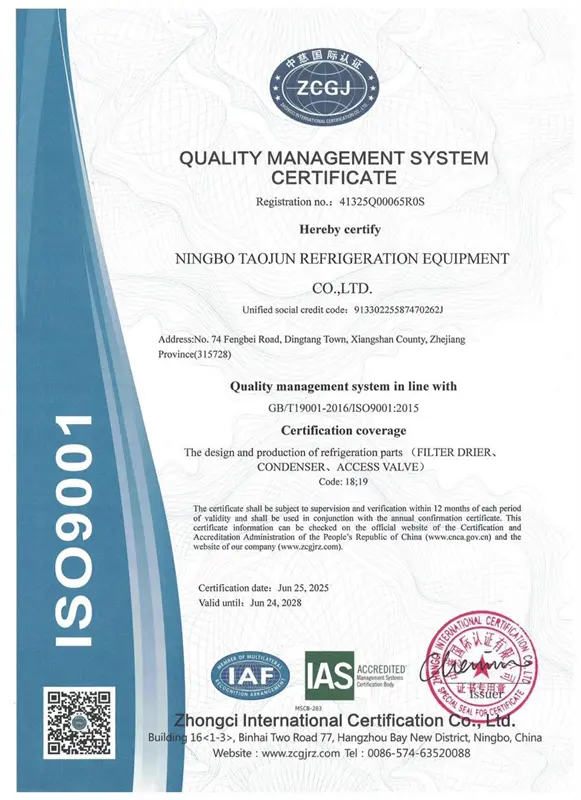
ISO 9001:2015 registration confirming structural adherence to high-precision refrigeration manufacturing standards.
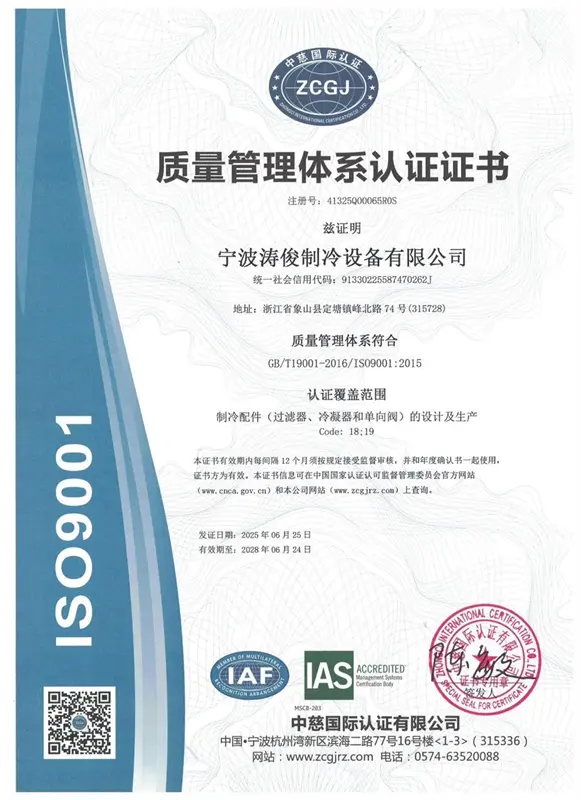
Official approval covering design, assembly, and testing of filter driers, condenser coils, and check valves.
Registration No: 41325Q00065R0S verified through China's national database. This certification supports engineering traceabilty requirements for commercial component procurement.
Request Verification Files >Access our complete wholesale catalog. Direct manufacturing ensures competitive pricing, customized dimensions, and stable supply lines.
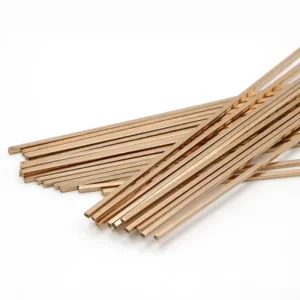
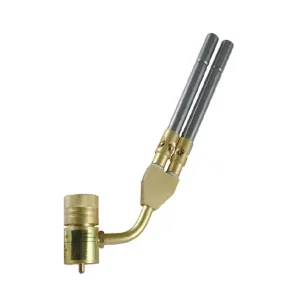
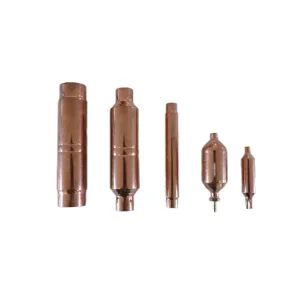
Answers to common engineering and commercial queries from purchasing managers.
Roll bonded evaporators feature integrated refrigerant channels formed directly within the aluminum sheets, which eliminates the thermal contact resistance found in mechanical tube-on-sheet assemblies. This direct contact provides a larger heat exchange surface area, improving overall heat transfer rates and enabling faster cooling cycles while reducing total system energy consumption.
We use helium vacuum mass spectrometer leak detection systems that check every evaporator and copper-to-aluminum joint before packaging. This testing protocol detects minor leak rates down to 1x10⁻⁸ mbar·l/s, helping to ensure the integrity of hermetic systems during transport and long-term field operation.
Yes. Our designs are engineered to support natural refrigerants like R290 and R600a, which are increasingly required to meet environmental regulations in North America. Internal channel geometry is designed to manage the specific flow profiles and oil return requirements of low-GWP systems.
For coastal environments such as Boston, we offer corrosion protection options including powder coatings, anodization, and epoxy-electrophoresis. These coatings are tested in salt-spray chambers to confirm they can withstand atmospheric exposure without reducing thermal performance.
We provide full design services (ODM) and build-to-print manufacturing (OEM). Plate dimensions, channel paths, metal thicknesses, and connector types can be adjusted to meet customer requirements. Standard MOQ ranges start at 500 units depending on layout configuration, and we offer prototyping services to support validation testing.
 Taojun