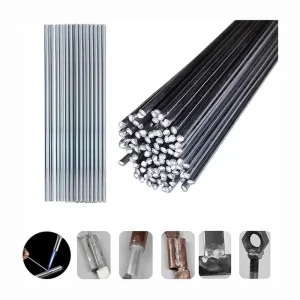
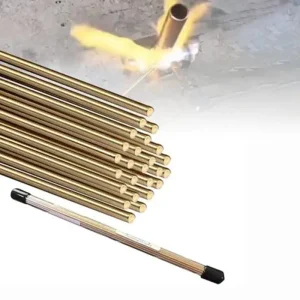
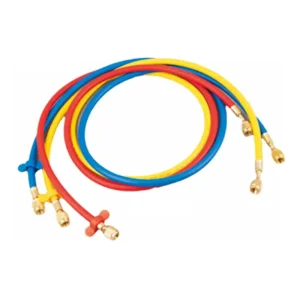
Premium alloy capillary systems, specialized vacuum technologies, and refrigeration control valves tailored to meet German quality standards and industrial safety regulations.
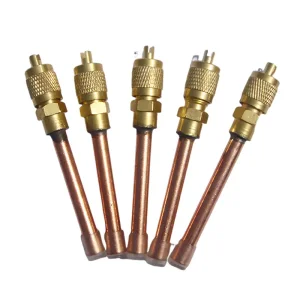
Analyzing the local and macroeconomic forces driving demand for high-integrity copper and Bundy tubing in Germany's primary gateway.
Hamburg, the second-largest city in Germany and host to the third-busiest port in Europe, serves as an absolute critical node for maritime engineering, aircraft manufacturing, and industrial refrigeration logistics. The maritime industry, clustered around major shipyards and maritime engineering consulting firms, demands copper-nickel and high-grade copper piping systems resistant to aggressive salt-laden atmospheres. In parallel, Hamburg’s aerospace sector (anchored by major manufacturing facilities in Hamburg-Finkenwerder) relies on high-specification hydraulic tubing and thermal cooling components that meet strict safety guidelines.
Crucially, Germany's transition toward climate neutrality (Energiewende) has led to strict local regulations in Hamburg regarding building efficiency and refrigeration systems. With the phase-out of traditional high-GWP (Global Warming Potential) synthetic refrigerants, there is a regional surge in the deployment of natural refrigerants such as Propane (R290) and Carbon Dioxide (R744/CO2). These systems require piping networks capable of operating under significantly higher pressures. Our copper-alloy capillary tubes and double-wall steel Bundy tubes are engineered specifically to cope with these demanding pressure cycles, ensuring leak-proof operations in both domestic heat pumps and marine cold-chain systems across the Elbe region.
Globally, the copper and Bundy tubing markets are undergoing profound transformations. Rising raw material volatility combined with stringent requirements for carbon footprint transparency (such as the EU's Carbon Border Adjustment Mechanism - CBAM) means that Hamburg importers look for manufacturers that operate high-efficiency, certified green production lines. By sourcing directly from our advanced facilities in Ningbo, German enterprises gain a dual competitive advantage: optimized raw material acquisition coupled with state-of-the-art technological production systems, resulting in a substantial reduction in total cost of ownership (TCO) without compromising on DIN or EN standards.
Bundy tubes—traditionally fabricated as double-walled, copper-brazed low-carbon steel tubes—remain a crucial element in global automotive braking systems and domestic refrigeration condenser circuits. The global shift toward electric vehicles (EVs) has broadened the application of Bundy tubes, as they are increasingly utilized in battery thermal management loops where strength, vibration resistance, and thermal transfer efficiency must be perfectly balanced. Our position as an agile, large-scale manufacturer enables us to supply high-volume automotive and HVAC/R requirements directly to European distribution hubs via established maritime corridors linking Ningbo directly to the Port of Hamburg.
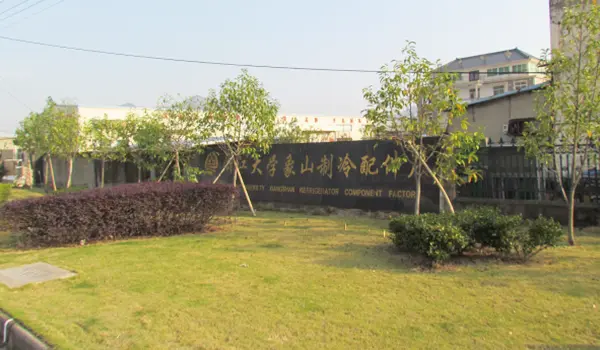
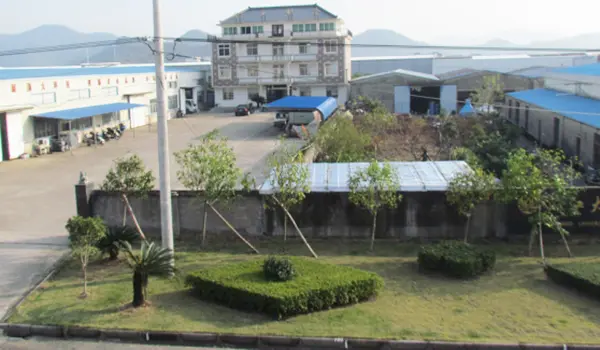
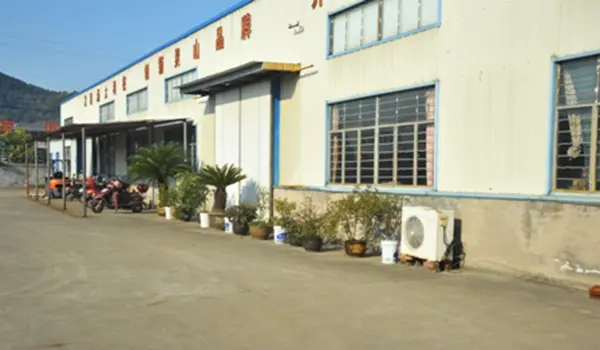
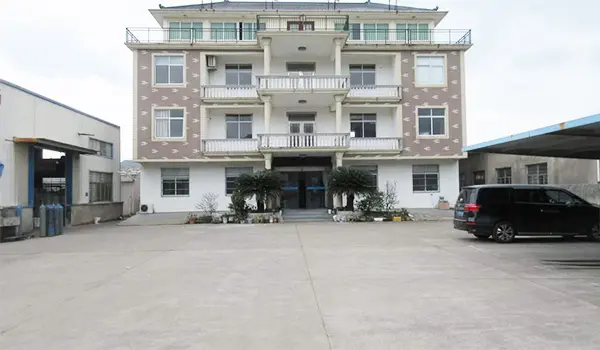
Founded in 1988 as the Xiangshan Refrigeration Accessories Factory of Zhejiang University, Ningbo Taojun Refrigeration Equipment Co., Ltd. has evolved over more than three decades into a leading global manufacturer of refrigeration accessories. In 2021, the company was recognized as a national high-tech enterprise, highlighting our deep focus on metallurgy and thermodynamic product innovation.
Equipped with advanced German manufacturing machinery, our facility produces top-tier filter driers, check valves, condenser systems, and specialized brass and copper components. Our quality assurance frameworks are verified by ISO 9001:2015, EU RoHS, and US UL certifications. We take pride in supporting global brands like Haier, Midea, Gree, Whirlpool, and Electrolux, delivering precision components to the world’s most demanding industrial markets.
Years of Engineering Excellence
Quality System (<0.05% Defect Rate)
Global Export Markets
RoHS & UL Compliant Components
Understanding the differences, performance metrics, and application profiles of our specialized copper and Bundy tubes.
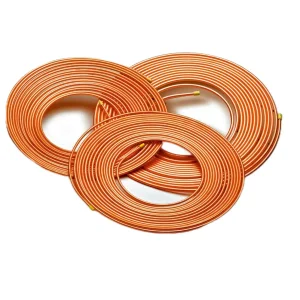
Our copper tubes are manufactured using phosphorus-deoxidized, high-residual-phosphorus copper (Cu-DHP, alloy designation UNS C12200). This specific formulation provides exceptional thermal conductivity, ease of brazing, and high corrosion resistance under atmospheric and aqueous conditions.
Bundy tubes are fabricated by roll-forming a single copper-coated carbon steel strip through a 720-degree wrapping process, followed by high-temperature brazing in a reducing atmosphere. This results in a seamless-like, double-walled tube characterized by high structural integrity and pressure resistance.
1. Maritime and Port Cold Chain: The Port of Hamburg handles millions of tons of temperature-sensitive cargo annually. Container terminals and reefer depots rely on industrial-grade condensers, accumulators, and evaporator coils. The high-purity copper tubing we supply ensures that maritime cooling systems operate continuously at optimal heat-exchange efficiency, resisting the highly corrosive marine atmosphere of coastal Northern Germany.
2. Precision Automotive Fluid Networks: Lower Saxony and the surrounding metropolitan region of Hamburg form one of Europe's largest automotive clusters. Bundy tubing is the absolute standard for hydraulic brake lines, fuel lines, and power steering loops. Our precise internal copper coating acts as a barrier layer against corrosion, while the robust steel core withstands physical impacts from road debris and high hydraulic pressure surges.
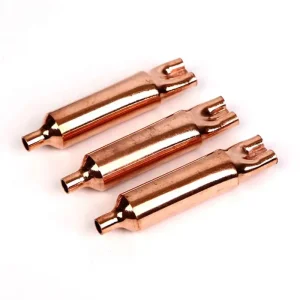
3. Advanced Building Technology (HVAC/R): Driven by Hamburg's Klimaschutzgesetz (Climate Protection Act), municipal district heating and decentralized residential heat pumps are expanding rapidly. Heat pump systems operating with natural refrigerants require extreme thermodynamic cycle stability. Our copper filter driers and custom capillary assemblies prevent moisture contamination and ensure clean refrigerant flow, preventing ice crystallization and acidic wear inside the compressor.
Our core production machinery is imported directly from Germany, ensuring precise dimension control down to ±0.02 mm and consistency in metallurgy.
Our R&D center is backed by researchers from the University of Science and Technology of China, offering customized engineering design capabilities.
100% of our pressure-containing components undergo automated helium leak detection and high-pressure nitrogen testing, ensuring zero leakage at startup.
Meeting tomorrow's environmental demands through design optimization, smart alloys, and zero-emission goals.
As the industrial world aligns with the European Green Deal and Germany’s 2045 climate neutrality goals, material suppliers must offer more than just mechanical performance. The technological roadmap for copper and steel tubing focuses on three primary developments: thin-wall high-strength alloys, intelligent diagnostic integration, and localized circular economy alignment.
To reduce refrigerant charge volumes and maximize thermal conductivity, we are developing inner-grooved capillary tubes. By modifying the internal surface area with micro-grooves, we achieve up to 30% higher heat transfer coefficients. This allows systems to use thinner-wall tubes, reducing copper weight while maintaining burst pressures suited for eco-friendly refrigerants like propane.
Modern commercial cold chains in Hamburg require predictive maintenance. We are developing smart filter driers equipped with micro-sensor ports. These components allow real-time monitoring of moisture, pressure drops, and chemical acidity inside the refrigerant loop, sending warning indicators directly to the refrigeration management system before system failure occurs.
By shifting to 100% recycled copper and closed-loop manufacturing, we aim to reduce the carbon footprint of our tubes by 60%. This initiative aligns directly with Hamburg's sustainable public procurement guidelines, ensuring that our products easily integrate into environmentally certified German infrastructure and building designs.
Answering critical engineering questions regarding specifications, chemical compatibility, and installation procedures.
Cu-DHP (C12200) has a minimum copper content of 99.90% and is deoxidized with phosphorus. ETP copper containing oxygen is susceptible to hydrogen embrittlement when brazed or welded in reducing atmospheres, which can lead to micro-cracking and refrigerant leaks. Cu-DHP is free from oxygen, ensuring reliable brazing joints under high-vibration conditions common in HVAC/R and automotive systems.
Yes. Double-wall steel Bundy tubing is designed for high-pressure operations. Our Bundy tubes can withstand burst pressures exceeding 150 bar, providing a safe operating margin for R290 (working pressure up to 25 bar) and transcritical CO2 (R744) systems, which can experience pressures up to 120 bar. In addition, the internal copper coating prevents hydrogen permeation and steel rust.
We strictly adhere to all applicable European environmental directives. Our entire range of copper and Bundy tubes, along with related components, is fully certified under the EU RoHS directive, ensuring they are free of lead, mercury, cadmium, and hexavalent chromium. We are also aligned with REACH guidelines and ship our products in 100% recyclable wooden crates and cardboard packaging.
Our quality system includes testing of raw materials and finished products. We perform high/low temperature testing (+75°C to -35°C for 500 hours), thermal shock testing (10°C to 90°C for 30 minutes), and damp heat testing for 500 hours to simulate extreme weather. All tubing assemblies undergo a 24-hour pressure decay test and helium mass spectrometer testing to verify zero-leakage performance.
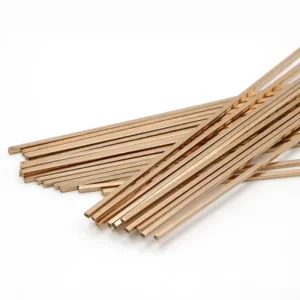
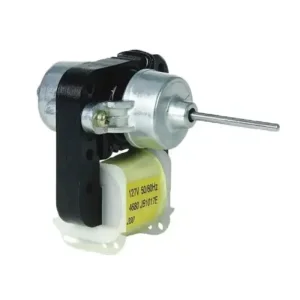
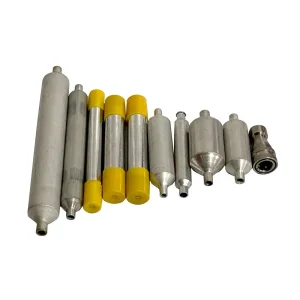
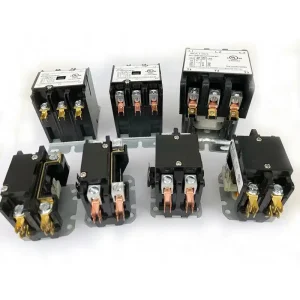
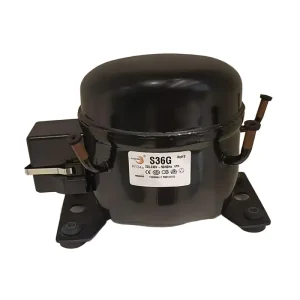
Premium OEM components, including copper filter driers, heavy-duty compressors, charging lines, and specialized brazing materials designed for industrial refrigeration networks.
 Taojun