Germany is currently undergoing a massive structural transformation in its heating, ventilation, air conditioning, and refrigeration (HVACR) infrastructure. Driven by the stringent mandates of the German Building Energy Act (GEG - Gebäudeenergiegesetz) and the European Union’s updated F-gas Regulation, there is an unprecedented shift away from traditional HFCs to natural refrigerants, specifically Propane (R290) and Carbon Dioxide (R744).
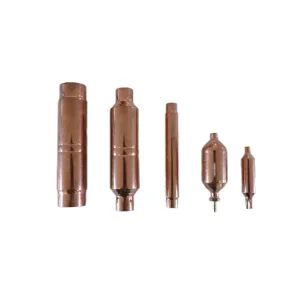
In this context, the copper accumulator serves as a vital component in modern heat pump systems (Wärmepumpen) and variable refrigerant flow (VRF) installations. Acting as a temporary reservoir to store liquid refrigerant, the accumulator prevents liquid slugging from entering the compressor, ensuring mechanical integrity and longevity. Because R290 and R744 operate under drastically different pressure envelopes compared to old fluorinated gases, German system designers are requiring copper accumulators that can withstand high design pressures (up to 45 bar for R290 and significantly higher for trans-critical carbon dioxide setups) while maintaining absolute internal cleanliness.
High-performance copper accumulators designed for the German market must utilize deoxidized high-phosphorus copper (C12200 / SF-Cu according to DIN standard). This material ensures superior thermal conductivity, excellent brazing properties, and exceptional resistance to internal system corrosion. The engineering parameters include the calculation of the U-tube diameter to minimize pressure drop while optimizing oil entrainment via precise metering orifices.
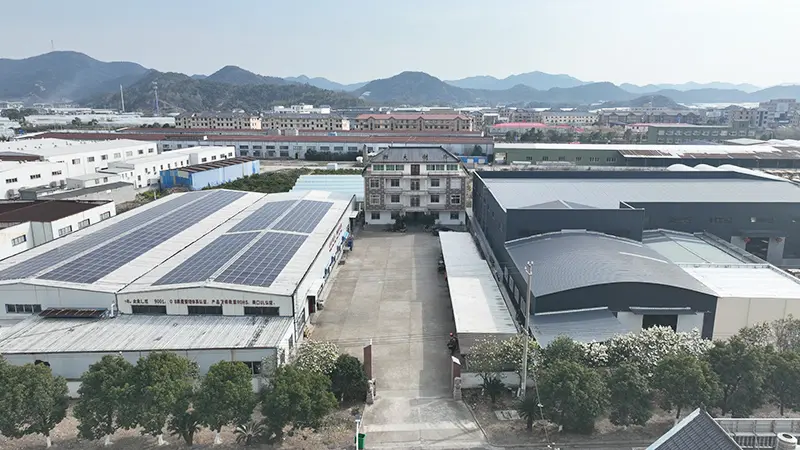
Modern assembly plants in Ningbo, China, apply automated CNC copper pipe end-forming technologies to achieve flawless domed designs, eliminating weak structural seams. By applying advanced helium mass spectrometer leak detection down to 1x10^-8 mbar·l/s, manufacturers can guarantee leak-free lifetimes of over 15 years under challenging cycle regimes.
Ningbo Taojun Refrigeration Equipment Co., Ltd. has established itself as a cornerstone partner for European OEMs. Founded in 1988, our history dates back to the Xiangshan Refrigeration Accessories Factory of Zhejiang University. Over the course of 38 years, our manufacturing processes have evolved from manual assembly to high-precision, MES-driven automated production lines.
Our facility leverages imported high-tech manufacturing equipment alongside specialized QA laboratories. We perform thermal shock tests between -35°C and 75°C for 500 hours, damp heat validation, and pressure resistance verification to secure reliability for systems deployed in the cold winters of Northern Europe and Germany.
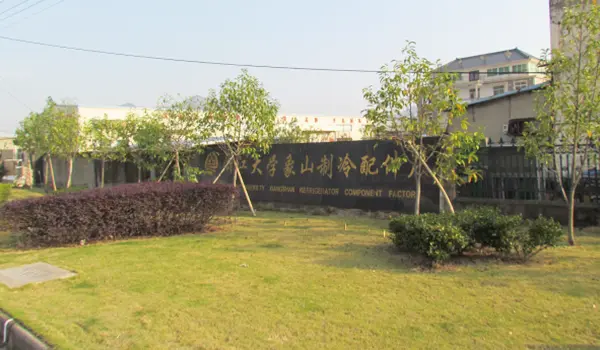
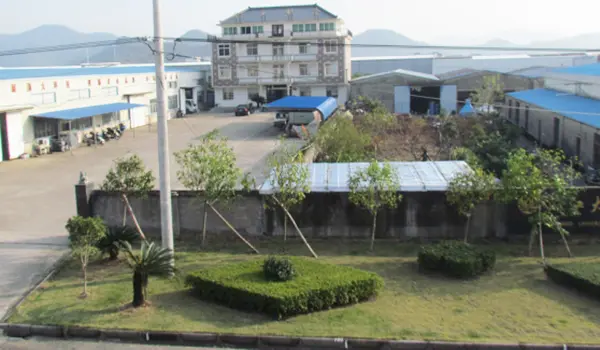
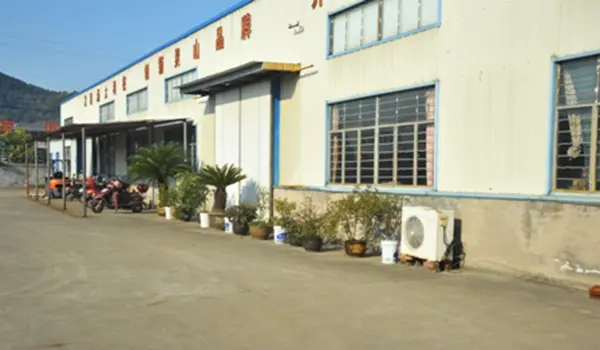
Procurement managers in Germany face a critical balance when choosing between domestic European manufacturing and high-tier Chinese suppliers like Taojun. While European factories offer shorter transit times, they are burdened with high labor expenses, skyrocketing energy costs, and extended tooling lead times.
In contrast, Chinese clusters in Ningbo integrate the entire copper supply chain. From raw extrusion factories to specialized surface treatment facilities, the ecosystem allows Taojun to run a highly competitive structure. By deploying MES (Manufacturing Execution System) intelligent workshop management, we minimize material waste and optimize output per worker. This efficiency allows us to integrate raw materials, such as Japanese-imported liquid crystal spacer technologies and European-sourced high-spec bonding glues, while remaining highly cost-competitive.
Understanding the specific engineering demands of local German layouts is key to successful components design:
Uncompromising compliance standards verified by third-party audit institutes.
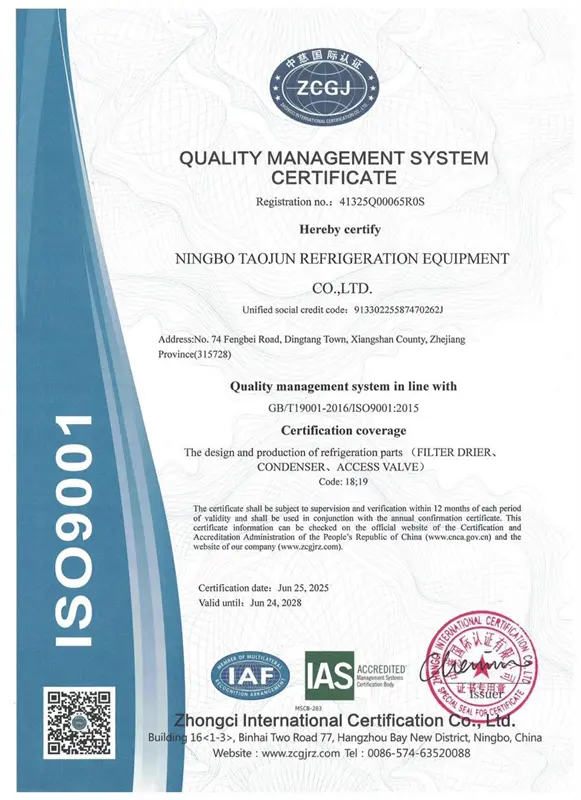
Main ISO Certification Document
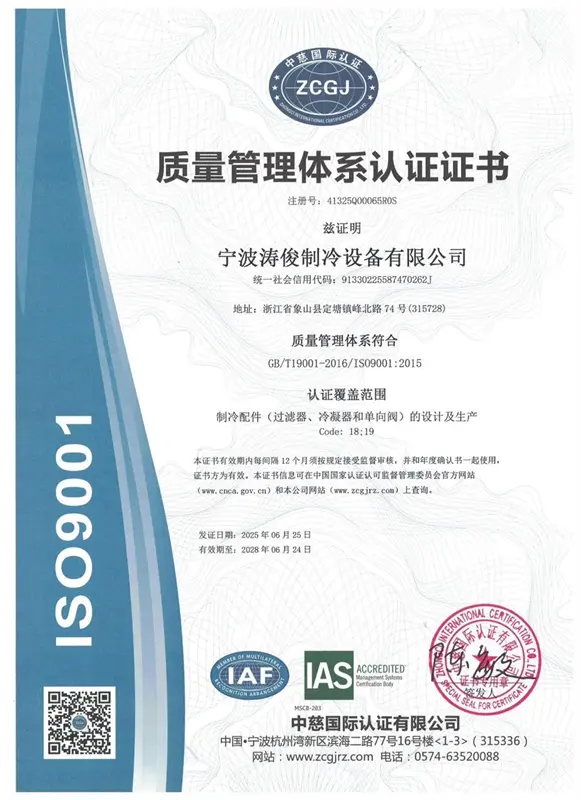
Detailed Scope of Certification
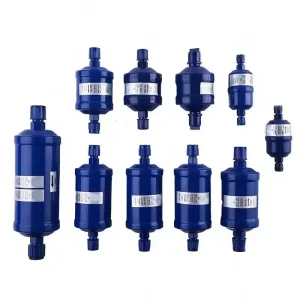
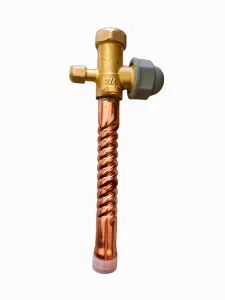
Ningbo Taojun holds official GB/T19001-2016/ISO9001:2015 certification (Registration No.: 41325Q00065R0S), covering the design and manufacturing of copper filter driers, copper accumulators, condensers, and brass split valves.
Our clean room operations ensure that internal moisture levels and soluble residue are kept well below standard DIN 8964 specifications (e.g., maximum soluble residue limit of 50 mg/m² of internal surface area), preserving expansion valves and capillary structures from blocking.
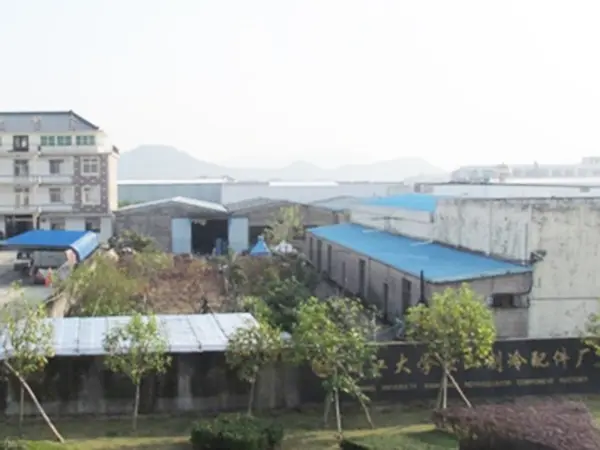
Transitioning from Zhejiang University's Xiangshan Refrigeration Accessories Factory, expanding structural floor space.
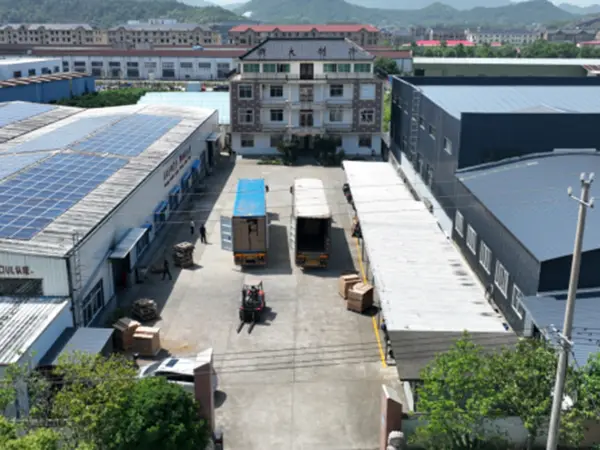
Deployment of advanced MES workshop control system to trace component processing paths and manage raw materials.
Achieving a 98.6% client satisfaction index, supplying major global consumer and commercial brands.
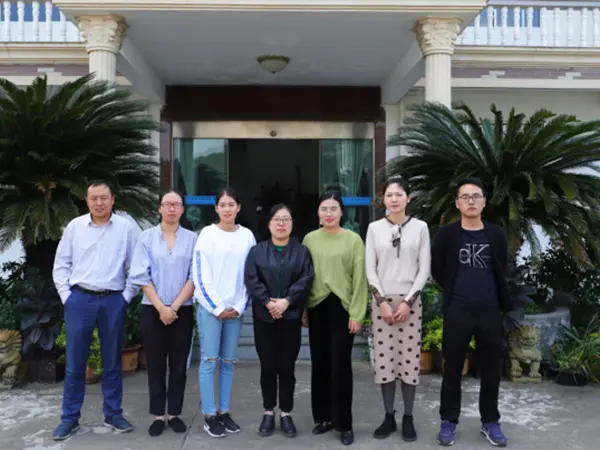
Our work culture centers around: Honesty, Innovation, Responsibility, and Win-Win cooperation.
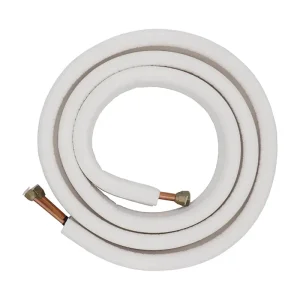
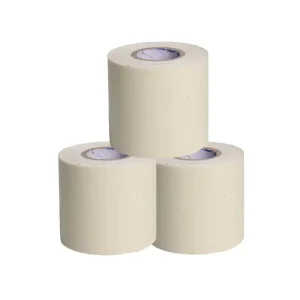
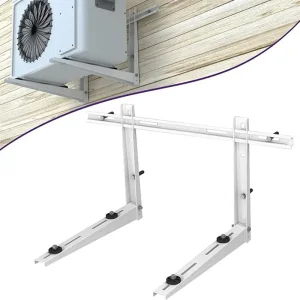
Complete component sourcing for distributors, contractors, and original equipment manufacturers.
Ready to discuss custom technical drawings, custom copper shapes, or volume pricing?
Send Inquiry Now Taojun