High-performance parts manufactured with absolute precision for robust B2B operations
As global environmental directives like the European F-Gas Regulation, the US AIM Act, and the Kigali Amendment aggressively phase down hydrofluorocarbons (HFCs), carbon dioxide (R744) has emerged as the premier green standard for sustainable refrigeration. Boasting a Global Warming Potential (GWP) of exactly 1 and an Ozone Depletion Potential (ODP) of 0, CO₂ presents unparalleled thermodynamic advantages.
However, working with R744 presents formidable engineering obstacles. CO₂ operates under much higher pressures than synthetic HFC refrigerants—reaching transcritical design pressures of up to 130 bar. This requires advanced condenser designs (gas coolers) that provide exceptional heat transfer efficiency under extreme mechanical loads. As a premier manufacturer of high-pressure components, we specialize in high-efficiency design profiles that ensure safety, longevity, and optimal thermal coefficient of performance (COP).
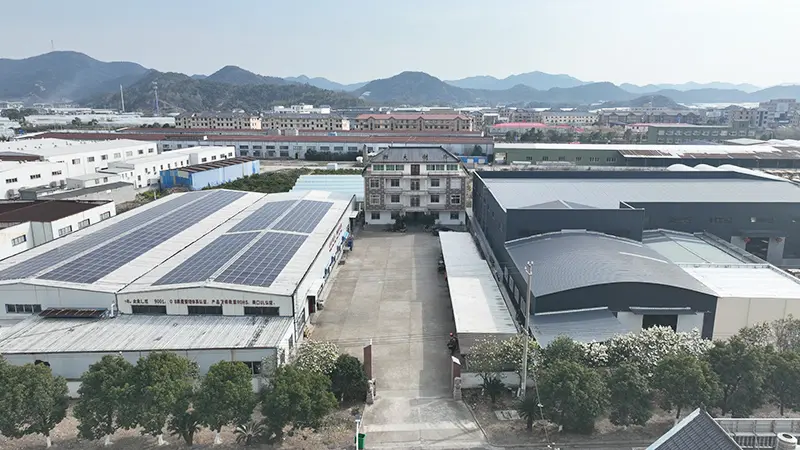
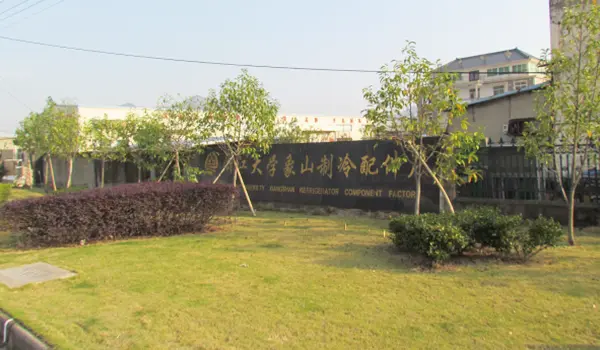
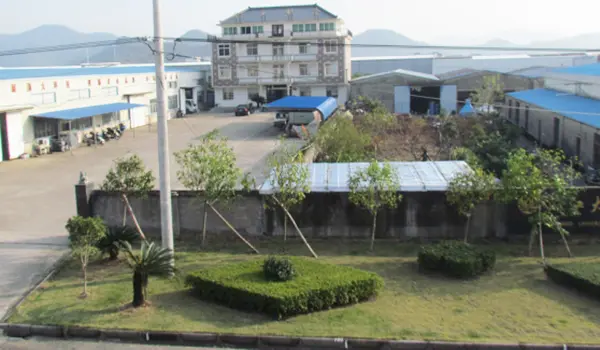
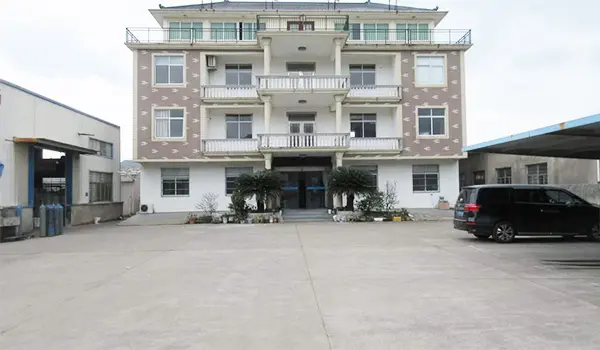
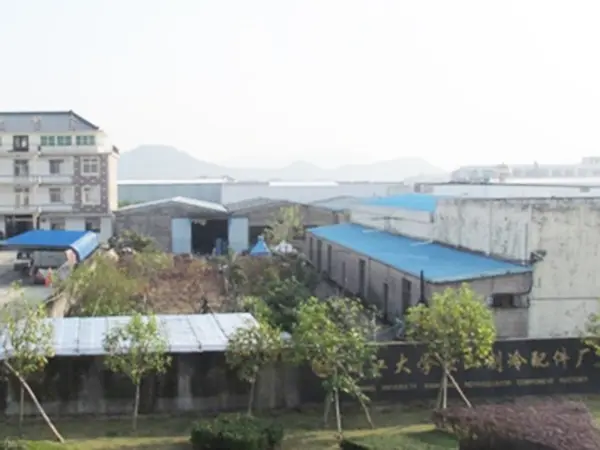
Ningbo Taojun Refrigeration Equipment Co., Ltd. is situated in Xiangshan, Ningbo, a prominent manufacturing and shipping hub in China. Founded in 1988, our predecessor was the Xiangshan Refrigeration Accessories Factory of Zhejiang University. Over more than 30 years of development, we have evolved into a national high-tech enterprise integrating R&D, design, advanced manufacturing, and global sales.
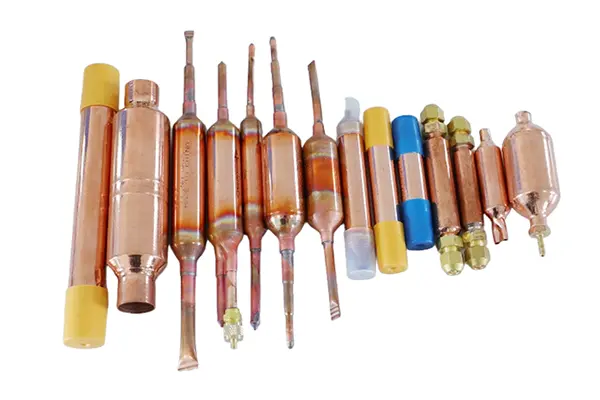
Our core product line includes highly efficient CO₂ gas coolers, microchannel condensers, copper filter driers, brass and copper accessories, check valves, and customized HVAC fittings. With a firm root in engineering science and close collaboration with premier research institutions, our brand "Lingshan" and "Taojun" have earned global recognition for robust reliability in extreme working conditions.
Understanding Subcritical Cycles, Transcritical Gas Cooling, and Advanced Microchannel Metallurgy
Unlike conventional synthetic HFC/HCFC refrigerants, carbon dioxide (R744) has a exceptionally low critical temperature of 31.1°C (88°F) and a high critical pressure of 73.8 bar (1070 psi). Because of these physical constraints, a CO₂ heat exchanger must be engineered to operate in two completely distinct modes depending on ambient temperatures:
Engineering Takeaway: CO₂ gas coolers require a design that optimizes the internal volume while maintaining structural integrity. Our advanced finned-tube and microchannel designs minimize the internal charge of R744, minimizing system safety risks while maximizing thermal efficiency.
Standard grade copper tubing (such as DHP copper) loses structural integrity under high pressure and temperature cycling. To build safe and lightweight transcritical CO₂ condensers, Taojun integrates K65 copper alloy (copper-iron alloy). K65 possesses high mechanical strength, permitting thin-walled tube geometries that provide superior thermal conductivity without risking structural failure or pressure bursting.
For industrial applications, we offer microchannel designs fabricated using precision-extruded aluminum. The microport profile divides the refrigerant flow into dozens of tiny parallel channels. This radically decreases the hydraulic diameter and exponentially increases the internal surface heat transfer coefficient while containing pressures exceeding 140 bar burst limits.
Because transcritical CO₂ systems operate at high velocities, oil return to the compressor is a crucial reliability vector. If oil accumulates in the condenser, it creates a thermal barrier that reduces efficiency. Taojun implements inner-grooved micro-fins within our tube assemblies. These micro-grooves induce internal turbulence, which prevents the formation of a static oil boundary layer, ensuring consistent heat transfer coefficients and proper oil entrainment back to the suction line.
Why Tier-1 Appliance Manufacturers (Haier, Midea, Whirlpool, Electrolux) Choose Taojun
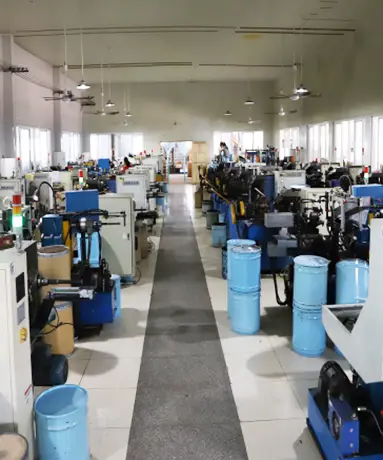
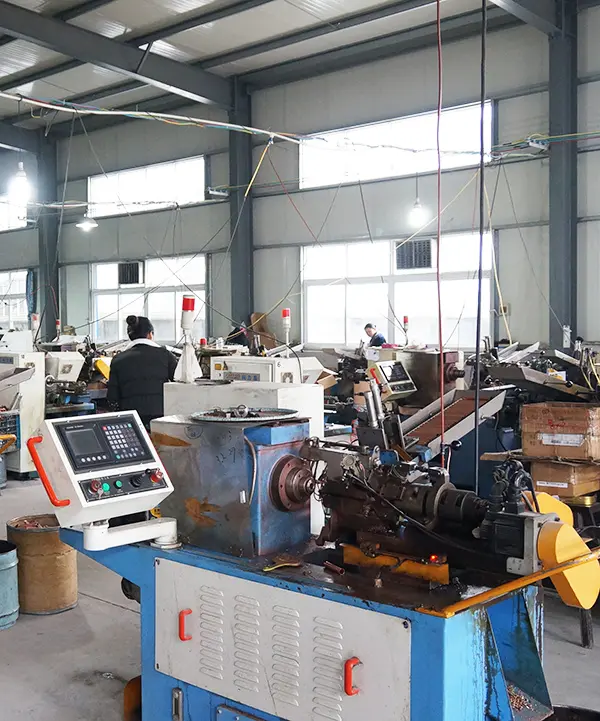
Our core production machinery is imported directly from Germany, ensuring precise machining tolerances down to ±0.02mm on all heat exchanger fins and manifolds.
Founded out of the Xiangshan Refrigeration Accessories Factory of Zhejiang University, our R&D center features 15 lead engineers holding doctoral and advanced academic credentials.
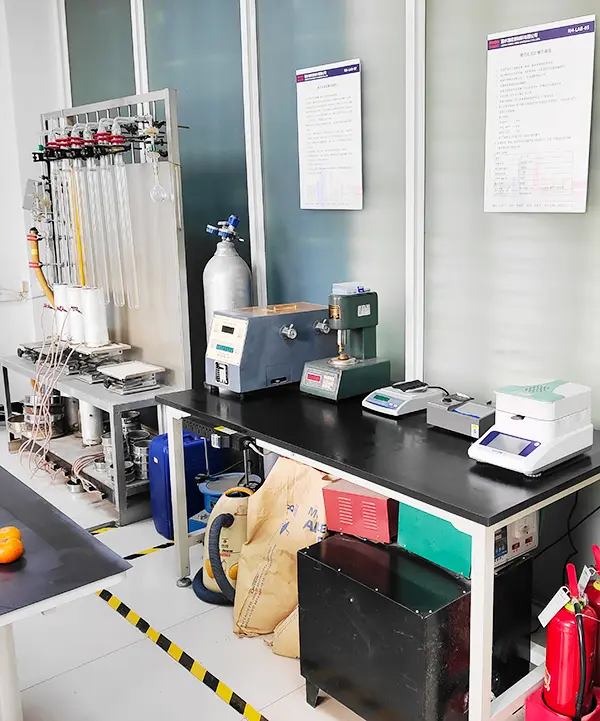
From Japan-sourced raw materials to automated helium mass spectrometer leak detection, all components go through continuous 5D thermal and pressure stress testing.
Our company maintains full certification compliance across ISO 9001:2015, IATF 16949, CE-PED (Pressure Equipment Directive), RoHS, REACH, and US UL certifications.
Thermal shock testing spanning -35°C to 75°C for 500 hours, combined with 24-hour electrical aging on smart film components, ensures 10+ year operational life.
We provide full structural customization of fin density, pipe pathing, connection geometries, and integrated filter driers with a responsive 500-unit MOQ.
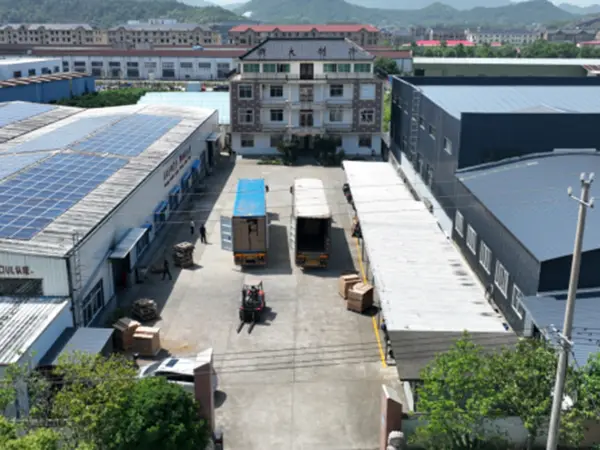
At our Ningbo manufacturing complex, Taojun has integrated an advanced MES (Manufacturing Execution System) smart workshop platform. This digital ecosystem traces every stage of production from raw copper alloy coils to final argon-arc and vacuum brazing processes.
To support high-volume global OEM demands, we employ automatic orbital welding machines that prevent variations in weld penetration. Each condenser assembly is tested via highly sensitive inline CCD optical monitoring and pressurized helium chamber testing, ensuring an absolute zero-leak threshold. This level of smart factory automation gives our global procurement partners an unmatched balance of premium quality, consistent lead times, and competitive price structures.
Fully compliant with international quality, pressure safety, and environmental standards
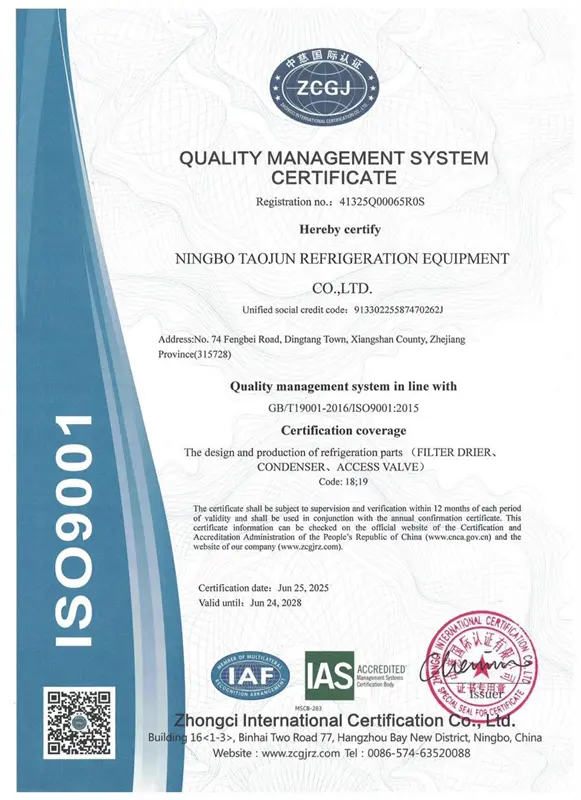
GB/T19001-2016 / ISO 9001:2015 Quality Management Certificate
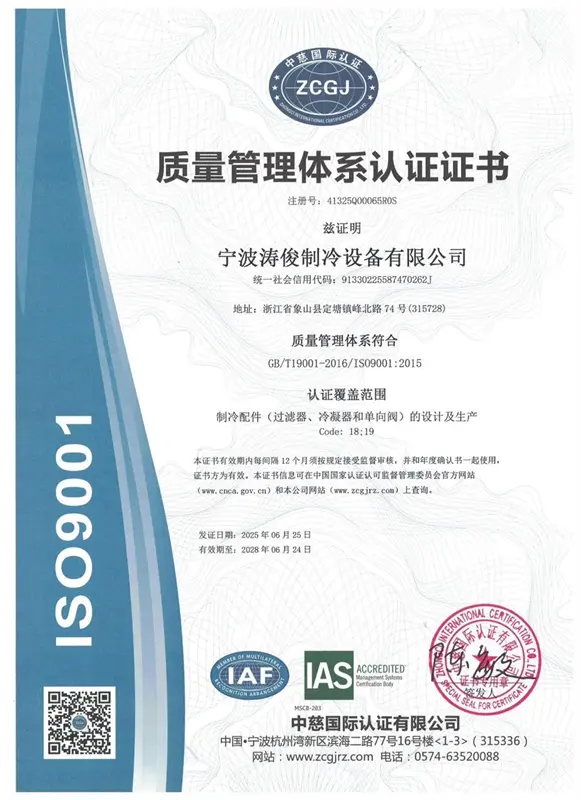
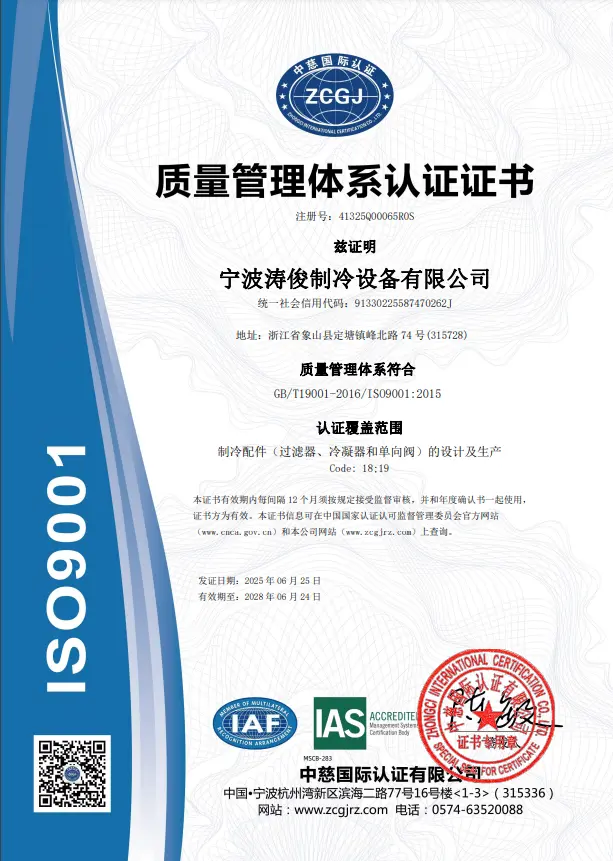
Official Scope of Certification: Driers, Condensers, Valves
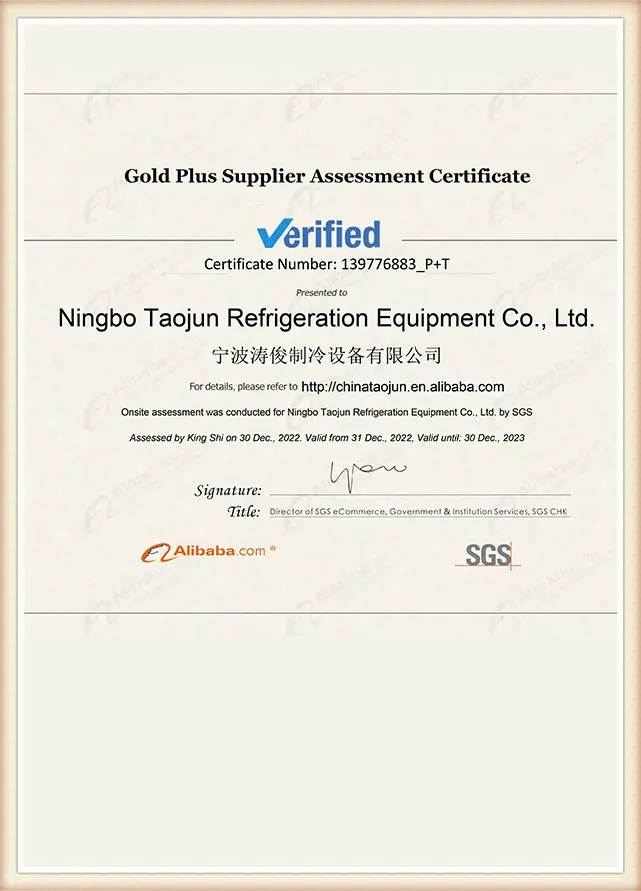
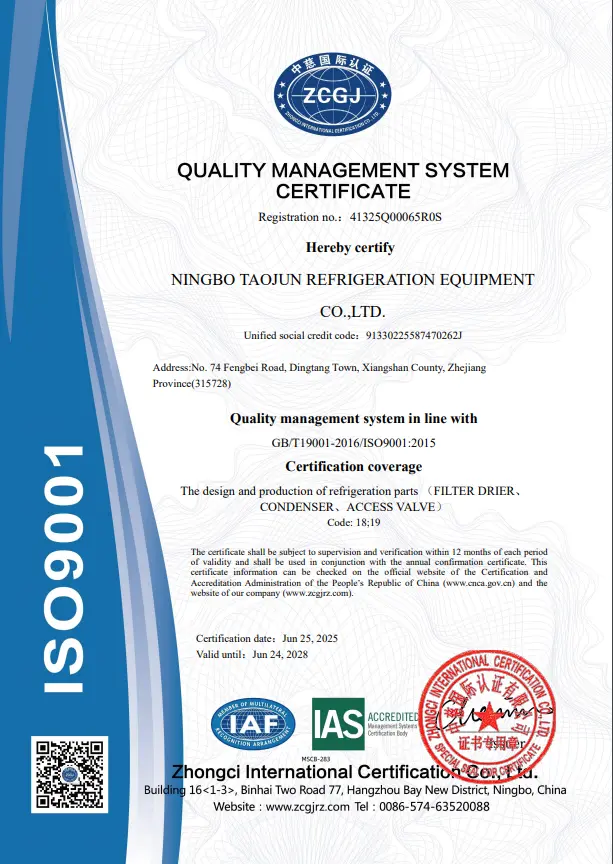
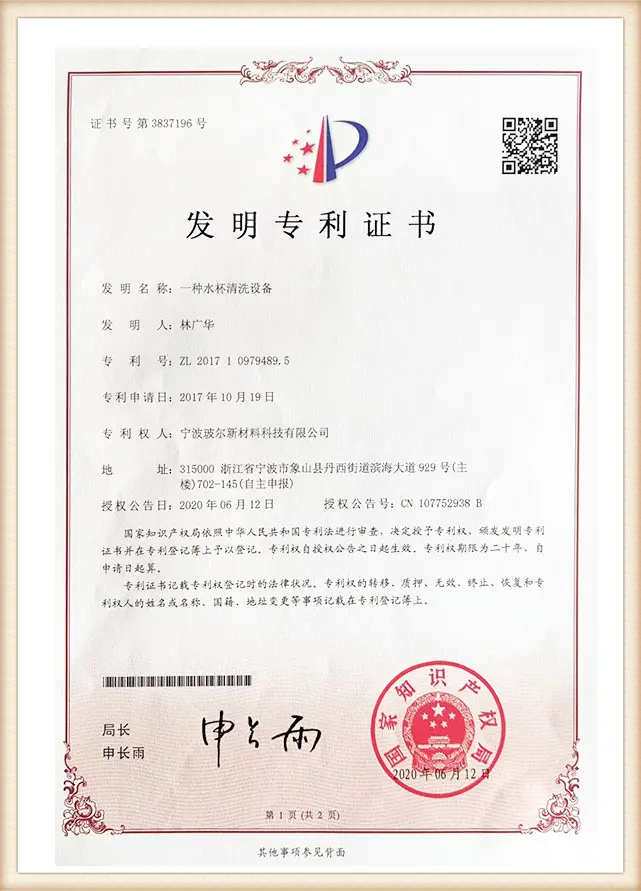
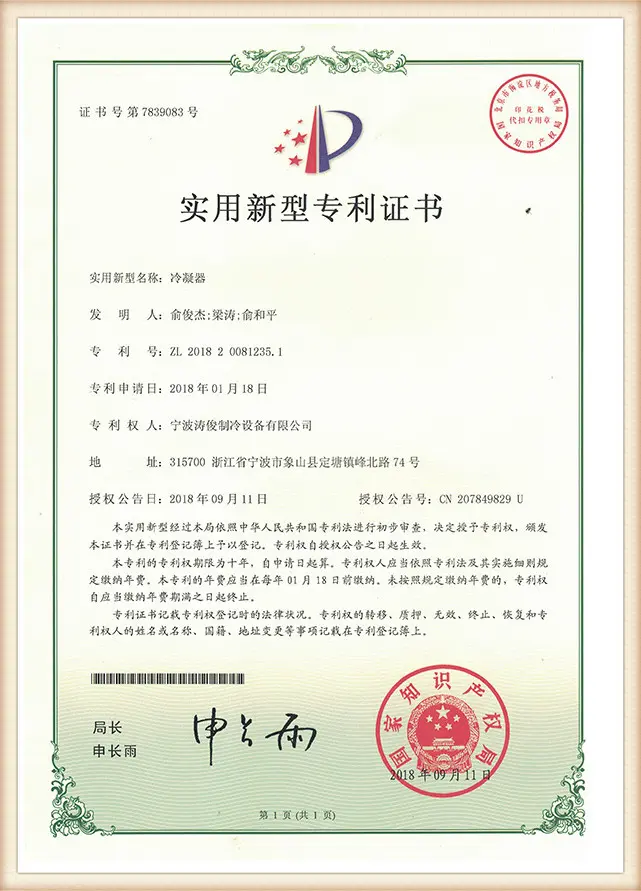
A comprehensive overview of our commercial-grade components with global availability
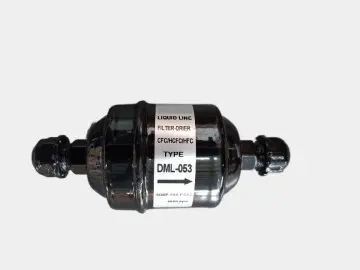
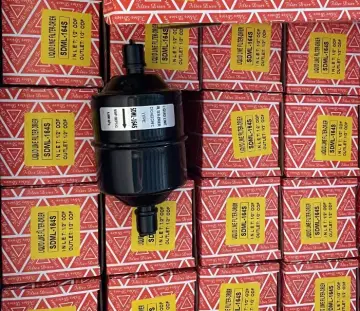
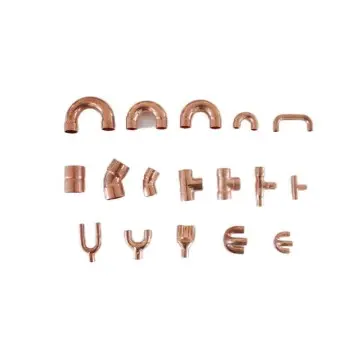
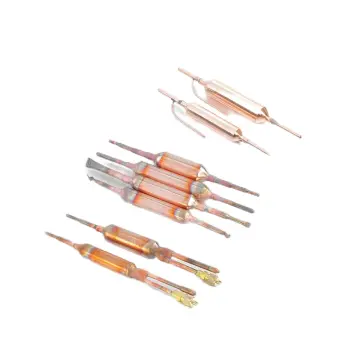
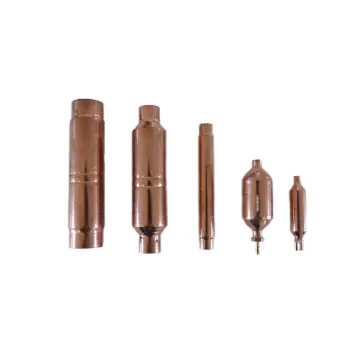
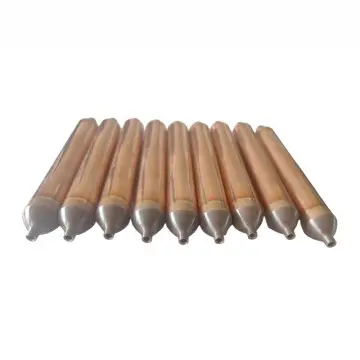
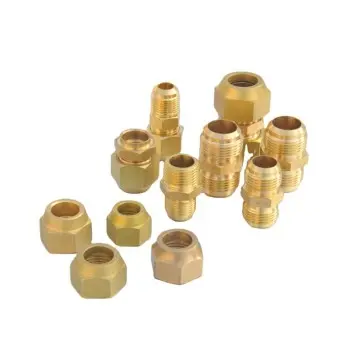
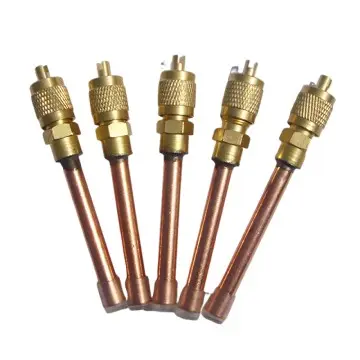
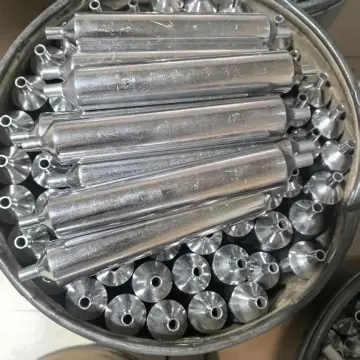
Aluminum Receiver Tank R134a R600a
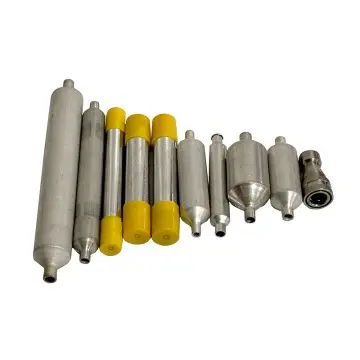
Aluminium Filter Drier
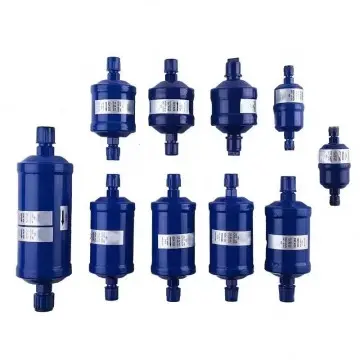
Solid Core Filter Drier
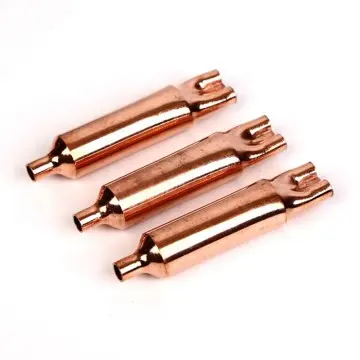
Double Copper Filter Drier
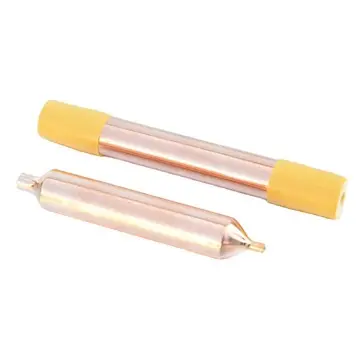
Copper Filter Drier 10g/15g/20g
Supporting cold chain, commercial display cases, and industrial process cooling worldwide
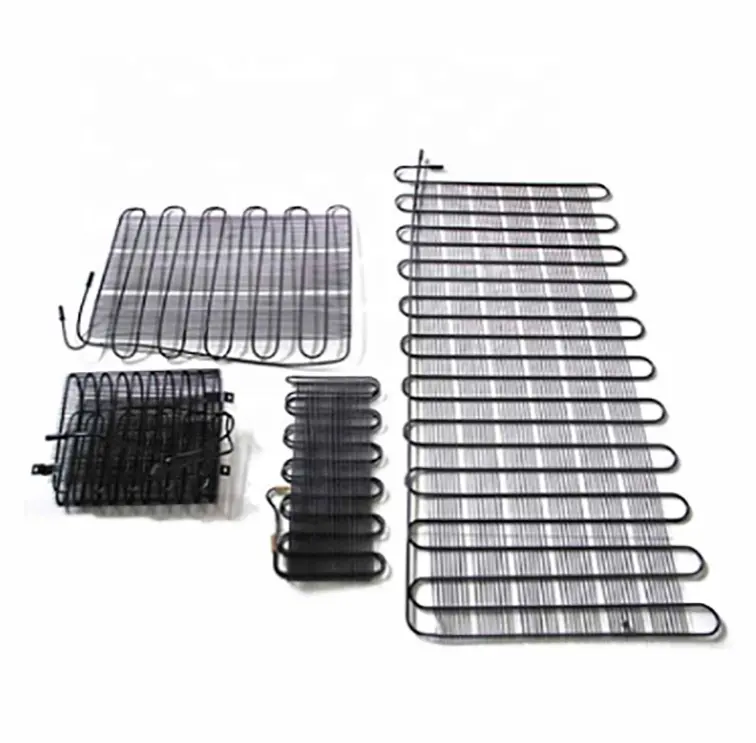
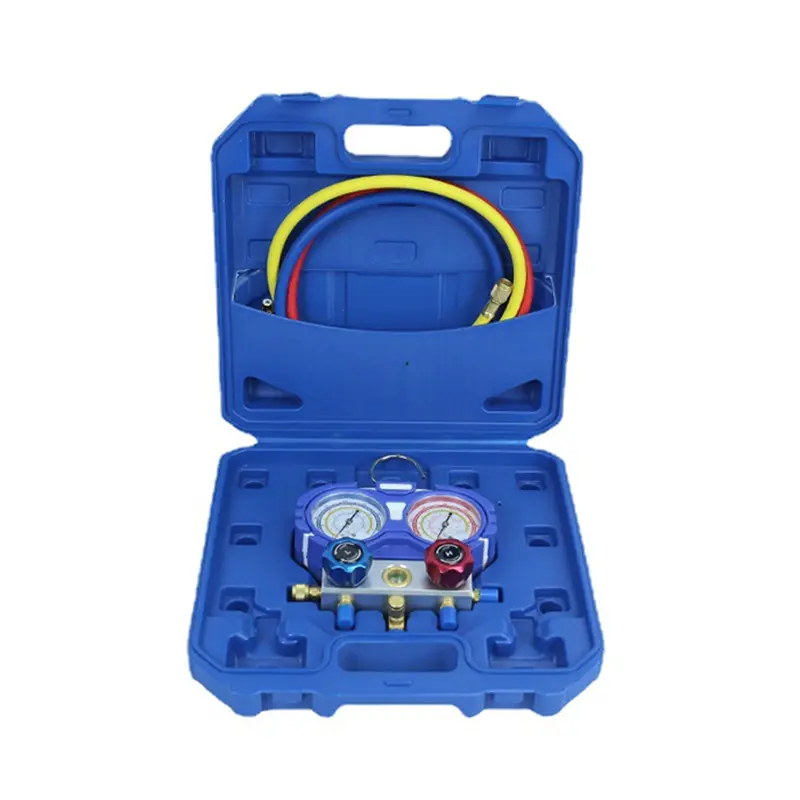
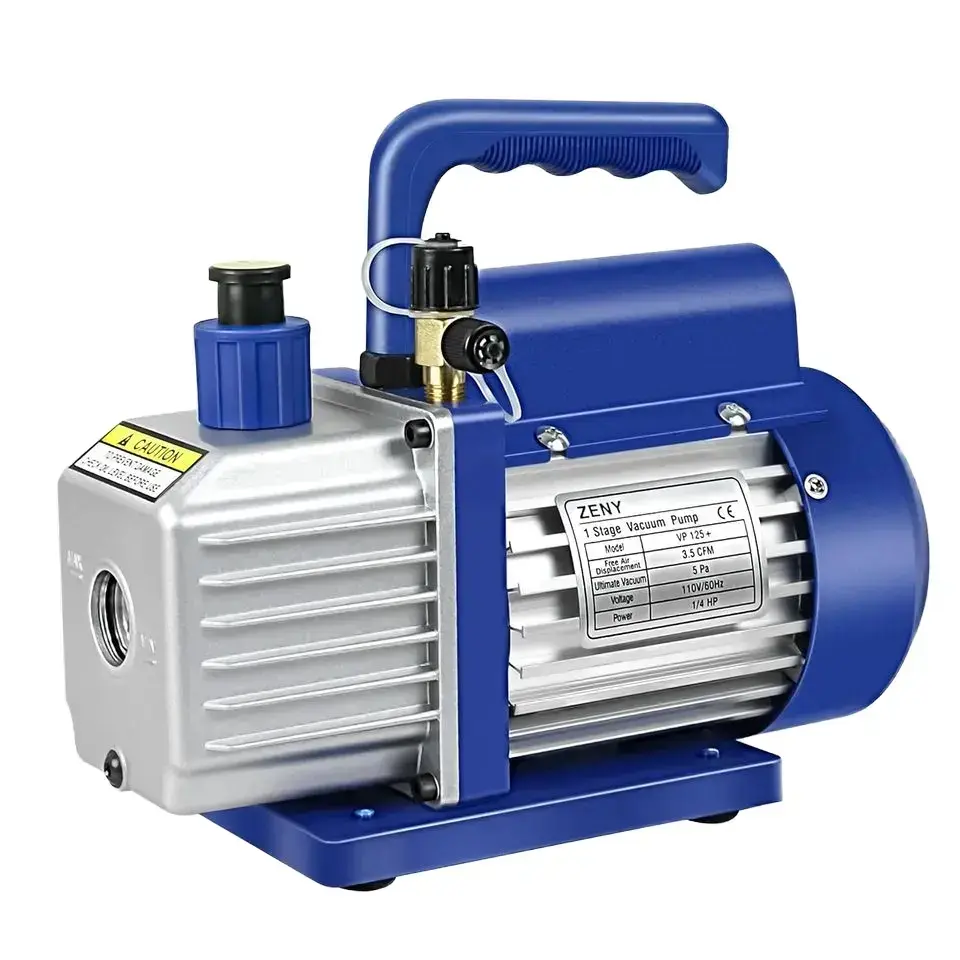
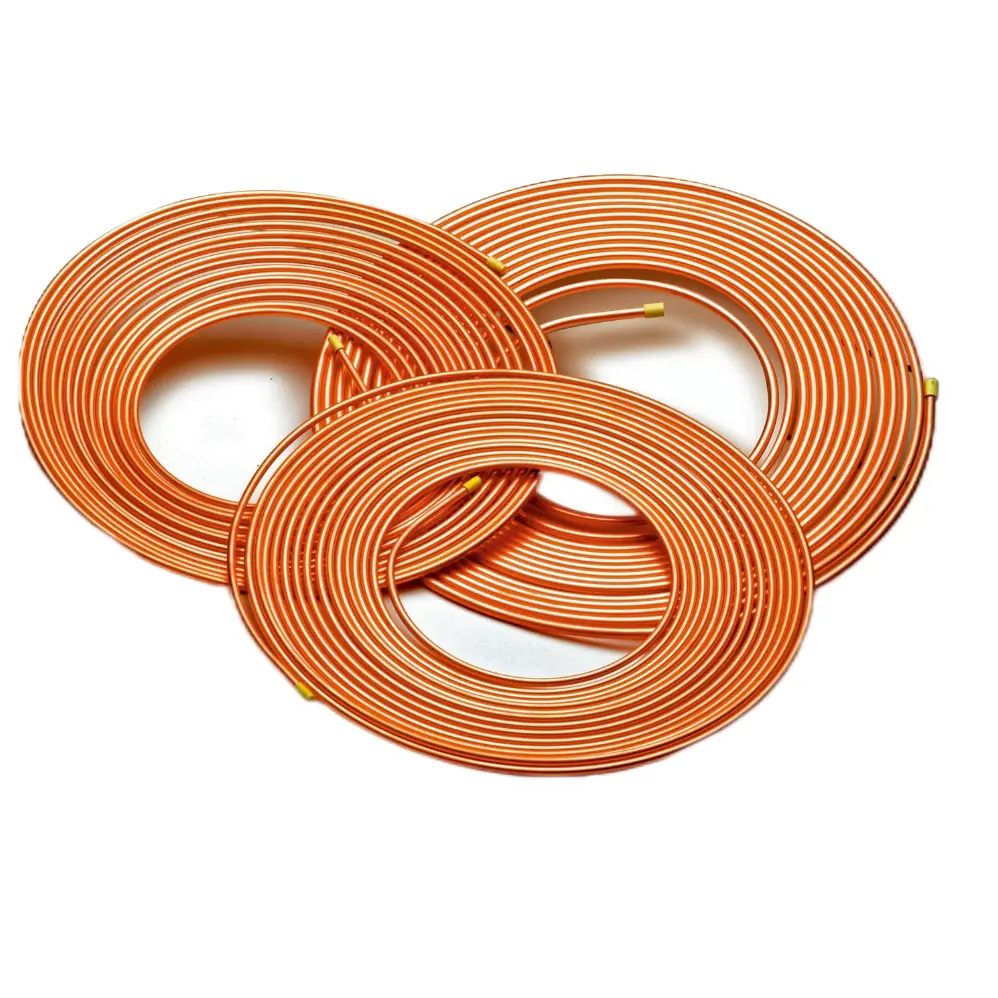
Exporting to Europe, North America, South America, Southeast Asia, the Middle East, and Africa requires more than just high-quality products. It demands strict regulatory compliance, detailed metallurgical certifications, and reliable cargo containment.
Taojun provides complete localization support. This includes customized packaging compliant with European ISPM 15 standards, digital temperature tracking tags for container ocean shipments, and pre-cleared documentation tailored to match destination import requirements (such as CE, PED, ASME, and UL safety standards).
Ensuring operational continuity and rapid resolution for procurement and engineering teams
Choosing the correct heat exchanger configuration requires detailed thermodynamic simulation. Our engineers utilize advanced thermal modeling software to simulate heat transfer coefficients, pressure drop profiles, and refrigerant charge limits. We provide one-on-one technical consultation with seasoned pump and refrigeration specialists holding decades of practical experience.
All Taojun components come with a standard one-year warranty, accompanied by lifetime technical consultation. We maintain detailed tracking profiles for every batch number manufactured, ensuring complete material traceability from raw copper alloy melt to final pressurized test runs. Our support desk operates 24/7 with a guaranteed response window of under 8 hours.
We work closely with client engineering departments to co-develop bespoke components. Whether you require specific inner-grooved tube profiles for customized CO₂ systems or dedicated structural brackets for direct air-handler integrations, our automated processing line is optimized to pivot quickly. We accommodate prototype runs and provide 3D CAD modeling within 72 hours of initial design brief alignment.
Direct answers to common engineering, procurement, and system integration questions
Retaining original product links and assets for direct ordering and detailed catalog review
 Taojun