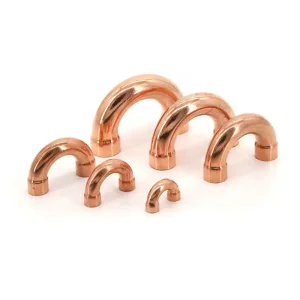
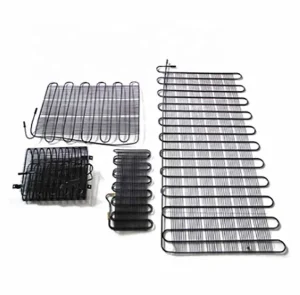
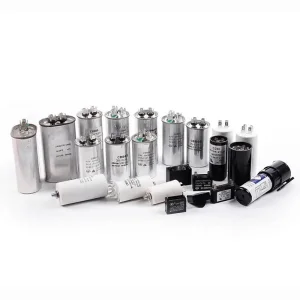
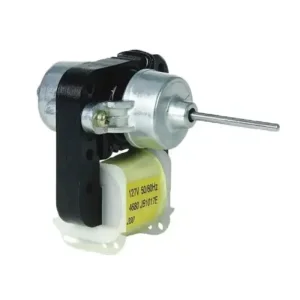
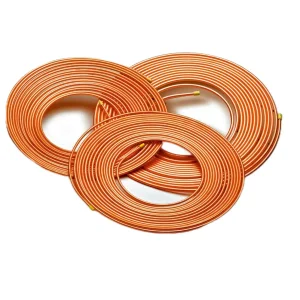
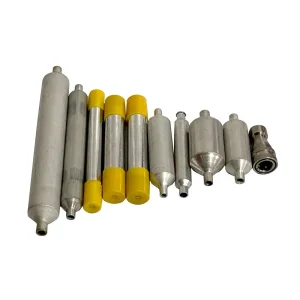
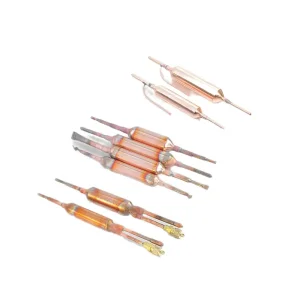
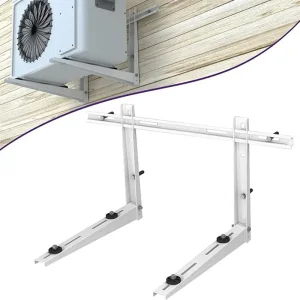
Engineered copper elements, condensing components, and system-protection units manufactured direct from Zhejiang, China.
Understanding the transition to high-efficiency, environment-safe brazing systems in commercial HVAC/R pipelines.
In modern industrial refrigeration, HVAC assembly, and thermal exchange systems, the joint reliability of copper-to-copper, copper-to-brass, and copper-to-steel pipelines represents the core factor preventing refrigerant leakages. As regulations like F-Gas, EPA Section 608, and the Kigali Amendment drive global markets toward high-pressure natural refrigerants (such as R290, CO2, and HFO mixtures), operating pressures have scaled significantly, prompting strict zero-leakage policies from major HVAC brands. As a result, the performance demands on industrial brazing alloys and components have risen to historic highs.
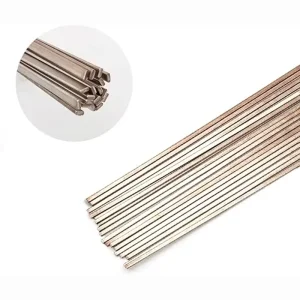
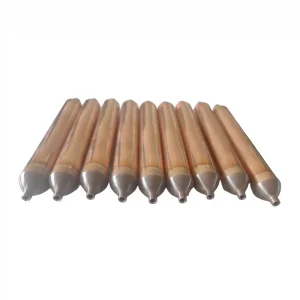
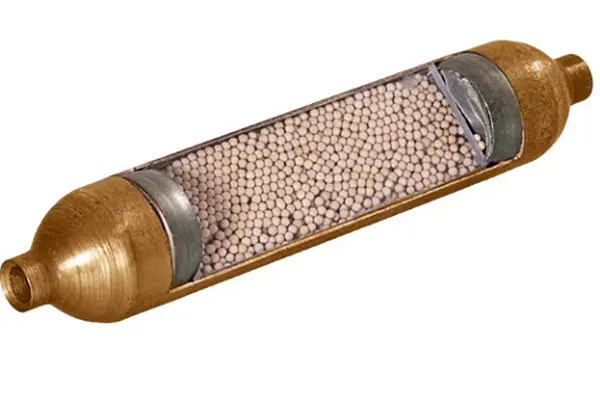
Silver brazing alloys and high-purity copper-phosphorus brazing materials serve as the primary metallurgical standard for securing refrigeration systems. The addition of varying percentages of Silver (ranging from 2% to 15% or higher for dynamic vibration resistance) lowers liquidus temperatures, increases fluid ductility, and drastically improves corrosion resistance in coastal or high-humidity installations. To guarantee system lifespan, these brazing consumables must be integrated alongside advanced moisture management systems such as molecular sieve filters, preventing internal corrosion caused by acid formation.
| Alloy Classification | Composition Breakdown | Melting Range (Solidus/Liquidus) | Key Mechanical Application |
|---|---|---|---|
| BCuP-2 (Copper-Phosphorus) | P: 6.8-7.5%, Cu: Bal. | 710°C - 802°C (1310°F - 1475°F) | Standard copper-to-copper tubing joints. Self-fluxing on pure copper pipelines. |
| Ag 5% (BCuP-3) Alloy | Ag: 4.8-5.2%, P: 5.8-6.2%, Cu: Bal. | 643°C - 788°C (1190°F - 1450°F) | High-vibration residential compressor joins & heat exchanger manifolds. |
| Ag 15% (BCuP-5) Alloy | Ag: 14.5-15.5%, P: 4.8-5.2%, Cu: Bal. | 643°C - 802°C (1190°F - 1475°F) | Commercial cold rooms, automotive AC systems, and safety-critical capillary joints. |
| Silver Brazing (High Ductility) | Ag: 30%-45%, Cu, Zn, Sn | 620°C - 730°C (1148°F - 1346°F) | Dissimilar metals joining (e.g., Copper to Stainless Steel or Carbon Steel parts). |
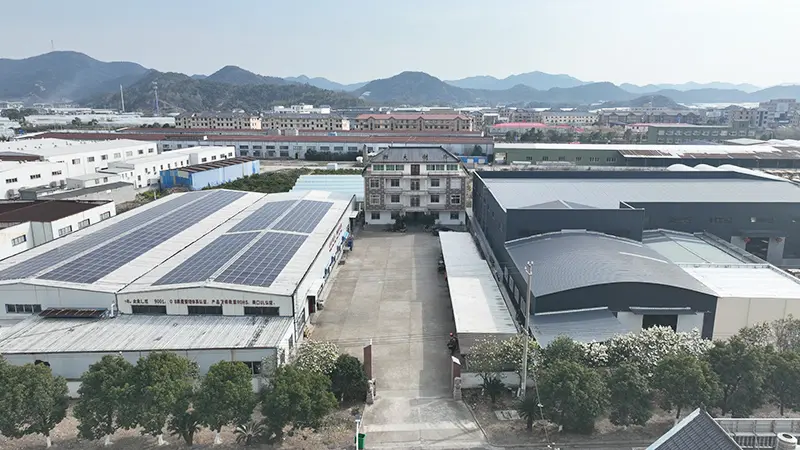
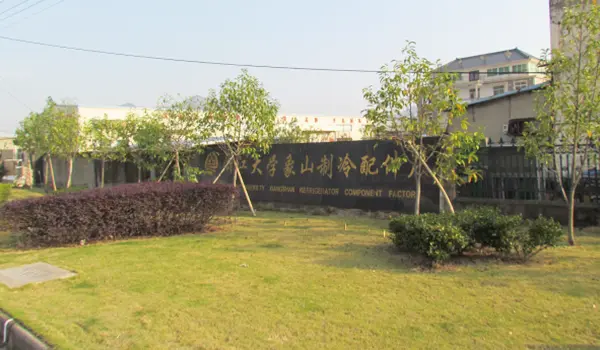
Established in 1988, Ningbo Taojun Refrigeration Equipment Co., Ltd. (formerly the Xiangshan Refrigeration Accessories Factory of Zhejiang University) is positioned in the prominent industrial hub of Xiangshan, Ningbo, China. Over nearly four decades, Taojun has evolved into a global leader in designing, manufacturing, and supporting premium-grade refrigeration components.
As a national High-Tech Enterprise certified in 2021, the company operates dedicated product pipelines for filter driers, check valves, condenser systems, high-purity brass/copper connection adapters, and custom copper/silver brazing applications. Holding rigorous certifications including ISO 9001:2015, EU RoHS, and US UL, Taojun supplies major HVAC brands including Midea, Gree, Haier, Xinfei, Whirlpool, Electrolux, and Huarui.
Our core philosophy combines strict metallurgical precision with automated assembly systems to achieve zero-defect delivery, reducing system installation risk and lengthening compressor operating life.
Why the world's leading appliance brands trust our manufacturing capability.
Our main manufacturing machinery, high-speed tube extrusion lines, and precision tooling systems are imported directly from Germany, ensuring sub-micron dimensional tolerances (±0.02mm) across high-volume production batches.
Our design and development center employs 15 dedicated mechanical and metallurgical engineers, working in direct collaboration with material science professors from the University of Science and Technology of China (USTC) and Zhejiang University.
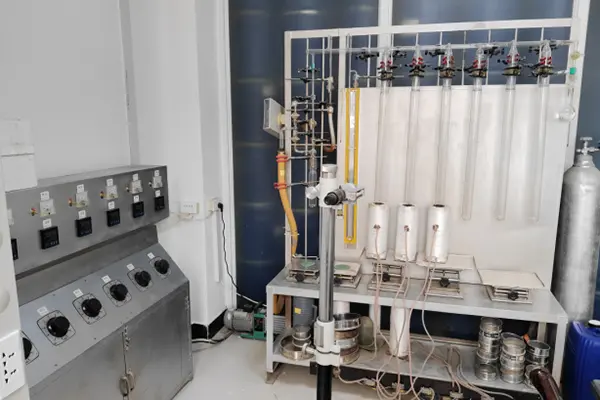
With verified IATF 16949 processes, our components undergo comprehensive testing: spectral raw material inspections, 500-hour thermal shock testing (-35°C to 75°C), and automated high-pressure helium leak verification.
Adapting brazing materials and filtration accessories to diverse environmental and mechanical stress factors.
Household refrigerators utilize small-diameter capillary tubes connected to evaporator sheets. The primary risk is joint blockage from excess brazing flux or metal oxide scaling. Utilizing self-fluxing copper-phosphorus alloy rings (BCuP-2) under an inert gas shield ensures clean joints and prevents blockages. Integrated molecular sieve filter driers catch moisture and protect capillary lines.
Variable Refrigerant Flow (VRF) systems operate under high-frequency load cycles, subjecting copper piping networks to constant expansion and contraction. To withstand physical fatigue, engineering teams specify silver brazing alloys (5% to 15% Ag). This increases joint flexibility and prevents micro-cracks along the heat exchanger manifolds.
Vehicle AC systems experience severe vibrations, temperature swings, and chemical exposure from road debris. In these environments, joint failure causes refrigerant loss and system shutdowns. Using vacuum furnace induction brazing with tin-silver preforms allows manufacturers to produce hermetic seals without using active chemical fluxes, eliminating flux residue corrosion.
Decades of progress from a regional workshop to a globally trusted HVAC/R component manufacturer.
Founded as Xiangshan Refrigeration Accessories Factory of Zhejiang University. Established early R&D processes in copper-joining technology and filter design.
Constructed our modern production facility in Ningbo. Scaled up local component distribution networks and modernized our tooling equipment.
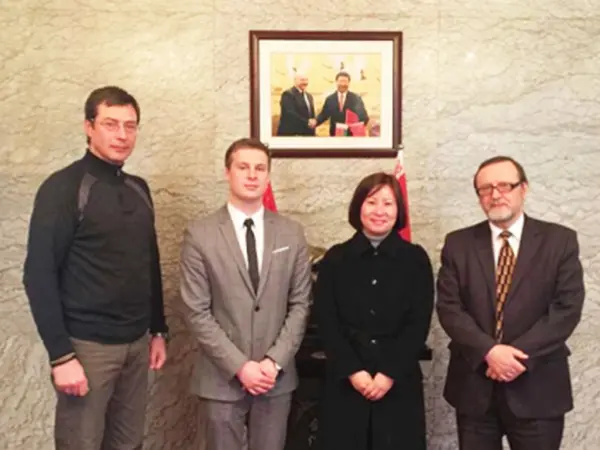
Deployed the MES intelligent workshop management system, standardizing product tracking from raw copper ingot to finished filter drier.
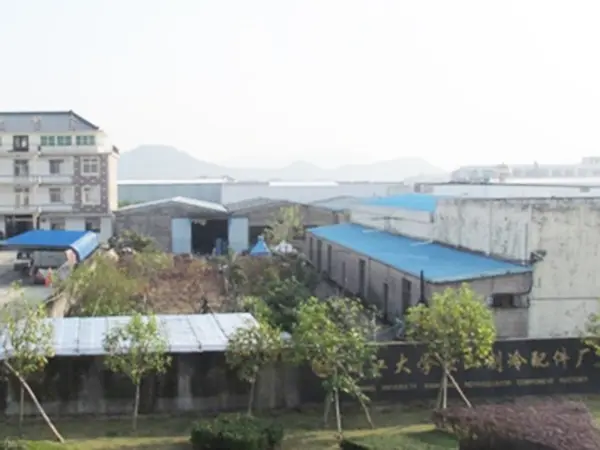
Officially founded Ningbo Taojun Refrigeration Equipment Co., Ltd., launching the "Taojun" brand condenser and stop valve series to serve international markets.
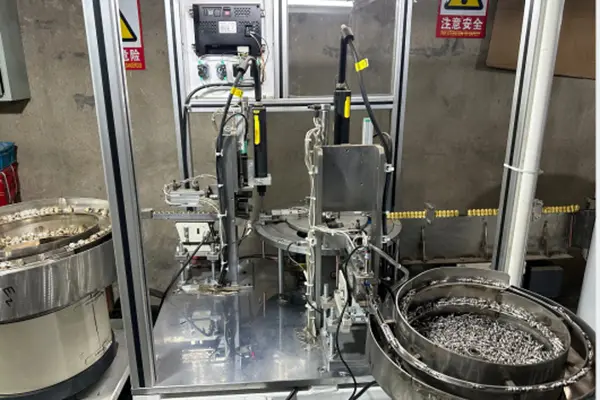
Upgraded to automated multi-station assembly lines. Integrated CCD visual inspection systems to monitor silver brazing alignment and quality in real-time.
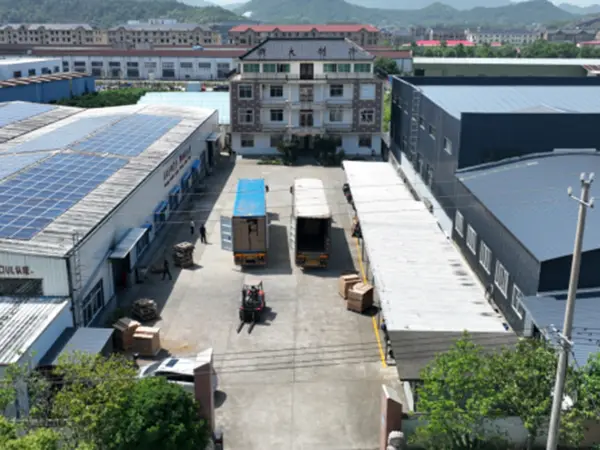
How Taojun ensures uninterrupted delivery and competitive pricing in volatile markets.
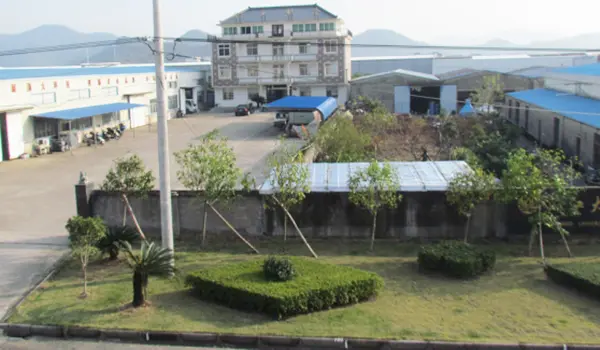
Located in Ningbo, Zhejiang Province, our facility is within a two-hour transit distance from the Port of Ningbo-Zhoushan, the world's largest port by cargo throughput. This geographic location simplifies international shipping logistics. Additionally, Zhejiang's industrial metallurgy cluster allows us to source copper, brass, and silver alloys directly from major domestic smelters, reducing freight costs and raw material transit delays.
Unlike factories that rely on third-party copper pipe extruders, Taojun processes raw materials in-house. Our Japanese-imported ITO film processing lines and automated tube-drawing machines allow us to manage every step of production. This vertical integration ensures consistent wall thicknesses, optimal material purity, and stable costs, protecting our customers from sudden price increases in the global metal markets.
Supported by our MES software, we maintain safety stocks of copper tubes and molecular sieve materials. This inventory management system allows us to fulfill large OEM orders quickly. For standard filter driers, access valves, and silver alloys, we support shipping within 72 hours, helping international partners optimize their inventory levels.
Verified manufacturing processes meeting RoHS, REACH, UL, and ISO standards.
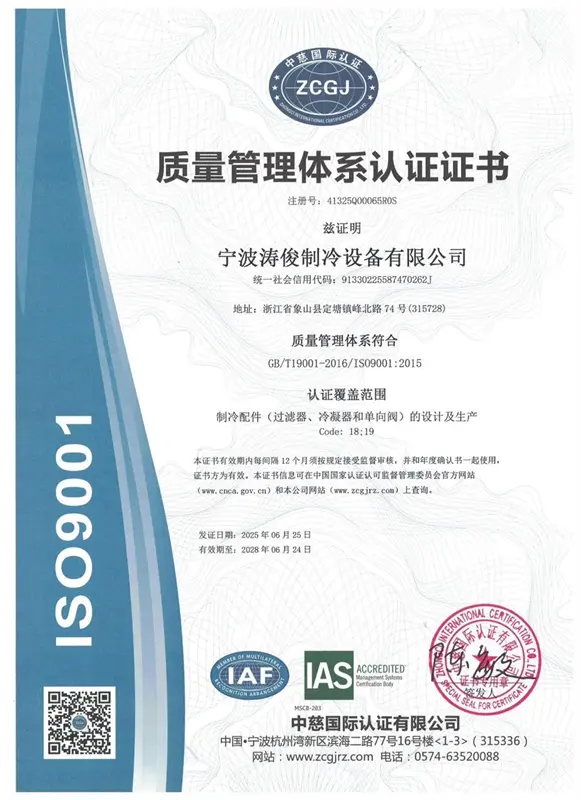
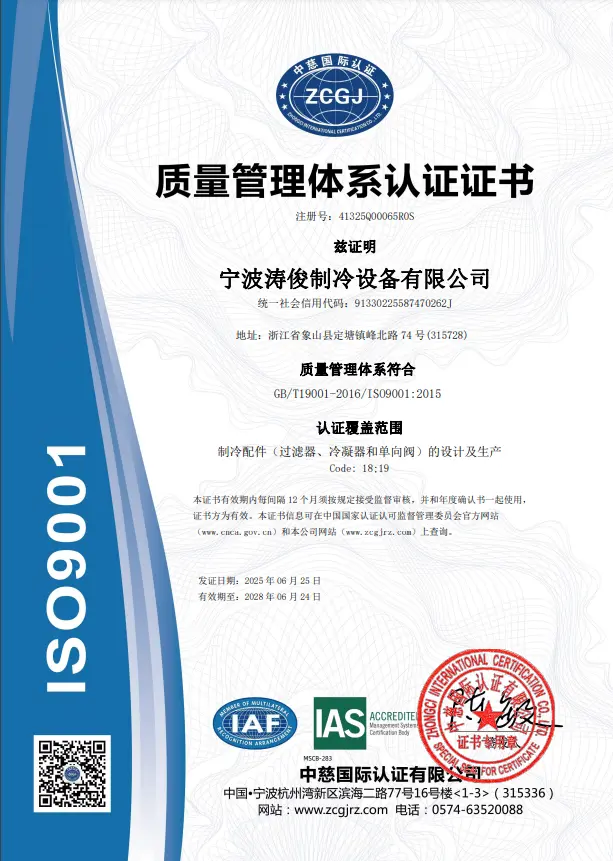
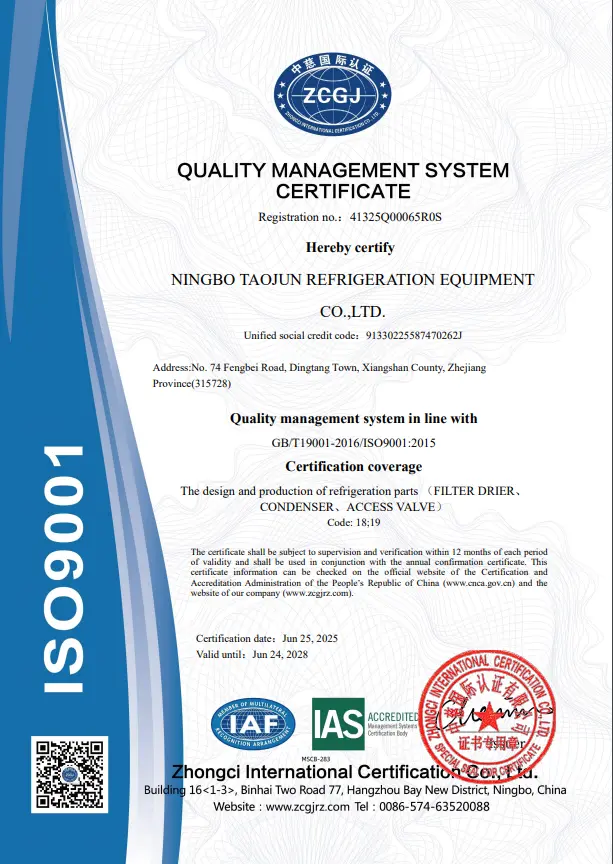
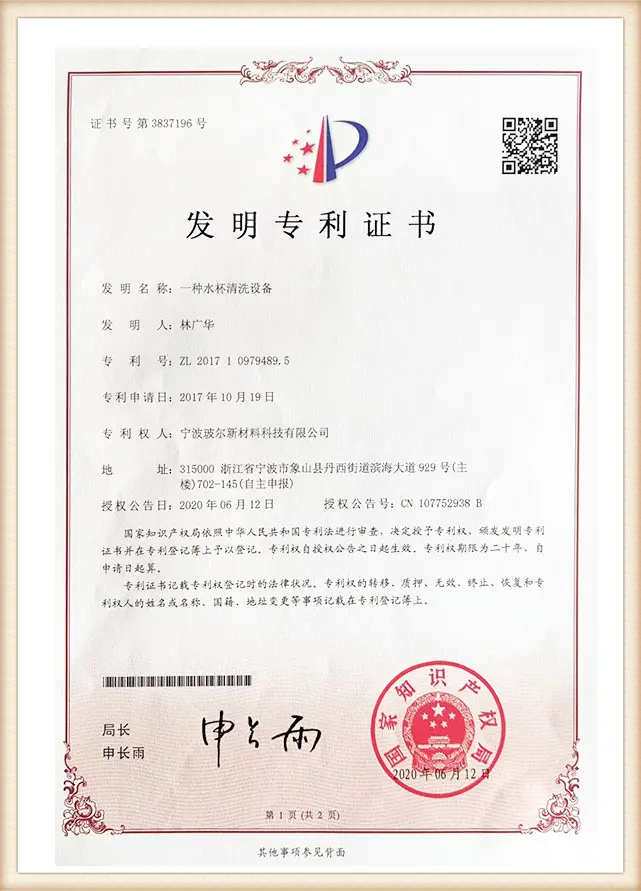
Our GB/T19001-2016 / ISO9001:2015 certification (Registration No.: 41325Q00065R0S) guarantees that every phase of our operations, from engineering design to manufacturing, is audited and managed to international standards.
Our raw materials, including copper-phosphorus alloy formulations, silver brazing wires, and molecular sieve desiccants, comply with the EU RoHS environmental directive. This compliance ensures that our components are free from lead, cadmium, and mercury, allowing them to be used in home appliances and commercial HVAC installations worldwide.
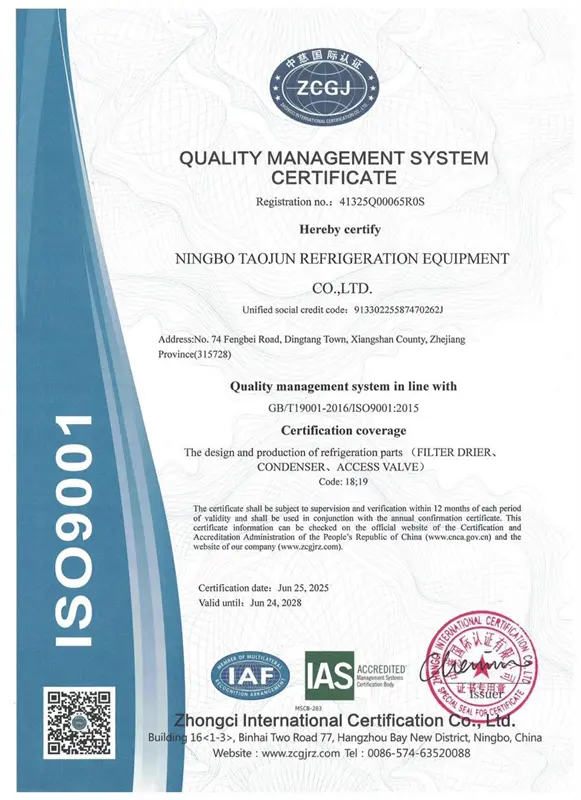
Main ISO9001 Certificate
Scope of Certification
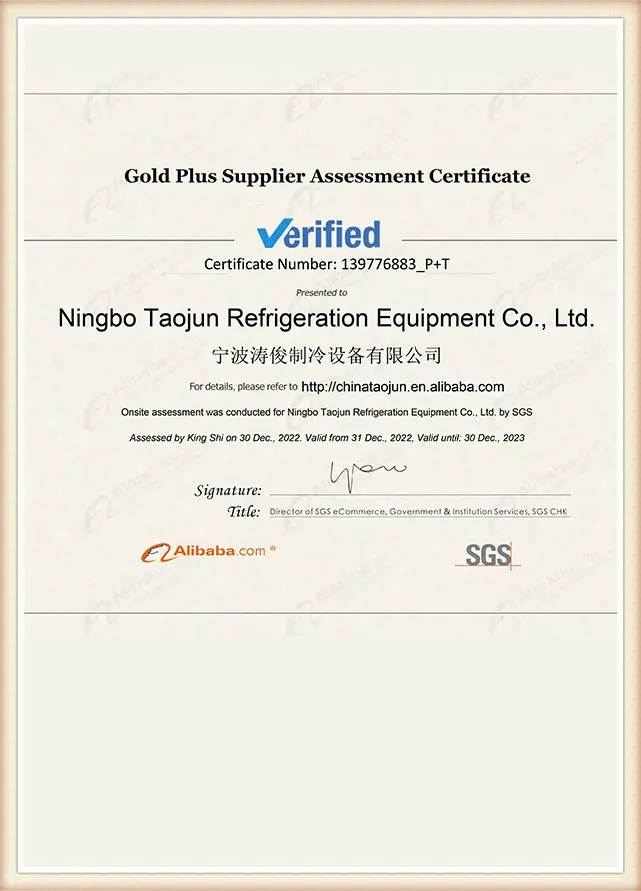
Developing next-generation HVAC/R joining and filtration technologies.
Traditional silver brazing alloys often relied on cadmium to lower melting temperatures and improve flow characteristics. However, due to the toxicity of cadmium fumes, global environmental directives (such as RoHS and REACH) mandate cadmium-free joining alternatives. Taojun's R&D team is engineering specialized copper-phosphorus-tin alloys that provide high fluidity and vibration resistance at lower temperatures, reducing silver content requirements and overall material costs.
To reduce human error during manual torch brazing, the industry is transitioning to automated brazing systems. Taojun is expanding production of customized alloy preforms, rings, and flux-cored wires. Designed for precise dimensions, these preforms melt uniformly under induction heating, ensuring consistent joint thickness and reducing alloy consumption by up to 30% per joint.
The transition to eco-friendly refrigerants like propane (R290) and carbon dioxide (R744) requires highly active desiccants. Propane is highly miscible with synthetic POE/PAG oils, which are more hygroscopic than traditional mineral oils. Our next-generation copper and aluminum filter driers use 3A-XH9 and XH-11 molecular sieves. These provide 25% higher water adsorption capacity, protecting compressor components from moisture-induced acid corrosion.
In modern evaporator and condenser designs, manufacturers often join aluminum coils with copper lines to reduce system weight and material costs. However, joining these two metals is difficult due to their different melting points and galvanic corrosion risks. We are developing zinc-aluminum flux-cored brazing wires that form reliable joints between copper and aluminum, supporting lightweight system designs.
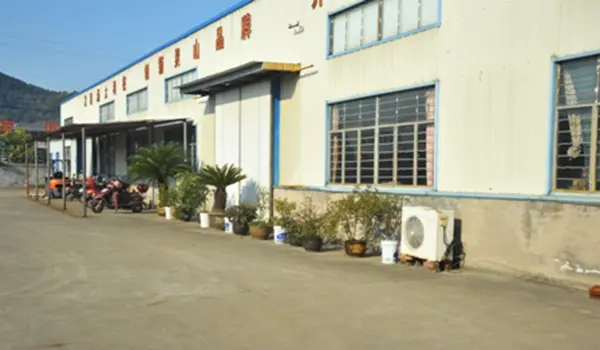
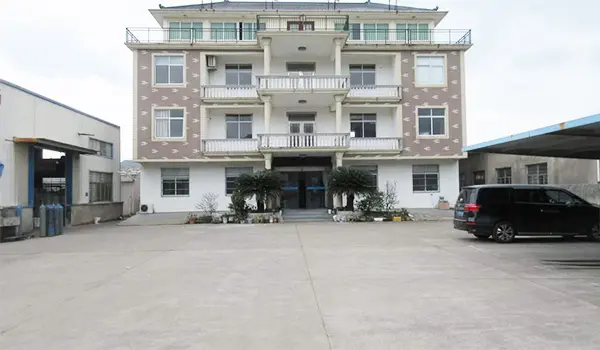
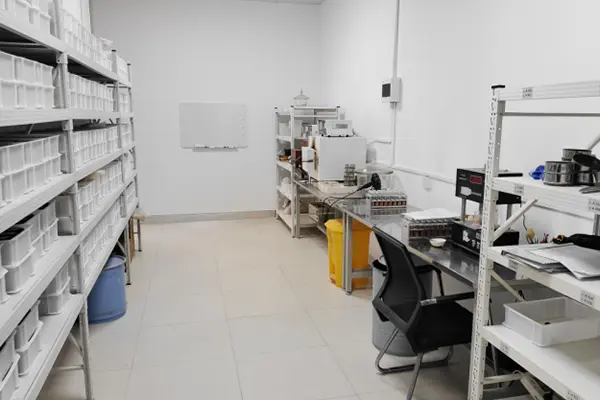
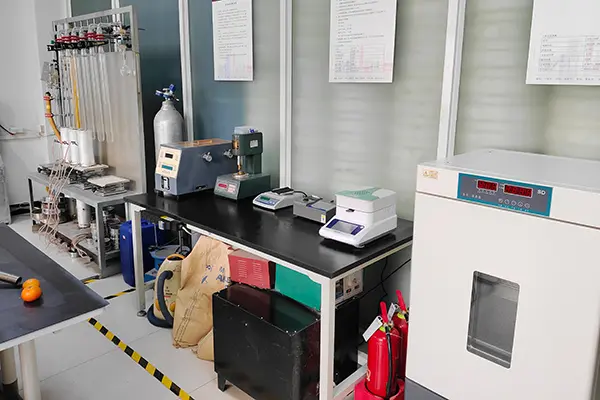
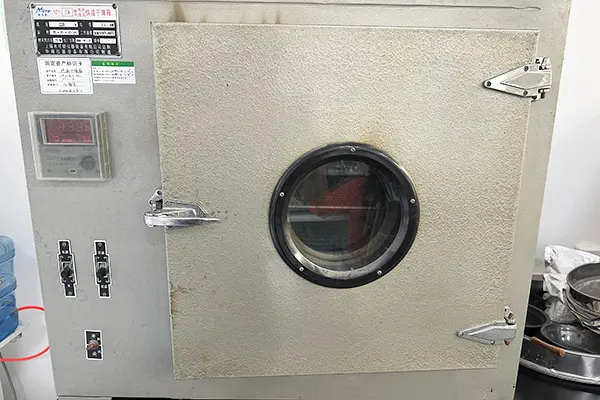
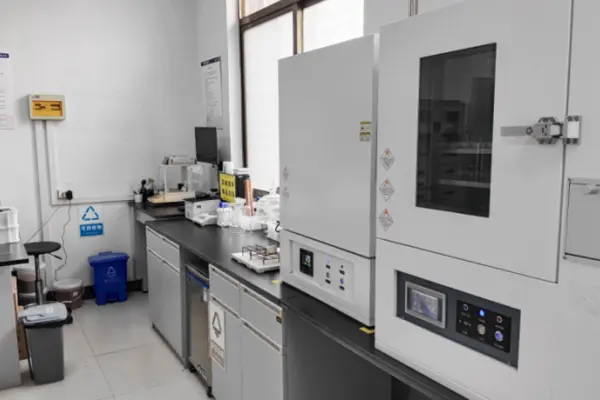
Inside Taojun's ISO 9001-certified workshops, labs, and testing centers.
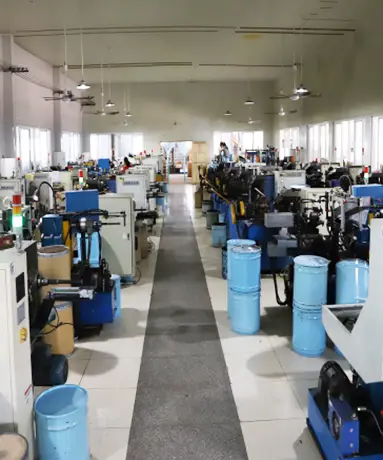
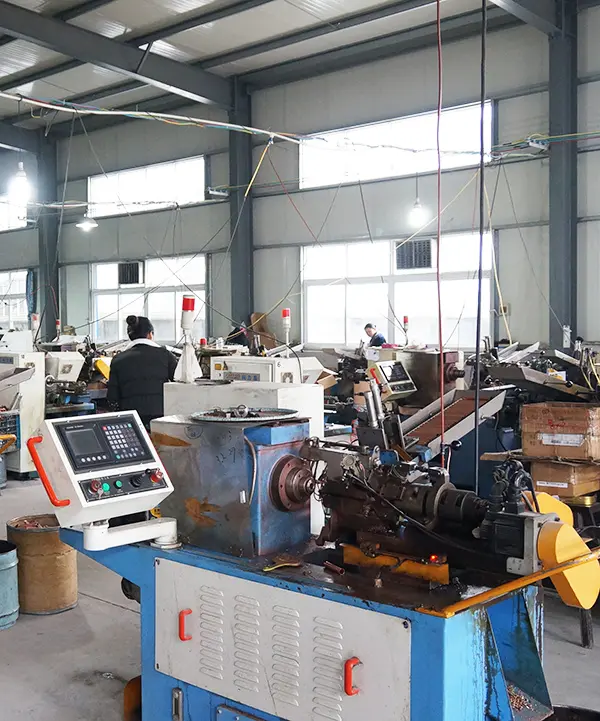
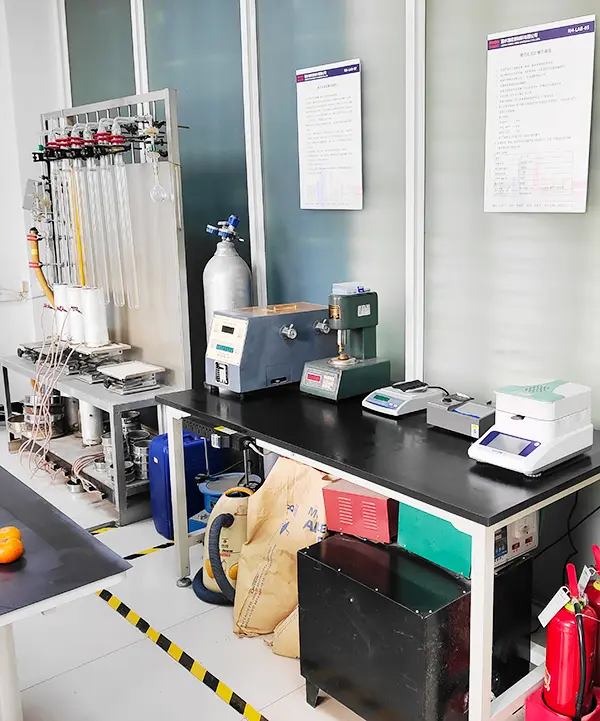
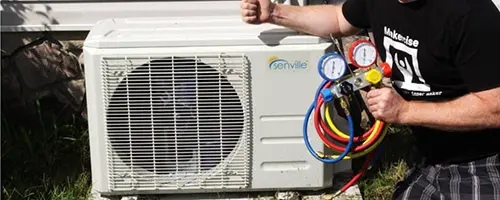
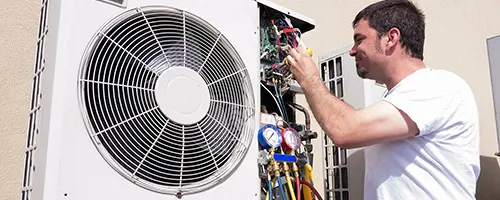
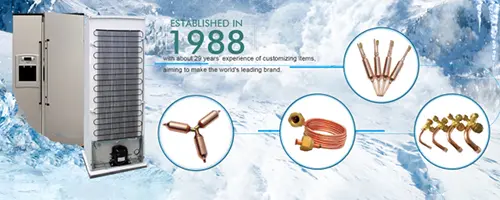
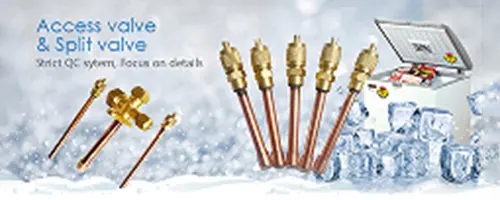
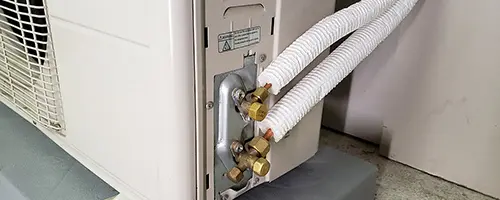

Maintaining strict quality standards at every step of manufacturing.
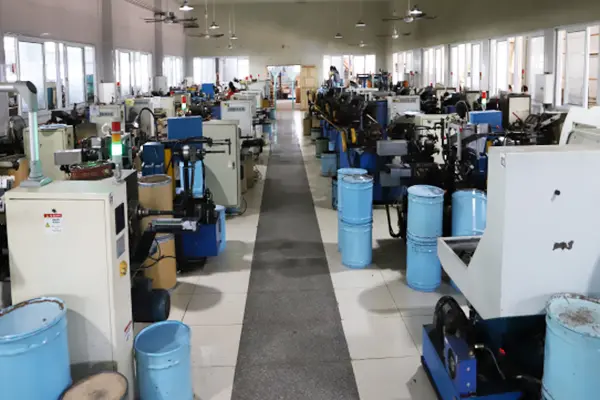
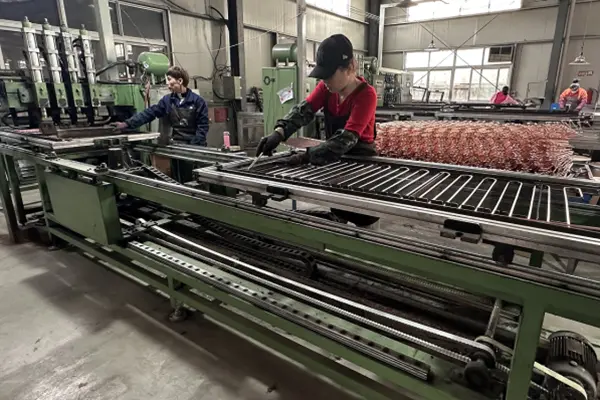
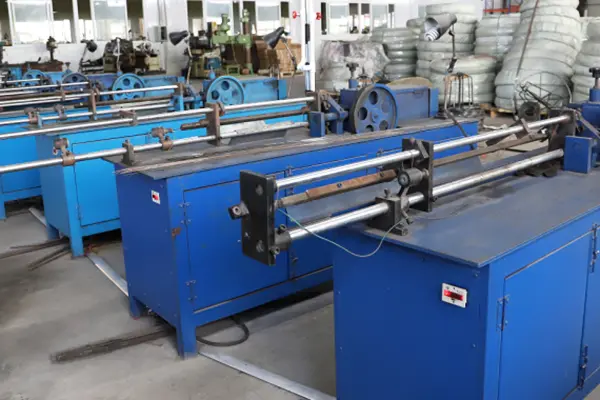
Technical consultation, custom manufacturing, and global after-sales support.
Technical guidance, material specifications, and logistics inquiries.
High-durability alloy products, valves, and adapters direct from our ISO 9001-certified factory.
 Taojun