Premium auxiliary options and tooling designed to complement your high-quality copper level wound coil systems.
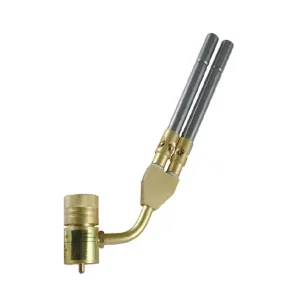
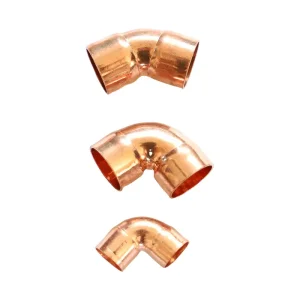
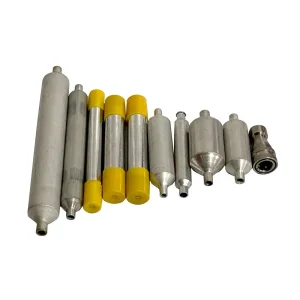
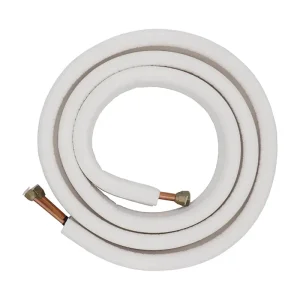
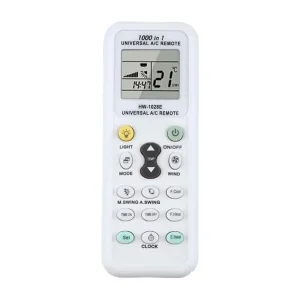
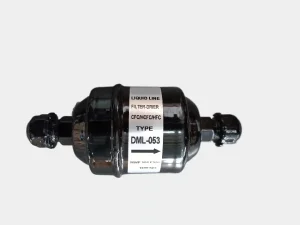
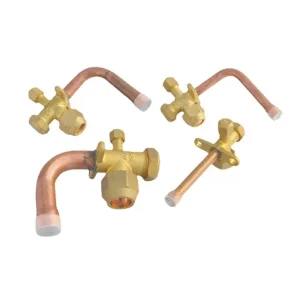
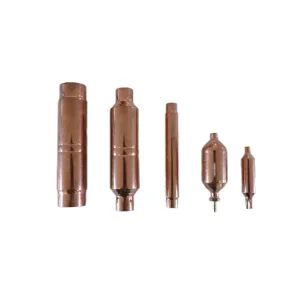
In the modern climate technology landscape, Level Wound Coils (LWC) represent the lifeblood of automated heat exchanger, condenser, and evaporator production. Unlike traditional straight tubing or pancake coils, copper LWC provides uninterrupted feed lengths critical for high-speed CNC hairpin bending, return-bend fabrication, and automated tube expansion lines.
For major home appliance and industrial refrigeration manufacturers globally, sourcing high-grade copper LWC from accredited factories in China has transitioned from a basic cost-saving approach to a key mechanism for structural efficiency. As the demand for eco-friendly refrigerants such as R32, R454B, CO2 (R744), and propane (R290) accelerates, the pressure parameters and mechanical tolerance thresholds of copper tubing have escalated.
A rigorous breakdown of metallurgical properties, geometric tolerances, and surface cleanliness parameters matching ASTM B280 and EN 12735 requirements.
Phosphorus-deoxidized copper alloy containing a minimum of 99.9% Pure Copper (Cu) and residual phosphorus content between 0.015% and 0.040%. This ensures zero hydrogen embrittlement during welding, brazing, or high-temperature heat treatment.
Maximum residual carbon levels are kept below 0.038 g/m² using state-of-the-art clean-room drawing technologies and solvent-free cleaning. This prevents the deterioration of polyolester (POE) lubricants used with modern HFC/HFO refrigerants.
Level Wound Coils are wound uniformly in parallel patterns with tightly monitored pitch, ensuring high payout speeds without tangling or pinching during high-volume de-reeling in manufacturing environments.
| Technical Metric / Dimension | Inner-Grooved LWC Spec Range | Smooth Bore LWC Spec Range | Regulatory Compliance Standards |
|---|---|---|---|
| Outer Diameter (OD) | 4.0 mm - 16.0 mm (±0.03 mm) | 3.0 mm - 22.2 mm (±0.05 mm) | ASTM B280 / EN 12735-1 / JIS H3300 |
| Wall Thickness (WT) | 0.20 mm - 0.70 mm | 0.30 mm - 1.20 mm | ASTM B743 / GB/T 20928 |
| Copper Temper Grade | Light Annealed (O60) / Soft (O) | Soft Annealed / Half-Hard (H58) | ASTM B280 / EN 12735 |
| Coil Weight Capacity | 100 kg - 150 kg / 250 kg - 300 kg | 100 kg - 120 kg / 150 kg - 280 kg | Custom Spool Arrangements (Steel/Wood) |
| Cleanliness Carbon Residue | ≤ 0.020 mg/dm² | ≤ 0.038 g/m² | DIN 8964 / EN 12735-1 |
| Grain Size Range | 0.025 mm - 0.045 mm | 0.030 mm - 0.050 mm | ASTM E112 |
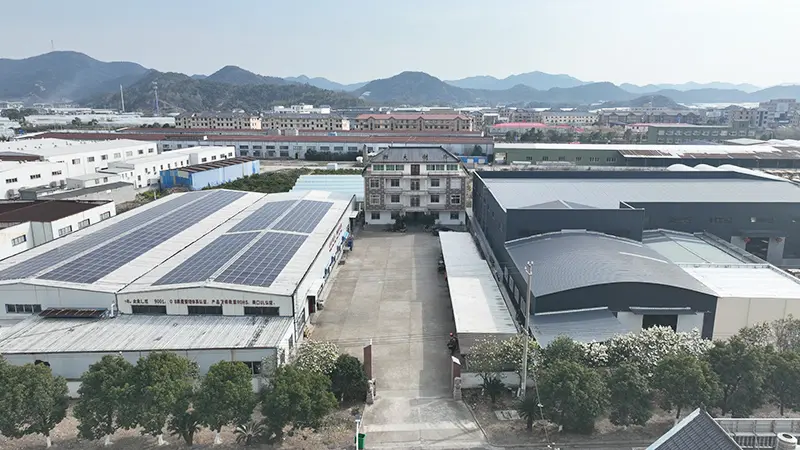
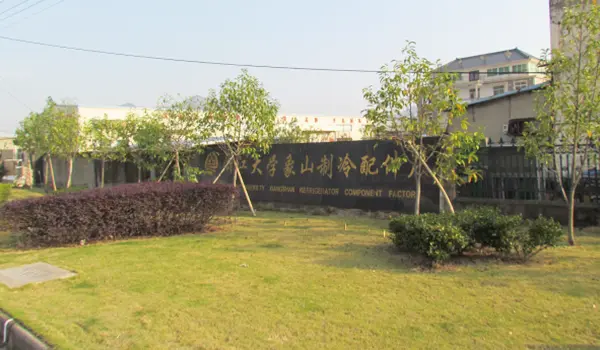
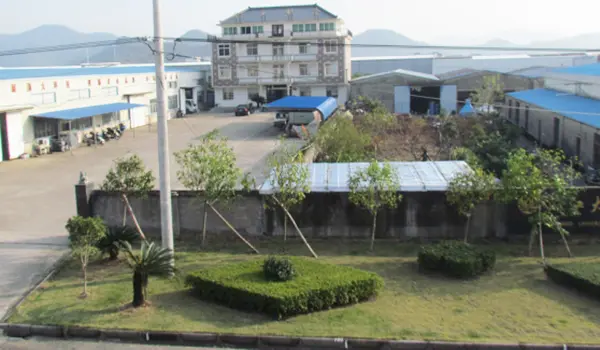
Ningbo Taojun Refrigeration Equipment Co., Ltd., based in Xiangshan, Ningbo, trace our origins back to the Xiangshan Refrigeration Accessories Factory of Zhejiang University founded in 1988. Over three decades of technology development, our engineering teams have advanced domestic refrigeration solutions, leading to our recognition as a national high-tech enterprise.
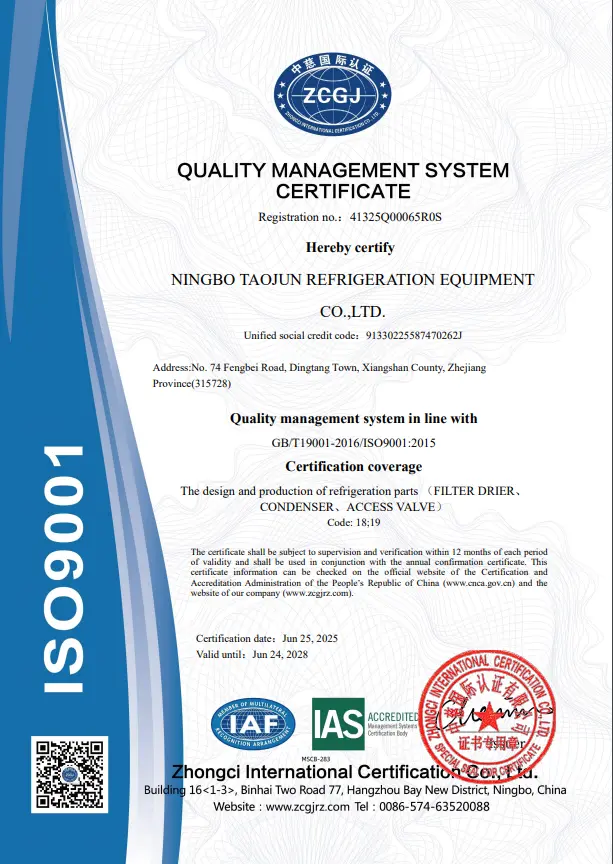
Our strategic collaboration with the University of Science and Technology of China supports a dedicated R&D hub staffed by 15 engineers, including PhDs and professors. We utilize advanced production systems directly imported from Germany and implement a robust quality management framework verified by ISO 9001:2015, EU RoHS, REACH, WEEE, and US UL certifications.
Under our proprietary "Lingshan" and "Taojun" brands, we manufacture high-performance copper and brass accessories, filter driers, check valves, and condensers for prominent appliance manufacturers including Haier, Xinfei, Midea, Gree, Whirlpool, Electrolux, and Huarui.
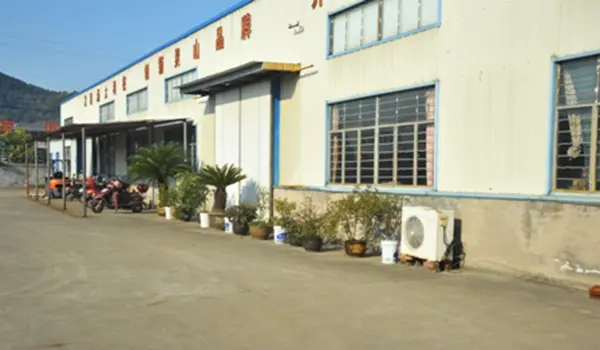
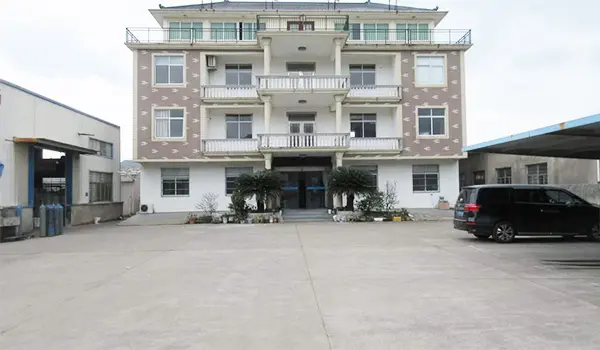
Operating a MES-driven smart shop floor backed by automatic CCD vision control, inline eddy-current defect screening, and helium mass spectrometry.
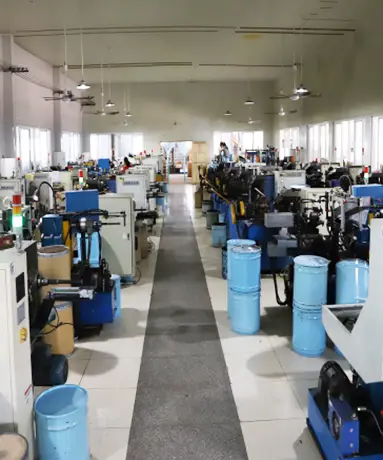
Incorporates automated drawing machinery, dynamic extrusion systems, and online packaging machines monitoring physical metrics in real time.
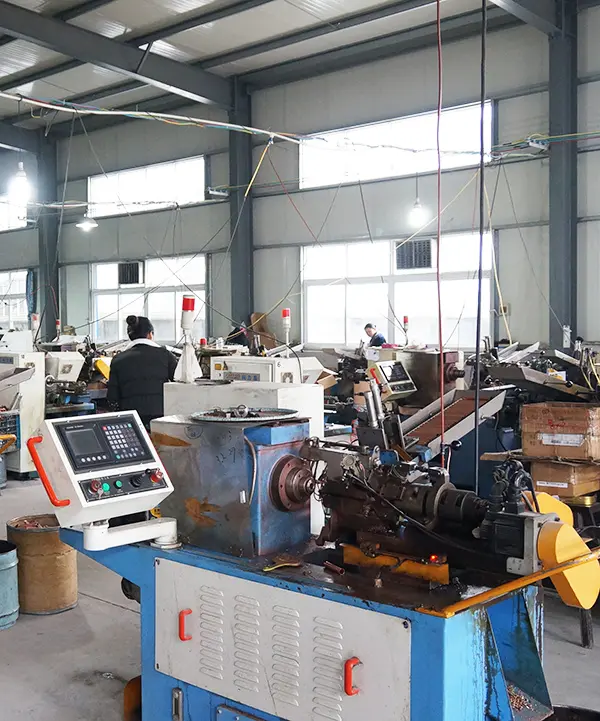
Inline eddy current non-destructive test equipment marks, cuts, and segregates any defect points to maintain continuous tubing integrity.
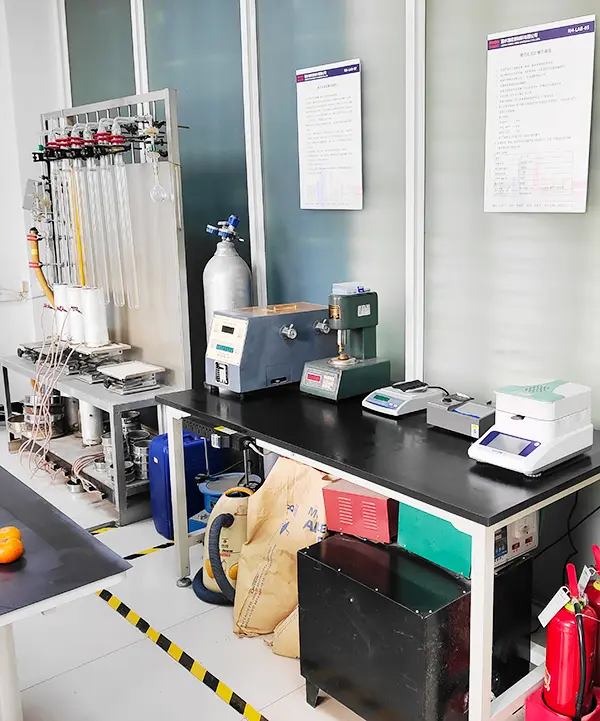
Performs metallurgical microscopic examination, burst tests, organic carbon residue analysis, and precise dimensions calibration.
To achieve our targeted defect rate of under 0.05% across production batches, Taojun utilizes a multi-dimensional (5D) testing system that covers raw materials, mechanical stress processing, finished assemblies, environmental parameters, and durability testing.
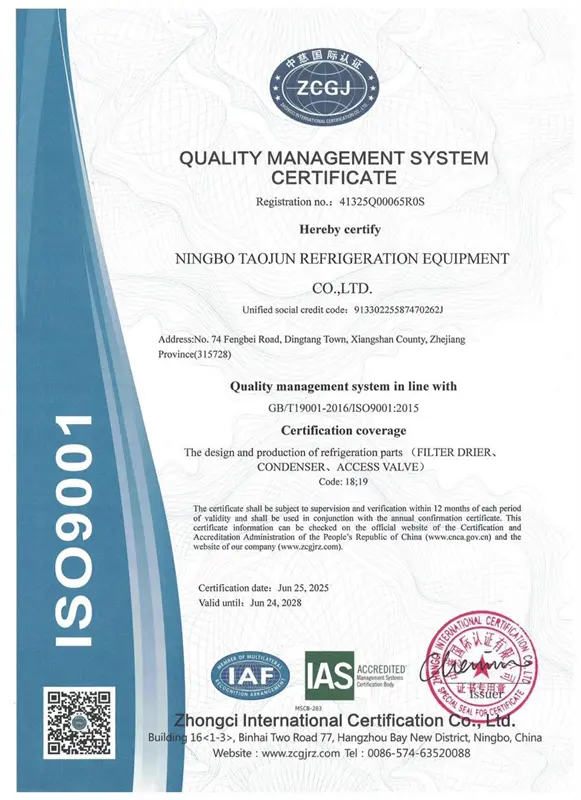
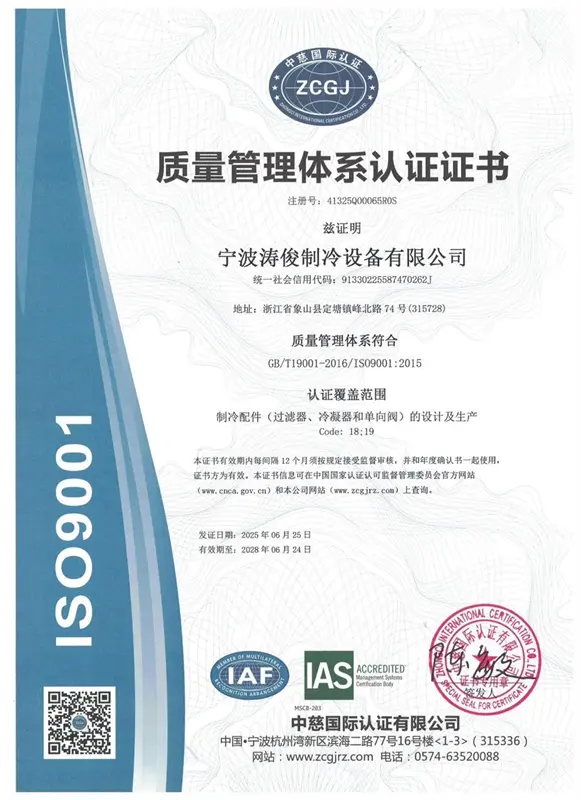
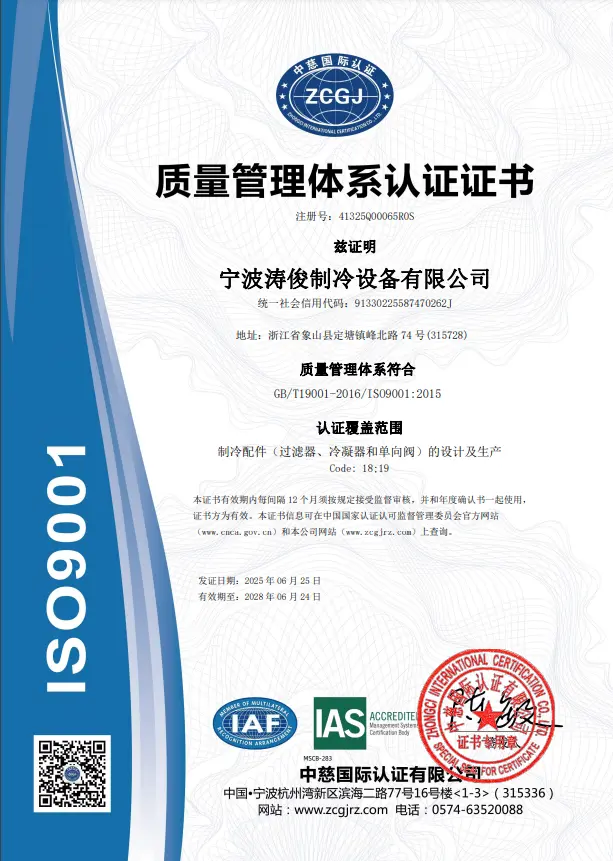
Registration No.: 41325Q00065R0S. Verifiable via CNCA (www.cnca.gov.cn) and Zhongci International (www.zcgirz.com).
Ensuring operational reliability, customs compliance, and material safety for international procurement departments.
Coils are internally dried, purged with high-purity dry nitrogen gas (N₂), and sealed with elastomer end plugs. The outer assembly is wrapped in poly-stretch film and secured on fumigated wooden pallets or steel reel cradles to prevent moisture ingress during shipping.
We offer technical consultations, detailed engineering drawings, and structural CAD design. Our order lines feature standard MOQ ranges beginning at 500 units, backed by an integrated supply chain that supports 72-hour regional dispatch options.
Full material traceability is supported by EN 10204 3.1 certification. Materials are fully compliant with RoHS, REACH, and WEEE directives, and we employ 100% recyclable transport packaging.
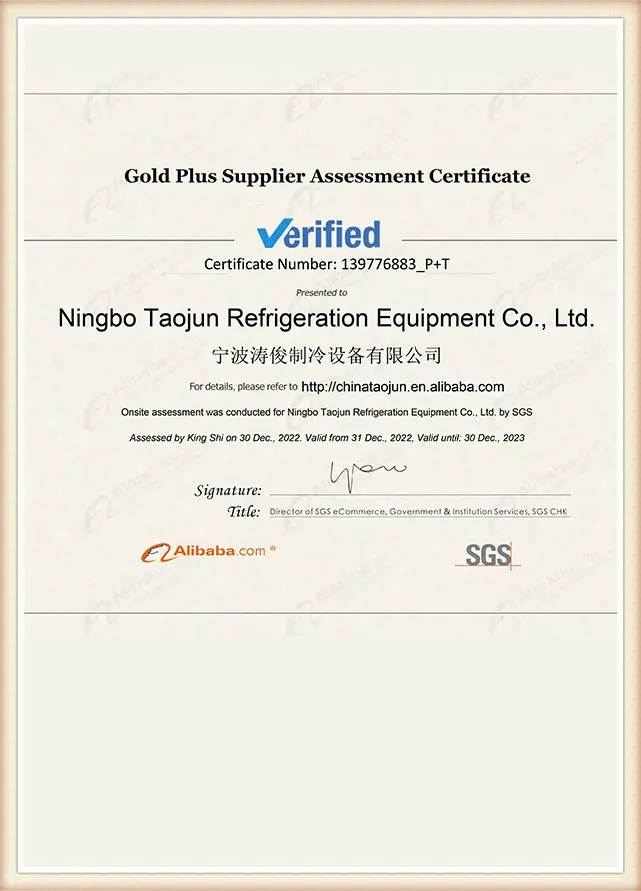
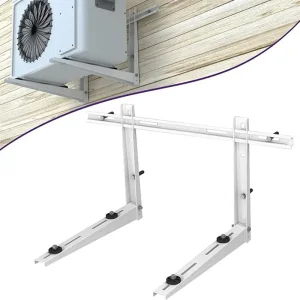
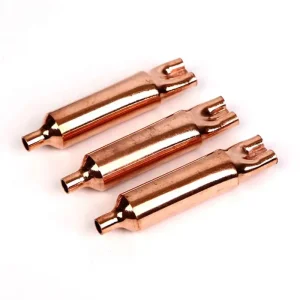
Reliable service hardware, mounting kits, joining rods, and filtration products built to support your commercial cooling systems.
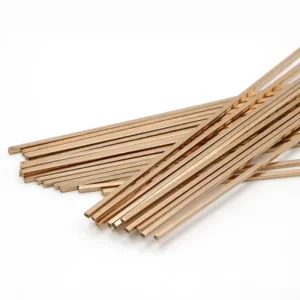
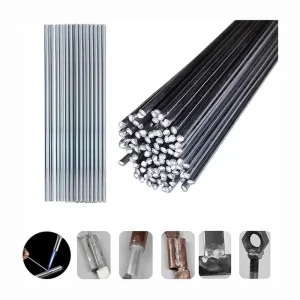
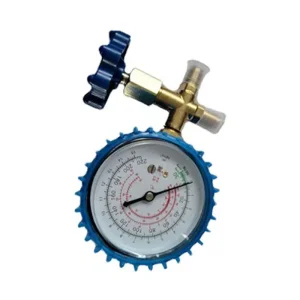
Developing next-generation heating and cooling solutions using material innovations and thin-wall geometries.
To reduce material usage and total weight for B2B procurement partners, our engineers are developing LWC tubing down to 0.18 mm wall thickness. This design maintains burst-pressure ratings for eco-friendly refrigerants using high-strength copper micro-alloys.
We are advancing internal surface profiles with variable helical angles and optimized groove heights. This technology aims to increase internal heat transfer area by up to 2.2 times compared to smooth bore configurations, improving the overall efficiency of heat exchangers.
In alignment with global decarbonization policies, we are increasing the proportion of certified post-consumer and clean industrial scrap in our melting furnaces. This initiative aims to reduce carbon intensity while keeping the primary metallurgical properties of our TP2 alloys intact.
Expert answers regarding material parameters, delivery configurations, and mechanical standards.
 Taojun