What Are the Top China Aluminum Filter Drier Manufacturers?

Time:2026-09-28 Author:Aria
0%

Demand for reliable refrigeration is rising as homes, food supply chains, and industrial facilities depend on cooling. The International Energy Agency’s Future of Cooling report projects that global energy demand for space cooling could more than triple by 2050. UNEP’s Global Cooling Watch 2023 also highlights the rapid growth of cooling needs and the importance of more efficient equipment. These reports do not rank filter-drier suppliers, but they show why component quality deserves closer attention.

An Aluminum Filter Drier removes moisture and contaminants from a refrigeration circuit. Its shell, desiccant, connections, and internal construction can affect durability and system protection. Small details matter. A rough joint or unclear pressure-test record can raise practical questions. Yet a product sheet alone cannot prove consistent production quality.

This guide examines China-based manufacturers through verifiable signals: published specifications, material traceability, quality-management credentials, testing procedures, production capability, and export experience. Buyers should confirm that test claims apply to the exact model under review, rather than assuming every product shares the same performance. Rankings can be useful, but they are never a substitute for due diligence. Public information is uneven, and some supplier claims are difficult to compare directly. That limitation should be stated, not hidden. The aim here is to identify manufacturers worth evaluating and provide a grounded starting point for technical and commercial checks.
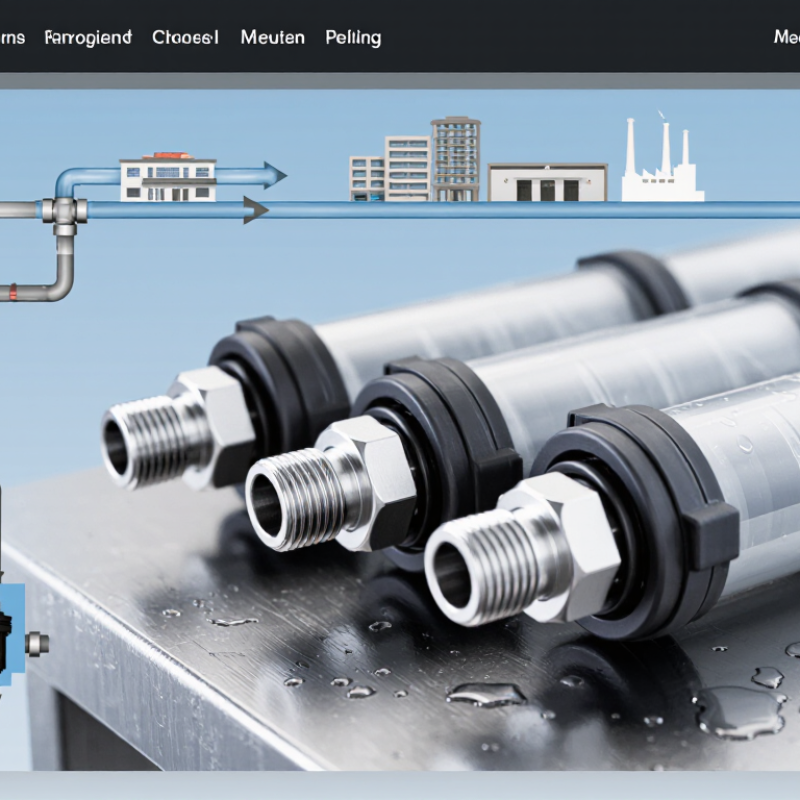
What Are the Top China Aluminum Filter Drier Manufacturers?

What Aluminum Filter Driers Are and How They Work

An aluminum filter drier is a sealed component installed in a refrigeration or air-conditioning circuit. Its aluminum body keeps weight low and houses a desiccant core and filtering material. As refrigerant passes through, the desiccant captures moisture, while screens trap small particles. The body itself does not dry the refrigerant. Small part. Important job.

Water inside a system can freeze near a narrow passage and restrict refrigerant flow. Moisture may also contribute to corrosion or acid formation, while debris can damage valves and compressors. A drier helps limit these risks, but it cannot correct a leak or remove every contaminant. Its capacity and materials must suit the refrigerant, lubricant, pressure, and system size. Check the flow arrow before installation; reversing it may affect performance. One detail is easy to overlook: choosing a larger unit is not automatically better. Follow the equipment specifications, and replace a drier when a system has been opened or contaminated, as directed by qualified service guidance. These components vary, so product data matters more than appearance.

Key Types, Materials, and Performance Specifications

China’s aluminum filter driers commonly use hermetic, replaceable-core, or solid-core designs.
Hermetic units suit compact refrigeration lines, while replaceable-core models allow servicing without replacing the entire shell. Solid-core designs combine desiccant and filtration in one sealed assembly.

Each has trade-offs.

Housing material matters. Copper bodies are common in smaller systems, while steel shells may suit larger or higher-pressure applications.
Inside, molecular sieve or blended desiccant absorbs moisture; screens capture particles. The correct choice depends on refrigerant, lubricant, system size, and operating conditions.

Small details matter.

Compare moisture capacity, refrigerant flow capacity, pressure drop, filtration rating, and maximum working pressure. Check the manufacturer’s data for the exact refrigerant and temperature range, not just a general product family.
A low pressure drop can help preserve system efficiency, but an undersized drier may restrict flow.
Micron ratings also need context: capture performance can vary with test methods and operating conditions. Ask for documented compatibility and test data.

Published figures are useful, yet they do not always reflect real piping layouts or contamination levels. That uncertainty deserves attention.

Leading Aluminum Filter Drier Manufacturers in China

Leading Chinese aluminum filter drier manufacturers combine metal forming with controlled refrigerant-component assembly. China produced about 41.6 million tonnes of primary aluminum in 2023, according to National Bureau of Statistics data. That scale supports broad access to aluminum, but it does not prove a filter drier is reliable. Buyers should examine shell dimensions, brazed joints, leak-test records, and desiccant specifications. Small details matter. A weak joint can turn a compact component into a costly service call.

Demand is also growing. UNEP’s 2023 Global Cooling Watch projects that cooling capacity will more than triple by 2050 under current-policy trends. This raises the value of suppliers that can show repeatable cleanliness, moisture-control performance, and pressure testing—not just high output. Ask for batch-level test records and confirmation that product specifications match the intended refrigerant and system conditions. I would also request samples from different production runs. It takes time. A polished catalogue is not proof, and supplier documentation can leave gaps. The strongest manufacturers make those gaps visible and explain how they control them.

What Are the Top China Aluminum Filter Drier Manufacturers? - Leading Aluminum Filter Drier Manufacturers in China

Use this comparison checklist to evaluate China-based suppliers. Product specifications vary by model and application; request model-specific technical documents before comparing offers.

Evaluation Dimension Relevant Product Information What to Verify with the Supplier
Housing material The housing is made from aluminum; alloy, wall construction, and surface finish can differ by design. Request the material specification, dimensional drawing, and applicable pressure-rating data for the exact model.
Primary function A refrigeration filter drier is designed to remove moisture and trap contaminants in the refrigerant circuit. Check the stated application, filtration performance, and recommended replacement conditions.
Desiccant Common desiccant choices include molecular sieve and activated alumina; blends may also be used for particular applications. Ask for the desiccant type, quantity or filling specification, and refrigerant and lubricant compatibility information.
Refrigerant compatibility Compatibility depends on the filter-drier design, desiccant, seals, refrigerant, and lubricant; it should not be assumed from product appearance alone. Confirm the exact refrigerant and lubricant combination in writing for the selected model.
Connection type and size Available configurations may include solder or brazing connections and other connection styles, depending on the product range. Match connection type, tube outside diameter, and installation orientation to the system design.
Capacity and pressure rating Capacity ratings and allowable working pressure are model-specific and depend on stated test conditions and application data. Request the rating basis, operating limits, and supporting technical documents; compare equivalent models and conditions only.
Testing and quality records Leak testing and pressure-related checks are relevant to sealed refrigeration components. Test methods and records vary among suppliers. Request the inspection plan, test criteria, traceability details, and sample reports for the quoted product.
Standards and certifications Applicable standards depend on product type, destination market, and buyer requirements. A standard or certification should not be presumed for every model. Check the exact standard claimed, certificate scope, issuing body, validity, and whether it covers the quoted product.
Customization and supply Custom connections, dimensions, packaging, or labeling may be available, subject to the supplier’s production capability and order terms. Confirm minimum order quantity, sample availability, lead time, packaging details, and change-control arrangements.

This table is a supplier-evaluation guide, not a verified ranking of manufacturers. No company names or brand claims are included.

How Chinese Manufacturers Differ in Products and Capabilities

Chinese aluminum filter drier manufacturers differ in more than price and production volume. Some focus on standard copper-connection models for residential air conditioners. Others offer larger shells, varied connection sizes, and designs for commercial refrigeration. The details matter. Buyers should check the stated refrigerant compatibility, working pressure, and moisture capacity against the actual system requirements.

Desiccant choice and assembly quality can also vary. A supplier may provide molded cores, loose-fill designs, or combinations intended to capture moisture and particles. Ask for technical data, dimensional drawings, and pressure-drop information. Test records for leakage and pressure resistance are useful, but confirm which product models they cover. A certificate alone cannot answer every application question.

Manufacturing capability shows up in less obvious places: consistent brazing, clean internal surfaces, stable lead times, and traceable inspection records. Some factories support custom connections or packaging; others are more efficient with repeat orders of standard products. That trade-off is easy to overlook. A polished catalog does not prove consistent performance, and a smaller product range does not automatically mean weak engineering. Request samples and compare their dimensions and documentation with your specifications. Even then, sample testing may not reveal every issue in long-term production.

How to Evaluate and Select a Suitable Manufacturer

Choosing a China-based aluminum filter drier manufacturer starts with matching the product to the refrigeration system.

Confirm the required connection size, working pressure, refrigerant compatibility, and desiccant type. Details matter. A supplier should explain how its drier controls moisture and particles, not just provide a catalog capacity.

Ask for evidence.

Review material specifications, pressure and leak-test procedures, and batch traceability records. For a sample, inspect the aluminum body and joints for visible damage, then request test results tied to that specific model. Compare quotations only when specifications and test conditions match.

A polished factory tour can be useful, but it may leave gaps; production records and consistent inspection methods offer better evidence. It is also worth asking how rejected units are handled and whether design changes are documented.

Even a careful checklist can miss a detail, so clarify assumptions in writing before approving an order. Response times matter, too: clear answers to technical questions often reveal more than a low price alone.

FAQS

What is an aluminum filter drier?

It is a sealed refrigeration component with an aluminum body, desiccant, and filtering screens. Small part, important job. The housing holds the materials; it does not dry refrigerant by itself.

How does a filter drier protect a system?

Desiccant captures moisture as refrigerant passes through. Screens trap small particles. This can help limit ice blockages, corrosion, and debris damage, but it cannot remove every contaminant.

What types of filter driers are available?

Hermetic models are suited to compact lines. Replaceable-core designs let technicians service the core without replacing the shell. Solid-core units combine desiccant and filtration in one sealed assembly. Each has trade-offs.

Which specifications should buyers compare?

Check moisture capacity, refrigerant flow, pressure drop, filtration rating, and maximum working pressure. Confirm compatibility with the exact refrigerant, lubricant, and temperature range. A general product-family description may not be enough.

Is a larger filter drier always better?

No. An oversized unit is not automatically a better choice. An undersized one may restrict flow. Follow the equipment specifications; appearance alone tells you little.

What should be checked before installation?

Check the flow arrow and match it to the refrigerant direction. Reversing the unit may affect performance. A small arrow can be easy to miss.

What evidence should buyers request from a manufacturer?

Ask for shell dimensions, brazed-joint details, leak-test records, desiccant specifications, and batch-level test results. Samples from different production runs can reveal variation. A polished catalogue is not proof.

When should a filter drier be replaced?

Replacement may be needed after a system has been opened or contaminated, following qualified service guidance. A drier cannot repair a leak. I may still be overlooking conditions inside the piping.

Conclusion

An Aluminum Filter Drier is a component used in refrigeration and air-conditioning systems to capture moisture and unwanted particles from the refrigerant circuit. Its design, including the filter media, internal structure, and connection style, affects how effectively it protects system components and supports reliable operation. Common product variations differ in size, materials, pressure ratings, and capacity, so specifications should be matched to the intended application.

China’s manufacturers offer a range of product designs and production capabilities, from standard configurations to options tailored to particular system requirements. When comparing suppliers, consider product consistency, material quality, testing procedures, technical support, customization options, and delivery capacity. A careful evaluation of these factors can help buyers identify a suitable manufacturer and select a filter drier that meets the system’s performance needs.


Aria

Aria

Aria is a dedicated marketing professional with a deep passion for innovative strategies and a keen understanding of our company's product offerings. With a wealth of experience in the industry, Aria excels at crafting engaging content that highlights the unique features and benefits of our......