China Top 10 Refrigerant Filter Drier Manufacturers?

Time:2026-11-11 Author:Madeline
0%

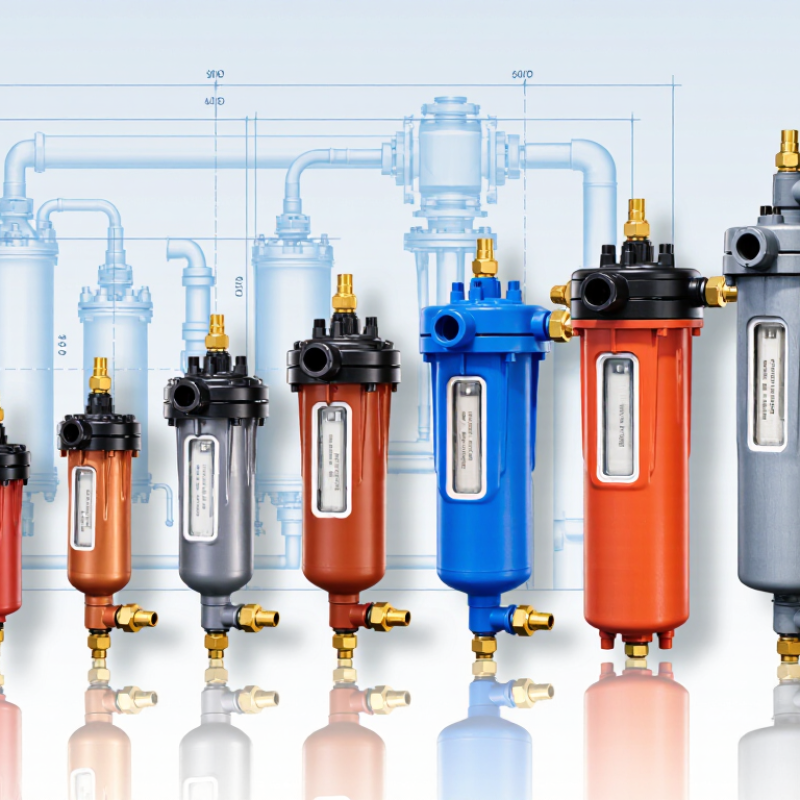
A Refrigerant Filter Drier may be small, but its effect on system reliability is not. It captures moisture and debris that can restrict flow, damage components, or complicate commissioning. For buyers comparing China’s leading manufacturers, the product label is only a starting point. Construction details matter: the desiccant type, shell strength, connection quality, and suitability for the intended refrigerant and operating conditions.

Refrigeration educator John Tomczyk is widely known for his technical teaching and writing. A practical editorial reminder—not a verified verbatim quotation from him—is: “Keep moisture and contaminants out, and the system has a better chance of running reliably.” That principle is simple. Applying it is not. Selection depends on system design, capacity, service conditions, and manufacturer documentation. A drier that looks right on a product page may not fit a specific installation.

This guide introduces ten Chinese manufacturers and the factors worth checking before requesting a quote. Look for clear specifications, traceable quality information, consistent product options, and responsive technical support. Ask how the manufacturer verifies performance, and request documentation for the exact model under consideration. A polished catalog is useful, but it cannot answer every engineering question. Some comparisons will remain imperfect when public data is limited. That uncertainty deserves attention, not guesswork.
China Top 10 Refrigerant Filter Drier Manufacturers?

What Refrigerant Filter Driers Do in HVAC and Refrigeration Systems

China Top 10 Refrigerant Filter Drier Manufacturers?

What Refrigerant Filter Driers Do in HVAC and Refrigeration Systems

A refrigerant filter drier is a small component with an important job. Its filter media catches particles, while its desiccant absorbs moisture circulating through the system. Some designs also help capture acids. This protection matters: moisture can freeze at a narrow metering passage, while debris may restrict refrigerant flow. The result can be unstable cooling, higher service needs, or compressor damage. The ASHRAE Handbook—Refrigeration describes moisture and contaminants as concerns in refrigeration-system operation.

The International Institute of Refrigeration’s 2019 report estimated that refrigeration accounts for about 17% of global electricity use. That figure does not measure filter-drier savings, but it shows why dependable system operation matters. In practice, technicians select a drier for refrigerant type, system capacity, pressure, and installation location. A correctly sized part cannot fix poor evacuation or a leak. That detail is easy to overlook.

Tips: Keep the drier sealed until installation, follow its flow-direction marking, and replace it when the system has been opened or contaminated. Check the manufacturer’s service guidance. Honestly, replacement timing is not always straightforward; operating conditions matter. A pressure drop or temperature difference across the drier can signal restriction, but readings should be interpreted alongside other system checks.

How China's Refrigerant Filter Drier Manufacturing Sector Is Structured

China’s refrigerant filter drier sector is better understood as a supply network than a simple list of ten factories. Manufacturers range from specialist component makers to broader refrigeration equipment suppliers. Some focus on copper shells, molecular sieve filling, brazing, and leak testing. Others coordinate these processes through contract production. This structure gives buyers several sourcing options, but company capabilities can differ sharply.

Production often clusters near established refrigeration and air-conditioning supply chains. That can shorten access to metal parts, desiccants, and packaging, though it does not guarantee consistent quality. A filter drier may look simple from the outside. Inside, moisture capacity, particle control, and clean assembly matter. Buyers should review drawings, pressure ratings, inspection records, and sample performance under relevant operating conditions. The sector is not perfectly uniform; even similar product descriptions may conceal different test methods.

Tips: Ask how the supplier controls desiccant loading and prevents contamination during assembly. Request recent batch records, not only a general quality certificate. Compare samples against your system’s refrigerant, capacity, and connection requirements. Small details matter. A clear technical conversation can reveal more than a polished catalogue.

Key Criteria for Comparing Chinese Filter Drier Manufacturers

Comparing Chinese filter drier manufacturers starts with test evidence, not catalog claims. Request water and acid capacity, pressure drop, and flow data for specified refrigerants and temperatures. AHRI Standard 710 provides a recognized performance-rating framework for liquid-line filter driers; ask whether reported results follow its methods. A clean PDF is not proof. Check sample test records, traceability, and whether production batches receive consistent inspection. Small details matter.

Factory capability also shows in the parts you can inspect: brazed joints, shell finish, desiccant loading, and connection dimensions. Ask how suppliers control moisture exposure during assembly and packaging.

The International Energy Agency’s The Future of Cooling report projects global space-cooling electricity demand could rise from about 2,000 TWh in 2016 to 6,200 TWh by 2050. That growth makes dependable component performance more important, though it does not prove any individual product’s quality.

Compare warranty terms, technical response times, and sample consistency alongside price. Buyers sometimes overlook service support; I have seen this criterion treated as an afterthought. It should not be.

Profiles of 10 Notable Refrigerant Filter Drier Manufacturers in China

China’s refrigerant filter-drier manufacturers serve air-conditioning, refrigeration, and heat-pump supply chains. Their products look simple: a sealed metal shell, desiccant, and fine filtration media. Performance depends on details such as moisture capacity, pressure drop, weld quality, and compatibility with the refrigerant and oil. Small variations matter.

UNEP’s Global Cooling Watch 2023 projects that global cooling demand could more than triple by 2050 under current trends. That outlook makes reliable component selection increasingly important. AHRI Standard 710 offers a technical reference for rating liquid-line filter-driers, though a standard alone cannot verify a factory’s actual quality. Buyers should check test methods, product specifications, and traceable quality records.

These ten profiles compare notable Chinese manufacturers through practical indicators: production capabilities, desiccant filling, brazing and leak-testing processes, product range, and export experience. Public information is uneven, so some comparisons remain tentative. A polished catalogue is not the same as verified production control. Ask for test data. Also examine whether specifications identify operating conditions, rather than presenting capacity figures without context.

How to Verify Supplier Quality, Compliance, and Export Readiness

Choosing among China’s leading refrigerant filter drier manufacturers takes more than comparing catalog capacity or quoted prices. Ask for current quality-system certificates, including their scope, issuing body, and expiry date. Verify them independently where possible. Request inspection records for shell dimensions, weld integrity, desiccant fill weight, and pressure testing. A polished certificate is not proof. Match each report to the exact model and production site you plan to purchase from. If samples are available, inspect braze connections, cap fit, labeling, and moisture-resistant packaging. Keep lot numbers linked to test records.

Compliance depends on your destination market and product specifications. Ask for applicable test reports, material declarations, traceability details, and clear explanations of any exclusions. For export readiness, confirm the supplier can prepare consistent invoices, packing lists, origin documents, and shipment markings. Clarify who arranges freight and how damaged goods or production delays are handled. Small details matter. A supplier may answer quickly but provide vague evidence; follow up with specific questions and written records. Factory visits can help, though a tidy tour alone cannot confirm routine production quality. Check recent batches, not just the best sample.

China Refrigerant Filter Drier Suppliers: Verification Scorecard

Suggested evaluation weights for checking supplier quality, compliance, and export readiness—not rankings or measured data for specific manufacturers.

Use the 100-point framework to compare suppliers consistently. Verify certificates with the issuing bodies, review product and test documentation, and confirm that shipping documents meet the destination market’s requirements.

FAQS

What does a refrigerant filter drier do?

Its filter media catches particles, while desiccant absorbs moisture. Some designs also capture acids. Small part, important job.

Why can moisture cause trouble in a refrigeration system?

Moisture may freeze inside a narrow metering passage. That can restrict refrigerant flow and make cooling unstable.

Can a filter drier prevent every system problem?

No. Correct sizing cannot fix a refrigerant leak or poor evacuation. That detail is easy to miss.

When should a filter drier be replaced?

Replacement is commonly considered after the system is opened or contaminated. Check service guidance; timing depends on operating conditions.

How can technicians spot a restricted drier?

A pressure drop or temperature difference across it may suggest restriction. Readings need other system checks for context.

What should buyers check when comparing suppliers?

Request test data for moisture and acid capacity, pressure drop, and flow. Confirm the refrigerant and test conditions match your needs.

Which manufacturing details are worth examining?

Review brazed joints, shell finish, connection dimensions, and desiccant loading. Ask how parts stay clean during assembly and packaging.

What records can help verify consistent production?

Request recent batch records, sample test results, and traceability details. A general certificate alone may not tell the whole story.

Does a lower price mean better value?

Not necessarily. Compare sample consistency, warranty terms, and technical response time too. Service support is easy to overlook.

Conclusion

This article explains how a Refrigerant Filter Drier supports HVAC and refrigeration systems by capturing moisture, acids, and debris that could otherwise affect system performance and reliability. It also outlines the structure of China’s manufacturing sector, from specialized component producers to broader HVAC equipment suppliers, and describes how production capabilities, product range, technical support, and export experience can differ among manufacturers.

Readers will find practical criteria for comparing suppliers, including material quality, manufacturing consistency, testing practices, documentation, customization options, and delivery capacity. The article also presents profiles of ten notable manufacturers without relying on brand claims as a substitute for evaluation. Its final section offers steps for verifying product specifications, quality records, compliance documents, and readiness to serve international customers, helping buyers make informed comparisons and reduce sourcing uncertainty.


Madeline

Madeline

Madeline is a dedicated marketing professional with a wealth of expertise in our company's core offerings. With a keen understanding of the industry, she brings a unique perspective to her role, consistently delivering high-quality content that highlights the superior aspects of our products. As......