
What Is a Condenser Filter Drier and How Does It Work?

Time:2026-10-18 Author:Mason
0%

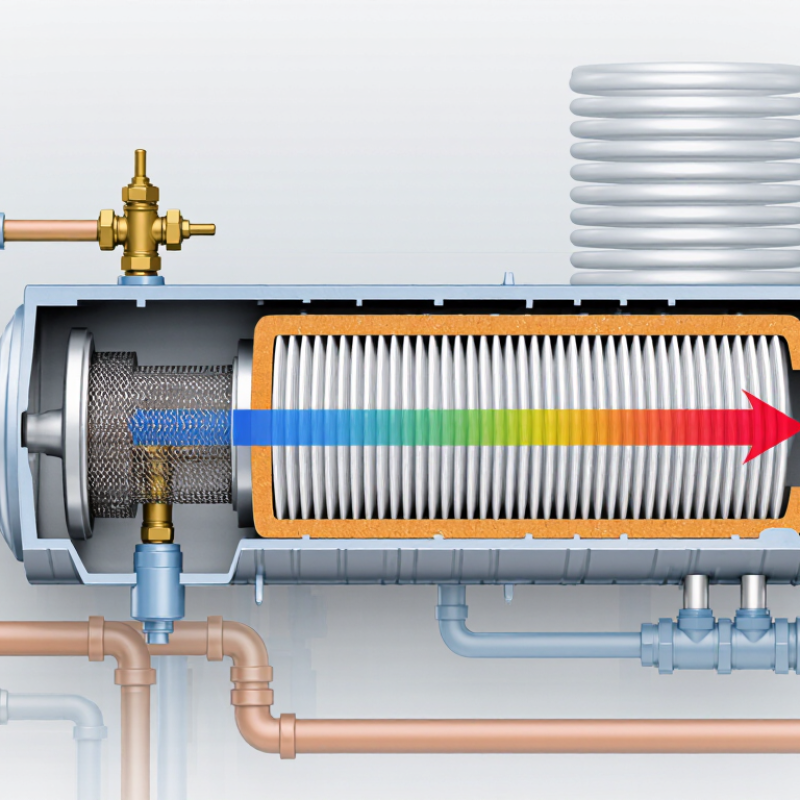
A Condenser Filter Drier is a small but essential component in many refrigeration and air-conditioning systems. It is installed in the liquid line, usually between the condenser and the expansion device. Its job sounds simple. Its protection is critical.

Inside the housing, a filter screen traps debris such as metal particles, solder fragments, and installation dust. Desiccant material absorbs moisture from the refrigerant circuit. This matters because water can freeze near the expansion valve, create ice blockages, or react with refrigerant oil and form corrosive acids. In practical service work, a restricted drier may cause unusual temperature changes across its shell. One side can feel noticeably warmer than the other. That small clue often deserves careful attention.

This article explains how the Condenser Filter Drier works and why correct selection matters. It will examine the flow path, desiccant function, filtration process, and common signs of restriction. It will also discuss installation details, including arrow direction, system cleanliness, and proper brazing practices. These details are easy to overlook. They can determine whether a system runs reliably or develops repeated failures.

A filter drier is not a cure for every refrigeration problem. Its performance depends on correct sizing, compatible refrigerant and oil, and proper evacuation. Field conditions can be less tidy than service manuals suggest. Therefore, technicians should combine manufacturer data, measured pressures, temperature readings, and practical inspection before replacing one. This balanced approach supports safer diagnosis and more dependable cooling performance.

What Is a Condenser Filter Drier and How Does It Work?

Condenser Filter Drier Definition and Its Place in the Refrigeration Cycle

What Is a Condenser Filter Drier and How Does It Work?

A condenser filter drier is a protective component in a refrigeration system. It is usually installed in the liquid line after the condenser outlet. Its position matters because refrigerant leaves the condenser as a high-pressure liquid. The drier then prepares that liquid for the expansion device.

Inside, a desiccant absorbs moisture from the refrigerant circuit. A fine filter also traps copper particles, welding residue, and other debris. Even a small amount of moisture can freeze near the expansion valve. It may also react with refrigerant oil and create acids. These problems can damage valves, windings, and compressor surfaces.

The refrigeration cycle is easier to understand here. The compressor raises vapor pressure and temperature. The condenser rejects heat and changes vapor into liquid. The filter drier cleans and dries that liquid before expansion lowers its pressure. The evaporator then absorbs heat from the refrigerated space.

Placement is not merely a drawing detail. Technicians check flow direction, connection size, pressure drop, and system cleanliness. A restricted drier may cause a temperature difference across its shell or produce an unusually low evaporator feed. That symptom can be misleading. The real fault might be moisture, overcharging, or a partially closed service valve.

No drier works forever. Its capacity depends on moisture load and contamination. Replacement is often needed after major repairs or compressor burnout. In practice, diagnosis is not always neat. Good service records and measured pressures make the decision more reliable.

Core Parts: Desiccant, Filter Media, Shell, and Flow Direction

What Is a Condenser Filter Drier and How Does It Work?

Core Parts: Desiccant, Filter Media, Shell, and Flow Direction

A condenser filter drier protects refrigeration circuits after condensation. In field servicing, I have seen small moisture loads create serious restrictions later. The desiccant, often molecular sieve or activated alumina, adsorbs water and helps control acids. It does not simply “soak up” moisture. Its performance depends on temperature, refrigerant flow, and contaminant loading.

The filter media captures metal particles, carbon, and installation debris before they reach the expansion device. Some media also hold chemical residues after compressor damage. The shell keeps these internal materials contained under system pressure. A strong shell matters, but correct sizing matters more. An oversized unit may increase cost, while an undersized one can create excessive pressure drop.

Flow direction is marked by an arrow on the shell. Install it correctly. In many systems, refrigerant travels from the condenser toward the metering device through the liquid-line drier. Reversing the direction may reduce filtration or damage the internal structure.

I always check the arrow, connection size, and pressure rating before installation. That habit seems basic, yet rushed repairs still miss it.

A sight glass, temperature readings, and pressure-drop checks can reveal restriction.

One point deserves caution: a drier cannot repair a continuing moisture source. Poor evacuation, open tubing, or repeated compressor failure requires deeper investigation.

How It Removes Moisture, Acids, Debris, and Noncondensables Step by Step

A condenser filter drier is installed in the liquid line after the condenser. Its sealed shell contains a carefully selected desiccant and filtering medium. Refrigerant leaves the condenser as a high-pressure liquid, then passes through the drier before reaching the expansion device. Flow direction matters.

Moisture removal starts inside the desiccant bed. Water vapor and liquid moisture attach to its internal pores through adsorption. The refrigerant continues moving, but the water stays captured. This protects valves from ice formation and reduces corrosion. Acid control follows. If moisture has reacted with overheated oil or refrigerant, the desiccant can retain or neutralize many acidic compounds. It is not unlimited.

Debris is handled by a fine filter screen. Metal flakes, carbon residue, and desiccant dust collect there instead of entering the expansion valve. A pressure drop may appear when the filter loads up. Noncondensables are different. Air and other trapped gases do not simply disappear inside the drier. Proper recovery, leak testing, and deep evacuation are needed to remove them. The drier only helps by keeping the circuit clean and dry afterward.

A clean-looking drier can still be saturated. That is an easy mistake. Technicians should check system history, temperature difference, pressure drop, and moisture indicators where available. After compressor burnout or major component replacement, a standard replacement may be inadequate. The correct capacity depends on refrigerant type, system charge, moisture level, and expected flow. Examine the service conditions, not just the part size.

Performance Data: Micron Filtration, Water Capacity, and Pressure Drop

What Is a Condenser Filter Drier and How Does It Work?

Performance Data: Micron Filtration, Water Capacity, and Pressure Drop

A condenser filter drier is a sealed component in a refrigeration circuit. It usually sits near the condenser outlet or liquid line. Its core traps debris and binds moisture before liquid refrigerant reaches the expansion device. That protection matters because tiny particles can restrict flow. Moisture can also freeze, react with oil, and damage internal surfaces.

Performance data gives a clearer picture than product size alone. Micron filtration describes the particle size the core can capture. A “10-micron” rating needs context. Some ratings are nominal, while others use stricter absolute testing. Flow rate, test conditions, and contaminant type can change the result. In field service, I check the refrigerant line and inspect the removed core. The evidence is not always neat.

Water capacity is commonly reported in grams of moisture absorbed under specified conditions. A higher capacity helps during humid service work, but it cannot replace proper evacuation.

Pressure drop measures resistance through the drier. A clean drier should create a modest drop at rated flow. As it loads with dirt or ice, the drop rises, and the liquid line may cool unevenly.

Technicians should compare inlet and outlet pressures, rather than guess from surface temperature alone. I still treat catalog values cautiously because real systems vary with refrigerant, piping, and charge level. That doubt is useful.

AHRI 711 Ratings, Refrigerant Compatibility, Sizing, and Replacement Criteria

What Is a Condenser Filter Drier and How Does It Work?

A condenser filter drier protects the refrigeration circuit from moisture, acids, particles, and installation debris. It is commonly installed in the liquid line near the condenser outlet. Desiccant captures moisture, while the filter section traps contaminants before they reach the expansion device. A clogged drier can create a noticeable temperature drop across its shell. That detail matters during service.

AHRI 711 ratings AHRI 711 ratings help compare liquid-line filter driers under defined testing conditions. Review water capacity, pressure drop, dirt-holding capacity, and refrigerant flow data.

Do not select a model by tonnage alone. Refrigerant compatibility must include the refrigerant, oil type, operating pressure, and system temperature range. Heat-pump systems may require a bi-directional design. Some older assumptions fail here.

Sizing should match the system’s capacity and connection size without restricting liquid flow. An oversized drier is not automatically better. An undersized unit may cause pressure loss and flashing before the metering device.

Tips: Check the manufacturer’s AHRI 711 data, confirm arrow direction, and measure temperature across the drier. Replace it after major refrigerant leaks, compressor burnout, severe contamination, or prolonged system exposure to air. A moisture indicator can support the decision, but it should not be the only evidence. Clean piping does not guarantee a clean circuit.

FAQS

What is a condenser filter drier?

It is a sealed refrigeration component near the condenser outlet or liquid line. It removes moisture and debris.

How does a filter drier protect the system?

Its desiccant binds moisture. Its filter traps particles before they reach the expansion device.

What does a micron rating mean?

It indicates the particle size the filter may capture. Testing conditions and rating methods still matter.

Is a lower micron rating always better?

Not necessarily. Flow rate, contaminant type, and testing method can change real performance.

What does water capacity describe?

Water capacity shows how much moisture the drier can absorb under specified conditions. It cannot replace proper evacuation.

How can technicians identify a restricted drier?

Measure inlet and outlet pressures. A rising pressure drop or uneven cooling may indicate restriction.

How should a filter drier be sized?

Match system capacity and connection size. An oversized unit is not automatically better.

Why does refrigerant compatibility matter?

Check the refrigerant, oil type, pressure, and temperature range. Heat-pump systems may need bidirectional flow.

When should a filter drier be replaced?

Replace it after major leaks, compressor burnout, severe contamination, or extended exposure to air.

Can a moisture indicator confirm the system condition?

It provides useful evidence, but it should not be the only check. Field conditions can be messy.

Conclusion

A Condenser Filter Drier is a protective component installed in the liquid line of a refrigeration cycle, typically after the condenser and before the expansion device. Its shell contains desiccant, filter media, and flow-control features that work together to protect compressors, valves, and heat exchangers. As refrigerant passes through in the correct direction, the desiccant absorbs moisture, while the filter media captures dirt, metal particles, sludge, and other debris. It can also trap or neutralize acids formed by refrigerant or oil breakdown, helping reduce corrosion and chemical damage. Although it does not eliminate all noncondensable gases, proper filtration and moisture control can help limit their impact on system performance.

Key performance factors include micron filtration efficiency, water-holding capacity, and pressure drop at a specified refrigerant flow rate. Selection should consider AHRI 711 ratings, refrigerant and lubricant compatibility, system capacity, connection size, and operating conditions. Replacement is recommended when the drier reaches its moisture capacity, causes excessive pressure loss, becomes contaminated after a compressor failure, or shows evidence of internal damage.

Mason

Mason

Mason is a seasoned marketing professional with a deep expertise in the company's offerings and a passion for driving brand awareness. With a strong background in digital marketing strategies, he has an innate ability to connect with diverse audiences and effectively communicate product benefits.......