Choosing reliable Recovery Filter Drier suppliers in China requires more than comparing catalog prices. These components protect refrigeration and air-conditioning systems by capturing moisture, acids, particles, and other harmful contaminants. A dependable supplier should demonstrate stable filtration performance, accurate pressure ratings, and consistent production quality. Small details matter.
This guide examines how to identify China’s top Recovery Filter Drier suppliers through practical and verifiable criteria. We consider manufacturing experience, material selection, factory testing, product documentation, and customer support. Suppliers with traceable quality systems usually provide clearer batch records, dimensional data, and performance information. Certifications can help, but they should not replace independent evaluation or sample testing.
Real-world experience also matters. A filter drier may look acceptable on a product page, yet fail during installation or extended operation. Buyers should check connection quality, shell durability, desiccant capacity, flow resistance, and compatibility with approved refrigerants. Ask for test reports. Review sample consistency. Visit the factory when possible.
No ranking remains perfect forever. Market conditions change, and supplier information can become outdated. Some manufacturers communicate well but provide limited technical evidence. Others offer strong engineering but weaker export support. This guide therefore focuses on balanced assessment rather than exaggerated claims. It aims to help contractors, distributors, and equipment manufacturers compare suppliers with greater confidence, while recognizing that final selection depends on system design, operating conditions, and documented verification.
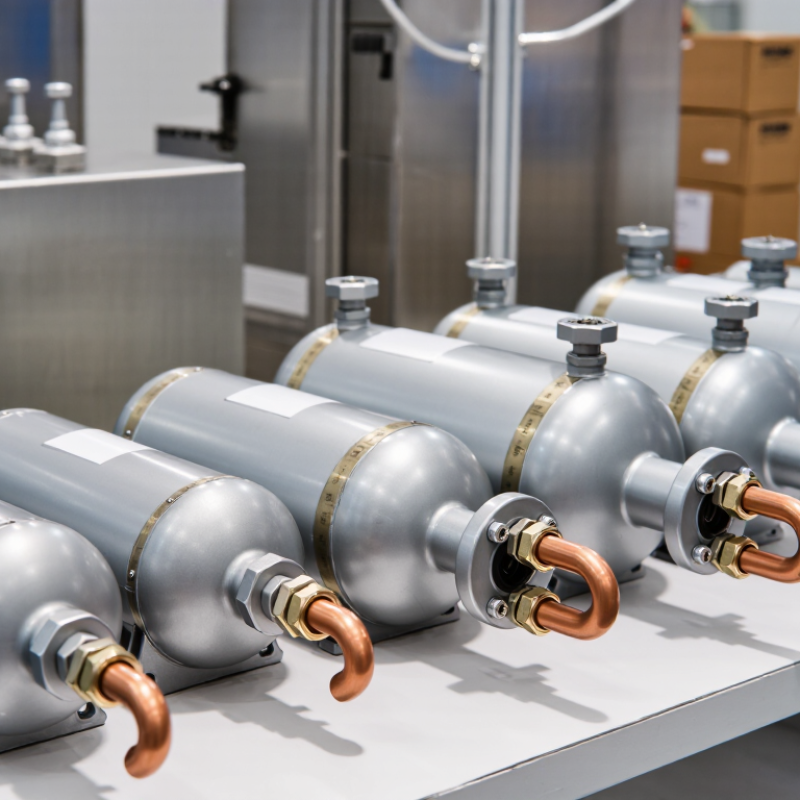
A recovery filter drier is a protective component used during refrigerant recovery, evacuation, or system cleaning. It sits in the recovery line, usually between the system and the recovery machine. Inside, a filter traps metal dust, sludge, and other solid particles. Desiccant material absorbs moisture, while special compounds can help capture limited acids. The result is cleaner refrigerant flow and reduced stress on valves, hoses, and compressor parts.
The working process is simple but important. Contaminated refrigerant enters the inlet and passes through the filter media. Larger debris remains outside the core, while moisture and acidic compounds are retained inside. The cleaned refrigerant then moves toward the recovery cylinder. A properly selected drier must match the refrigerant, pressure rating, connection size, and expected flow rate. It should also have a clear flow direction. I have seen installers overlook this detail, especially during urgent service work. That mistake can restrict flow or damage the recovery equipment.
Tips: Choose suppliers that provide pressure tests, material information, and traceable quality records. Ask whether the drier is designed for recovery duty, not only standard liquid-line installation. Replace it when pressure drop increases or contamination is visible. Do not assume one size fits every job. Supplier documentation matters, but field inspection matters too. Recovery filter driers improve protection, yet they cannot correct every contamination problem. Severe acid or moisture damage may require a broader system-cleaning plan.
A recovery filter drier is installed in a refrigerant recovery line to help remove solid particles, moisture, acid-forming contaminants, and oil debris before refrigerant enters the recovery machine or storage cylinder. The filter element captures particles, while the desiccant absorbs moisture from the refrigerant stream.
The chart shows common nominal filtration ratings used in HVAC and refrigeration filter-drier applications. A lower micron rating indicates a smaller nominal particle size, but the actual performance depends on the filter design, refrigerant flow rate, pressure drop, and manufacturer specifications.
Selection note: Lower-micron elements provide finer particle filtration, while higher-micron elements generally offer lower flow resistance. A suitable recovery filter drier should match the refrigerant type, system pressure, recovery flow rate, moisture load, and connection size.
Recovery filter driers are critical when a refrigeration system has suffered compressor burnout, moisture entry, or refrigerant contamination. They trap acids, sludge, copper particles, and debris before these materials reach the compressor. That protection matters because a damaged compressor can fail again quietly. Small contaminants create expensive problems. During field service, technicians often install a temporary or high-capacity drier in the liquid line. Some recovery applications also require suction-line protection, especially after burnout cleanup. The correct position depends on system design and contamination risk.
When comparing China’s top recovery filter drier suppliers, buyers should examine pressure ratings, filtration capacity, refrigerant compatibility, and installation guidance. Technical documentation is not decoration. It helps technicians match the drier to refrigerant type, system capacity, pipe size, and debris load. Quality checks should include shell strength, brazed joint integrity, desiccant condition, and flow resistance. Suppliers with traceable testing and responsive technical support are easier to trust during urgent repairs. However, product labels alone cannot prove real performance. Independent verification and consistent batch records provide stronger evidence.
In practice, technicians should replace the drier after refrigerant recovery, then evacuate the system properly. A vacuum reading may look acceptable while moisture remains inside. Poorly placed measurement tools can create false confidence. A common mistake is leaving unnecessary bends or contaminated tubing near the drier. These details can reduce flow and complicate diagnosis. The lesson is uncomfortable. Choosing a supplier by price alone may save minutes but increase failure risk. Supplier selection should include service records, technical response time, and replacement availability.
What Are China Top Recovery Filter Drier Suppliers?
How to Evaluate China’s Top Recovery Filter Drier Suppliers
China’s strongest recovery filter drier suppliers should prove performance, not only offer low prices. The IEA’s The Future of Cooling report projects global cooling energy demand could more than triple by 2050. That growth increases pressure on filtration reliability, moisture control, and service life.
Evaluate each supplier through measurable evidence. Request moisture-capacity data, pressure-drop curves, burst-pressure results, and refrigerant compatibility records. Confirm whether tests cover the exact refrigerants and oils used in your equipment. Check production traceability by batch number. A credible factory should explain desiccant type, shell material, connection design, and welding controls. ISO 9001 may support process discipline, but it does not replace product testing.
Tips: Order samples from two or three suppliers. Weigh each unit, inspect welds, and compare pressure loss under working conditions. Ask for independent laboratory reports and recent inspection records. The supplier should also provide packaging details, storage limits, and replacement guidance.
I would still keep some doubt. A polished certificate can hide weak batch control. Visit the factory when possible, or use an independent inspection service. Compare five shipments, not one. Industry experience shows consistency matters more than a perfect sample. Also review warranty exclusions carefully. They may reveal practical weaknesses that catalog specifications do not show.
| Evaluation Dimension | Suggested Weight | What to Verify | Practical Benchmark | Recommended Evidence |
|---|---|---|---|---|
| Product Compatibility | 15% | Compatibility with common refrigerants, oil types, connection sizes, system pressure, and recovery equipment. | The supplier should provide a clear compatibility matrix and application limits for each model. | Technical datasheets, material specifications, refrigerant compatibility statements, and engineering confirmation. |
| Filtration Performance | 15% | Ability to remove moisture, acid, particulate matter, and other contaminants from recovered refrigerant. | Performance claims should be supported by defined filtration ratings, adsorption capacity, and test conditions. | Laboratory test reports, performance curves, test methods, and batch inspection records. |
| Pressure and Temperature Rating | 12% | Maximum working pressure, burst pressure, operating temperature range, and resistance to pressure cycling. | Ratings must exceed the intended system requirements with a documented safety margin. | Pressure-test certificates, design calculations, product labels, and applicable conformity documents. |
| Material and Corrosion Resistance | 10% | Quality of shell material, filter media, desiccant, brazed joints, coatings, and internal components. | Materials should be suitable for refrigerants, compressor oils, moisture exposure, and long-term vibration. | Material certificates, desiccant specifications, corrosion test results, and production process records. |
| Leak Tightness and Reliability | 12% | Leak rate, joint integrity, dimensional consistency, vibration resistance, and service-life expectations. | Every production batch should undergo documented leak testing before shipment. | Helium or pressure-decay test records, quality-control procedures, failure-rate data, and warranty terms. |
| Standards and Compliance | 10% | Compliance with relevant pressure equipment, refrigeration, electrical, environmental, and export requirements. | Documents should match the destination market and the exact product model being purchased. | Declarations of conformity, third-party test reports, quality-system certificates, and regulatory files. |
| Manufacturing Capability | 8% | Production capacity, process control, tooling, traceability, inspection equipment, and ability to support repeat orders. | The factory should demonstrate stable production controls and consistent lot-to-lot quality. | Factory audit, process flow, equipment list, inspection plan, production samples, and traceability records. |
| Customization and Engineering Support | 6% | Support for custom dimensions, ports, labels, packaging, desiccant formulations, and application-specific requirements. | Engineering changes should be documented, reviewed, sampled, and approved before mass production. | Technical drawings, sample approval records, engineering-change procedures, and response-time history. |
| Order Fulfillment and Lead Time | 5% | Minimum order quantity, production lead time, safety-stock capability, export packaging, and delivery consistency. | Quoted lead times should be realistic, written into the purchase agreement, and tracked against actual shipments. | Production schedules, shipping records, packaging specifications, and on-time delivery statistics. |
| Commercial Value | 4% | Total cost, tooling charges, packaging costs, testing fees, warranty coverage, and after-sales service. | Compare total landed cost and verified performance rather than unit price alone. | Formal quotations, warranty policy, payment terms, replacement policy, and landed-cost calculation. |
Reliable recovery filter drier suppliers should meet recognized manufacturing and quality standards, not only offer low prices. An ISO 9001-certified quality system can show controlled purchasing, production, inspection, and corrective action. However, certification alone is not enough. Buyers should examine the actual factory process.
The supplier should provide material certificates for steel shells, connection tubes, and desiccant cores. Each batch needs a traceable identification code. Operators should follow qualified brazing procedures, with clean joints and controlled heating. Finished units require leak testing, pressure testing, and, where applicable, burst or pressure-cycle testing. Test instruments must be calibrated and records should remain available for review.
Performance data also matters. Ask for moisture capacity, acid removal results, filtration efficiency, pressure drop, and refrigerant compatibility. Testing should reflect the refrigerants and oils used in the recovery system. Applicable requirements may include ASME, EN, UL, or regional pressure-equipment rules, depending on the destination market. A responsible supplier explains which standard applies and why.
Factory experience is visible in small details. Sealed packaging should prevent moisture exposure during storage. Production areas should control dust and metal particles. Samples should be checked before mass production.
Paperwork can look perfect. Real production may still vary. Independent laboratory verification is useful for new suppliers or unfamiliar models. Suppliers that share inspection limits, failure records, and improvement actions usually demonstrate stronger technical honesty. That transparency deserves careful attention.
What Are China Top Recovery Filter Drier Suppliers?
How to Select the Right Chinese Supplier for Your Application
China’s recovery filter drier market serves refrigeration, air-conditioning, and heat-pump applications. The right supplier should fit your system, not merely offer the lowest price. The IEA’s The Future of Cooling projects global cooling demand could more than triple by 2050. That growth increases pressure on moisture control, refrigerant cleanliness, and dependable component sourcing.
Check the drier’s refrigerant compatibility, filtration rating, moisture capacity, pressure drop, and maximum working pressure. Ask for test reports, material certificates, batch traceability, and installation guidance. A supplier should explain performance at your actual temperature range. Request samples, then test them with your recovery machine and selected refrigerant. Small details matter. Thread quality can affect field service time.
A factory audit can reveal more than a polished catalogue. Review brazing controls, leak-testing equipment, storage conditions, and final inspection records. Confirm whether testing follows recognized requirements, such as AHRI 700 refrigerant purity guidance and applicable ISO quality systems. My earlier mistake was trusting certification copies without checking their scope or expiry date. Price still matters, but unstable moisture capacity can create higher service costs. Ask for clear lead times, packaging details, replacement procedures, and corrective-action records. A capable Chinese supplier will answer technical questions directly, even when the answer is not perfect.
It is a protective component placed in the recovery line. It filters metal dust, sludge, and solid particles. Its desiccant absorbs moisture during recovery or evacuation. Some compounds may capture limited acids.
It usually sits between the system and the recovery machine. Contaminated refrigerant enters through the inlet. The cleaned flow then moves toward the recovery cylinder. Flow direction matters.
The filter traps larger debris before it reaches valves and hoses. The desiccant retains moisture inside the core. Cleaner refrigerant reduces stress on compressor parts. Protection is helpful, not complete.
Match the drier with the refrigerant, oil, pressure rating, and connection size. Check the expected flow rate before installation. Confirm the unit is designed for recovery duty. One size will not fit every job.
Request moisture-capacity data, pressure-drop curves, and pressure-test results. Ask for refrigerant compatibility records and material information. Batch numbers should connect products with inspection records. Traceability matters.
Order samples from two or three suppliers. Weigh each unit and inspect the welds. Compare pressure loss under realistic working conditions. Samples can mislead.
Suppliers should control brazing, welding, cleaning, and inspection procedures. Finished units need leak testing and pressure testing. Test instruments should be calibrated. Production areas should limit dust and metal particles.
Replace it when pressure drop increases or visible contamination appears. Check the filter after heavily contaminated recovery work. Sealed packaging should prevent moisture exposure during storage. Do not rely only on the catalog.
No. It can reduce particles, moisture, and limited acidic compounds. Severe acid or moisture damage may require broader system cleaning. Independent testing can clarify the real condition. I would keep some doubt.
This article explains what a Recovery Filter Drier is and how it works in refrigeration systems. By removing moisture, acid, particles, and other contaminants from recovered refrigerant, it helps protect compressors, expansion devices, and other critical components. The article also discusses why proper filtration and drying are essential for system efficiency, reliability, maintenance, and longer service life.
It then presents practical methods for evaluating China’s top Recovery Filter Drier suppliers, including manufacturing capability, product design, material selection, testing procedures, production consistency, and technical support. It also outlines key manufacturing and quality standards that responsible suppliers should meet, such as leak resistance, pressure performance, cleanliness, traceability, and reliable documentation. Finally, readers will learn how to select the right Chinese supplier by comparing application requirements, connection types, capacity, compatibility, customization options, delivery performance, and after-sales service.

Taojun