China Top Liquid Line Filter Drier Manufacturers

Time:2026-11-04 Author:Madeline
0%

Choosing a Liquid Line Filter Drier manufacturer requires more than comparing prices or product photographs. In refrigeration and air-conditioning systems, the drier helps capture moisture and particles before they reach sensitive components. A technician may notice the difference during installation: clean connections, clear model markings, and a secure, correctly sized filter drier make verification easier. Small details matter.

HVACR educator John Tomczyk is a recognized technical voice in refrigeration. I cannot verify a specific quotation from him on this topic, so I will not invent one. A practical editorial takeaway is: “Keep moisture and contaminants out of the refrigeration circuit.” This is a paraphrase of established system-care principles, not a direct quotation. It also points to an important limitation: a filter drier cannot correct poor evacuation, careless handling, or an incorrectly selected component.

This guide to China’s leading manufacturers will focus on useful, checkable details. These include product range, stated operating specifications, quality-control practices, documentation, and responsiveness to technical questions. Buyers should compare capacity and connection options against the system’s requirements, rather than relying on a familiar brand name alone. Ask for current datasheets. Check the details.

Manufacturer claims can vary, and a polished catalogue does not prove field performance. That deserves attention. The most useful comparison combines technical documents with sample evaluation and clear communication. With those checks, readers can assess which suppliers offer a Liquid Line Filter Drier suited to their applications, while recognizing that final selection depends on system design and operating conditions.
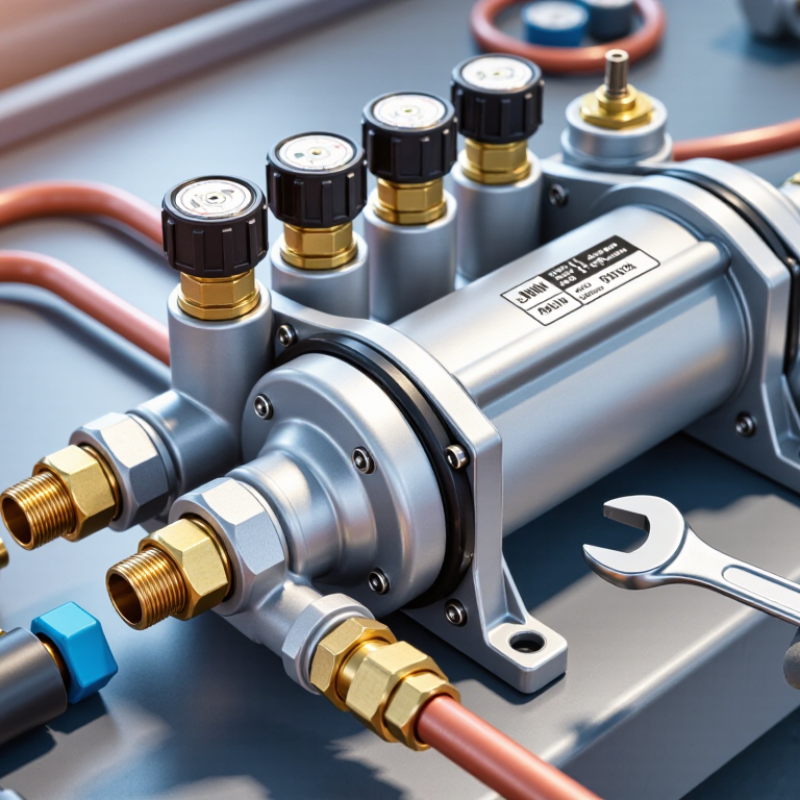
China Top Liquid Line Filter Drier Manufacturers

What Liquid Line Filter Driers Do in Refrigeration Systems

Liquid-line filter driers protect the narrow passages inside refrigeration systems. Installed between the condenser or receiver and the expansion device, they capture particles and remove moisture and acids. A small amount matters. Water can freeze at an expansion valve, causing erratic flow and uneven cooling. Moisture and acids can also contribute to corrosion and damage to compressor oil or motor insulation. The filter element catches debris; its desiccant adsorbs moisture. After a circuit is opened or contamination is suspected, technicians assess whether replacement is needed. The correct choice depends on refrigerant, oil, system capacity, and acceptable pressure drop.

AHRI Standard 700 sets a 10 ppm moisture limit for reclaimed R-410A refrigerant, underscoring how tightly water content is controlled. This is a refrigerant-purity benchmark, not a direct filter-drier replacement threshold. AHRI Standard 710 describes performance-rating procedures for liquid-line filter driers, including moisture-removal capacity under defined test conditions. Real systems are less tidy than laboratory setups: installation practices, refrigerant charge, and contaminant load all affect service life. A filter drier cannot correct poor evacuation or ongoing leaks. Checking pressure drop and system conditions helps avoid replacing a component without addressing the cause.

Core Components, Materials, and Operating Principles

A liquid line filter drier sits between the condenser and expansion device. It helps protect the refrigeration circuit from moisture, acids, and solid debris. Its main parts are a pressure-resistant shell, desiccant core, retaining screens, and inlet and outlet connections. Screens hold the core in place and trap particles. Small details matter.

Shells are commonly made from copper or steel, selected for pressure rating, refrigerant compatibility, and installation conditions. Desiccants may include molecular sieve or activated alumina, sometimes in a blended core. Molecular sieve adsorbs moisture; activated alumina can help capture acids. Exact performance depends on the core formulation, so specifications should be checked rather than assumed.

As liquid refrigerant passes through, the desiccant adsorbs contaminants while screens filter particles. The drier must match system capacity and operating pressure, and its flow arrow must face the correct direction. Sizing is not guesswork. An undersized unit can restrict flow, while poor installation may introduce new moisture. In field work, replacement timing is not perfectly predictable; system cleanliness and service history deserve attention. I would not treat the drier as a cure for every contamination problem.

China Top Liquid Line Filter Drier Manufacturers - Core Components, Materials, and Operating Principles

Component or Design Feature Common Materials Primary Function Operating Principle Practical Selection Considerations
Pressure-retaining shell Copper or copper-alloy tubing for many compact designs; steel is also used in some larger or application-specific units. Contains the desiccant and filter elements while carrying liquid refrigerant through the line. The sealed housing withstands the specified pressure and temperature conditions; refrigerant flows through its internal treatment path. Check refrigerant compatibility, working-pressure rating, connection type, and installation orientation requirements.
Desiccant core or charge Molecular sieve, activated alumina, or a formulated blend, depending on the intended application. Removes moisture; certain desiccant formulations can also help capture acids or other contaminants. Porous desiccant material adsorbs moisture from refrigerant as it passes through or around the charge. Select a drier specified for the refrigerant and lubricant system. Desiccant type and capacity vary by product design.
Particle filter media Fine metal mesh, woven screen, or compatible synthetic filter material. Retains solid particles such as scale, brazing debris, and desiccant dust. Particles are mechanically intercepted as refrigerant passes through the filter surface or media. Filtration area and particle-retention characteristics should suit the system’s cleanliness needs without causing excessive pressure drop.
Perforated support and flow distributor Perforated metal, mesh, or other refrigerant-compatible support materials. Supports the desiccant and filter layers and helps distribute flow across the treatment area. Openings allow refrigerant to pass while helping prevent the desiccant charge from shifting or escaping. Robust support helps maintain the intended flow path during normal operating conditions and vibration.
End connections Copper sweat connections, threaded connections, or other connection styles specified for the unit. Connect the drier to the liquid line and provide a sealed refrigerant path. A properly made joint prevents refrigerant leakage while maintaining the designed flow passage. Match connection size and type to the system piping; follow suitable joining and heat-protection practices.
Internal seals and joints Refrigerant- and lubricant-compatible elastomers or metal-to-metal joints, as appropriate to the design. Maintain internal and external sealing integrity. Sealing surfaces and materials limit leakage under the unit’s rated operating conditions. Compatibility depends on refrigerant, lubricant, temperature range, and the manufacturer’s stated service conditions.
Overall moisture and contaminant removal A combination of desiccant and particulate-filter components inside the shell. Protects downstream components, including the expansion device, from moisture and circulating debris. Adsorption reduces moisture content, while mechanical filtration traps particles as liquid refrigerant flows through the drier. Choose capacity and flow rating for the system; replace the drier when required after contamination, system opening, or service guidance.

How Chinese Manufacturers Produce and Test Filter Driers

China Top Liquid Line Filter Drier Manufacturers

Chinese manufacturers typically begin with copper shells, screened connections, and molecular-sieve or activated-alumina desiccant. Operators weigh each desiccant charge, then seal the shell by brazing or welding. A small gap matters. It can allow moisture or particles to bypass the core. Production checks may include dimensional inspection, leak testing, and pressure testing, with results recorded by batch.

Testing should cover more than a quick leak check. AHRI Standard 710, Performance Rating of Liquid-Line Driers, provides methods for evaluating drier capacity and pressure drop. AHRI Standard 700 sets a maximum water content of 10 ppm for many common refrigerants; this is a refrigerant-purity benchmark, not a direct drier outlet guarantee. Reliable suppliers keep those measurements separate and document their test conditions. In practice, repeatable sampling and calibrated instruments matter as much as the headline result. Some factories still need better traceability between desiccant batches and finished units.

Tips: Ask for pressure-drop, moisture-capacity, and leak-test records from the same production lot. Check whether the report names the test method, refrigerant, and temperature. A neat certificate is not enough. Inspect the sample, too.

Key Criteria for Comparing Chinese Suppliers

China Top Liquid Line Filter Drier Manufacturers

Key Criteria for Comparing Chinese Suppliers

Comparing suppliers starts with the filter drier’s actual operating conditions, not a catalog headline. Check the stated refrigerant and lubricant compatibility, connection size, maximum working pressure, and moisture-removal capacity. Ask how the supplier tests pressure drop and sealing performance. Ask for evidence. A clear test method is more useful than a broad claim of “high quality.” If your system runs through frequent temperature changes, request details about material selection and performance under those conditions.

Production controls matter just as much. Look for batch traceability, incoming material checks, and documented final inspections. A sample can help verify dimensions, brazing quality, and fit before a larger order. Compare lead times and packaging, too; moisture-sensitive components need sound protection during storage and shipping. Small details matter. I would not rank a factory on price alone, though that can be tempting. Ask who handles technical questions and how defects are investigated. A fast reply is helpful, but a precise answer with records is better. Suppliers may differ in testing depth, so state your application clearly and compare like for like.

Leading Chinese Manufacturers and Their Product Specialties

China’s liquid line filter drier manufacturers often specialize in different parts of the refrigeration supply chain. Some focus on compact copper bodies with solder or flare connections. Others emphasize replaceable cores, molecular-sieve blends, or fine filtration screens. These choices affect moisture removal, particle capture, and installation space. A technician comparing units should check the stated refrigerant compatibility, working pressure, connection size, and moisture capacity. Small details matter.

Tips: Ask for a current specification sheet and test records. Compare the listed pressure rating with the actual system design, not just the product photo.

Many manufacturers supply driers for commercial cooling, heat pumps, and cold-storage equipment. Their product ranges may include standard sealed units, larger-capacity models, and versions designed for restricted spaces. Some offer custom dimensions or connection arrangements, but availability and documentation can vary. Catalog descriptions can sound nearly identical, so they are not enough to judge consistency. This is an easy point to overlook. Request traceable batch information and clarify how performance is verified. If a supplier cannot explain the core material or filtration design clearly, keep comparing. A polished catalog does not replace useful technical evidence.

FAQS

What materials are commonly used in liquid-line filter driers?

Manufacturers often use copper shells, screened connections, and molecular-sieve or activated-alumina desiccant. The material choice affects moisture removal and filtration.

How are filter driers typically assembled?

Operators weigh the desiccant charge, place it inside the shell, and seal the unit by brazing or welding. Small gaps matter.

What tests should buyers ask about?

Request dimensional, leak, and pressure-test records. Also ask for pressure-drop and moisture-capacity results from the same production lot.

What should a useful test report include?

It should identify the test method, refrigerant, temperature, and measured results. A neat certificate alone is not enough.

Does a refrigerant purity limit guarantee a filter drier’s outlet moisture level?

No. A refrigerant purity benchmark is not a direct guarantee of outlet performance. Keep the two measurements separate.

How can buyers compare different filter drier models?

Compare refrigerant and lubricant compatibility, connection size, working pressure, and moisture capacity. Match these details to the actual system.

Why does batch traceability matter?

Traceability links desiccant batches and finished units. It can help investigate inconsistent results, though some factories may need stronger records.

What can a sample reveal before a larger order?

It can show dimensions, brazing quality, and fit. Check packaging too; moisture-sensitive components need protection during storage and shipping.

Is price enough to rank suppliers?

No. Compare test depth, response quality, lead time, and defect handling. I might still overvalue a quick reply; records matter more.

Conclusion

A Liquid Line Filter Drier helps protect refrigeration systems by removing moisture, acids, and solid contaminants from the refrigerant before they can damage sensitive components. Its performance depends on the design of its housing, filter media, desiccant, and connections, as well as how refrigerant flows through the unit. Understanding these materials and operating principles can help buyers select a drier suited to the system’s capacity, refrigerant type, pressure requirements, and installation conditions.

Chinese manufacturers produce filter driers in a range of sizes and configurations, using processes such as precision forming, assembly, sealing, and quality inspection. Testing may assess pressure resistance, leakage, cleanliness, and drying or filtration performance. When comparing suppliers, buyers can consider product specifications, consistency, testing procedures, customization options, production capacity, and technical support. Manufacturers may specialize in compact models, high-capacity designs, or products for particular refrigeration applications, so matching their strengths to project requirements is essential.


Madeline

Madeline

Madeline is a dedicated marketing professional with a wealth of expertise in our company's core offerings. With a keen understanding of the industry, she brings a unique perspective to her role, consistently delivering high-quality content that highlights the superior aspects of our products. As......